

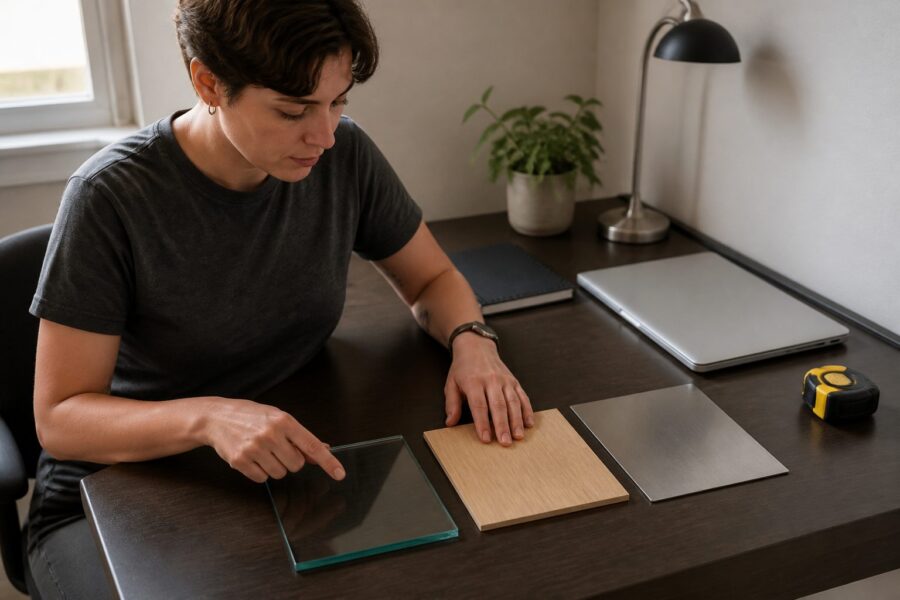
Setting up a productive home office in a compact living space requires careful consideration of every element, especially your desk. The choice of desk surface material for a small home office goes beyond mere aesthetics; it impacts functionality, comfort, and the overall feel of your room.
You might think a desk is just a flat surface, but its composition can influence everything from how light bounces around to how well your mouse tracks. Picking the right material helps maximize efficiency and minimize distractions in a tight area.
Consider how different materials reflect light, handle spills, and even affect your posture during long work sessions. This guide will walk you through the pros and cons of common options to help you select the best desk surface material for a small home office.
Why desk surface material affects more than just aesthetics
The material of your desk surface influences the entire atmosphere of your small home office, dictating both its look and its practical utility. It dictates how spacious or cramped your workspace feels, which is particularly important in a compact setting.

A heavier, darker material might make a tiny room feel smaller, while a lighter, reflective one can create an illusion of openness. This visual impact plays a significant role in your daily comfort and mental state while working.
Beyond appearances, the durability of your desk surface material directly affects its lifespan and resistance to daily wear and tear. A sturdy surface will withstand scratches, spills, and constant use without showing signs of age too quickly.
Think about how easily a material cleans or whether it requires special maintenance, as this impacts your long-term satisfaction. The right desk surface material for a small home office should simplify your routine, not complicate it.
Finally, the tactile experience of your desk surface is often overlooked but extremely important for comfort. Some materials feel cold or sticky, while others offer a smooth, pleasant touch during extended periods of typing and mouse use.
Glass surfaces: light reflection, visual openness, and maintenance
Glass desks offer a unique set of benefits, especially when you are trying to make a small home office feel larger and brighter. Their transparency allows light to pass through, reducing visual bulk and making the room appear more expansive.
This visual lightness is a huge advantage for glass desk pros cons in compact spaces, preventing the desk from dominating the room. The clear surface helps maintain an open, airy aesthetic, which is essential for small layouts.
However, glass surfaces come with specific maintenance considerations that you must factor into your decision. Fingerprints, dust, and smudges are highly visible on glass, requiring frequent cleaning to keep the surface looking pristine.
While elegant, glass can also be prone to scratches if you are not careful with sharp objects or rough materials. Always use coasters and desk pads to protect the surface and keep it looking new.
Another point to consider with glass desk pros cons is the glare it can create from overhead lights or windows. This reflective quality might cause eye strain or make it difficult to see your monitor clearly without proper lighting adjustments.
When choosing glass, opt for tempered glass, which is significantly stronger and safer than regular glass. This type of glass is less likely to shatter into sharp pieces if it breaks, offering peace of mind.
Solid wood: warmth, durability, and how it handles daily wear
Solid wood desks bring a sense of natural warmth and timeless elegance to any workspace, making them a comforting choice for a small home office. The inherent durability of solid wood means it can withstand years of daily use, developing a unique patina over time.
A wood desk small space can feel grounded and inviting, providing a sturdy foundation for all your work tasks. Its natural variations in grain and color add character, making each piece truly unique.
| Wood Type | Pros for Small Office | Cons for Small Office |
|---|---|---|
| Oak | Extremely durable, classic look, resists dents. | Can be heavy, may look bulky in very small spaces. |
| Maple | Very hard, light color brightens room, smooth surface. | Can be expensive, less forgiving with scratches than oak. |
| Pine | Lightweight, affordable, rustic appeal, easy to move. | Softer, more prone to dents and scratches, needs protection. |
| Bamboo | Eco-friendly, strong for its weight, modern aesthetic. | Can be less resistant to deep scratches, specific care needed. |
| Walnut | Rich, dark color adds sophistication, good durability. | Darker tone can make small rooms feel smaller, higher cost. |
Engineered wood and MDF: budget performance in compact setups
For those seeking an affordable and versatile desk surface material for a small home office, engineered wood and MDF are excellent contenders. These materials offer a cost-effective alternative to solid wood without sacrificing too much on appearance or function.
Engineered wood, often layered with a real wood veneer, provides the look of solid wood at a fraction of the price. This makes it a smart choice for achieving a desired aesthetic on a tighter budget.
MDF, made from wood fibers pressed together with resin, offers a smooth, uniform surface that is perfect for painting or laminating. Its consistent density means it handles finishes exceptionally well, providing a sleek, modern look.
Both engineered wood and MDF are generally lighter than solid wood, making them easier to move and reconfigure in a compact office space. This portability is a significant benefit if you frequently rearrange your setup or anticipate moving soon.
However, these materials are more susceptible to moisture damage than solid wood, so spills need quick attention. Always use coasters and be mindful of liquids to prolong the life of your desk.
The variety of finishes available, from wood grains to solid colors, allows for greater customization to match your existing decor. You can easily find an engineered wood or MDF desk that complements your small space without breaking the bank.
Metal and powder-coated surfaces: industrial style and scratch resistance
Metal and powder-coated surfaces offer a contemporary, often industrial aesthetic that can be surprisingly effective in a small home office. Their sleek lines and minimalist design can help a compact space feel uncluttered and modern.
A metal frame desk often features a thin profile, which contributes to its visual lightness in a tight area. This design choice can make a small room appear less crowded than a bulkier, solid wood desk might.
One of the primary benefits of powder-coated metal surfaces is their exceptional scratch resistance and durability. The coating creates a tough, even finish that stands up well to daily abuse, making it a low-maintenance option.
These surfaces are also highly resistant to moisture, rust, and corrosion, which means spills are less of a concern than with some other materials. This makes them a practical choice for busy workspaces where accidents can happen.
While often associated with industrial design, metal desks come in various colors and finishes, allowing for diverse stylistic integration. You can find options that blend seamlessly with minimalist, modern, or even slightly rustic decors.
The robustness of a metal frame desk means it can support heavy equipment without sagging, providing a stable foundation for multiple monitors or large computers. This stability is a significant advantage for a productive small home office setup.
How surface texture affects wrist comfort during long sessions
The texture of your desk surface material for a small home office significantly impacts wrist and forearm comfort during extended work sessions. A smooth, even surface minimizes friction, allowing your hands to glide effortlessly across the desk.
Conversely, overly rough or uneven textures can cause irritation, pressure points, and even fatigue over time. This often overlooked detail plays a surprising role in your overall ergonomic setup.
- Smooth surfaces reduce friction for mouse movement.
- Rough textures can cause skin irritation on forearms.
- Hard, cool materials might feel uncomfortable in winter.
- Warm, soft textures can improve tactile comfort.
- A non-slip surface prevents items from sliding.
- Consider a desk pad for added cushioning.
- Matte finishes can reduce glare and eye strain.
Weight and portability: which materials move easily
In a small home office, the ability to move or reconfigure your desk is often a valuable asset, making weight and portability key considerations. Some desk surface materials are inherently lighter, offering more flexibility for dynamic living spaces.
Engineered wood and MDF desks are typically among the lightest options, making them easy to shift around a room or transport if you move. This lightweight nature is a major advantage for those who frequently redecorate or live in temporary setups.
Metal desks, especially those with hollow frames, can also be surprisingly light while maintaining significant strength. A metal frame desk provides a good balance of durability and relative ease of movement, depending on its specific construction.
Solid wood desks, particularly those made from dense hardwoods like oak or walnut, are generally the heaviest option. Their substantial weight contributes to stability but makes them much harder to relocate without assistance.
Glass desks fall somewhere in the middle; while the glass itself is heavy, the frame might be lighter, impacting overall portability. Always exercise caution when moving a glass desk to prevent damage or injury.
If you anticipate needing to frequently move your desk for cleaning, room rearrangement, or even packing, prioritize lighter materials. This practical aspect of your desk surface material for a small home office can save you a lot of effort and frustration.
Surface depth and how material choice affects perceived size
The depth of your desk surface, combined with its material, profoundly influences how large or small your entire small home office feels. A thick, opaque surface can visually consume more space, even if its actual footprint is modest.
Conversely, a thin, light-colored, or transparent surface helps maintain an open sightline, making the room appear less cluttered. This visual trick is invaluable in maximizing the perceived space of a compact office.
Glass, with its inherent transparency, excels at making a room feel larger by allowing you to see through the desk to the floor or wall behind. This creates an uninterrupted visual flow, dissolving the desk’s physical presence.
Lighter wood tones, such as maple or birch, and white or pale gray engineered wood surfaces also contribute to an airy feel. These materials reflect light well, further brightening the space and making it seem more expansive.
Darker, heavier materials like walnut or a thick, black powder-coated metal desk, while elegant, can absorb light and make a small space feel more enclosed. If you prefer these darker tones, balance them with ample natural light or reflective decor.
Choosing the best desk material compact office means considering not just the dimensions but also the visual weight of the surface. A slim profile and light color can dramatically alter the perception of space in your room.
Matching your desk surface to your room’s lighting conditions
The interplay between your desk surface material and your small home office’s lighting conditions is a critical factor for comfort and productivity. Different materials react to light in distinct ways, influencing glare, brightness, and overall ambiance.
Highly reflective surfaces, like polished glass or glossy metal, can cause significant glare from windows or overhead lights. This glare can lead to eye strain and make it harder to focus on your computer screen or paperwork.
If your office has abundant natural light or bright artificial lighting, consider a matte or satin finish for your desk surface. These finishes diffuse light rather than reflecting it directly, reducing uncomfortable glare.
Conversely, in a dimly lit small home office, a lighter, slightly reflective surface can help brighten the space and make it feel more inviting. A light-colored wood or a white laminate desk can effectively bounce light around the room.
Darker desk surface materials, such as walnut or black powder-coated metal, absorb more light, which can make a bright room feel cozier or a dim room feel even darker. If you choose a dark desk, ensure you have adequate task lighting to compensate.
The best desk material compact office will enhance, not detract from, your existing lighting situation. Think about how much natural light your room receives and where your primary light sources are located before making a choice.
Cleaning and long-term upkeep by material type
The ease of cleaning and long-term upkeep varies significantly across different desk surface materials, directly impacting your maintenance routine. Understanding these differences helps you choose a surface that fits your lifestyle and willingness to clean.
Glass desks, while visually appealing, demand frequent cleaning to combat fingerprints, dust, and smudges. A microfiber cloth and a good glass cleaner are essential tools for keeping them spotless.
Solid wood desks require a different approach, typically involving gentle dusting and occasional polishing with wood-specific cleaners to maintain their luster. Protecting them from moisture and extreme temperature changes is also important for longevity.
Engineered wood and MDF surfaces, especially those with laminate or melamine finishes, are generally quite easy to clean with a damp cloth and mild soap. However, they are more vulnerable to water damage, so immediate spill cleanup is crucial.
Metal and powder-coated desks are among the lowest maintenance options, usually requiring just a wipe-down with a damp cloth to remove dust and dirt. Their scratch and stain resistance makes them incredibly forgiving for a busy workspace.
Regardless of the desk surface material for a small home office you choose, adopting good habits like using coasters and desk pads will extend its life. Regular, gentle cleaning prevents grime buildup and preserves the desk’s appearance.
Making the final call based on your primary work tasks
Ultimately, the best desk surface material for a small home office depends on the specific nature of your daily work tasks and personal preferences. Consider what you do most often at your desk before making a final decision.
If your work involves extensive writing, drawing, or crafting, a smooth, durable surface like solid wood or a high-quality laminate might be ideal. These surfaces provide a stable and comfortable base for tactile activities.
For those who spend most of their time on a computer, a matte finish on any material can minimize glare and reduce eye strain. A glass desk pros cons analysis shows that a glass surface might require an anti-glare mat for heavy screen users.
If you frequently handle drinks or snacks at your desk, prioritize materials that are easy to clean and resistant to spills, such as powder-coated metal or laminate. These options forgive minor accidents without permanent damage.
Consider the equipment you use; heavy monitors or multiple devices benefit from the robust support of a solid wood or metal frame desk. These materials offer superior stability compared to lighter, less dense options.