

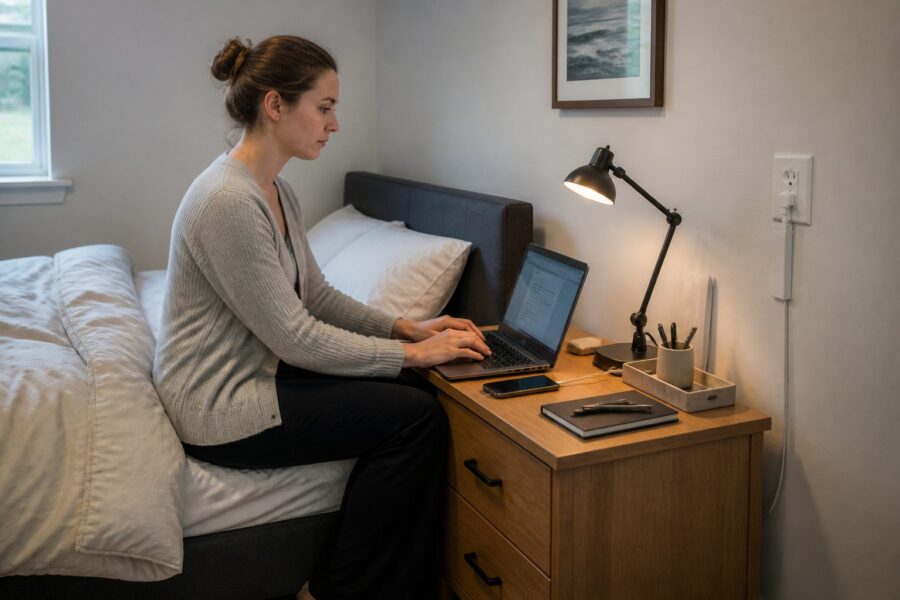
In today’s fast-paced world, many of us find ourselves working from home, often in spaces that were not originally designed for a home office. When your bedroom doubles as your office, creating an efficient and comfortable workspace is essential for both productivity during working hours and relaxation when it’s time to unwind and sleep.
Transforming your bedroom into a functional bedroom desk setup requires thoughtful planning and creativity that takes into account your personal style and the limitations of your space. With the right approach, you can maintain a harmonious balance between work and rest that allows you to thrive without compromising either aspect of your daily life.
As you embark on this journey to create your ideal workspace, consider the various elements that will contribute to a seamless nightstand home office bedroom workspace. From furniture choices that maximize space efficiency to lighting solutions that enhance both functionality and aesthetics, each detail plays a crucial role in your overall setup that can significantly impact your work-life balance.
When Your Bedroom Doubles as Your Office
When your bedroom serves as your office, it becomes essential to delineate spaces effectively to ensure that each area serves its intended purpose. This can help you maintain focus on work during the day while allowing you to unwind and relax when night falls, which is vital for your mental and emotional well-being.
Consider the layout of your room carefully; having a designated work area can dramatically enhance your productivity and concentration levels. A compact nightstand office setup can provide the necessary surface area for your work-related items while keeping your sleeping area serene and free from distractions that could hinder your ability to rest.
Incorporating multifunctional furniture can make the most out of limited space and help you achieve a dual-purpose environment. Opt for pieces that can serve dual purposes, like a nightstand that can also function as a desk, so you can maximize the utility of your room without overcrowding it with unnecessary items.
Creating a clear boundary between your work and personal space can significantly improve your mental health and overall productivity. By ensuring your workspace is tidy, organized, and distinct from your relaxation area, you’ll find it much easier to transition from work mode to relaxation mode when the day is done.
Remember to include personal touches in your bedroom office setup to make it feel inviting and inspiring. Incorporating elements such as plants, artwork, or personal mementos can enhance your atmosphere, uplift your mood, and spark your creativity, making your workspace more enjoyable to be in.
Choosing a Nightstand That Doubles as a Desk or Storage Hub
Selecting the right nightstand is a critical step in creating a functional bedroom workspace that meets your needs. Look for designs that offer ample surface area and integrated storage solutions to keep your essential items organized and within reach while also maintaining an aesthetically pleasing environment.
A compact nightstand office can provide a perfect base for your laptop, notebooks, and other workspace essentials, creating a dedicated area for productivity. Choose a model that complements your bedroom decor while effectively serving its dual purpose, ensuring that your workspace is both functional and visually appealing.
Consider nightstands with built-in drawers or shelves for additional storage options that can help you keep your documents, office supplies, and personal items close at hand. This feature allows you to maintain a clutter-free look while ensuring that everything you need is easily accessible when you sit down to work.
Height is another critical factor to consider when selecting your nightstand; ensure it is at a comfortable height for working while seated or standing. This will help in achieving an ergonomic setup that promotes better posture and reduces the risk of discomfort or strain during long hours of work.
Lastly, consider materials that are not only durable but also easy to clean, as this practicality can help you maintain a tidy workspace and enhance the longevity of your nightstand desk. Investing in high-quality materials will ensure that your workspace remains attractive and functional, even with daily use.
Surface Area Requirements for Bedside Laptop Work
When working from a bedside work area, surface area is crucial for comfort and efficiency, allowing you to work without feeling cramped or restricted. Ideally, you should have enough space for your laptop, a notepad, and other essentials to ensure that you can work effectively without sacrificing comfort or organization.
| Item | Recommended Size | Notes |
|---|---|---|
| Laptop | 13-15 inches | Standard for most users |
| Notepad | A5 size | Compact and easy to store |
| Mouse | Standard size | Optional, based on preference |
| Desk lamp | Small to medium | Must fit without cluttering |
Additionally, consider the layout of your items on the nightstand to maximize efficiency and keep everything organized. Keeping your most-used items within arm’s reach can streamline your workflow and reduce distractions, allowing you to focus on your tasks at hand.
Managing Light Levels for Evening Work Without Disrupting Sleep
Lighting plays a significant role in maintaining a conducive work environment and can greatly influence your productivity and comfort. When working in the evening, it’s essential to manage light levels carefully to avoid disrupting your sleep later on when it’s time to rest.
Opt for adjustable lighting options, such as a desk lamp with a dimmer switch or a smart bulb that allows you to customize brightness levels. This flexibility allows you to adjust the light according to your task and the time of day, ensuring that you have adequate illumination without being harsh on your eyes.
Consider using warm-colored bulbs for evening work, as they are less likely to interfere with your circadian rhythm and promote relaxation. Avoid harsh white lights that can make it harder to transition into sleep mode and may keep you feeling alert when you should be winding down.
Additionally, blackout curtains can be a valuable addition to your bedroom, helping to block out external light sources when you’re ready to sleep. Balancing your workspace lighting with your relaxation environment is key to maintaining a healthy sleep schedule and ensuring that your bedroom remains a restful sanctuary.
By creating a tranquil atmosphere with proper lighting, you’ll foster a workspace that not only promotes productivity but also allows you to unwind at the end of the day. This attention to detail in your lighting choices will help you create an environment conducive to both work and relaxation, enhancing your overall quality of life.
Keeping Work and Rest Mentally Separated in a Shared Room
Maintaining a mental separation between work and rest in a shared room can be challenging, especially when your workspace is in close proximity to your sleeping area. However, with the right strategies and a little creativity, you can create distinct boundaries that enhance both your productivity during work hours and your relaxation during downtime.
Start by designating specific times for work and rest in your daily routine, creating a schedule that helps condition your mind to switch between the two modes effectively. Sticking to this schedule helps reinforce the habit of focusing on work during designated hours while allowing yourself to fully engage in relaxation when it’s time to unwind.
- Use a room divider for physical separation that visually distinguishes your workspace from your rest area
- Establish a clean-up routine post-work to ensure your workspace is tidy
- Incorporate calming scents during rest, such as lavender or chamomile, to enhance relaxation
- Limit work materials in your bed area to avoid blending work and rest
- Set clear boundaries with family members or housemates to minimize interruptions during work hours
Creating a distinct work zone within your bedroom can also aid in mentally separating these two functions, making it easier to transition into relaxation once your work hours are over. This approach will help you maintain focus while working, as well as enjoy a more restful and restorative sleep environment.
By implementing these strategies effectively, you’ll foster a more balanced lifestyle that allows you to thrive both at work and during your downtime. Remember, your bedroom should be a sanctuary as much as it is a workspace, and taking steps to create this balance will enhance your overall quality of life.
Cable Management Around the Bed Without Tripping Hazards
Cable management is often overlooked but is crucial for a tidy bedroom office setup that promotes safety and efficiency. Unruly cables can create tripping hazards and detract from the aesthetic of your space, making it difficult to focus on your work without distractions.
First, invest in cable organizers or clips to keep cords neatly bundled and organized, which will enhance safety and improve the overall look of your compact nightstand office. This small investment can make a significant difference in how your workspace feels and functions, allowing you to concentrate on your tasks without worrying about tangled cables.
Consider using cord covers to hide cables along the walls or baseboards, effectively keeping them out of sight and creating a more polished appearance. This approach not only improves safety but also adds to the overall aesthetic of your bedroom, making it feel more organized and inviting.
Additionally, ensure that your power outlets are easily accessible without creating clutter or a mess of cables around your workspace. Arrange your cables in a way that allows for easy plugging and unplugging, so you can quickly connect or disconnect devices as needed without hassle.
By prioritizing cable management, you’ll create a safer and more visually appealing workspace that encourages productivity and focus. This level of attention to detail can significantly enhance your productivity in a shared bedroom environment, contributing to a more enjoyable work experience.
Ergonomic Positioning When Working in Bed or Beside It
When working in bed or next to it, maintaining ergonomic positioning is vital for your comfort, health, and overall productivity. Poor posture can lead to discomfort, pain, and long-term issues, making it essential to be mindful of your body mechanics while you work.
Use a supportive pillow or cushion to help maintain a neutral spine position, as this simple adjustment can make a significant difference in your overall comfort while working. Ensuring proper support for your back can help prevent strain and fatigue, allowing you to focus on your tasks with greater ease.
Ensure that your laptop screen is at eye level to prevent neck strain and promote a more natural sitting posture. This positioning helps you avoid slouching and encourages better alignment of your body, which is essential for long periods of work.
Consider using a lap desk or adjustable bed tray for added support and to create a more comfortable work surface. This setup can help elevate your laptop and improve your working posture, allowing you to maintain your body’s alignment while working in a cozy environment.
Finally, take regular breaks to stand up and stretch, as incorporating movement throughout your work session is essential for maintaining both physical and mental well-being. Short breaks can help you recharge, refocus, and reduce any discomfort you may experience from sitting or lying down for extended periods.
Using Adjustable Bed Trays as an Alternative to a Desk
Adjustable bed trays are a versatile solution for creating a bedside work area that can adapt to your needs. They can be easily positioned to accommodate your work requirements while ensuring comfort and convenience, making them an excellent addition to any bedroom office setup.
These trays often feature adjustable heights and angles, allowing you to find the most ergonomic position for your tasks. This adaptability enables you to switch between sitting and reclining effortlessly, which is ideal for those who prefer a more relaxed working environment.
Additionally, many adjustable bed trays come with built-in storage compartments for pens, notepads, and other small items. This feature helps keep your workspace organized without taking up extra room, making it easier to find what you need when you need it.
Using an adjustable tray can also enhance your productivity by allowing you to work in a comfortable position that suits your preferences. You can easily move it to the side when it’s time to relax, creating a seamless transition between work and rest that enhances your overall experience.
Ultimately, adjustable bed trays can serve as an excellent alternative to a traditional desk setup, providing both flexibility and functionality in a small space. They are particularly ideal for those who are looking to maximize the utility of their bedroom while still creating a comfortable and productive work environment.
Decor and Setup Tips for Making a Bedroom Office Feel Professional
The decor of your bedroom office can significantly impact your productivity and overall mood while you work from home. Creating a professional atmosphere is essential for maintaining focus and motivation, ensuring that you can deliver your best work even in a home environment.
Start by choosing a cohesive color palette that reflects your personal style while also promoting a calm and focused environment. Soft, neutral tones can create a calming atmosphere that fosters concentration, while pops of color can inspire creativity and invigorate your workspace.
Incorporate functional decor items, such as a stylish desk lamp or an attractive calendar, that serve practical purposes while enhancing the overall aesthetics of your workspace. These elements can elevate the look and feel of your area, making it a more enjoyable place to spend your time.
Additionally, consider adding personal touches like framed photos, inspirational quotes, or artwork that resonates with you and sparks motivation. These decorations can make your bedroom desk setup feel inviting and personalized, fostering a sense of ownership and creativity in your workspace.
Ultimately, your goal should be to create a workspace that feels both professional and comfortable, where you can focus on your tasks while still feeling at home. By paying attention to your setup and decor, you’ll foster a productive atmosphere in your bedroom office that can lead to greater success and satisfaction in your work.