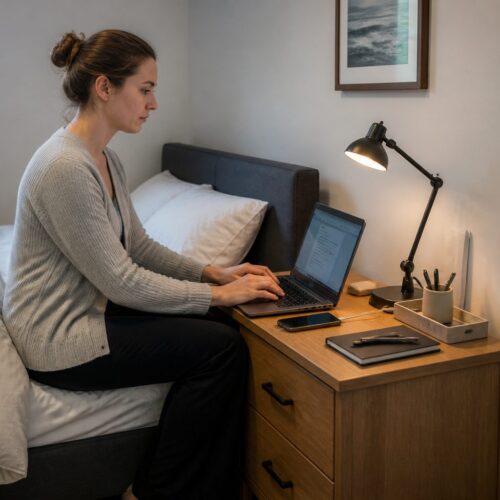


In today’s fast-paced world, creating a functional and inspiring home office in a small space can be a challenge. However, with the right furniture choices, you can maximize your productivity and comfort, even in limited square footage.
One of the most versatile and space-saving solutions is incorporating small nesting tables for office use. These adaptable pieces of furniture offer a range of benefits, from providing extra surface area when needed to neatly tucking away when not in use.
This article will explore the many ways you can use small nesting tables for office tasks. We’ll also cover how to choose the perfect set to complement your style and meet your needs.
The Benefits of Nesting Tables in Small Spaces
Nesting tables are a fantastic addition to any small home office. Their primary advantage is their ability to offer flexible surface space without permanently taking up a lot of room.
When you need an extra surface for spreading out documents, holding a presentation, or enjoying a coffee break, simply pull out the tables. When the task is complete, they slide back together, freeing up valuable floor space.
This adaptability is especially useful in multi-purpose rooms. If your home office is also a guest room or living area, nesting tables can easily transform the space to suit different functions.
Beyond space-saving, nesting tables can also contribute to a more organized and clutter-free workspace. Having designated surfaces for specific tasks prevents items from piling up on your main desk.
Imagine you are working on a complex project that requires multiple documents and tools. Instead of cluttering your main desk, you can use the nesting tables to create a dedicated workspace for the project.
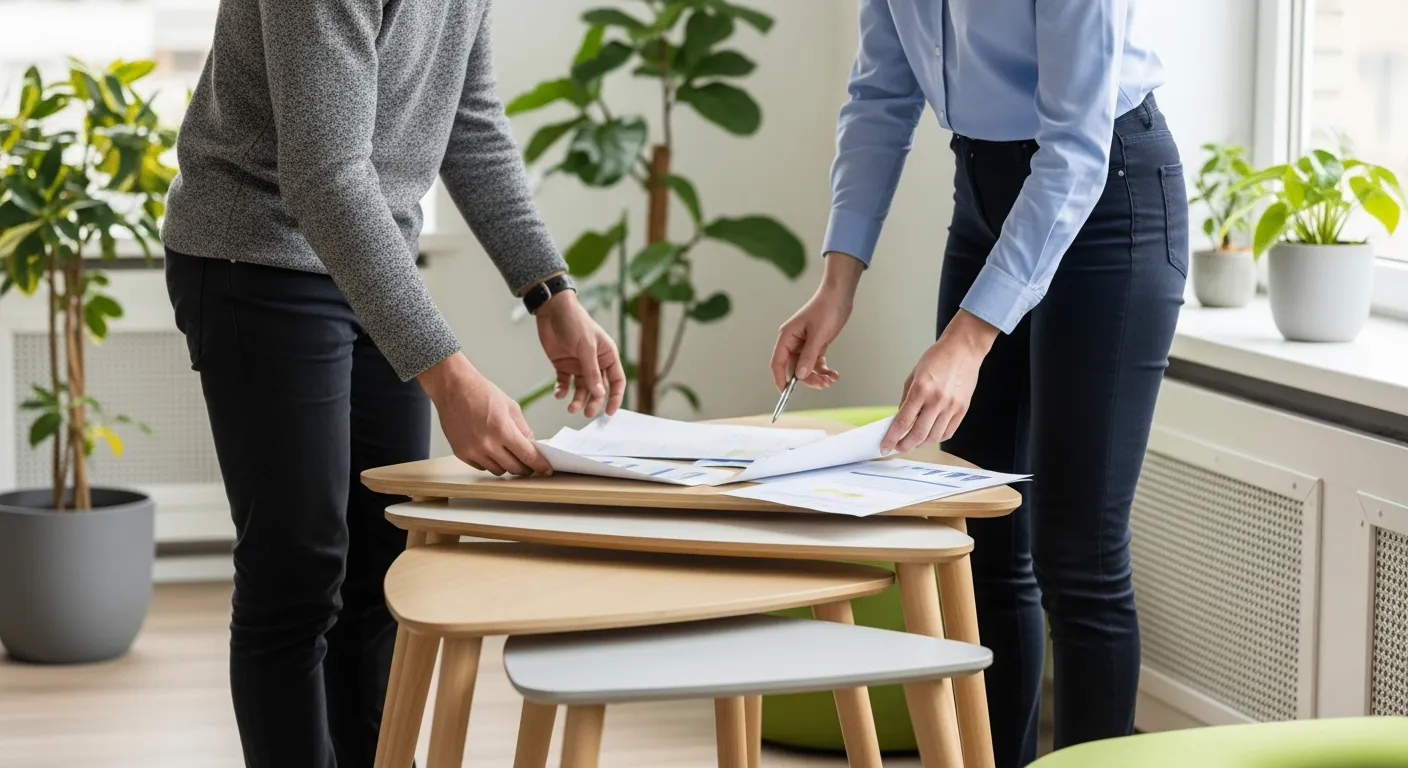
This will not only keep your desk tidy but also help you stay focused and organized. Nesting tables are also incredibly easy to move around, making them perfect for rearranging your office layout as needed.
You can easily move them from one corner of the room to another, depending on your current task or preference. This flexibility is especially beneficial if you frequently switch between different types of work.
Furthermore, nesting tables can be used to create a more collaborative workspace. If you often work with colleagues or clients in your home office, you can use the nesting tables to provide additional seating and surface space for meetings.
The tables can be easily arranged to create a comfortable and functional meeting area. This makes nesting tables a versatile and practical addition to any small home office.
Consider the aesthetic benefits as well. Nesting tables can add a touch of style and elegance to your office decor.
With a wide variety of designs and materials available, you can easily find a set of nesting tables that complements your existing furniture and adds a personal touch to your workspace. This can create a more inviting and inspiring atmosphere, which can boost your productivity and creativity.
Key Features to Consider: Size, Material, and Weight Capacity
When selecting small nesting tables for your office, there are several factors to keep in mind. The size of the tables is crucial, as it determines how much surface area you’ll have and how easily they’ll nest together.
Measure your available space and consider the height and diameter of each table in the set. You want to ensure they fit comfortably in your office and provide enough room for your various tasks.
The material of the nesting tables also plays a significant role in their durability and aesthetic appeal. Wood, metal, glass, and acrylic are common choices, each offering a different look and feel.
Consider your existing decor and choose a material that complements your style. Also, think about how the tables will be used, and select a material that can withstand the wear and tear of daily office life.
Think about the overall dimensions when nested. You want to ensure that the nested tables don’t take up too much space when stored away.
Consider the height difference between each table. A sufficient height difference will allow for easy nesting and prevent the tables from sticking together. Also, think about the shape of the tables.
Round, square, and rectangular nesting tables are all available, and the best choice for you will depend on your personal preference and the layout of your office. The material of the tables will also affect their weight capacity.
If you plan to use the tables for heavy items, such as a printer or scanner, you’ll need to choose a material that is strong and durable. Wood and metal are generally good choices for heavy items, while glass and acrylic may be more suitable for lighter items.
Consider the finish of the tables as well. A smooth, polished finish will be easier to clean and maintain, while a rough or textured finish may be more prone to collecting dust and dirt. The style of the tables should also complement your existing office decor.
Choose a set of nesting tables that reflects your personal taste and adds a touch of style to your workspace. The weight capacity of the nesting tables is an important factor to consider, especially if you plan to use them for heavy items.
Make sure to check the manufacturer’s specifications to ensure that the tables can safely support the weight of the items you plan to place on them. Overloading the tables could damage them or even cause them to collapse, so it’s important to choose a set that is strong and sturdy.
Different Styles of Nesting Tables: Modern, Traditional, and Minimalist
Nesting tables come in a wide range of styles to suit any taste. Modern nesting tables often feature clean lines, geometric shapes, and materials like metal and glass.
They can add a sleek and contemporary touch to your office, especially if you prefer a minimalist aesthetic. Traditional nesting tables, on the other hand, tend to showcase more ornate details, such as carved legs or decorative finishes.
| Style | Material | Common Features |
|---|---|---|
| Modern | Metal, Glass, Acrylic | Clean lines, geometric shapes, minimalist design |
| Traditional | Wood | Carved legs, decorative finishes, warm tones |
| Minimalist | Wood, Metal | Simple shapes, neutral colors, functional design |
| Industrial | Metal, Wood | Exposed hardware, rustic finishes, sturdy construction |
These tables are often made of wood and can bring a sense of warmth and elegance to your workspace. Minimalist nesting tables prioritize simplicity and functionality.
Consider an industrial style for a more rugged aesthetic. These often combine metal frames with wooden tops.
Bohemian styles can incorporate woven materials or intricate patterns. This can add a unique and eclectic touch to your office.
Art Deco nesting tables might feature geometric designs and luxurious materials. Think gold accents and rich colors.
Rustic styles often use reclaimed wood and distressed finishes. This can create a warm and inviting atmosphere.
Choosing the right style can significantly impact the overall feel of your workspace. Consider the existing decor and the atmosphere you want to create.
Don’t be afraid to mix and match styles to create a unique and personalized look. The key is to choose nesting tables that you love and that complement your overall design aesthetic.
Think about the color scheme of your office as well. Neutral colors like white, gray, and black are versatile and can easily be incorporated into any style.
However, don’t be afraid to add a pop of color with your nesting tables. A brightly colored set of tables can add a playful and energetic touch to your workspace.
Using Nesting Tables for Different Tasks
The versatility of small nesting tables makes them ideal for a variety of office tasks. Use the largest table as a temporary extension of your main desk.
This is useful when you need to spread out documents, review blueprints, or work on a large project. The smaller tables can serve as convenient side tables for holding your laptop, coffee cup, or notepad.
If you frequently host virtual meetings, use one of the nesting tables as a stand for your webcam or microphone. This helps create a more professional and organized setup.
For creative tasks like drawing or crafting, nesting tables provide a dedicated surface to work on. This keeps your main desk clear and prevents accidental spills or messes.
Consider using a nesting table as a plant stand. Adding greenery to your office can improve air quality and boost your mood.
The different heights of the tables can create an interesting visual display. A nesting table can also serve as a temporary standing desk.
Simply place the largest table on top of your desk to create a higher work surface. This is a great way to take a break from sitting and stretch your legs.
If you have a printer, scanner, or other office equipment, you can use a nesting table as a dedicated stand for these items. This will free up space on your main desk and keep your office organized.
Nesting tables can also be used as a temporary storage solution. Use them to hold books, files, or other supplies that you need to access frequently.
This is a great way to keep your desk clutter-free and organized. If you have a waiting area in your office, you can use nesting tables to provide a convenient surface for guests to place their belongings.
Place a set of nesting tables next to a chair or sofa to create a comfortable and welcoming space. You could even use nesting tables as a decorative element in your office.
Arrange them in a creative way to add visual interest to your workspace. The possibilities are endless!
Pairing Nesting Tables with Other Space-Saving Furniture
To maximize space in a small home office, pair nesting tables with other space-saving furniture. A wall-mounted desk is a great option, as it frees up floor space and provides a dedicated work area.
Combine the desk with a comfortable, ergonomic chair that can be easily tucked away when not in use. Look for chairs with a small footprint or folding chairs that can be stored in a closet.
Vertical storage solutions, such as bookshelves or wall-mounted shelves, are also essential for keeping your office organized. Use these to store books, files, and other supplies, keeping your desk and nesting tables clutter-free.
Consider a rolling cart or storage ottoman to hold additional items. These can be easily moved around as needed and tucked away when not in use.
A Murphy bed can transform your office into a guest room in seconds. This is a great option if you frequently have overnight visitors.
Floating shelves can provide additional storage without taking up any floor space. Use them to display books, plants, or decorative items.
A ladder desk is a stylish and space-saving alternative to a traditional desk. It leans against the wall and provides multiple shelves for storage.
A folding screen can be used to divide your office from the rest of your home. This is a great way to create a dedicated workspace even in a small apartment.
Ottomans with built-in storage can provide seating and storage in one. Use them to store blankets, pillows, or office supplies.
A corner desk can maximize space in a small office. It fits snugly into a corner and provides ample workspace.
Consider using multi-functional furniture whenever possible. This will help you make the most of your limited space.
Think about using mirrors to create the illusion of more space. A large mirror can make a small office feel much larger.
Storage and Arrangement Options
One of the best features of small nesting tables is their ability to be easily stored when not in use. When you need to reclaim floor space, simply slide the smaller tables underneath the largest one.
This compact arrangement takes up minimal room and keeps your office looking tidy. You can also arrange the tables in a variety of configurations to suit your needs.
- Stacked neatly in a corner
- Spread out as individual side tables
- Arranged in a tiered display
- Used as a coffee table alternative
- Positioned as a temporary workstation
Experiment with different layouts to find what works best for your space and workflow. If you have a particularly small office, consider placing the nesting tables against a wall when not in use.
Think about using the nesting tables to create a focal point in your office. Arrange them in a visually appealing way to draw the eye.
Consider using the nesting tables to create different zones in your office. For example, you could use one table as a reading nook and another as a workstation.
If you have a window in your office, consider placing the nesting tables near it. This will provide natural light and create a more pleasant workspace.
Think about using the nesting tables to display your favorite artwork or photographs. This will add a personal touch to your office.
Consider using the nesting tables to create a small library. Stack books on the tables to create a stylish and functional storage solution.
If you have a pet, you can use a nesting table as a pet bed. Place a soft cushion on the table to create a comfortable and cozy spot for your furry friend.
Think about using the nesting tables to create a mini bar. Store your favorite drinks and glasses on the tables to create a stylish and convenient entertaining area.
Consider using the nesting tables to create a meditation space. Place a cushion and some candles on the tables to create a calming and relaxing environment.
Maintaining and Cleaning Your Nesting Tables
To keep your small nesting tables looking their best, regular maintenance and cleaning are essential. The specific cleaning method will depend on the material of your tables.
For wood tables, dust them regularly with a soft cloth to prevent buildup. Use a wood cleaner or polish to remove any stains or marks, following the manufacturer’s instructions.
Metal tables can be wiped down with a damp cloth and mild soap. Avoid using abrasive cleaners that could scratch the surface.
Glass tables can be cleaned with a glass cleaner and a microfiber cloth. Be sure to wipe up any spills immediately to prevent stains or watermarks.
For acrylic tables, use a soft cloth and a mild soap and water solution. Avoid using harsh chemicals or abrasive cleaners, as they can damage the surface.
Always test any cleaning product on a small, inconspicuous area of the table before applying it to the entire surface. This will help you ensure that the product does not damage the finish.
To prevent scratches, avoid placing sharp objects directly on the surface of the tables. Use coasters or placemats to protect the finish.
If you spill something on the tables, wipe it up immediately with a clean cloth. This will help prevent stains from setting in.
Regularly check the screws and hardware on the tables to ensure that they are tight. Loose screws can cause the tables to become wobbly or unstable.
If you live in a humid climate, consider using a dehumidifier to prevent moisture damage to your wood tables. Moisture can cause wood to warp or crack.
Avoid placing the tables in direct sunlight, as this can cause the finish to fade. If you must place the tables in a sunny area, consider using window coverings to block out some of the light.
By following these simple maintenance and cleaning tips, you can keep your small nesting tables looking their best for years to come.
Conclusion
Small nesting tables are a valuable addition to any home office, especially in limited spaces. Their flexibility, space-saving design, and versatility make them ideal for a range of tasks.
By carefully considering the size, material, style, and arrangement options, you can choose a set of nesting tables that perfectly complements your office and enhances your productivity. So, embrace the versatility of nesting tables and create a functional and stylish workspace that meets all your needs.
Remember to prioritize functionality and aesthetics when making your selection. The right nesting tables can truly transform your small office space.
Consider the long-term benefits of investing in quality nesting tables. They can provide years of reliable service and enhance your overall work experience.
Don’t underestimate the power of small changes to improve your workspace. Nesting tables are a simple yet effective solution for creating a more organized and productive environment.