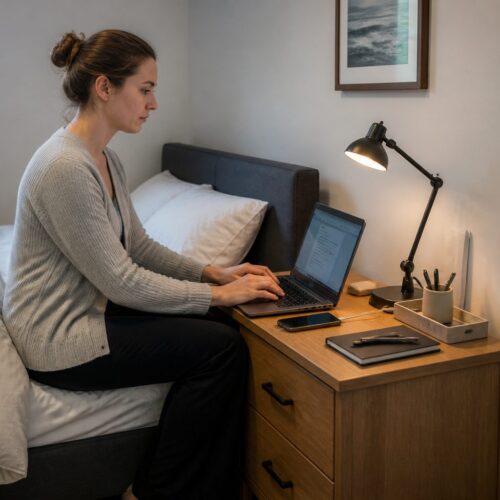


Working from home requires a dedicated space, but not everyone has a spare room. A small adjustable height desk can be the perfect solution for creating an ergonomic and versatile home office in a limited area. These desks offer the flexibility to switch between sitting and standing, promoting better posture and overall well-being, all while fitting comfortably into compact spaces.
Finding the right balance between functionality and size is key when selecting a desk for a small home office. This article will guide you through the benefits of a small adjustable height desk, the key features to consider, and how to integrate movement into your workday, ensuring a comfortable and productive work environment.
Let’s explore how to choose the ideal small adjustable height desk that will transform your small space into an efficient and comfortable workspace. Investing in a proper setup can significantly impact your health and productivity, making it a worthwhile consideration for anyone working from home.
The Benefits of an Adjustable Height Desk
An adjustable height desk offers numerous benefits, especially for those working in small spaces. The ability to switch between sitting and standing throughout the day can improve posture, reduce back pain, and increase energy levels.
This versatility is particularly advantageous in a limited area, where a static desk can feel restrictive and uncomfortable. A small sit stand desk allows you to customize your workspace to your specific needs and preferences, maximizing comfort and productivity.
Beyond the ergonomic advantages, a height adjustable desk can also help to improve focus and concentration. Studies have shown that standing while working can increase alertness and cognitive function, leading to better performance and creativity.
By incorporating movement into your workday, you can combat the negative effects of prolonged sitting, such as increased risk of cardiovascular disease and metabolic disorders. An adjustable desk makes it easier to adopt a more active and healthy lifestyle, even when you’re confined to a small workspace.
Furthermore, adjustable height desks can contribute to a more dynamic and engaging work environment. The simple act of changing your posture can break up the monotony of the workday and help you stay motivated. This can be especially helpful when working on tasks that require sustained attention or creative problem-solving.

Another often overlooked benefit is the ability to share the desk with others. If multiple people use the same workspace, an adjustable height desk can be easily customized to fit each individual’s needs. This makes it a great option for shared home offices or collaborative work environments.
The psychological benefits of using an adjustable height desk should also be considered. Feeling in control of your workspace and having the ability to personalize it can boost your mood and job satisfaction. This can lead to increased productivity and a greater sense of well-being.
Finally, consider the long-term investment in your health. By proactively addressing ergonomic concerns and promoting movement, you can reduce the risk of developing chronic pain or other health problems down the road. An adjustable height desk is a proactive step towards a healthier and more comfortable work life.
Key Features to Look for: Height Range, Stability, and Motor
When choosing a small adjustable height desk, several key features should be considered to ensure it meets your needs. The height range of the desk is crucial, as it determines whether it can accommodate your height comfortably in both sitting and standing positions.
A desk with a wide height range will allow you to find the perfect ergonomic position, regardless of your stature. Stability is another essential factor, especially when the desk is fully extended.
A wobbly desk can be distracting and even dangerous, so look for models with a sturdy frame and solid construction. The motor is also a critical component, as it powers the desk’s height adjustment mechanism.
A high-quality motor will ensure smooth and quiet transitions between heights, as well as reliable performance over time. Consider desks with motors that have overload protection and anti-collision features for added safety and longevity.
Beyond the core features, consider the desk’s weight capacity. Make sure it can handle the weight of your monitor, computer, and other accessories without compromising stability. A desk with a higher weight capacity will generally be more durable and long-lasting.
Also, pay attention to the desk’s control panel. A user-friendly control panel with programmable height presets can make it easier to switch between your preferred sitting and standing positions. Some desks even offer smartphone app integration for added convenience.
Consider the desk’s frame design. A T-frame design typically offers better stability than a C-frame design, especially at higher heights. Look for desks with adjustable feet to compensate for uneven floors.
Finally, read reviews from other users to get a sense of the desk’s real-world performance. Pay attention to comments about stability, motor noise, and ease of assembly. This can help you make a more informed decision.
Types of Adjustable Height Desks: Electric and Manual
Adjustable height desks come in two main types: electric and manual. Electric desks use a motor to raise and lower the desktop, offering effortless and precise height adjustments.
Manual desks, on the other hand, require you to use a hand crank or lever to change the height, which can be more labor-intensive. Electric desks are generally more convenient and user-friendly, especially for those who plan to switch between sitting and standing frequently.
| Feature | Electric Adjustable Height Desk | Manual Adjustable Height Desk |
|---|---|---|
| Height Adjustment | Motorized, push-button control | Hand crank or lever |
| Ease of Use | Effortless, precise adjustments | More labor-intensive |
| Speed | Faster height transitions | Slower height transitions |
| Price | Generally more expensive | Generally less expensive |
| Noise Level | Quiet operation | May produce some noise |
However, manual desks can be a more budget-friendly option and may be suitable for those who only need to adjust the height occasionally. The best choice depends on your budget, preferences, and how often you plan to use the height adjustment feature.
Electric desks often come with additional features, such as programmable height presets and anti-collision systems. These features can enhance the user experience and provide added safety. The speed of the height adjustment is also typically faster with electric desks.
Manual desks, while requiring more effort, offer a simpler and more reliable mechanism. They are less prone to mechanical failures and do not require a power outlet. This can be an advantage in certain situations, such as in areas with limited access to electricity.
Consider the long-term maintenance requirements of each type of desk. Electric desks may require occasional motor maintenance or replacement, while manual desks typically require less upkeep. However, the hand crank or lever on a manual desk may wear out over time.
Ultimately, the choice between an electric and manual adjustable height desk is a personal one. Weigh the pros and cons of each type carefully to determine which best suits your needs and preferences. Consider your budget, frequency of use, and desired features when making your decision.
Material and Durability Considerations
The material and durability of a small adjustable height desk are crucial factors to consider for long-term use. The desktop material should be sturdy and resistant to scratches, stains, and other types of damage.
Common desktop materials include laminate, wood veneer, and solid wood, each with its own advantages and disadvantages. Laminate is a cost-effective option that is easy to clean and maintain, while wood veneer offers a more natural look and feel.
Solid wood is the most durable and aesthetically pleasing option, but it is also the most expensive. The frame of the desk should be made of high-quality steel or aluminum to ensure stability and weight capacity.
Look for desks with a powder-coated finish, which is more resistant to rust and corrosion. Additionally, consider the thickness of the desktop and the gauge of the steel frame, as these factors can impact the desk’s overall durability and stability.
When evaluating laminate desktops, pay attention to the thickness and quality of the laminate layer. A thicker laminate layer will be more resistant to scratches and wear. Look for desks with a high-pressure laminate (HPL) finish for added durability.
If you opt for a wood veneer desktop, ensure that the veneer is properly sealed and finished to protect it from moisture and stains. Consider the type of wood used for the veneer, as some woods are more durable than others. Hardwoods like oak and maple are generally more durable than softwoods like pine.
For solid wood desktops, look for desks made from kiln-dried wood to prevent warping and cracking. Consider the type of wood and its hardness rating. Hardwoods like maple, oak, and walnut are excellent choices for durability and longevity.
Pay attention to the construction of the desk frame. Welded steel frames are generally more durable than bolted frames. Look for desks with reinforced corners and crossbars for added stability. Consider the desk’s warranty, as this can be an indicator of its quality and durability.
Size and Space Optimization for Small Areas
When dealing with a small space, size and space optimization are paramount when choosing a small adjustable height desk. Measure your available area carefully to ensure the desk will fit comfortably without overcrowding the room.
Consider the desk’s footprint when both sitting and standing, as the base may extend further when raised. Look for desks with a compact design and minimal overhang to maximize usable space.
Corner desks can be an excellent option for small spaces, as they utilize often-unused corners and provide ample workspace. Wall-mounted adjustable height desks are another space-saving solution, as they can be folded away when not in use.
Think about the placement of your monitor, keyboard, and other accessories to ensure they fit comfortably on the desktop. Incorporating cable management solutions, such as cable trays or zip ties, can also help to keep your workspace tidy and organized.
Consider desks with built-in storage solutions, such as drawers or shelves, to maximize space and keep your workspace organized. Vertical storage, such as wall-mounted shelves or organizers, can also help to free up valuable desk space.
Look for desks with a minimalist design to avoid visual clutter and create a more open and airy feel in your small space. Light-colored desks can also help to make a room feel larger and brighter. Consider using a desk with a glass top to create a sense of transparency and openness.
Think about the placement of your desk in relation to windows and natural light sources. Positioning your desk near a window can provide natural light and a view, which can improve your mood and productivity. However, be mindful of glare on your monitor.
Consider using a smaller monitor or laptop to save space on your desk. A monitor arm can help to free up desk space by suspending your monitor in the air. Wireless keyboards and mice can also help to reduce cable clutter and create a cleaner workspace.
Setting Up and Adjusting Your Desk
Setting up your small adjustable height desk correctly is essential for maximizing its ergonomic benefits. Follow the manufacturer’s instructions carefully during assembly, and ensure all screws and bolts are tightened securely.
Place the desk on a level surface to prevent wobbling, and adjust the feet if necessary. Once the desk is assembled, adjust the height to the correct position for both sitting and standing.
- Adjust the chair height so your feet are flat on the floor
- Position the keyboard so your elbows are at a 90-degree angle
- Place the monitor at arm’s length and at eye level
- When standing, ensure your elbows are still at a 90-degree angle
- Use a footrest to reduce strain on your lower back
Experiment with different height settings to find the most comfortable positions for you. Make sure to take breaks and adjust the desk throughout the day to avoid prolonged sitting or standing in one position.
When setting up your desk, pay attention to the placement of your peripherals, such as your mouse and keyboard. Position them close to your body to avoid reaching and straining your arms and shoulders. Use a wrist rest to support your wrists and prevent carpal tunnel syndrome.
Consider using a document holder to position documents at eye level, reducing neck strain. Place frequently used items within easy reach to avoid unnecessary stretching and reaching. Organize your desk to minimize clutter and distractions.
When adjusting the height of your desk, remember to consider the height of your shoes. Wear the same type of shoes that you typically wear while working to ensure accurate height adjustments. Adjust the height of your desk slightly throughout the day to accommodate changes in your posture and energy levels.
Take the time to fine-tune your desk setup to create a comfortable and ergonomic workspace. A well-configured desk can help to reduce pain, improve posture, and increase productivity. Don’t be afraid to experiment with different configurations to find what works best for you.
Accessories and Ergonomic Additions
Enhance your small adjustable height desk setup with accessories that promote better ergonomics and productivity. A monitor arm can help to position your monitor at the correct height and angle, reducing neck and eye strain.
A keyboard tray can provide a more comfortable typing position, especially when standing. Consider adding a standing desk balance board or mat to encourage movement and reduce fatigue while standing.
Ergonomic chairs are essential for maintaining good posture and supporting your back while sitting. Invest in a chair with adjustable lumbar support, armrests, and seat height to customize it to your body.
Proper lighting is also crucial for reducing eye strain and improving focus. Use a desk lamp with adjustable brightness and color temperature to create a comfortable and productive work environment.
Consider adding a footrest to your setup to support your feet and improve circulation while sitting. A cable management system can help to keep your desk tidy and prevent tangled cords. A wireless charging pad can provide a convenient way to charge your mobile devices.
Invest in a good quality headset with a noise-canceling microphone for clear communication during online meetings. A desk organizer can help to keep your pens, paper, and other supplies within easy reach. A plant can add a touch of nature to your workspace and improve air quality.
Consider using a blue light filter on your monitor or wearing blue light glasses to reduce eye strain and improve sleep quality. A portable laptop stand can allow you to work comfortably from different locations. A small fan can help to keep you cool and comfortable during warm weather.
Experiment with different accessories to find what works best for you and your workspace. The right accessories can help to improve your comfort, productivity, and overall well-being. Don’t be afraid to invest in quality accessories that will last for years to come.
Integrating Movement into Your Workday
A small adjustable height desk makes it easier to incorporate movement into your workday, which is essential for maintaining good health and productivity. Set reminders to switch between sitting and standing every 30-60 minutes.
Use a timer or app to track your sitting and standing time and encourage you to take breaks. During your breaks, do some simple stretches or walk around to get your blood flowing.
Consider incorporating active tasks into your standing time, such as taking phone calls or reviewing documents. Use a standing desk converter if you already have a desk you like, but want the flexibility to stand.
You can also try using a treadmill desk or under-desk elliptical to add even more movement to your workday. By making small changes to your routine, you can significantly improve your health and well-being while working from home.
Try incorporating micro-movements throughout the day, such as fidgeting or tapping your feet. These small movements can help to burn calories and improve circulation. Take advantage of opportunities to walk around, such as during phone calls or meetings.
Consider using a stability ball instead of a chair for part of the day to engage your core muscles and improve balance. Do some simple stretches at your desk every hour to relieve muscle tension. Incorporate exercises that can be done at your desk, such as calf raises or squats.
Use a pedometer or fitness tracker to monitor your daily steps and set goals for increasing your activity level. Join a virtual walking or exercise challenge with colleagues or friends to stay motivated. Make movement a priority in your workday and find ways to make it fun and engaging.
Remember that even small amounts of movement can make a big difference in your health and well-being. By incorporating movement into your workday, you can reduce the risk of chronic diseases, improve your mood, and boost your productivity. Make your adjustable height desk a tool for a healthier and more active work life.
Cost Considerations and Budgeting
The cost of a small adjustable height desk can vary widely depending on the features, materials, and brand. Set a budget before you start shopping to help narrow down your options and avoid overspending.
Consider the long-term benefits of investing in a high-quality ergonomic desk, such as improved health and productivity. Look for desks with a good warranty to protect your investment in case of defects or malfunctions.
Compare prices from different retailers and online marketplaces to find the best deals. Keep an eye out for sales and discounts, especially during holidays or special events.
You can also consider purchasing a used or refurbished desk to save money, but be sure to inspect it carefully for any damage or wear. By being mindful of your budget and doing your research, you can find a small adjustable height desk that meets your needs without breaking the bank.
When budgeting for an adjustable height desk, remember to factor in the cost of accessories, such as a monitor arm, keyboard tray, and ergonomic chair. These accessories can significantly enhance the ergonomic benefits of your desk, but they can also add to the overall cost.
Consider purchasing a desk with a modular design, which allows you to add or remove features as needed. This can help you to save money by only paying for the features that you actually use. Look for desks that offer financing options or payment plans to make them more affordable.
Don’t be afraid to negotiate the price of your desk with the retailer. Many retailers are willing to offer discounts or price matching to attract customers. Consider purchasing a desk during a clearance sale or when a new model is being released.
Remember that the cost of an adjustable height desk is an investment in your health and well-being. By investing in a high-quality desk, you can reduce the risk of pain, improve your posture, and increase your productivity. Consider the long-term benefits when making your decision and choose a desk that fits your budget and meets your needs.
Conclusion
A small adjustable height desk is a worthwhile investment for anyone looking to create an ergonomic and versatile home office in a limited space. By considering the key features, materials, and setup tips outlined in this article, you can find the perfect desk to meet your needs and preferences.
Remember to prioritize stability, height range, and motor quality to ensure a comfortable and reliable workspace. Integrating movement into your workday is crucial for maintaining good health and productivity, and an adjustable desk makes it easier to do so.
With the right small adjustable height desk, you can transform your small space into an efficient and comfortable home office. Embrace the flexibility and ergonomic benefits of a sit stand desk to improve your overall well-being and enhance your work experience.