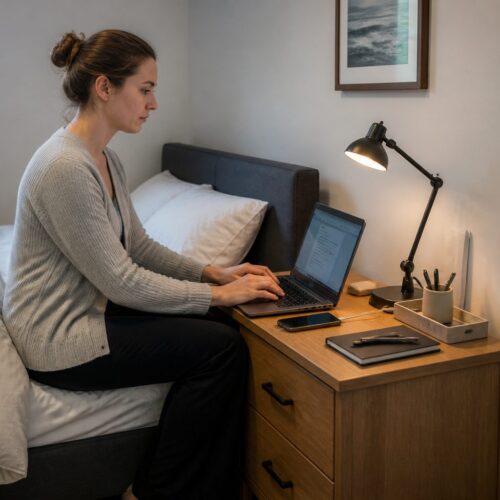

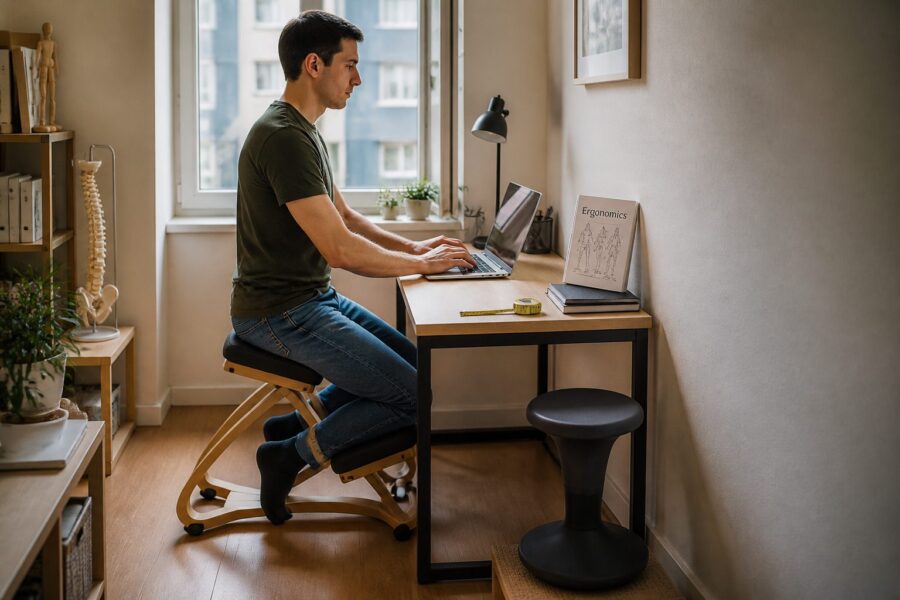
As remote work becomes a staple of modern life, creating an efficient workspace in small home offices is essential for fostering productivity and well-being. One effective way to maximize comfort and productivity in these compact environments is through alternative seating options that cater to individual needs and preferences, allowing for a more personalized working experience that can adapt to various tasks and work styles.
These non-traditional chairs, including kneeling chairs and balance stools, are gaining popularity for their numerous ergonomic benefits that address common issues faced by those who work from home. By helping to reduce back pain and promoting better posture, these seating options are becoming increasingly recognized as ideal for extended periods of sitting, allowing users to maintain comfort and health throughout their workday.
In this article, we will explore the rise of alternative seating and its impact on productivity and well-being in compact workspaces, particularly in the context of home offices. Let’s dive into the details of these innovative seating solutions that not only enhance the overall aesthetic of your small home office setup but also improve your daily working experience.
What is Alternative Seating and Why is It Gaining Popularity
Alternative seating encompasses a variety of types of chairs that differ significantly from the traditional office chair design that many people are accustomed to. Popular options like kneeling chairs and balance stools are becoming preferred choices for those seeking improved comfort and posture while working, reflecting a shift in how we perceive the traditional workspace environment.
As more people work from home due to the changing landscape of employment, the need for ergonomic solutions has surged dramatically, making alternative seating a popular trend among remote workers. These innovative chairs not only enhance comfort but also encourage movement and engagement while working, helping to combat the sedentary lifestyle that often accompanies desk jobs.
Many individuals find that traditional office chairs contribute to discomfort and health issues over time, leading to a growing dissatisfaction with standard seating options. In contrast, alternative seating provides unique benefits that align with modern work habits, promoting a healthier and more dynamic way of working that can enhance overall productivity.
Additionally, the aesthetic appeal of these chairs adds a stylish touch to small home office setups, allowing users to express their personal style while maintaining functionality. With a wide range of designs available, alternative seating options can complement any workspace decor while providing essential ergonomic benefits that support a healthier work environment.
Ultimately, the increasing popularity of alternative seating reflects a growing awareness of the importance of ergonomic wellness and its impact on overall health. As more people seek solutions for a healthier work environment, these innovative chairs are leading the charge toward a more comfortable and productive future for remote workers everywhere.
The Biomechanics of a Kneeling Chair Explained
A kneeling chair is designed to tilt the pelvis forward, promoting an open hip angle that encourages proper spinal alignment and supports a healthier sitting posture. This unique posture reduces pressure on the lower back, making it an excellent option for those suffering from chronic pain or discomfort, allowing them to work more comfortably for extended periods.
The biomechanics of a kneeling chair allow users to engage their core muscles while maintaining a stable position, which is crucial for preventing fatigue during long hours of work. This active sitting encourages better blood circulation and minimizes fatigue, leading to increased focus and productivity throughout the workday.
By distributing weight between the knees and the seat, these chairs significantly reduce pressure on the spine, offering a supportive alternative to traditional seating. Users often report experiencing less strain on their backs and improved concentration while using a kneeling chair in their small home office, making it a worthwhile investment for their health.
Furthermore, kneeling chairs are adjustable, allowing for personalized height settings to accommodate various body types and preferences, which is essential for achieving the best ergonomic fit. This adaptability makes them suitable for diverse users looking to enhance their working comfort, regardless of their unique body dimensions or workspace requirements.
Understanding the biomechanics behind kneeling chairs can help users appreciate the numerous benefits they offer and make informed decisions about their seating choices. Incorporating a kneeling chair into your alternative seating desk setup can lead to significant improvements in posture, comfort, and overall health, making it an attractive option for those who spend long hours seated.
Balance Stools and Saddle Seats: Key Differences
Balance stools and saddle seats are both popular choices for alternative seating, but they offer different benefits and designs that cater to varying user preferences. Balance stools encourage active sitting by promoting movement and stability throughout the workday, while saddle seats enhance posture with a unique shape that provides optimum support for the pelvis.
One key difference lies in their construction; balance stools typically feature a rounded base that allows for rocking and swaying, encouraging users to engage their core and maintain balance. In contrast, saddle seats have a contoured design that mimics the natural position of the pelvis, promoting proper alignment and comfort during prolonged use.
| Feature | Balance Stool | Saddle Seat |
|---|---|---|
| Design | Rounded base for movement | Contoured to support pelvis |
| Posture | Encourages active sitting | Promotes proper alignment |
| Stability | Requires core engagement | Stable and supportive |
| Use Case | Dynamic work environments | Focused, stationary tasks |
Both seating options are designed to improve comfort and posture, but they cater to different preferences and working styles, allowing users to choose what best fits their needs. Understanding these differences can help users select the right alternative seating for their unique requirements, ensuring a more productive and healthy work environment.
Who Benefits Most From Non-Traditional Seating Options
Non-traditional seating options are particularly beneficial for individuals who experience discomfort with conventional office chairs, making them a popular choice among various user demographics. This includes those with chronic back pain, hip issues, or anyone seeking a more active seating experience that encourages better posture and overall comfort while working.
Moreover, individuals who work long hours at a desk can greatly benefit from alternative seating solutions that promote healthier sitting habits. By using an ergonomic kneeling chair or balance stool, they can effectively reduce fatigue and enhance productivity, allowing them to perform at their best throughout the workday.
Those who prioritize health and wellness in their daily routines will find these seating options invaluable and supportive of their lifestyle choices. These alternative chairs promote better posture and encourage movement, which is essential for maintaining overall health and well-being in today’s sedentary work environments.
Furthermore, creative professionals or those in dynamic work environments may thrive using non-traditional seating that fosters movement and adaptability. The flexibility and movement encouraged by these chairs can inspire creativity and improve focus, leading to more innovative ideas and solutions during collaborative work sessions.
In summary, anyone seeking comfort, support, and a better working posture can benefit from alternative seating in their home office. As more individuals embrace these options and share their positive experiences, the potential for enhanced productivity and overall well-being in small home offices grows, making them an appealing choice for remote workers.
Space Considerations When Choosing a Compact Alternative Chair
When selecting a compact alternative chair for your small home office, space considerations are crucial to ensure a comfortable and functional workspace. You want to ensure that the chair fits comfortably within your available area without compromising mobility or functionality, allowing for easy movement and access to your desk and other office essentials.
Take the time to measure your available space and consider the chair’s dimensions before making a purchase, as this will help prevent any surprises once the chair is delivered. Look for chairs that offer adjustable features, as they can provide a customized fit for your workspace, allowing for a more ergonomic and personalized working experience.
- Chair height
- Width and depth
- Mobility options
- Storage capabilities
- Adjustability
Additionally, consider the chair’s aesthetic appeal to ensure it complements your office design and fits seamlessly into your existing decor. A well-chosen alternative seating solution can enhance both comfort and the overall atmosphere of your workspace, making it a more inviting and enjoyable place to work.
Ultimately, the right compact alternative chair can transform your small home office into a functional and stylish environment that supports your productivity and well-being. By taking the time to evaluate your space and consider your needs, you can make a well-informed decision that will serve you well in the long run.
Transitioning From a Standard Chair: What to Expect
Transitioning from a standard office chair to an alternative seating option can be an adjustment for many users as it requires a shift in how one perceives comfort and support while working. Initially, you may experience discomfort as your body adapts to a new posture and seating style, which is a natural part of the adjustment process to any new chair or seating configuration.
As you acclimate to the new seating arrangement, you will likely notice improved comfort and enhanced posture over time, which can lead to a more enjoyable working experience. Persistence is key during this transition; give yourself ample time to adjust to the new seating arrangement, allowing your body to adapt naturally to the changes.
- Initial discomfort
- Gradual adjustment period
- Improved posture
- Increased core engagement
- Enhanced focus and productivity
It’s also helpful to incorporate stretching and movement into your routine to ease the transition and promote overall comfort. By doing so, you can help your body adapt while reaping the benefits of non-traditional seating, which can ultimately enhance your work performance and well-being.
With patience and commitment, the transition will lead to a healthier and more productive work environment that supports your individual needs. Embracing alternative seating can greatly enhance your small home office experience, turning it into a space that fosters creativity and efficiency.
Combining Alternative Seating with Adjustable Desk Heights
Using alternative seating in conjunction with adjustable desk heights can significantly enhance your workspace ergonomics and overall comfort. This combination allows for versatility and adaptability, accommodating various tasks and preferences while creating a more dynamic and engaging work environment.
By pairing a kneeling chair with an adjustable desk in your small home office setup, you can easily switch between sitting and standing positions throughout the day. This flexibility promotes movement and helps combat the negative effects of prolonged sitting, reducing the risks associated with a sedentary lifestyle and enhancing overall productivity.
Incorporating this approach can lead to increased energy levels and improved focus throughout the day, as your body is encouraged to move and shift positions regularly. The ability to customize your workspace encourages a healthier work routine that can adapt to your varying energy levels and concentration throughout the day.
As you experiment with different heights and seating options, it’s important to listen to your body and make adjustments accordingly to maintain comfort and prevent fatigue. This mindful approach to your workspace can lead to long-term benefits for your health and productivity, ensuring that you remain engaged and energized during your work hours.
Combining alternative seating with adjustable desk heights is a smart strategy for achieving a balanced and ergonomic workspace that meets your individual needs. This synergy can transform your small home office into an environment that fosters creativity, efficiency, and overall well-being, allowing you to perform at your best.
Top Features to Look for When Buying a Kneeling Chair
When shopping for a kneeling chair, there are several key features to consider to ensure that you make the right choice for your home office setup. Look for adjustable height settings to accommodate your workspace and body type, as this will help you achieve the best ergonomic fit possible for your unique needs.
Additionally, a sturdy frame and quality materials are essential for ensuring durability and stability, which are critical for long-term use. Ensure the chair has adequate cushioning for comfort during extended use, as this will help prevent discomfort and fatigue that can arise from prolonged sitting.
Consider the chair’s weight capacity, as this will determine its suitability for various users and ensure that it meets your specific requirements. A lightweight design can also be beneficial for moving the chair around your workspace, allowing for easy adjustments as needed throughout the day.
Lastly, look for a design that fits your aesthetic preferences and complements your small home office decor, as this can significantly enhance your overall experience. Choosing a chair you enjoy will not only improve your comfort but also contribute to a more inviting and personalized workspace.
By focusing on these essential features, you can find an ergonomic kneeling chair that meets your needs and enhances your workspace’s functionality. Investing in the right seating solution can significantly improve your workspace comfort and productivity, allowing you to work more efficiently and with greater ease.
How Long Should You Sit on Alternative Seating Each Day
Determining how long to sit on alternative seating each day depends on individual comfort and preference, as every person’s body responds differently to various seating arrangements. It’s generally recommended to start with shorter periods and gradually increase your time in the chair as your body adjusts to the new seating style and posture.
Most experts suggest alternating between different seating options throughout the day to promote healthy movement and prevent discomfort. This approach can help prevent fatigue and enhance overall comfort while maximizing the benefits of your alternative seating, ensuring that your workspace remains a productive environment.
Listening to your body and recognizing when to switch positions is crucial for maintaining comfort and avoiding strain or discomfort while working. Regular breaks for movement or stretching can also enhance your overall experience, allowing you to recharge and stay focused on your tasks.
Ultimately, the goal is to create a balanced routine that accommodates your specific needs and preferences while working. By being mindful of your seating choices and how long you spend in each position, you can foster a healthier and more productive small home office environment that supports your well-being and work performance.