
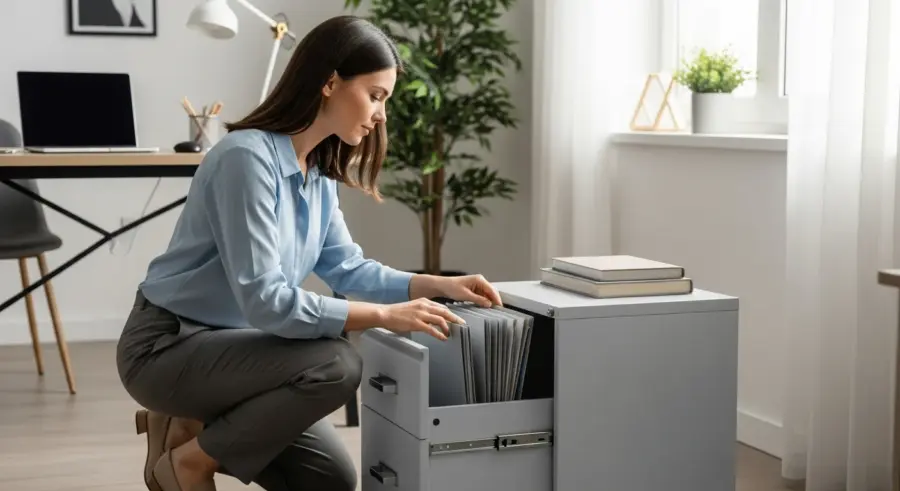
Creating a functional and organized home office in a small space can be a challenge. A key element in achieving this is selecting the right storage solutions, and a small file cabinet for home office use is often the perfect answer.
These compact storage units can keep your important documents organized and easily accessible without taking up valuable floor space. This article will guide you through the process of selecting the ideal small file cabinet for your home office, ensuring that it meets your specific needs and fits seamlessly into your workspace.
We’ll cover everything from assessing your filing needs and space constraints to exploring different types of file cabinets, materials, and security features. You’ll also learn how to organize your files efficiently and strategically place your file cabinet to maximize space and productivity.
Assessing Your Filing Needs and Space Constraints
Before you start shopping for a small file cabinet for home office use, take a moment to evaluate your specific filing requirements. Consider the types of documents you need to store, such as legal documents, financial records, or client files.
Think about the volume of paperwork you accumulate regularly and how frequently you need to access these documents. This assessment will help you determine the size and capacity of the file cabinet you need.
Next, carefully measure the available space in your home office where you plan to place the file cabinet. Consider both the floor space and the vertical space, as some file cabinets can be stacked or placed under desks.
Be mindful of any obstructions, such as doors, windows, or furniture, that may limit your options. A small document storage solution should complement your existing setup, not hinder it.
Start by taking inventory of the documents you currently have. Consider future growth and expansion of your business or personal records.
Determine the percentage of documents that are truly essential to keep physically versus those that can be scanned and stored digitally. This will help you estimate the necessary storage volume.
When measuring your space, don’t forget to account for the drawer extension when the cabinet is in use. You need enough room to comfortably access the contents of the drawers without bumping into other furniture.
Also, think about the ergonomics of the placement. You want the file cabinet to be easily accessible without requiring you to strain or overreach.
Consider the weight the floor can support, especially in older homes. A fully loaded file cabinet can be surprisingly heavy.
Think about how your filing needs might change in the next year or two. Choosing a slightly larger cabinet now might save you from needing to upgrade later.
Types of Small File Cabinets: Vertical and Lateral
Small file cabinets come in two primary types: vertical and lateral. Vertical file cabinets are taller and narrower, making them ideal for tight spaces where floor space is limited.
They typically have two to four drawers and are best suited for storing a moderate amount of files. Lateral file cabinets, on the other hand, are wider and shorter, offering more storage capacity per drawer.
Lateral file cabinets are a good choice if you have more horizontal space available and need to store a larger volume of files. Some lateral file cabinets also come with adjustable shelves, allowing you to store binders, books, or other office supplies.
Consider the layout of your home office and the type of documents you need to store when deciding between a vertical and lateral file cabinet. A compact file organizer can greatly improve your workflow.
Vertical file cabinets are often more affordable than lateral ones. This makes them a good option for those on a budget.
Lateral file cabinets, because of their wider drawers, can sometimes accommodate more diverse storage needs. You can store items other than just files.
Some vertical file cabinets are designed to be mobile, with casters for easy movement. This can be useful if you need to rearrange your office frequently.
Consider the depth of the drawers in both types of cabinets. Deeper drawers can hold more files, but they may also be harder to reach into.
Think about the aesthetics of each type of cabinet. Vertical file cabinets can sometimes look less visually appealing than lateral ones, depending on your office decor.
Consider a combination of both vertical and lateral file cabinets if your storage needs are diverse and your space allows. This can provide a balanced solution for your home office.
Material Matters: Choosing the Right File Cabinet Material
File cabinets are commonly made from metal, wood, or plastic, each offering distinct advantages and disadvantages. Metal file cabinets are known for their durability and security, making them a popular choice for storing sensitive documents.
They are also resistant to fire and water damage, providing an extra layer of protection for your important files. Wood file cabinets offer a more aesthetically pleasing look, blending seamlessly with traditional or contemporary home office decor.
| Material | Pros | Cons |
|---|---|---|
| Metal | Durable, secure, fire-resistant | Can be heavy, may rust |
| Wood | Aesthetically pleasing, sturdy | More expensive, less fire-resistant |
| Plastic | Lightweight, affordable, water-resistant | Less durable, not as secure |
| Engineered Wood | Affordable, variety of finishes | Can be susceptible to water damage, not as durable as solid wood |
Plastic file cabinets are lightweight and affordable, making them a practical option for those on a budget. However, they are less durable and secure than metal or wood file cabinets, and may not be suitable for storing highly sensitive information.
Consider your budget, security needs, and aesthetic preferences when choosing the right material for your small file cabinet for home office use. The right small file cabinet for home office will blend function with style.
Metal file cabinets often come with a powder-coated finish, which adds to their durability and resistance to scratches. This is a good option if you anticipate heavy use.
Wood file cabinets can be made from solid wood or engineered wood. Solid wood is more expensive and durable, while engineered wood is more affordable but may be less resistant to damage.
Plastic file cabinets are often made from recycled materials. This makes them an environmentally friendly choice.
Consider the weight of the file cabinet when choosing a material. Metal file cabinets are generally the heaviest, while plastic file cabinets are the lightest.
Think about the humidity levels in your home office. Wood file cabinets can be susceptible to warping in humid environments, while metal and plastic file cabinets are more resistant.
Consider the overall style of your home office when choosing a material. A metal file cabinet may look out of place in a traditional-style office, while a wood file cabinet may not fit in a modern-style office.
Security Considerations: Locks and Confidentiality
If you plan to store confidential or sensitive documents in your home office file cabinet, security should be a top priority. Look for file cabinets that come with built-in locking mechanisms to prevent unauthorized access to your files.
Some file cabinets have simple key locks, while others feature more advanced locking systems, such as combination locks or electronic locks. Consider the level of security you need and choose a file cabinet with a locking mechanism that meets your requirements.
In addition to the locking mechanism, think about the overall construction and design of the file cabinet. A sturdy, well-built file cabinet is more difficult to break into than a flimsy, poorly constructed one.
Metal file cabinets are generally more secure than plastic or wood file cabinets due to their robust construction. Home office filing can be both secure and stylish with the right choice.
Consider the possibility of needing to replace the lock in the future. Some file cabinets have locks that are easily replaceable, while others do not.
Think about whether you need a file cabinet that is fireproof or water-resistant. These features can provide an extra layer of protection for your sensitive documents.
If you have multiple employees or family members who need access to the file cabinet, consider a locking system that allows for multiple keys or access codes.
Consider the placement of the file cabinet in relation to windows and doors. A file cabinet that is easily visible from outside the home is more vulnerable to theft.
Think about the possibility of needing to move the file cabinet in the future. A heavy file cabinet with a complex locking system may be difficult to move.
Consider investing in a home security system that includes monitoring of your home office. This can provide an extra layer of protection for your sensitive documents.
Drawer Configuration and Accessibility
The drawer configuration of your small file cabinet significantly impacts its usability and accessibility. Consider whether you prefer drawers that accommodate letter-size or legal-size files, or a combination of both.
Some file cabinets come with adjustable dividers that allow you to customize the drawer configuration to suit your specific needs. Look for file cabinets with smooth-gliding drawers that open and close easily, even when fully loaded.
Full-extension drawers provide complete access to all your files, while partial-extension drawers may require you to reach into the back of the drawer to retrieve documents. The ability to easily access your files is crucial for maintaining productivity in your home office.
Also, check the weight capacity of the drawers to ensure they can handle the weight of your files without sagging or breaking. Choose a configuration that works best for your needs.
Consider the height of the file cabinet in relation to your desk or work surface. You want to be able to easily reach the drawers without straining your back.
Think about whether you need drawers that can accommodate hanging file folders. Hanging file folders can make it easier to organize and access your files.
If you have a lot of small items to store, consider a file cabinet with a combination of drawers and shelves. This can provide more versatile storage options.
Consider the possibility of needing to reconfigure the drawers in the future. Some file cabinets have drawers that are easily adjustable, while others do not.
Think about the placement of the drawer handles or pulls. You want them to be easy to grip and use, even when your hands are full.
Consider the noise level of the drawers when they are opened and closed. Some file cabinets have drawers that are very noisy, which can be distracting in a home office environment.
Organizing Your Files for Easy Access
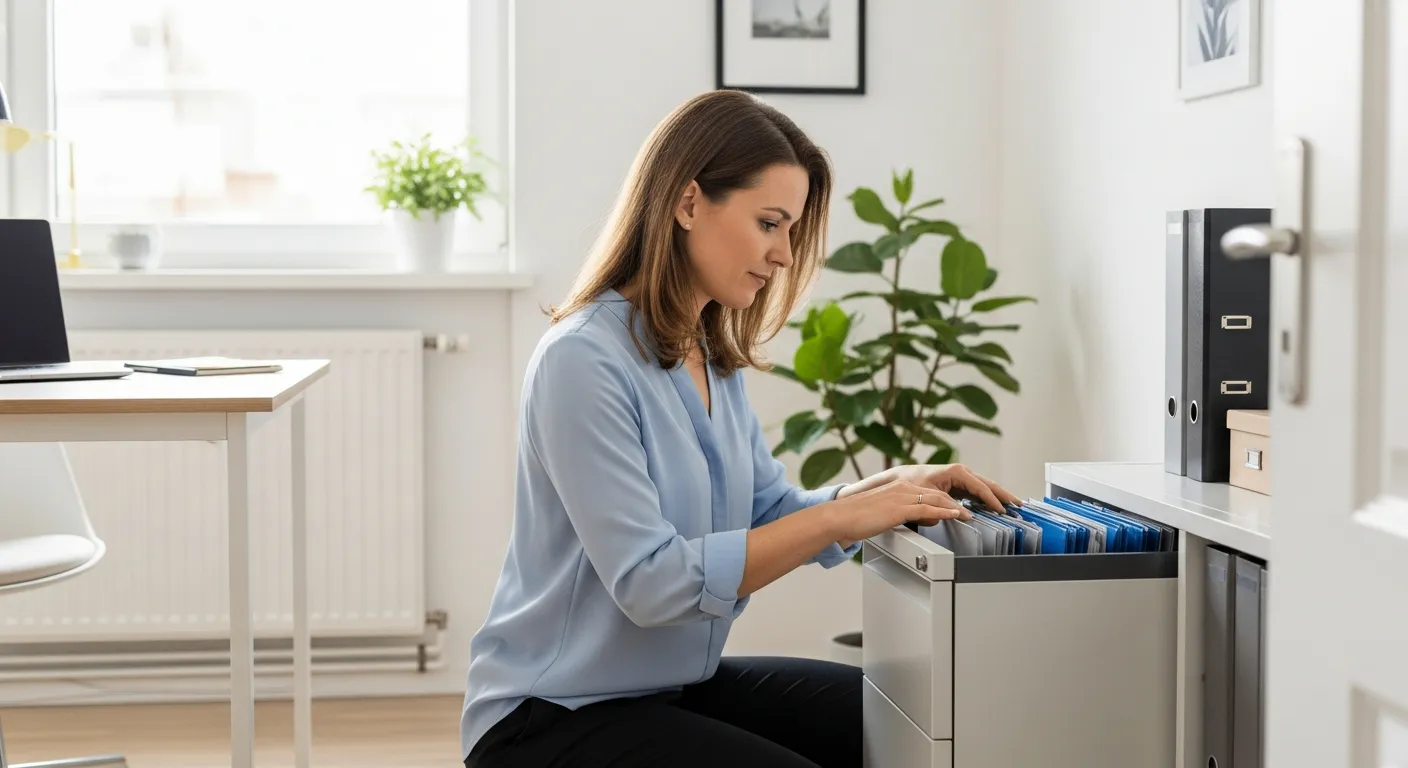
Once you have your small file cabinet for home office use, it’s time to organize your files for easy access. Start by sorting your documents into categories, such as financial records, client files, or personal documents.
Use file folders to keep your documents neat and organized, and label each folder clearly with the category name. Consider using color-coded file folders to further enhance organization and make it easier to locate specific files.
- Alphabetize your files within each category
- Use hanging file folders for frequently accessed documents
- Create a system for archiving old or inactive files
- Regularly purge unnecessary documents to prevent clutter
- Keep a file index or directory for quick reference
Regularly review and update your filing system to ensure it remains efficient and effective. A well-organized home office filing system can save you time and reduce stress when you need to find important documents.
Consider using a digital filing system in conjunction with your physical filing system. This can help you to reduce paper clutter and make it easier to find documents.
Think about creating a file naming convention that is consistent and easy to understand. This will make it easier to find files, even if you don’t remember the exact name.
Consider using a label maker to create professional-looking labels for your file folders. This can make your filing system look more organized and efficient.
Think about creating a system for shredding confidential documents that you no longer need. This can help you to protect your privacy and prevent identity theft.
Consider using a file cabinet organizer to keep your file folders upright and prevent them from falling over. This can make it easier to find and access your files.
Think about creating a system for backing up your digital files on a regular basis. This can help you to protect your data in case of a computer crash or other disaster.
Placement Tips for Small Office File Cabinets
The placement of your small office file cabinet can significantly impact the functionality and aesthetics of your home office. Position the file cabinet in a location that is easily accessible from your desk or work area.
Avoid placing it in high-traffic areas where it may obstruct movement or create a safety hazard. If you have limited floor space, consider placing the file cabinet under your desk or in a corner to maximize space utilization.
Make sure to leave enough clearance around the file cabinet to allow for easy opening and closing of the drawers. Consider the lighting in your home office when choosing a location for your file cabinet.
Avoid placing it in direct sunlight, which can fade or damage your documents over time. Strategic placement can make a small file cabinet for home office a seamless addition.
Consider the proximity of the file cabinet to other storage solutions in your home office. You want to create a cohesive and organized storage system.
Think about the visual impact of the file cabinet on your home office decor. You want it to complement your existing furniture and style.
Consider the ergonomics of the placement. You want to be able to easily reach the file cabinet without straining your back or neck.
Think about the possibility of needing to move the file cabinet in the future. Choose a location that is easily accessible and allows for easy movement.
Consider the noise level of the file cabinet when it is opened and closed. Avoid placing it in a location where the noise will be disruptive.
Think about the security of the location. Avoid placing the file cabinet in a location that is easily visible from outside the home.
Additional Features and Accessories
When selecting a small file cabinet for home office use, consider any additional features or accessories that may enhance its functionality. Some file cabinets come with built-in label holders, allowing you to easily identify the contents of each drawer.
Others have adjustable leveling feet to ensure stability on uneven surfaces. Look for file cabinets with a powder-coated finish, which is resistant to scratches and rust.
Consider adding accessories such as file dividers, hanging file frames, or drawer organizers to further customize your filing system. These accessories can help you maximize space and keep your files neatly organized.
Think about what accessories will best suit your needs. Home office filing can be greatly improved with the right accessories.
Consider file cabinets with anti-tip mechanisms. These prevent the cabinet from tipping over when multiple drawers are open.
Think about file cabinets with casters for easy mobility. This is especially useful if you plan to rearrange your office frequently.
Consider file cabinets with built-in cable management systems. This can help you to keep your cords and cables organized and out of the way.
Think about file cabinets with a built-in wastebasket. This can help you to keep your office clean and tidy.
Consider file cabinets with a built-in shelf or storage compartment. This can provide additional storage space for office supplies or other items.
Think about file cabinets with a built-in light. This can make it easier to see the contents of the drawers.
Maintenance and Care for Longevity
To ensure the longevity of your small file cabinet for home office use, it’s important to perform regular maintenance and care. Dust the file cabinet regularly with a soft cloth to prevent the buildup of dirt and grime.
For metal file cabinets, apply a thin coat of wax or polish to protect the finish and prevent rust. Wood file cabinets should be cleaned with a wood cleaner and polished to maintain their luster.
Avoid placing heavy objects on top of the file cabinet, as this can cause it to warp or become unstable. Check the drawer glides periodically and lubricate them if necessary to ensure smooth operation.
By following these simple maintenance tips, you can keep your file cabinet in good condition for years to come. Taking care of your small file cabinet for home office can ensure it lasts.
Avoid using harsh chemicals or abrasive cleaners on your file cabinet. These can damage the finish.
Protect your file cabinet from moisture. Water damage can cause rust or warping.
Avoid overloading the drawers. This can cause them to sag or break.
Regularly inspect the file cabinet for any signs of damage. Repair any damage promptly to prevent it from getting worse.
Consider using a furniture polish to protect the finish of your file cabinet. This can help to keep it looking new for longer.
Think about using a dehumidifier in your home office. This can help to prevent moisture damage to your file cabinet.
Conclusion
Selecting the right small file cabinet for your home office is an investment in organization, productivity, and peace of mind. By carefully assessing your filing needs, space constraints, and security requirements, you can choose a file cabinet that meets your specific needs and fits seamlessly into your workspace.
Remember to consider the type of file cabinet, material, drawer configuration, and additional features when making your decision. With the right small file cabinet for home office, you can create a functional and organized workspace that enhances your productivity and reduces stress.
Implementing a well-thought-out home office filing system is an important part of running a business. Use these tips to keep your documents safe and secure.
A compact file organizer will make your small space more functional. You can achieve a well-organized and efficient workspace with the right system.
Remember to regularly review and update your filing system to ensure that it continues to meet your needs. A dynamic system is more effective than a static one.
Don’t be afraid to experiment with different organizational methods to find what works best for you. Personalization is key to a successful filing system.
Consider the long-term benefits of investing in a high-quality file cabinet. A durable and well-designed cabinet will last for years to come.