

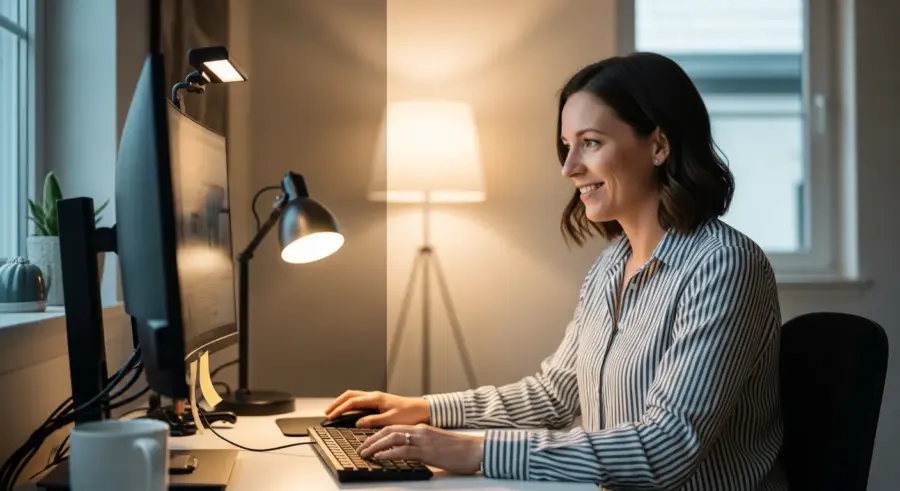
Creating an efficient and comfortable home office in a small space can be a challenge. One of the most overlooked, yet critical, aspects of a productive workspace is lighting. Effective lighting design can transform a cramped corner into an inviting and functional area, boosting both mood and concentration.
Poor lighting, on the other hand, can lead to eye strain, headaches, and a general feeling of fatigue, hindering productivity. By understanding and implementing a well-planned lighting strategy, you can make the most of your small space home office.
This article will guide you through the process of setting up lighting zones, ensuring that your workspace is not only functional but also aesthetically pleasing. We’ll cover the essentials of ambient, task, and accent lighting, showing you how to combine them for optimal results.
Understanding the Concept of Lighting Zones
The concept of lighting zones involves dividing your workspace into areas with specific lighting needs. Each zone is designed to serve a particular purpose, ensuring that you have the right amount of light where you need it most.
This approach is far more effective than relying on a single overhead light, which often creates harsh shadows and uneven illumination. By layering different types of light, you can create a balanced and comfortable environment that supports various tasks.
Ambient lighting provides the overall illumination for the room, setting the general mood and ensuring safe navigation. Task lighting focuses on specific areas where you perform detailed work, such as reading or writing.
Accent lighting adds visual interest and highlights particular features, such as artwork or plants, contributing to a more pleasant and stimulating workspace. When thoughtfully combined, these three types of lighting create a harmonious and functional environment.
Thinking about lighting zones allows you to be intentional about how you illuminate your space. It moves beyond simply having a light source and delves into the purpose of each light fixture.
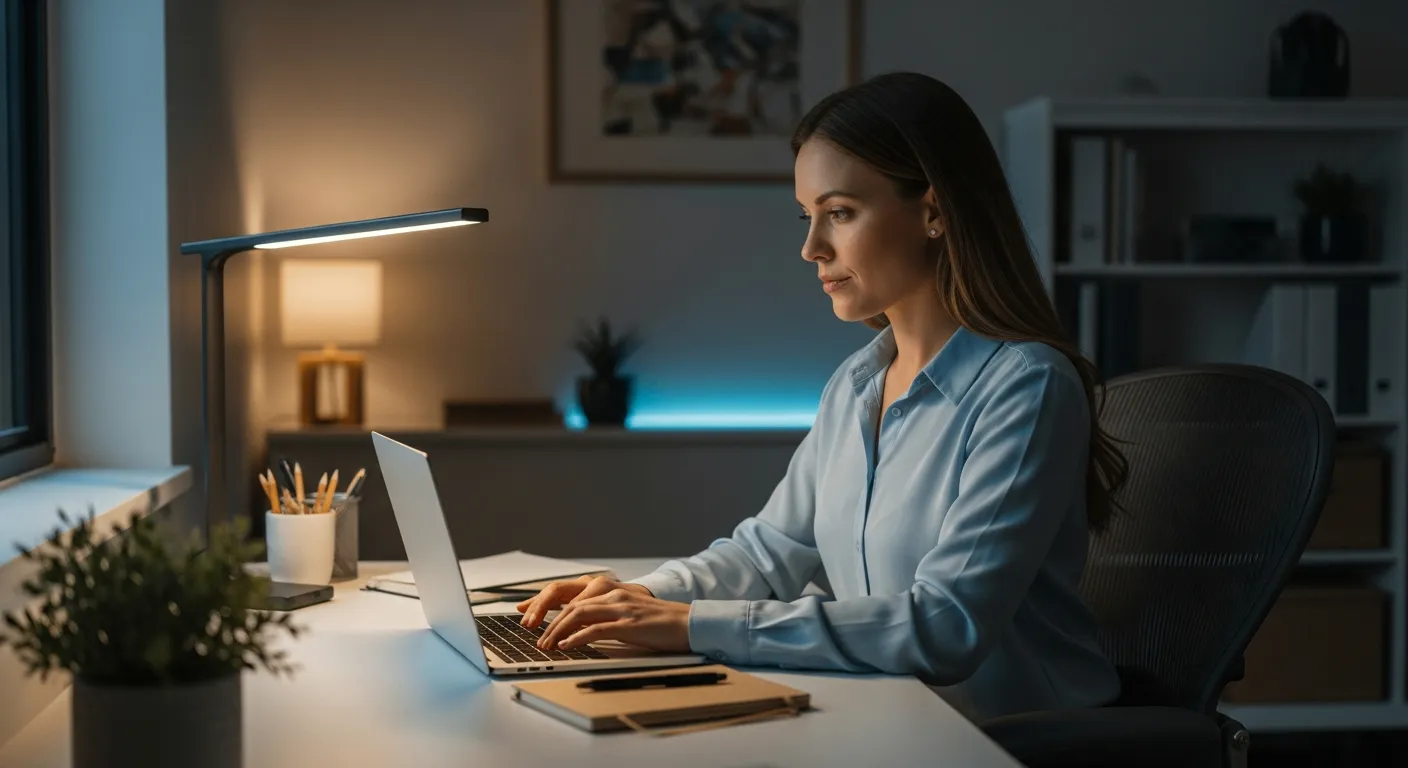
Consider a painter’s studio: ambient light provides overall visibility, a focused lamp illuminates the canvas, and a spotlight highlights a finished piece. This thoughtful arrangement is what lighting zones are all about.
In a small home office, this might translate to a dimmer overhead light, a desk lamp for reading documents, and a small light shining on a plant. Each element contributes to a cohesive and functional space.
The key is to consider your daily activities and how light can support them. Mapping out these zones beforehand will help you select the right fixtures and placements.
Don’t be afraid to experiment with different combinations to find what works best for you. The goal is to create a space that is both functional and aesthetically pleasing.
Ultimately, understanding lighting zones will empower you to design a workspace that enhances your productivity and well-being. It’s about creating an environment that supports your specific needs and preferences.
By carefully considering each zone, you can transform a small, potentially cramped space into a haven of focused productivity.
Ambient Lighting: Setting the Overall Mood
Ambient lighting, also known as general lighting, serves as the foundation for your entire lighting scheme. Its primary role is to provide a comfortable level of illumination throughout the room, making it easy to see and move around safely.
In a small space home office, the goal is to create a soft, even glow that minimizes shadows and glare. Harsh overhead lights can be particularly problematic in small spaces, making the area feel cramped and uncomfortable.
Instead, consider options like diffused overhead fixtures, wall sconces, or even strategically placed floor lamps. These alternatives can provide a more gentle and welcoming light, contributing to a more relaxed and productive atmosphere.
When selecting ambient lighting, pay attention to the color temperature of the bulbs. Warmer tones (2700-3000K) create a cozy and inviting atmosphere, while cooler tones (3500-4000K) provide a more energizing and focused environment.
Think of ambient lighting as the background music of your office. It should be subtle and supportive, not overpowering or distracting.
A good starting point is to consider the natural light available in your space. If you have large windows, you may need less artificial ambient light during the day.
However, if your office is in a basement or has limited natural light, you’ll need to rely more heavily on artificial sources. In this case, consider a combination of overhead and wall-mounted fixtures to create a balanced glow.
Dimmers are your best friend when it comes to ambient lighting. They allow you to adjust the intensity of the light to suit your mood and the time of day.
During the morning, you might prefer a brighter, more energizing light, while in the evening, you might want to dim the lights to create a more relaxed atmosphere.
Avoid using bare bulbs or fixtures that cast harsh shadows. Instead, opt for diffused light sources that spread the light evenly throughout the room.
Lamps with fabric shades or frosted glass globes are excellent choices for ambient lighting. They create a soft, inviting glow that is easy on the eyes.
Remember that the goal of ambient lighting is to create a comfortable and welcoming space. It should be the foundation upon which you build your other lighting zones.
By carefully considering your ambient lighting, you can create a home office that is both functional and aesthetically pleasing. This will contribute to a more productive and enjoyable work experience.
Task Lighting: Focusing on Specific Tasks
Task lighting is essential for any home office, especially in small spaces where you need focused illumination for specific activities. This type of lighting is designed to provide direct, bright light to the areas where you perform tasks like reading, writing, or working on a computer.
A well-chosen task light can significantly reduce eye strain and improve concentration, leading to increased productivity. Desk lamps are the most common and versatile option for task lighting in a home office.
| Type of Task Light | Pros | Cons |
|---|---|---|
| Desk Lamp | Adjustable, focused light, space-saving | Can take up desk space, may cause glare |
| Clamp-On Lamp | Versatile, easy to move, frees up desk space | May not be as stable, can damage surfaces |
| Floor Lamp | Provides broader illumination, stylish | Takes up floor space, less focused |
| Under-Cabinet Light | Great for shelves and storage areas, hidden | Limited to specific locations, may require installation |
When selecting a desk lamp, look for features like adjustable height and a flexible arm, which allow you to direct the light exactly where you need it. Consider LED bulbs, which are energy-efficient and provide a bright, consistent light without generating excessive heat.
The placement of your task light is crucial for optimal performance. Position it to the side of your dominant hand to avoid casting shadows on your work.
If you’re right-handed, place the lamp on the left side of your desk, and vice versa. This will ensure that the light shines directly on your work without obstructing your view.
Consider the type of work you’ll be doing under the task light. If you’re primarily working on a computer, you’ll want a light that minimizes glare on the screen.
A lamp with a shade that directs the light downwards can help to reduce glare. Alternatively, you can use a monitor with an anti-glare screen.
If you’re doing detailed work, such as drawing or crafting, you’ll need a brighter, more focused light. A magnifying lamp can be particularly helpful for these types of tasks.
Don’t be afraid to experiment with different types of task lights to find what works best for you. Try out different positions and angles to see how the light affects your vision and comfort.
Remember that the goal of task lighting is to provide focused illumination for specific activities. It should be bright enough to reduce eye strain but not so bright that it causes glare or discomfort.
By carefully selecting and positioning your task light, you can create a more productive and comfortable workspace. This will help you to stay focused and energized throughout the day.
Investing in a good quality task light is an investment in your well-being and productivity. It’s a small change that can make a big difference in your work life.
Accent Lighting: Adding Style and Interest
Accent lighting is often overlooked in home office setups, but it plays a crucial role in creating a visually appealing and stimulating workspace. This type of lighting is used to highlight specific objects or areas, adding depth and interest to the room.
In a small space, accent lighting can be particularly effective in drawing the eye and making the area feel more spacious and inviting. Consider using accent lights to showcase artwork, plants, or architectural features.
Small spotlights or track lighting can be used to highlight a gallery wall, while a strategically placed lamp can draw attention to a decorative object. The goal is to create visual focal points that break up the monotony and add personality to your workspace.
Color temperature is also important for accent lighting; warmer tones can create a cozy and inviting atmosphere, while cooler tones can add a touch of drama. Experiment with different types of fixtures and bulbs to find the perfect balance for your space.
Think of accent lighting as the jewelry of your office. It’s the finishing touch that adds sparkle and personality to the space.
One of the easiest ways to incorporate accent lighting is to use small spotlights to highlight artwork or photographs. This can create a gallery-like atmosphere and add visual interest to your walls.
Another option is to use a small lamp to highlight a plant or decorative object. This can draw attention to these items and add a touch of nature to your workspace.
Consider using colored bulbs in your accent lights to create a more dramatic effect. Warm-toned bulbs can create a cozy and inviting atmosphere, while cool-toned bulbs can add a touch of drama.
String lights are another fun and versatile way to add accent lighting to your home office. You can string them along a bookshelf, around a window, or even across your desk.
Be mindful of the intensity of your accent lights. You don’t want them to be so bright that they become distracting or overwhelming.
The goal of accent lighting is to add subtle touches of light that enhance the overall atmosphere of your workspace. It should be a complement to your ambient and task lighting, not a replacement for them.
By carefully considering your accent lighting, you can create a home office that is both functional and aesthetically pleasing. This will help you to feel more inspired and creative while you work.
Remember that accent lighting is all about adding personality and style to your space. Don’t be afraid to experiment and have fun with it!
Combining Different Lighting Zones
The key to effective lighting in a small space home office is to combine ambient, task, and accent lighting in a way that creates a balanced and harmonious environment. This layering approach ensures that you have adequate illumination for all your tasks while also creating a visually appealing and comfortable workspace.
Start by establishing a solid foundation with ambient lighting, providing a soft, overall glow that minimizes shadows. Then, add task lighting to focus on specific areas where you need bright, direct light for reading, writing, or computer work.
- Use dimmers to adjust the intensity of ambient lighting
- Position task lights to avoid glare on your computer screen
- Incorporate accent lights to highlight artwork or plants
- Choose bulbs with similar color temperatures for a cohesive look
- Experiment with different lighting arrangements to find what works best for you
Finally, incorporate accent lighting to add visual interest and highlight specific features, creating a more engaging and stimulating workspace. By carefully layering these three types of lighting, you can transform your small space home office into a functional and aesthetically pleasing area that supports your productivity and well-being.
The art of combining lighting zones lies in creating a seamless and balanced effect. Each zone should complement the others, working together to create a cohesive whole.
Imagine a symphony orchestra: each instrument plays its part, but they all work together to create a beautiful and harmonious sound. The same is true of lighting zones.
Start by considering the overall layout of your office. Where do you spend most of your time? What tasks do you perform in each area?
This will help you to determine the appropriate type and intensity of lighting for each zone. For example, you might need brighter task lighting in your work area and softer ambient lighting in your reading nook.
Pay attention to the color temperature of your bulbs. Using bulbs with similar color temperatures can help to create a more cohesive look.
Warmer tones (2700-3000K) are best for creating a cozy and inviting atmosphere, while cooler tones (3500-4000K) are better for promoting focus and concentration.
Use dimmers to adjust the intensity of your lights. This will allow you to create the perfect level of illumination for any activity.
Experiment with different lighting arrangements to find what works best for you. There’s no one-size-fits-all solution when it comes to lighting.
Don’t be afraid to try new things and see what you like. The most important thing is to create a space that is both functional and aesthetically pleasing.
By carefully combining your lighting zones, you can transform your small space home office into a haven of productivity and creativity. This will help you to feel more comfortable and inspired while you work.
Controlling Your Lighting Zones with Smart Technology
Smart lighting technology offers a convenient and efficient way to control your lighting zones, allowing you to adjust the brightness and color temperature of your lights with ease. This can be particularly useful in a small space home office, where you may want to adjust the lighting throughout the day to suit different tasks and moods.
Smart bulbs can be controlled via smartphone apps or voice assistants, giving you the ability to create custom lighting scenes and schedules. For example, you might set up a “focus” scene with bright, cool task lighting for concentrated work, and a “relax” scene with warm, dimmed ambient lighting for breaks.
Smart dimmers can also be used to adjust the intensity of your lights, allowing you to create the perfect level of illumination for any activity. Some smart lighting systems even offer color-changing capabilities, allowing you to experiment with different hues to create a more personalized and inspiring workspace.
Investing in smart lighting technology can not only enhance the functionality and aesthetics of your home office but also contribute to energy savings. Many smart bulbs are energy-efficient and can be programmed to turn off automatically when you leave the room, reducing your electricity consumption and lowering your energy bills.
Smart technology allows for a level of customization that was previously unimaginable. You can tailor your lighting to your exact needs and preferences.
Imagine waking up in the morning and having your lights gradually brighten to mimic the sunrise. This can help to wake you up more naturally and improve your mood.
Or, imagine being able to control your lights from your phone, even when you’re not at home. This can be useful for security purposes or for creating the illusion that someone is home when you’re away.
Smart lighting systems can also be integrated with other smart home devices, such as thermostats and security systems. This allows you to create a truly automated home environment.
For example, you could set your lights to automatically dim when you turn on your television, creating a more immersive viewing experience.
The possibilities are endless when it comes to smart lighting technology. It’s a powerful tool that can help you to create a more comfortable, convenient, and energy-efficient home office.
However, it’s important to choose a smart lighting system that is compatible with your existing devices and that meets your specific needs. Do some research and read reviews before making a purchase.
Once you have your smart lighting system set up, take some time to experiment with different settings and create custom lighting scenes. This will help you to find the perfect lighting for every activity.
Smart technology can truly revolutionize the way you light your home office. It’s a worthwhile investment that can improve your productivity, comfort, and well-being.
The Importance of Natural Light
While artificial lighting is essential for creating a functional workspace, natural light should not be overlooked. Exposure to natural light has been shown to improve mood, increase energy levels, and enhance overall well-being.
Whenever possible, position your desk near a window to take advantage of natural light. If your window faces east, you’ll get plenty of bright morning light, while a west-facing window will provide warm afternoon sunshine.
However, be mindful of glare, which can be a problem when working on a computer. Use blinds or curtains to control the amount of light entering the room, and consider using a monitor with an anti-glare screen.
Even on cloudy days, natural light can provide a more pleasant and energizing alternative to artificial lighting. Take regular breaks to step away from your desk and soak up some sunlight, which can help to combat fatigue and improve focus.
Natural light is not just about illumination; it’s about overall health and well-being. Studies have shown that exposure to natural light can improve sleep quality, reduce stress levels, and boost the immune system.
When designing your home office, prioritize access to natural light. If possible, choose a room with large windows or a skylight.
If you don’t have access to a lot of natural light, try to supplement it with artificial light sources that mimic natural light. Full-spectrum bulbs can be a good option.
Be mindful of the direction of the sunlight. Direct sunlight can be too harsh and cause glare on your computer screen.
Use blinds, curtains, or shades to control the amount of light entering the room. You can also use plants to filter the sunlight and create a more diffused effect.
Take advantage of natural light whenever possible. Open your blinds or curtains during the day and let the sunshine in.
Even on cloudy days, natural light can be beneficial. It’s a much better option than relying solely on artificial light.
Make sure to take regular breaks to step away from your desk and soak up some sunlight. This can help to improve your mood and energy levels.
Natural light is a valuable resource that can enhance your productivity and well-being. Make the most of it in your home office.
Ergonomics and Lighting
Proper lighting is an integral part of an ergonomic workspace. Poor lighting can lead to eye strain, headaches, and neck pain, all of which can negatively impact your productivity and comfort.
Ensure that your task lighting is positioned correctly to minimize glare and shadows. The light source should be placed to the side of your dominant hand to avoid casting a shadow on your work surface.
Adjust the height and angle of your monitor to reduce eye strain, and consider using blue light filters to minimize the harmful effects of screen exposure. Take regular breaks to rest your eyes and stretch your neck and shoulders.
By paying attention to both lighting and ergonomics, you can create a workspace that supports your physical and mental well-being. A comfortable and well-lit workspace will not only enhance your productivity but also improve your overall quality of life.
Ergonomics is about creating a workspace that is designed to fit your body and your needs. This includes everything from your chair and desk to your keyboard and mouse.
Lighting is an often-overlooked aspect of ergonomics, but it’s just as important as the other elements. Poor lighting can lead to a variety of health problems, including eye strain, headaches, and neck pain.
Make sure that your lighting is adequate for the tasks you’re performing. You should have enough light to see clearly without straining your eyes.
Position your light sources to minimize glare and shadows. Glare can be particularly problematic when working on a computer.
Adjust the height and angle of your monitor to reduce eye strain. Your monitor should be at arm’s length and slightly below eye level.
Consider using blue light filters to minimize the harmful effects of screen exposure. Blue light can interfere with sleep and cause eye strain.
Take regular breaks to rest your eyes and stretch your neck and shoulders. This can help to prevent eye strain and other health problems.
By paying attention to both lighting and ergonomics, you can create a workspace that is both comfortable and productive. This will help you to stay healthy and focused while you work.
Remember that ergonomics is an ongoing process. You should regularly assess your workspace and make adjustments as needed.
Conclusion
Setting up lighting zones in your small space home office is a worthwhile investment that can significantly impact your productivity, comfort, and overall well-being. By understanding the principles of ambient, task, and accent lighting, you can create a balanced and harmonious environment that supports your work activities.
Experiment with different lighting arrangements, color temperatures, and smart technology to find the perfect combination for your space. Don’t forget to maximize natural light whenever possible, and prioritize ergonomics to minimize eye strain and discomfort.
Creating the perfect lighting scheme for your home office is an ongoing process. Don’t be afraid to experiment and make adjustments as needed.
Pay attention to how the lighting affects your mood and productivity. If you’re feeling tired or stressed, try adjusting the lighting to see if it helps.
Remember that the goal is to create a space that is both functional and aesthetically pleasing. You should enjoy spending time in your home office.
By following the tips in this article, you can create a lighting scheme that will enhance your productivity, comfort, and well-being. This will help you to be more successful and enjoy your work more.
So, take some time to assess your current lighting situation and make a plan for improvement. It’s an investment that will pay off in the long run.
A well-lit home office is a happy home office. And a happy home office is a productive home office.
Start today and transform your small space home office into a haven of productivity and creativity.
You deserve a workspace that supports your success and well-being. Make it happen!


