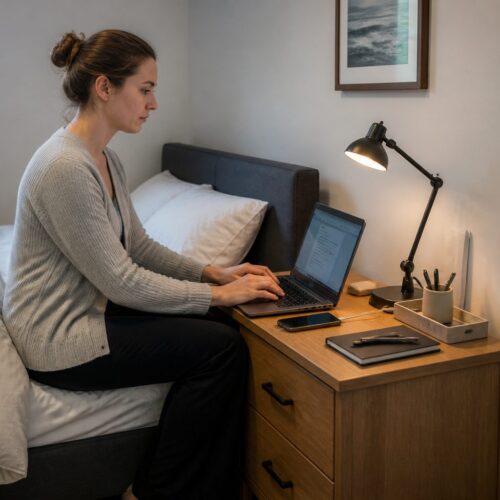


In small home offices, utilizing every inch of space is essential for maximizing productivity and creating a conducive work environment. One often overlooked area is the corner, which can be transformed into a functional workspace with the right setup and thoughtful design choices that cater to both aesthetics and functionality.
Corners are typically ignored as they are not the most convenient spots for traditional furniture arrangements and layouts. However, with floating corner shelves, you can create a stylish and efficient corner shelf workspace that enhances your productivity while making the most of your limited square footage.
In this article, we will explore various aspects of setting up floating corner shelves in small home offices, emphasizing their practical benefits and visual appeal. From structural requirements to styling tips, we’ll cover everything you need to know to make the most of your corner space, ensuring that it contributes positively to your overall working experience.
Why Corners Are the Most Underused Space in Small Offices
Corners are often neglected in small office designs, primarily due to the challenge of fitting traditional furniture, which is typically designed for more open spaces. This underutilization results in wasted space that could otherwise serve a functional purpose, leading to a less organized and less efficient work environment.
Many people default to placing desks against walls, leaving corners empty and unused, which can contribute to a cluttered and disorganized appearance. By incorporating floating corner shelves, you can turn these overlooked areas into valuable storage and workspace that enhances both functionality and style in your office.
Floating corner shelves can help maximize vertical storage, which is crucial in a compact environment where every inch counts. They allow you to keep essential items within reach while freeing up floor space for other office needs, thus creating a more open and inviting atmosphere.
Moreover, corners can provide a unique aesthetic appeal when designed thoughtfully and creatively, allowing you to make a statement in your office space. By using corner shelves strategically, you not only enhance functionality but also add character to your office, making it a place where you enjoy spending time.
Investing in floating corner shelves can transform your office layout, making it more efficient and welcoming, which is essential for maintaining high levels of productivity. This simple change can elevate your working experience significantly, providing both practical storage solutions and enhancing the overall look of your office.
Structural Requirements for Floating Corner Shelves
Before installing floating corner shelves, it’s essential to consider the structural requirements of your walls and the materials you will be using. A solid wall is necessary to support the weight of the shelves and the items you intend to place on them, ensuring both durability and stability over time.
Check for any electrical wiring or plumbing in the walls to avoid potential hazards during installation, as drilling into hidden pipes or wires can lead to costly repairs. Additionally, ensure that the brackets used for mounting the shelves are strong enough to hold the shelves securely, providing peace of mind regarding safety and functionality.
Most floating corner shelves require anchoring into wall studs for optimal support, which offers a much more reliable installation than relying solely on drywall. If the studs are not available in your desired location, heavy-duty wall anchors can provide an alternative solution that can still support considerable weight.
Choosing the right size and thickness for your shelves is also crucial for maintaining structural integrity, as thinner shelves may not hold heavy items well over time. Thicker shelves can hold more weight and are less likely to sag, which is particularly important when displaying heavier objects like books or office supplies.
Lastly, consider the overall design of your corner shelf setup to maintain a balanced and visually appealing look within your office space. This includes ensuring that the shelves align correctly with your existing furniture and do not obstruct movement or accessibility in your workspace.
Weight Limits and What You Can Store Safely on Floating Shelves
Understanding weight limits is critical for safety when using floating corner shelves, as exceeding these limits can lead to structural failure. Most floating shelves can safely hold between 15 to 50 pounds, depending on the materials and installation method, which means careful consideration is needed when deciding what to place on them.
To ensure the longevity of your shelves, it’s essential to know what items are safe to store, as overloading them can compromise their integrity. Items like books, plants, and decorative objects generally work well on floating shelves, provided they stay within the recommended weight limits.
| Item Type | Recommended Weight | Notes |
|---|---|---|
| Books | Up to 30 lbs | Stack smaller books vertically to save space |
| Plants | Up to 15 lbs | Choose lightweight pots and monitor soil moisture |
| Decorative Objects | Up to 20 lbs | Use various sizes for visual interest and balance |
| Office Supplies | Up to 25 lbs | Keep frequently used items accessible for efficiency |
Be cautious not to overload the shelves, as this can lead to structural failure and potential damage to your walls. Regularly check the stability of the shelves and adjust your storage as necessary to maintain a safe and organized workspace.
Using a Corner Shelf as a Secondary Monitor or Reference Station
A floating corner shelf can become an excellent secondary monitor or reference station, allowing for more efficient use of your workspace. This setup allows you to free up desk space while keeping your main monitor at eye level, ultimately improving your overall productivity.
By placing a secondary monitor on a corner shelf, you can create an efficient dual-monitor setup that is particularly beneficial for multitasking and managing various projects simultaneously. This not only enhances productivity but also improves ergonomics, as it helps reduce neck strain by promoting better posture while you work.
Make sure the corner shelf is at an appropriate height to ensure comfortable viewing angles, as an improperly positioned monitor can lead to discomfort. Additionally, consider using cable management solutions to keep your workspace organized and free from clutter, which can help maintain focus and efficiency.
Using the corner shelf for reference materials is another smart approach that can enhance your workflow. Keep essential documents or books within reach, allowing you to reference them easily while working, which can save time and keep you focused on your tasks.
With the right setup, a corner shelf can significantly enhance your workflow and the overall functionality of your office. It’s all about maximizing your space efficiently and ergonomically to create an environment conducive to productivity and creativity.
Material Choices: Wood, Metal and Composite Floating Shelves
Choosing the right material for your floating corner shelves is crucial for both aesthetics and functionality, as different materials offer unique benefits. Wood offers a classic look and durability, making it a popular choice for home office setups, particularly in spaces that emphasize warmth and natural elements.
Metal shelves provide a modern and industrial feel, perfect for minimalist designs that seek to make a bold statement. They are often lightweight yet strong, making them suitable for various items and ensuring that they can handle the weight without compromising style.
Composite materials can also be a cost-effective option, offering a variety of finishes that mimic wood or metal while being more affordable. They are usually lighter and easier to install than traditional materials, making them ideal for rental homes where installation flexibility is key.
When selecting materials, consider the overall design of your office space and how the shelves will fit into the existing decor. The right choice can enhance both functionality and visual appeal, ensuring that your corner shelves serve their purpose while also contributing to the overall aesthetic of the room.
Ultimately, the material you choose should align with your personal style, the intended use of the shelves, and the overall design scheme of your home office. This consideration will lead to a cohesive and effective workspace that reflects your personality while providing practical storage solutions.
Installing Corner Shelves Without Stud Finders in Rental Homes
Installing floating corner shelves in rental homes can be challenging, especially without a stud finder to locate the best mounting points. However, there are effective methods to securely mount your shelves without damaging the walls or risking the integrity of your lease agreement.
One option is to use adhesive wall anchors, which can provide a strong hold without needing to drill into studs or create unsightly holes. These anchors can support a significant amount of weight, making them suitable for many floating shelf installations, especially for decorative and lightweight items.
- Adhesive wall anchors for lightweight shelving
- Toggle bolts for heavier loads and more secure installations
- Command strips for lightweight items and easy removal
- Self-adhesive shelf brackets that require no drilling
- Wall-mounted shelf brackets for added support when needed
Always check the weight capacity of your chosen mounting method to ensure that it is appropriate for the items you intend to store. This will ensure your floating corner shelves are safe and stable for long-term use, providing a reliable solution for your storage needs.
Combining Corner Shelves With a Primary Desk for L-Shaped Layouts
Combining floating corner shelves with a primary desk can create an L-shaped layout that maximizes your workspace effectively. This design encourages a more efficient flow, allowing you to access tools and materials easily while keeping everything organized and within reach.
When designing your L-shaped layout, consider the height and depth of your corner shelves to ensure they work harmoniously with your desk. Ideally, they should complement your desk height while providing ample storage space above to keep your workspace clutter-free.
Incorporating floating shelves above your desk can also enhance the visual appeal of your office, creating a cohesive look that ties the entire workspace together. This combination allows you to showcase decorative items while also keeping essential supplies easily accessible, promoting both functionality and style.
Make sure to leave enough space between the desk and the corner shelves for comfortable movement and accessibility. This will prevent any clutter and make your workspace feel more open, contributing to a more pleasant working environment.
Ultimately, an L-shaped layout with floating corner shelves offers both functionality and style, making it an ideal solution for small home offices needing effective use of space. By thoughtfully designing your layout, you can create a workspace that is both practical and inspiring.
Styling Corner Shelf Setups to Balance Work and Decor
Styling your corner shelf setups can significantly impact the overall feel of your workspace, as a well-decorated corner shelf can inspire creativity while maintaining professionalism. Balancing your personal style with functional design will create an inviting atmosphere that encourages productivity and focus.
Incorporate personal items like photos or artwork to add a touch of personality to your corner shelf workspace, making it uniquely yours. Balancing these personal touches with functional items, such as office supplies or books, will create a harmonious environment that supports your work needs.
Use a mix of decorative and practical storage solutions to keep your shelves organized, ensuring that everything has its place. For example, stack books on one shelf while displaying a plant or a unique piece of art on another to create visual interest and keep your workspace lively.
Consider the color scheme of your office when styling your corner shelves, as this will ensure that your decor complements the overall aesthetic of your workspace. A cohesive color palette can enhance the visual appeal of your office, making it a more enjoyable place to work.
Ultimately, the goal is to create a corner shelf setup that reflects your personality while remaining functional and organized. This balance will enhance both your productivity and enjoyment in your small office, making it a place you look forward to working in each day.
Maximizing Depth: How Wide Should Your Corner Shelf Be
The width of your corner shelf is crucial for maximizing its functionality and ensuring that it meets your storage needs. Ideally, corner shelves should be deep enough to accommodate various items while still fitting comfortably within the space without feeling cramped.
A depth of 12 to 16 inches is generally recommended for floating corner shelves, as this depth offers enough space for books, decor, and other essentials without overwhelming the corner area. Ensuring that your shelves are adequately deep can help facilitate organization and prevent clutter from accumulating.
Consider the layout of your office when determining shelf width, as this will influence how your shelves fit into the overall design. Too wide of a shelf can impede movement and create a cramped feeling, while too narrow may not provide adequate storage for your items.
Measuring the available corner space accurately before purchasing or building shelves is essential to achieving a perfect fit and maximizing functionality. This careful planning will help ensure that your floating corner shelves serve their intended purpose without detracting from the visual appeal of your office.
Ultimately, the right width and depth for your corner shelves can enhance functionality and style in your home office significantly. Thoughtful planning and consideration will lead to a successful corner shelf setup that meets all your needs, making your workspace more organized and attractive.