
Creating a small home office can be an exciting yet challenging task, especially when it comes to maintaining a productive environment that fosters creativity and focus. One critical aspect often overlooked in the design and functionality of such spaces is acoustic control, which plays a vital role in enhancing concentration and minimizing distractions that can disrupt workflow and mental clarity.
In a compact workspace, sound can easily bounce off walls and hard surfaces, creating a cacophony that disrupts concentration and leads to frustration. Understanding how sound travels within your office and implementing effective solutions can transform your home office into a serene haven for productivity, allowing you to work more efficiently and with greater peace of mind.
This guide will explore essential acoustic strategies for small home offices, focusing on practical solutions that don’t compromise on style or aesthetics. We’ll cover everything from soundproofing methods to furniture choices and DIY projects, ensuring your workspace remains functional, aesthetically pleasing, and conducive to high levels of productivity and creativity.
Why Acoustic Control Matters in a Small Home Office
Acoustic control is absolutely crucial in small home offices due to the limited space that amplifies sound and makes it more challenging to concentrate. Excess noise can lead to distractions, which reduces productivity and increases stress levels, making it difficult to focus on tasks and achieve goals.
With many people now working remotely or in hybrid setups, the need for a quiet workspace has never been more apparent or essential for mental well-being. Acoustic panels can significantly enhance the sound quality in your home office by absorbing unwanted noise and creating a more tranquil atmosphere that supports concentration.
Moreover, a well-soundproofed office can contribute to improved mental clarity and focus, allowing you to engage more deeply in your work and think creatively. By investing in acoustic control, you create an environment that is conducive to creativity, efficiency, and productive work sessions that flow smoothly without disruption.
Understanding the importance of sound management and its impact on your work can lead to better design choices and thoughtful decisions regarding your office layout. This awareness encourages you to incorporate elements that promote tranquility and minimize auditory interruptions, making your workspace a peaceful haven.
Ultimately, the goal is to create a workspace that feels comfortable, inspiring, and tailored to your personal needs and preferences. Prioritizing acoustic control is a significant step toward achieving that ideal environment where you can thrive creatively and be productive without unnecessary distractions.
How Sound Travels in Small Rooms and What You Can Do
Sound travels through air as waves, bouncing off hard surfaces and creating echoes in compact spaces that can quickly become overwhelming. In small rooms, even minor sounds can become amplified, leading to an auditory experience that can be distracting and counterproductive to your work efforts.
To combat this issue, it’s essential to understand the principles of sound absorption and reflection, which can help you better manage noise in your workspace. Implementing soundproofing techniques and strategies can significantly help in reducing noise levels and improving overall acoustics, allowing you to work more effectively.
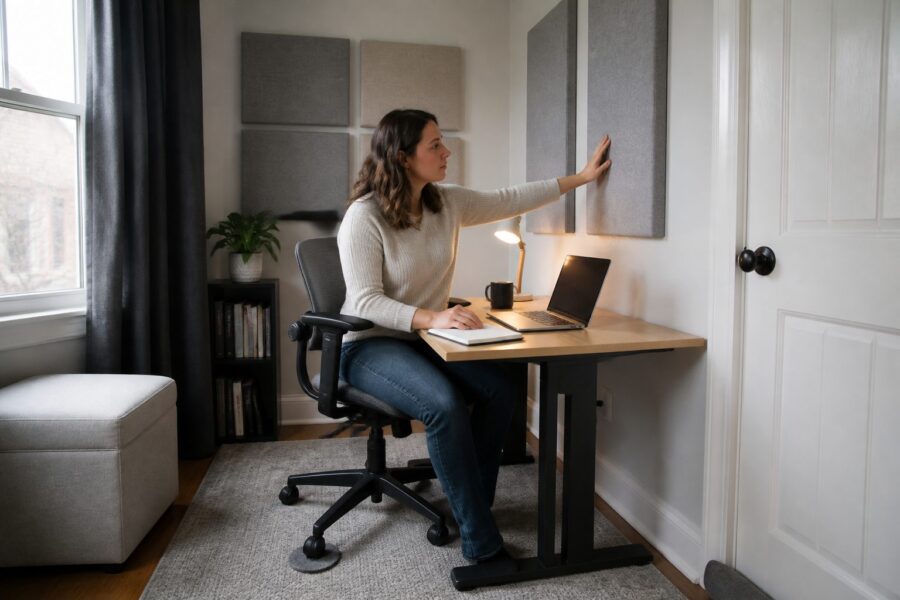
One effective method to reduce noise is to use acoustic panels that are specifically designed to absorb sound waves, preventing them from bouncing off walls and creating echoes. These panels come in various materials and designs, allowing for customization based on your office’s aesthetic while effectively managing sound interference.
Another strategy to consider is to arrange furniture strategically to disrupt sound paths, which can help in minimizing noise travel throughout the space. Consider placing bookshelves or large plants strategically in your office to break up sound waves and create a more peaceful working environment, enhancing your focus.
Lastly, soft furnishings such as rugs, carpets, and curtains can also absorb sound and contribute to a quieter workspace that feels more inviting and comfortable. Experimenting with different arrangements and materials in your office can lead you to discover the most effective solutions for your small office, allowing for a harmonious balance of sound and style.
Types of Acoustic Panels: Materials, Sizes and Placement
Acoustic panels come in a wide variety of materials, including foam, fabric, wood, and mineral wool, each offering unique sound absorption properties that can suit different needs. Choosing the right material depends on your specific requirements, the design of your office space, and the overall aesthetic you wish to achieve.
Common sizes for acoustic panels range from small squares to larger rectangles, allowing for flexibility in placement and integration into your workspace. Consider the dimensions of your office space when selecting panel sizes to ensure they fit seamlessly into your design and effectively address your acoustic needs.
| Material | Noise Reduction Coefficient (NRC) | Best Use |
|---|---|---|
| Foam | 0.80 | Small offices |
| Fabric | 0.70 | Conference rooms |
| Wood | 0.60 | Creative spaces |
| Mineral Wool | 0.90 | Recording studios |
Placement of acoustic panels is crucial for maximizing their effectiveness in sound absorption and noise reduction. Consider positioning them on walls opposite sound sources or in areas where sound waves tend to converge, ensuring that you create the most effective acoustic environment possible.
Incorporating both wall-mounted and ceiling panels can provide comprehensive coverage and enhance the overall sound quality in your workspace. Don’t hesitate to mix and match materials and designs to create an engaging visual and auditory experience that reflects your personal style and preferences.
Furniture That Absorbs Sound Without Adding Bulk
Acoustic furniture can play a vital role in creating a sound-friendly environment in your small office while maintaining a sleek and modern appearance. Choosing the right pieces can help reduce noise levels and enhance the overall ambiance of your workspace, making it more conducive to focused work.
Look for desks and chairs that are upholstered in sound-absorbing materials, which can significantly minimize echoes and create a more tranquil environment. Additionally, bookshelves filled with books can serve a dual purpose by acting as both storage and a sound buffer that absorbs and diffuses noise effectively.
Another excellent option to enhance acoustic performance in your workspace is to choose furniture designs that integrate acoustic panels directly into their structure. These pieces can blend seamlessly into your workspace while providing essential noise reduction without compromising on style or functionality.
Opt for rugs and soft textiles strategically placed throughout your office to further enhance sound absorption without taking up much space. Carefully chosen furniture can contribute to a harmonious balance between functionality and soundproofing, creating an inviting atmosphere where you can thrive.
Finally, consider using plants as natural sound absorbers in your workspace. They not only beautify your space with their greenery and freshness but also help in reducing noise levels, creating a more serene and productive environment in your home office.
DIY Acoustic Solutions for Budget-Conscious Home Workers
For those on a budget, several DIY acoustic solutions can effectively reduce noise without breaking the bank, allowing you to enhance your workspace without significant investment. Simple projects can make a substantial impact on your home office’s overall sound quality and create a more pleasant working environment.
One popular method is to create your own acoustic panels using affordable materials such as fabric and insulation, which allows for customization in design and color to match your office decor. This approach enables you to tailor the look and functionality of the panels to your specific aesthetic preferences while achieving effective sound absorption.
- Fabric-wrapped foam boards that can be hung on walls
- Hanging curtains or drapes to absorb sound
- Soft wall art made from acoustic materials
- Recycled textiles repurposed as wall coverings
- DIY bookshelf with added insulation for sound dampening
Additionally, repurposing furniture you already own can be an economical way to enhance sound absorption in your office. Adding plush cushions or throws to chairs can also contribute to a quieter environment, making your workspace feel more comfortable and inviting.
Exploring thrift stores for second-hand textiles and furniture can provide unique options for your soundproofing projects, allowing you to find special items that fit your vision. With a little creativity and resourcefulness, you can achieve an effective soundproofing setup in your small office without significant costs or sacrifices.
Combining Aesthetics and Acoustics in a Small Space
Creating a visually appealing workspace while ensuring effective acoustics is entirely feasible and achievable with thoughtful planning and design. With careful selection of colors, materials, and designs, you can achieve both functionality and beauty in your small office, resulting in a space that inspires creativity and productivity.
Acoustic panels come in various designs, allowing them to blend seamlessly with your decor and enhance the overall visual appeal of your workspace. Choosing colors that complement your existing palette can enhance both the look and sound quality of your office, making it a space where you enjoy spending time.
Additionally, decorative acoustic tiles can serve as art pieces while providing noise reduction, effectively merging aesthetics with functionality. This dual-purpose approach allows for creativity in your design choices without sacrificing sound control, ensuring a balanced atmosphere.
Incorporating plants and artwork can also contribute to a calming atmosphere that is both visually appealing and promotes tranquility. These elements enhance the visual appeal of your workspace while aiding in noise absorption, creating a more serene environment conducive to focused work.
Ultimately, a thoughtfully designed space can foster creativity, productivity, and overall well-being in your work life. By combining aesthetics with acoustics, you can create a small home office that inspires you every day, making it a place where you look forward to working.
Where to Place Panels for Maximum Noise Reduction
Strategic placement of acoustic panels is essential for maximizing their effectiveness in noise reduction and sound management within your office. Identify the areas in your small office where sound tends to bounce the most and where echoes are likely to occur, as these are prime spots for panel installation.
Generally, placing panels on walls opposite windows and doors can significantly reduce sound reflections and create a more controlled auditory environment. Additionally, don’t forget to consider the ceiling as a vital area for installation, as it often contributes to overall noise levels and can enhance the effectiveness of your soundproofing efforts.
Experimenting with different arrangements of your acoustic panels can help you discover the most effective setup for your unique needs and space. Remember to focus on high-traffic areas where sound is likely to be most disruptive, allowing you to create a more harmonious work atmosphere.
Furthermore, grouping panels in clusters can enhance their sound absorption capabilities and create a more cohesive look in your office. This method can effectively manage noise levels while also providing an aesthetically pleasing arrangement that complements your design vision.
Lastly, monitor the results after installation to ensure your efforts have led to the desired reduction in noise levels. Adjustments may be necessary to achieve optimal acoustic performance, and being open to fine-tuning your setup can lead to a more pleasant work environment.
Measuring Noise Levels Before and After Installation
Before embarking on your soundproofing journey, it’s essential to measure the existing noise levels in your home office to establish a baseline. This baseline data will help you assess the effectiveness of your acoustic improvements and determine the success of your soundproofing efforts over time.
Using a sound level meter or a smartphone app designed for this purpose can provide accurate measurements of ambient noise levels in your workspace. Documenting these levels will allow you to compare them against post-installation results, giving you a clear picture of your progress.
After installing acoustic panels and other soundproofing solutions, it’s crucial to perform the same measurements again to see the impact of your efforts. The difference in noise levels will indicate the success of your interventions and help you understand the effectiveness of your acoustic strategies.
If noise levels have not decreased as expected, consider adjusting the placement of your panels or adding additional sound-absorbing elements to enhance the overall effectiveness of your setup. Continuous measurement will help you refine your soundproofing strategy for optimal performance, ensuring that your workspace remains conducive to productivity.
Ultimately, tracking your noise reduction progress will provide valuable insights into your home office’s acoustics, allowing you to make informed decisions about future improvements. This informed approach will help you create a more peaceful and productive workspace that supports your work and creative endeavors.
Common Mistakes When Soundproofing a Compact Office
Soundproofing a compact office can be challenging, and there are several common mistakes that can hinder your efforts to create an effective and quiet workspace. One major error is neglecting to address the ceiling and floor, which are significant contributors to noise levels and can greatly impact the overall acoustic quality of your office.
Another mistake is using too few acoustic panels, as insufficient coverage can lead to minimal noise reduction and diminish the effectiveness of your soundproofing efforts. Additionally, overlooking the importance of furniture choices can also impact the overall effectiveness of your soundproofing strategy and contribute to an environment that is less conducive to focus.
Failing to measure noise levels before and after installation can leave you unaware of your progress and whether your efforts are achieving the desired results. This oversight can result in unnecessary expenses and ineffective solutions that do not improve your workspace’s overall acoustics.
Lastly, not considering the aesthetic aspect of soundproofing can lead to a workspace that feels uninspired and uninviting. Balancing acoustic control with visual appeal is essential for creating a motivating environment that enhances your desire to work and be productive.
By avoiding these common pitfalls, you can enhance your small home office’s acoustics effectively and create a space that is both functional and enjoyable. A well-planned approach will lead to a more productive and enjoyable workspace that supports your professional and creative endeavors.