

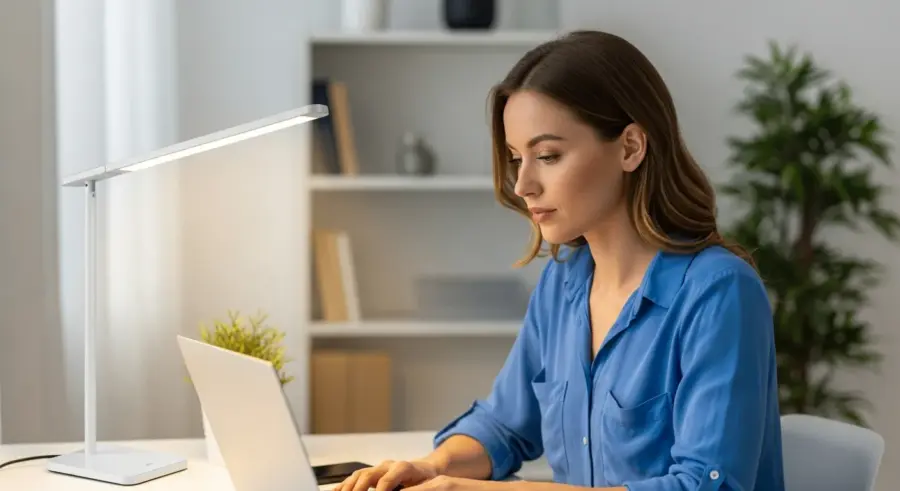
Creating the ideal home office in a small space requires careful planning, especially when it comes to lighting. The right lighting can transform a cramped area into a productive and comfortable workspace.
Poor lighting can lead to eye strain, headaches, and reduced focus, making it essential to choose your lighting solutions wisely. This guide will help you navigate the world of task lighting types and discover how to optimize your small home office.
We’ll explore various options, from desk lamps to under-cabinet lights, and discuss how to combine task lighting with ambient lighting for a balanced and effective setup. By understanding the different types and their benefits, you can create a workspace that enhances both your productivity and well-being.
Understanding the Different Types of Task Lighting
Task lighting is specifically designed to illuminate a particular area where you perform tasks, such as reading, writing, or working on a computer. Unlike ambient lighting, which provides overall illumination for a room, task lighting focuses a beam of light on a specific spot.
This targeted illumination reduces eye strain and improves visibility, making it easier to concentrate on your work. Several types of task lighting are available, each with its own unique benefits and applications.
Desk lamps are a classic choice, offering flexibility and adjustability for various tasks. Under-cabinet lighting is perfect for illuminating work surfaces in a kitchen or workshop setting.
Clip-on lights provide portability and convenience, while floor lamps can add height and coverage to your lighting scheme. By understanding the specific characteristics of each type, you can select the best task lighting to meet your needs.
Consider the specific tasks you’ll be performing in your home office when selecting task lighting. Think about the placement of your desk and other work surfaces to determine the best location for your lighting fixtures.
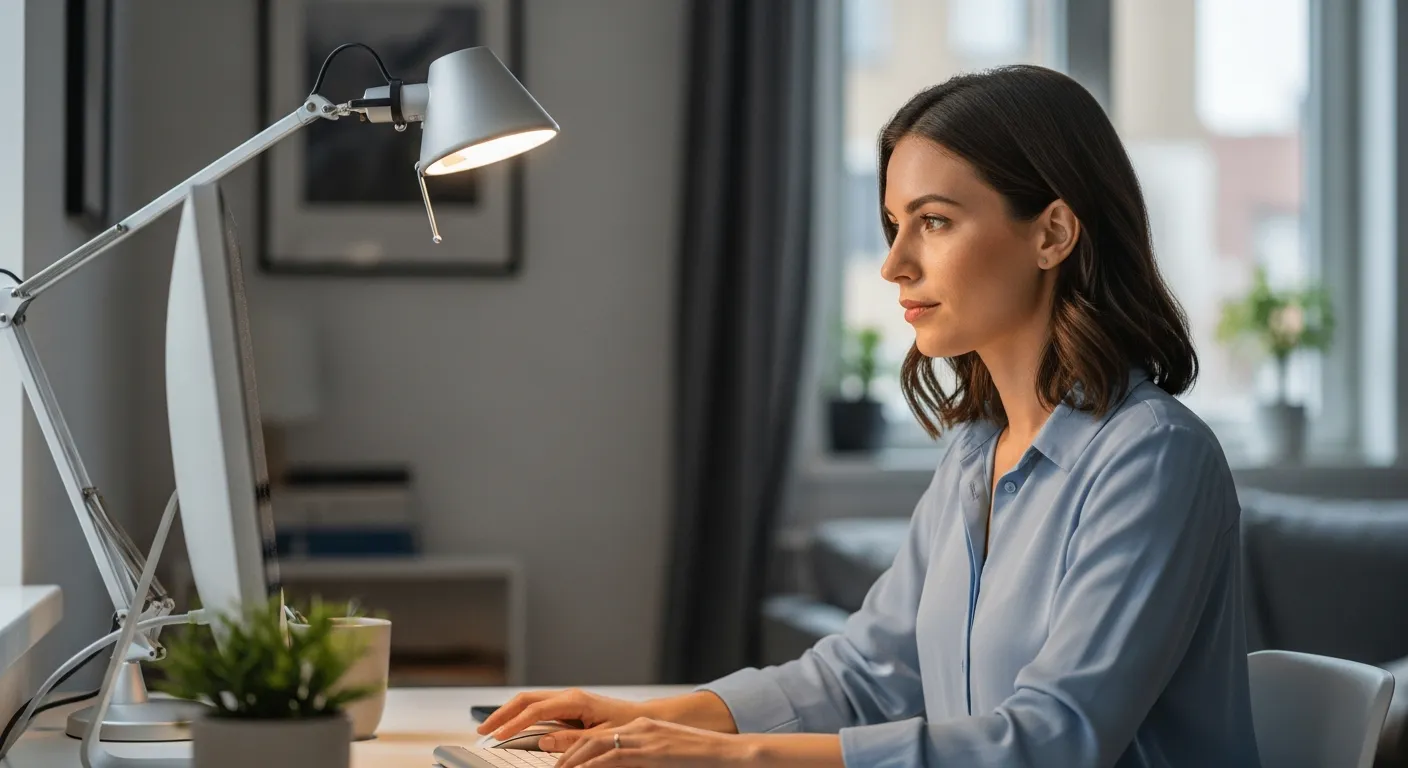
Different tasks require different levels of illumination, so it’s important to choose a task light that can provide the appropriate brightness. For example, reading and writing typically require brighter light than computer work.
Also, consider the color temperature of the light, as this can affect your mood and productivity. Cooler, bluer light is generally better for tasks that require focus, while warmer, yellower light is more suitable for relaxation.
Experiment with different types of task lighting to find the best combination for your home office. You may find that a combination of desk lamps and under-cabinet lighting works best for your needs.
Desk Lamps: Versatile and Adjustable
Desk lamps are a staple in any home office, offering a versatile and adjustable lighting solution. They come in a wide variety of styles, from traditional to modern, ensuring you can find one that complements your decor.
One of the key benefits of desk lamps is their adjustability, allowing you to direct the light exactly where you need it. Many desk lamps feature adjustable arms and heads, enabling you to customize the angle and intensity of the light.
This is particularly useful for tasks that require precision, such as drawing or detailed paperwork. LED desk lamps are a popular choice due to their energy efficiency and long lifespan.
They provide bright, consistent light without generating excessive heat, making them comfortable to use for extended periods. Consider a desk lamp with a dimmer switch to further customize the light output and reduce eye strain.
When choosing a desk lamp, consider the size of your desk and the amount of space available. A larger desk may require a lamp with a longer arm or a wider base for stability.
Think about the type of bulb you want to use in your desk lamp. LED bulbs are a great option due to their energy efficiency and long lifespan, but you can also find desk lamps that use incandescent or fluorescent bulbs.
Consider the style of your desk and the overall decor of your home office when selecting a desk lamp. A modern desk may look best with a sleek, minimalist lamp, while a traditional desk may pair well with a more ornate lamp.
Don’t forget to consider the color temperature of the light emitted by the desk lamp. A cooler color temperature is generally better for tasks that require focus, while a warmer color temperature is more suitable for relaxation.
Under-Cabinet Lighting: Illuminating Work Surfaces
Under-cabinet lighting is an excellent option for illuminating work surfaces, especially in areas like kitchens or workshops. These lights are typically installed beneath cabinets or shelves, providing direct lighting to countertops and desks.
This type of lighting is particularly useful for tasks that require a clear view of the work area, such as food preparation or crafting. Under-cabinet lights come in various forms, including LED strips, puck lights, and linear fixtures.
| Type of Light | Pros | Cons |
|---|---|---|
| LED Strips | Energy-efficient, easy to install, customizable length | May require a power adapter, can be too bright without a dimmer |
| Puck Lights | Compact, easy to install, battery-powered options available | Limited coverage area, may require frequent battery changes |
| Linear Fixtures | Even light distribution, sleek design, various lengths available | More complex installation, may require professional help |
| Fluorescent Lights | Cost-effective, bright illumination, wide coverage | Can produce heat, may flicker, less energy-efficient than LED |
When choosing under-cabinet lighting, consider the length and width of your work surface. You’ll want to select lights that provide adequate coverage without creating hotspots or shadows.
Think about the installation process and whether you’re comfortable doing it yourself or if you’ll need to hire a professional. Some under-cabinet lights are easy to install with adhesive backing, while others require more complex wiring.
Consider the color temperature of the light emitted by the under-cabinet lights. A cooler color temperature is generally better for tasks that require focus, while a warmer color temperature is more suitable for relaxation.
Don’t forget to consider the energy efficiency of the under-cabinet lights. LED lights are the most energy-efficient option and will save you money on your electricity bill over time.
Clip-On Lights: Portable and Convenient
Clip-on lights are a fantastic solution for those who need portable and convenient task lighting. These lights can be easily attached to desks, shelves, or even headboards, providing illumination wherever you need it.
Their portability makes them ideal for small spaces or for individuals who frequently move their workspace. Clip-on lights are particularly useful for tasks that require focused light in different locations.
For example, you might use a clip-on light to read in bed or to illuminate a specific area of your desk while working. Many clip-on lights feature adjustable necks, allowing you to direct the light precisely where you need it.
LED clip-on lights are a popular choice due to their energy efficiency and long lifespan. Some models are battery-powered, offering even greater portability, while others plug into a standard outlet.
When selecting a clip-on light, consider the size and strength of the clip. You’ll want to make sure it can securely attach to the surface you plan to use it on.
Think about the length of the cord if you choose a plug-in model. You’ll want to make sure the cord is long enough to reach an outlet without being too cumbersome.
Consider the adjustability of the light. A flexible neck or adjustable head will allow you to direct the light exactly where you need it.
Don’t forget to consider the color temperature and brightness of the light. Choose a light that provides the appropriate level of illumination for your tasks and that emits a color temperature that is comfortable for your eyes.
Floor Lamps: Adding Height and Coverage
Floor lamps are an excellent way to add height and coverage to your task lighting setup. They can be placed in corners or behind furniture to provide ambient lighting and supplement your primary task lights.
Floor lamps come in various styles, including torchiere lamps, which direct light upwards, and adjustable arm lamps, which provide focused light for reading or working. Adjustable arm floor lamps are particularly useful for task lighting, as they allow you to position the light directly over your work area.
This type of lamp is ideal for creating a comfortable reading nook or for providing additional light while working on a desk. When choosing a floor lamp, consider the height and reach of the lamp to ensure it provides adequate illumination for your needs.
LED floor lamps are a great option due to their energy efficiency and long lifespan. Look for a floor lamp with a dimmer switch to adjust the brightness and create a more relaxing atmosphere.
Consider the base of the floor lamp and ensure it is stable and won’t easily tip over. A heavier base is generally more stable than a lighter base.
Think about the style of the floor lamp and how it will complement the decor of your home office. Choose a lamp that is both functional and aesthetically pleasing.
Consider the type of shade on the floor lamp. A translucent shade will allow more light to pass through, while an opaque shade will direct the light downwards.
Don’t forget to consider the placement of the floor lamp in relation to other furniture and fixtures in your home office. You’ll want to make sure it doesn’t block walkways or create a cluttered appearance.
Combining Task Lighting with Ambient Lighting
Creating a well-lit home office involves more than just task lighting; it also requires ambient lighting to provide overall illumination. Ambient lighting sets the mood and reduces the contrast between your task light and the surrounding environment.
This combination helps to minimize eye strain and create a more comfortable and productive workspace. Achieving the right balance between task lighting and ambient lighting is crucial for optimal visual comfort.
- Use overhead lighting for general illumination
- Incorporate natural light whenever possible
- Add accent lighting to highlight specific features
- Adjust brightness levels to suit your needs
- Consider color temperature for different tasks
Ambient lighting can be achieved through various sources, such as overhead fixtures, wall sconces, or even natural light from windows. Aim for a soft, diffused light that illuminates the entire room without creating harsh shadows.
Task lighting should then be strategically placed to provide focused illumination for specific tasks, such as reading, writing, or working on a computer. The combination of ambient and task lighting will create a well-lit and comfortable workspace.
Consider using dimmer switches to adjust the brightness of both your ambient and task lighting. This will allow you to customize the lighting to your specific needs and preferences.
Don’t forget to take advantage of natural light whenever possible. Position your desk near a window to maximize natural light exposure, but be sure to use blinds or curtains to control glare.
Accent Lighting: Adding Depth and Style
Accent lighting is often overlooked but it can significantly enhance the ambiance of your small space home office setup. This type of lighting is used to highlight specific objects or areas, adding depth and visual interest to the room.
Accent lights can draw attention to artwork, plants, or architectural features, creating a more inviting and stimulating environment. By strategically placing accent lights, you can break up the monotony of a small space and create a sense of spaciousness.
Spotlights are a common choice for accent lighting, allowing you to focus a beam of light on a particular object. Picture lights are designed to illuminate artwork, while wall sconces can add a touch of elegance and provide subtle accent lighting.
When selecting accent lighting, consider the color temperature of the light to ensure it complements the surrounding decor. Warm white light is often preferred for creating a cozy and inviting atmosphere, while cool white light can provide a more modern and energetic feel.
Consider using accent lighting to highlight your favorite books or decorative items. This can add a personal touch to your home office and make it feel more inviting.
Think about using accent lighting to create a focal point in your home office. This could be a piece of artwork, a plant, or a unique architectural feature.
Consider using different types of accent lighting to create a variety of effects. Spotlights can be used to highlight specific objects, while wall sconces can provide a more general ambient light.
Don’t be afraid to experiment with different accent lighting techniques to find what works best for your home office. The goal is to create a space that is both functional and aesthetically pleasing.
Choosing the Right Bulb: LED vs. Incandescent vs. Fluorescent
The type of bulb you choose for your task lighting can significantly impact its performance and energy efficiency. LED bulbs are the most popular choice today due to their numerous advantages.
They consume significantly less energy than incandescent and fluorescent bulbs, resulting in lower electricity bills. LED bulbs also have a much longer lifespan, reducing the need for frequent replacements.
Incandescent bulbs are the traditional option, known for their warm and inviting light. However, they are highly inefficient, converting most of their energy into heat rather than light.
Fluorescent bulbs are more energy-efficient than incandescent bulbs but contain mercury, requiring careful disposal. LED bulbs are the clear winner in terms of energy efficiency, lifespan, and environmental impact.
When choosing LED bulbs, consider the color temperature and brightness you need for your task lighting. You can find LED bulbs in a variety of color temperatures, from warm white to cool white.
Think about the wattage of the bulb and how it will affect the brightness of the light. LED bulbs typically use less wattage than incandescent or fluorescent bulbs to produce the same amount of light.
Consider the shape and size of the bulb to ensure it fits properly in your task lighting fixture. LED bulbs come in a variety of shapes and sizes, so you should be able to find one that fits your needs.
Don’t forget to consider the cost of the bulb. LED bulbs are typically more expensive than incandescent or fluorescent bulbs, but they will save you money in the long run due to their energy efficiency and long lifespan.
The Importance of Color Temperature and Brightness
Color temperature and brightness are two critical factors to consider when selecting task lighting. Color temperature refers to the warmth or coolness of the light, measured in Kelvin (K).
Lower Kelvin values (2700-3000K) produce warm, yellowish light, while higher Kelvin values (4000-6500K) produce cool, bluish light. Warm light is generally preferred for relaxing activities, while cool light is better suited for tasks that require focus and concentration.
Brightness, measured in lumens, determines the intensity of the light. The appropriate brightness level depends on the task you are performing and the size of your workspace.
For detailed tasks, such as reading or drawing, you will need brighter light than for general ambient lighting. Many task lights come with adjustable brightness settings, allowing you to customize the light output to your specific needs.
Experiment with different color temperatures and brightness levels to find what works best for you. You may find that you prefer a cooler color temperature for working and a warmer color temperature for relaxing.
Consider using a dimmer switch to adjust the brightness of your task lighting. This will allow you to customize the light output to your specific needs and preferences.
Think about the time of day and how it affects your lighting needs. You may need brighter light during the day and dimmer light at night.
Don’t be afraid to adjust your lighting as needed to ensure you are comfortable and productive. The right lighting can make a big difference in your overall well-being.
Ergonomic Considerations for Task Lighting Placement
Proper placement of task lighting is essential for creating an ergonomic and comfortable workspace. Incorrect placement can lead to glare, shadows, and eye strain, reducing your productivity and well-being.
When positioning your task light, consider the angle and direction of the light to minimize glare on your computer screen or work surface. Place the light to the side of your dominant hand to prevent shadows from being cast on your work.
Adjust the height of the light so that it illuminates your work area without shining directly into your eyes. Experiment with different positions to find the optimal setup that minimizes eye strain and maximizes visibility.
Regularly adjust your task lighting as needed to accommodate changes in ambient light levels throughout the day. Taking the time to properly position your task lighting will help you create a more comfortable and productive workspace.
Consider the distance between your eyes and your work surface when positioning your task lighting. The closer your eyes are to your work surface, the more focused the light needs to be.
Think about the type of work you are doing and how it affects your lighting needs. Detailed tasks require more focused light than general tasks.
Consider using a task light with an adjustable arm or neck. This will allow you to easily adjust the position of the light as needed.
Don’t forget to take breaks and rest your eyes regularly. Looking away from your computer screen or work surface every 20 minutes can help reduce eye strain.
Conclusion
Choosing the right task lighting is a critical step in creating a functional and comfortable small space home office. By understanding the different task lighting types, you can tailor your lighting setup to your specific needs and preferences.
Whether you opt for a versatile desk lamp, convenient clip-on light, or space-saving under-cabinet lighting, the right choice can significantly improve your work environment. Don’t forget to combine your task lighting with ambient and accent lighting to create a balanced and inviting space.
Remember to consider the ergonomic aspects of lighting placement to prevent eye strain and ensure a comfortable working environment. By paying attention to these details, you can create a small space home office that is both productive and enjoyable.
Ultimately, the best task lighting setup is one that meets your individual needs and preferences. Experiment with different options and find what works best for you.
With the right lighting, you can transform your small space home office into a bright, comfortable, and productive workspace.


