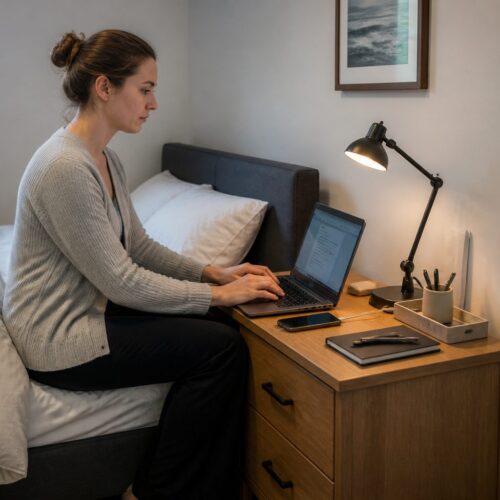


Creating a functional and stylish home office in a small space can be a challenge. However, with the right approach and furniture, you can transform even the tiniest corner into a productive workspace.
A corner desk for small space is an excellent solution to maximize your available area. This article will guide you through selecting the perfect corner desk and optimizing your small home office.
We’ll cover everything from measuring your space and comparing desk types to ergonomic considerations and storage solutions. By the end, you’ll be equipped to create a home office that’s both efficient and aesthetically pleasing.
Understanding Your Corner Space Dimensions
Before you even start browsing for a corner desk for small space, it’s essential to accurately measure your intended area. This will prevent the frustration of buying a desk that doesn’t fit or leaves you with insufficient room to move around.
Begin by measuring the length of each wall that will form the corner where you plan to place the desk. Also, measure the height of any windowsills or other obstructions that might interfere with the desk.
Consider the placement of electrical outlets and ensure your desk choice allows easy access for your computer and other devices. It’s wise to leave some buffer space around the desk for your chair and movement.
Think about how you’ll use the space beyond just the desk itself. Will you need room for a printer, filing cabinet, or other office equipment? Plan accordingly to avoid a cramped and cluttered workspace.
Accurate measurements are the foundation of a well-planned small office. Don’t rely on estimates; use a measuring tape for precise results.

Consider the depth of the desk as well as the length. A desk that’s too deep can make it difficult to reach items on the back of the surface.
Take into account the swing of any doors in the room. You don’t want the desk to block access or create an awkward flow.
If you have baseboards, remember to factor those into your measurements. They can affect how flush the desk sits against the wall.
Different Types of Corner Desks: A Comparison
Corner desks come in various shapes and sizes, each with its own advantages and disadvantages. Understanding the different types will help you choose the one that best suits your needs and space constraints.
The classic L-shaped desk is a popular choice, offering ample surface area and a distinct separation between work zones. A compact corner desk, on the other hand, is designed for the smallest of spaces, sacrificing surface area for a minimal footprint.
Consider a corner desk with a keyboard tray if you value ergonomics and want to maintain a comfortable typing posture. Some corner desks also come with built-in storage options like drawers or shelves, which can be a huge asset in a small home office.
Standing corner desks are gaining popularity, offering the health benefits of standing while you work. Think about a convertible standing desk if you want the flexibility to switch between sitting and standing throughout the day.
Consider a corner desk with a curved front edge for a more ergonomic and visually appealing design. This can make it easier to reach different areas of the desk.
A corner desk with adjustable height can accommodate different users and preferences. This is especially useful if multiple people will be using the desk.
Think about a corner desk with a built-in monitor stand to raise your screen to eye level. This can help reduce neck strain and improve your posture.
Some corner desks are designed to be modular, allowing you to add or remove sections as needed. This can be a great option if you anticipate your needs changing over time.
Evaluating Corner Desk Materials and Durability
The material of your corner desk not only affects its appearance but also its durability and longevity. Common materials include wood, metal, glass, and laminate, each with its own strengths and weaknesses.
Solid wood desks are known for their sturdiness and classic aesthetic, but they can be quite expensive. Laminate desks are a more affordable option, offering a variety of finishes and decent durability.
Metal desks are often chosen for their modern look and resistance to wear and tear. Glass desks can add a touch of elegance to your office, but they require more maintenance to keep clean and free of fingerprints.
Consider the weight capacity of the desk, especially if you plan to place heavy equipment on it. Check customer reviews to get an idea of the desk’s long-term durability and resistance to scratches and stains.
Look for desks made with sustainably sourced materials if you’re concerned about the environment. This can help reduce your carbon footprint.
Consider the thickness of the desktop, as this can affect its stability and weight capacity. A thicker desktop is generally more durable.
Check the warranty offered by the manufacturer to get an idea of their confidence in the product’s quality. A longer warranty is usually a good sign.
Think about the edge banding on the desk, as this can prevent chipping and damage. High-quality edge banding is more durable.
Ergonomic Considerations for Corner Desk Use
Setting up your corner desk ergonomically is crucial for preventing discomfort and potential long-term health issues. Proper posture and desk arrangement can significantly improve your comfort and productivity.
Ensure your monitor is at eye level to avoid straining your neck. Your keyboard should be positioned so that your elbows are at a 90-degree angle, and your wrists are straight.
| Ergonomic Factor | Recommendation | Benefit |
|---|---|---|
| Monitor Height | Eye level | Reduces neck strain |
| Keyboard Position | Elbows at 90 degrees | Prevents wrist and arm discomfort |
| Chair Height | Feet flat on the floor | Supports proper posture |
| Lighting | Adequate and glare-free | Minimizes eye strain |
Invest in an ergonomic chair that provides adequate lumbar support and adjustability. Position your chair so that your feet are flat on the floor or supported by a footrest.
Take regular breaks to stretch and move around to prevent stiffness. Set a timer to remind yourself to get up and walk every 30 minutes.
Use a document holder to keep papers at eye level and prevent neck strain. This can be especially helpful if you frequently work with printed materials.
Consider using a wrist rest to support your wrists while typing. This can help prevent carpal tunnel syndrome.
Adjust your chair height so that your thighs are parallel to the floor. This will help maintain proper posture and reduce back pain.
Maximizing Storage in a Corner Desk Setup
Storage is often a premium in small spaces, making it essential to choose a corner desk that maximizes storage potential. Look for desks with built-in drawers, shelves, or cabinets to keep your workspace organized.
Consider vertical storage solutions like wall-mounted shelves or floating cabinets to free up floor space. Utilize desk organizers, file holders, and cable management systems to keep your desk surface clutter-free.
A rolling file cabinet can be easily moved around and tucked away when not in use. Ottomans with built-in storage can serve as both seating and a place to store office supplies.
Repurpose everyday items like mason jars or decorative boxes to store small items like pens, paperclips, and sticky notes. Regularly declutter your desk to prevent unnecessary accumulation of items.
Use the wall space above your desk to install floating shelves for books and decorative items. This can add visual interest and free up desk space.
Consider a desk with a hutch to provide additional storage above the work surface. A hutch can be a great place to store books, files, and other office supplies.
Use drawer dividers to keep your drawers organized and prevent items from shifting around. This can make it easier to find what you need.
A pegboard can be a versatile storage solution for small items like pens, scissors, and tape. You can customize the arrangement of the pegs to suit your needs.
Material and Style Choices for Small Spaces
The material and style of your corner desk can significantly impact the overall feel of your small home office. Opt for lighter colors and minimalist designs to create a sense of spaciousness.
Glass or acrylic desks can make a room feel larger by allowing light to pass through. Choose materials that complement your existing decor and reflect your personal style.
- Light wood finishes
- White or pastel colors
- Minimalist designs
- Glass or acrylic accents
- Clean lines and simple shapes
Avoid bulky or ornate desks that can overwhelm a small space. Consider a cohesive color scheme for your desk, chair, and accessories to create a harmonious look.
Mirrors can create the illusion of more space. Consider placing a mirror near your desk to reflect light and make the room feel larger.
Choose furniture with clean lines and simple silhouettes. Avoid overly decorative pieces that can clutter the space.
Use a consistent color palette throughout the room. This will create a sense of harmony and make the space feel more cohesive.
Incorporate natural elements like plants to bring life and freshness to your small office. Plants can also help improve air quality.
Lighting Solutions for a Corner Desk
Proper lighting is essential for a productive and comfortable workspace. Insufficient or harsh lighting can cause eye strain and headaches, so it’s crucial to optimize your lighting setup.
Maximize natural light by positioning your desk near a window, but be mindful of glare. Supplement natural light with a desk lamp that provides adjustable brightness and direction.
Consider a lamp with a flexible gooseneck to direct light exactly where you need it. Ambient lighting, such as a floor lamp or overhead fixture, can help reduce contrast and create a more balanced lighting environment.
Avoid fluorescent lights, which can cause flickering and eye strain. Opt for LED bulbs that provide a bright, energy-efficient light source.
Use a dimmer switch to adjust the brightness of your overhead lighting. This can help you create a more comfortable and productive workspace.
Consider using task lighting to focus light on specific areas of your desk. This can be helpful for detailed work.
Avoid placing your monitor directly in front of a window to prevent glare. Position your desk so that the window is to the side.
Use light-colored walls to reflect light and make the room feel brighter. Dark walls can absorb light and make the space feel smaller.
Cable Management Tips for a Tidy Workspace
A tangled mess of cables can make even the most stylish corner desk look cluttered and disorganized. Effective cable management is essential for maintaining a clean and efficient workspace.
Use cable ties, clips, or sleeves to bundle and route cables neatly along the back of your desk. Consider a cable management tray or box to conceal excess cords and power strips.
Label your cables to easily identify which device they belong to. Shorten long cables with Velcro straps to prevent them from dangling and creating a tripping hazard.
Wireless peripherals, such as a keyboard and mouse, can reduce cable clutter. A power strip with surge protection is a must-have for protecting your electronic devices.
Drill a hole in your desk to route cables through. This can help keep your desk surface clear of clutter.
Use a cable concealer to hide cables along the wall. This can create a cleaner and more professional look.
Consider using a wireless charging pad to eliminate the need for charging cables. This can be a convenient way to keep your devices charged.
Regularly check your cables for damage and replace them as needed. Damaged cables can be a fire hazard.
Assembling and Maintaining Your Corner Desk
Assembling your new corner desk can sometimes be a daunting task, but with patience and the right tools, it can be a manageable process. Before you start, carefully read the assembly instructions and inventory all the parts.
Use a screwdriver, Allen wrench, and level to ensure proper assembly. Protect your floor by laying down a blanket or drop cloth before you begin.
Regularly dust your desk with a soft cloth to prevent dirt and grime buildup. Use a mild cleaner to remove stains or spills, and avoid harsh chemicals that can damage the finish.
Tighten screws and bolts periodically to maintain the desk’s stability. Protect your desk surface from scratches by using coasters and desk pads.
If you’re having trouble assembling the desk, don’t hesitate to ask for help. Many retailers offer assembly services.
Use furniture polish to protect the finish of your desk. This can help keep it looking new for longer.
Avoid placing heavy objects on the desk that could damage it. Distribute the weight evenly to prevent warping.
Clean up spills immediately to prevent staining. Use a damp cloth to wipe up any messes.
Conclusion
Choosing the right corner desk for small space can transform your home office into a productive and comfortable haven. By considering your space dimensions, ergonomic needs, and storage requirements, you can create a workspace that perfectly suits your needs.
Remember to prioritize functionality, style, and organization to maximize your small home office’s potential. With a little planning and effort, you can create a corner office that inspires creativity and efficiency.
Don’t be afraid to experiment with different layouts and configurations to find what works best for you. Your home office should be a space that you enjoy spending time in.
Investing in a quality corner desk is an investment in your productivity and well-being. Choose a desk that is both functional and aesthetically pleasing.