

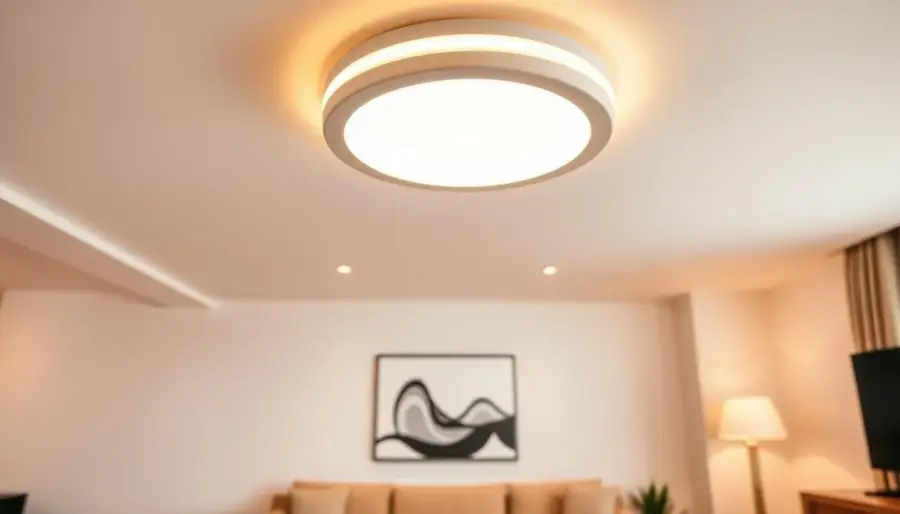
When your room has limited headroom, you can still choose a modern, intentional fixture. You’ll shop for options that clear space while giving a fresh look. This guide compares practical overhead paths so you pick with confidence.
Flush mount and semi-flush mount fixtures are the most useful choices for many U.S. homes. They deliver ample illumination and visual interest without taking up much space.
You’ll learn which styles suit each room, how to size a fixture, and what finishes and LED options match your design. Expect clear guidance on performance and placement so you narrow your choices before browsing products.
Why this matters: a streamlined overhead fixture can visually lift a room by reducing clutter and keeping the plane above you clean. That cleaner look makes the whole home feel more intentional and modern.
Modern low-profile lighting for low ceilings: what you’re shopping for today
Tight vertical space changes how you shop for overhead fixtures and what will actually work in your room. With limited clearance, choices are about safety, sightlines, and how light spreads across the space.
Why low clearance changes your choices
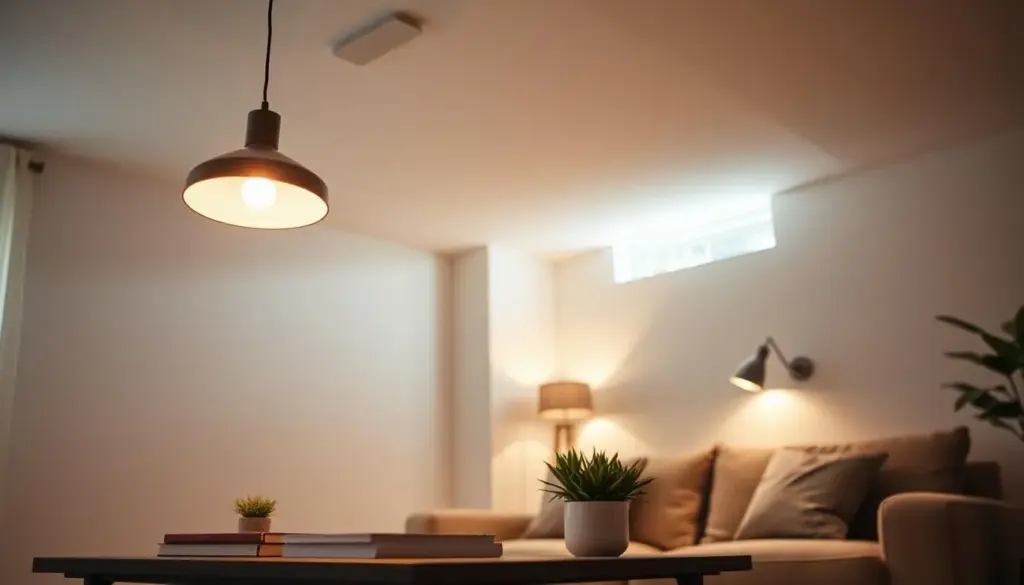
Low ceilings affect headroom and how busy the overhead plane feels. A bulky fixture can make a small room feel cramped and create harsh glare. You want even illumination without lowering the visual ceiling.
Flush mount vs. semi-flush mount
Flush mounts sit tight to the ceiling and maximize clearance. They read as a smooth surface and work best where you need full headroom.
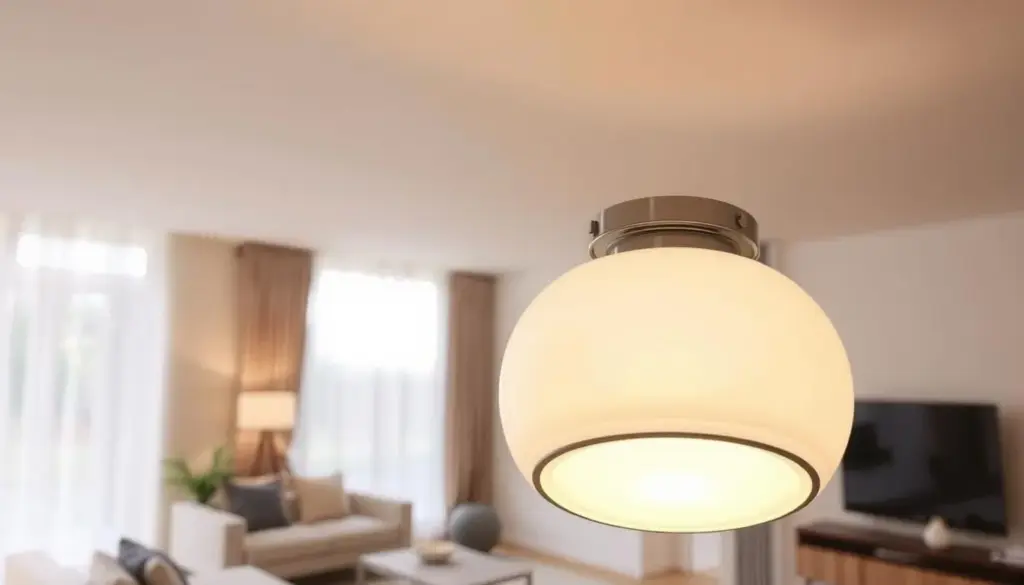
Semi-flush mounts drop a few inches and add presence without a chandelier’s bulk. They give more shape and shadow control while still fitting in compact spaces.
What “modern” looks like
Modern style favors clean silhouettes, minimal hardware, and purposeful finishes. Think simple forms, integrated LED options, and finishes that match your existing décor so the fixture feels intentional, not cluttered.
- Max clearance? Choose flush.
- Want subtle depth? Consider semi-flush.
- Worried about glare? Look for diffusers and dimmable options.
Low-profile ceiling light styles that maximize space without sacrificing design
A compact fixture type balances practical clearance with intentional design. Below are the common styles that help you match form to function in smaller rooms.
Flush mount ceiling lights that sit tight to the ceiling
Flush mount ceiling options hug the plane above you. They free headroom and keep sightlines clean in hallways, bedrooms, and narrow spaces.
Semi-flush mounts that add personality with minimal drop
Semi-flush mounts give a hint of depth without needing chandelier clearance. They add decorative shape and shadow while staying compact enough for lower rooms.
Integrated LED designs for a sleek, streamlined look
Integrated LED fixtures remove visible bulbs and often create slimmer profiles. That approach reduces clutter and improves energy efficiency for modern homes.
Modern flush mount shapes and silhouettes that suit smaller rooms
- Clean discs for even spread and minimal fuss.
- Subtle drums for a softer edge and moderate scale.
- Shallow domes that read as architectural, not bulky.
The best choice balances clearance, brightness, and how the fixture’s shape interacts with your room’s height. Pick a size and shape that feels intentional for the space you’re updating.
Flush mount ceiling lights: high impact, low profile
A flush-mounted fixture gives you strong, even illumination while staying visually unobtrusive. Flush mount designs sit close to the plane above, so they free headroom and keep sightlines clean.
How flush mounts provide ample illumination with minimal visual space
Flush mounts spread ambient light broadly, helping you move around and perform daily tasks without shadows. Good diffuser quality and modern proportions make the fixture read as substantial, not fussy.
When a flush mount ceiling fixture is the right call for your room
Choose a flush mount when your room has very low height, narrow walkways, or when a hanging piece would intrude. They are a strong default for practical lighting and for keeping the overhead plane tidy.
- Design-forward, flat profile: materials and finishes boost style while the unit remains low.
- Performance fit: broad, diffused output works well as primary ambient lighting.
- Decision checkpoint: if a hanging fixture would feel too dominant, pick a mount ceiling option to preserve space.
Semi-flush mount ceiling lights: a middle-ground option for added presence
If you want the feel of a pendant but can’t use a chandelier, semi-flush mount options deliver personality in a modest package.
How semi-flush mounts stay pronounced without crowding low ceilings
Semi-flush designs hang a few inches below the plane and create depth through a small drop. That extra distance adds shadow and shape while keeping clear headroom.
When you want a hanging-fixture feel without chandelier clearance
Choose a semi-flush when you want a focal point in a dining nook, entry, or bedroom but don’t have tall ceilings. It reads as deliberate design without overwhelming the room.
Pairing semi-flush mounts with other lighting layers in your space
Let the semi-flush serve as the room’s style anchor and use task lamps and under-cabinet strips for function. Dimmers help you tune presence versus brightness.
- Proportion check: measure the drop against room height to avoid a crowded feel.
- Shopping mindset: choose presence level, not just lumen output, when comparing mount lighting and mount lights.
- Practical pairing: rely on fixtures nearby for focused tasks while the semi-flush sets the tone.
What to expect from flush mount lighting performance
Start by thinking of a flush mount as the room’s primary ambient source, the base that makes the rest of your plan work. It’s designed to give broad, usable illumination so you and guests can move around safely and comfortably.
Ambient light as your foundation for visibility and navigation
Flush mount lighting establishes the ambient layer, not concentrated task brightness. Expect general coverage that reduces shadows and helps rooms read as even and functional.
Even distribution with broad, diffused output
Good diffusers and shade design matter. They soften output, cut glare, and limit hotspots so corners aren’t left dark.
How a ceiling fixture works with lamps and track lighting
Use floor lamps to add task illumination in nooks and track lighting for directional needs. A strong ambient fixture can reduce how many extra units you need, keeping a small home calmer and less cluttered.
- Set expectations: the mount primarily creates ambient coverage.
- Shop cues: look for broad output, quality diffusion, and a profile that fits your ceiling height.
- Practical pairing: combine with floor lamps and track lighting where focused beams or accenting matter.
Best rooms for flush and semi-flush ceiling lights in low-ceiling homes
Use fixture type to match traffic, function, and the visual feel of each room. Below are quick, practical recommendations so you can pick the right piece for the space.
Hallways and entryways
Flush mount lights work best in hallways and entryways. They free headroom and deliver bright, even coverage so passage feels open.
Choose higher lumen output and a diffuser to avoid hotspots and glare in narrow traffic zones.
Kitchen general illumination
For the kitchen, use modern flush mount lights as the ambient source. They give broad coverage for day-to-day tasks.
Then add under-cabinet task fixtures for prep. This layered approach keeps the work areas bright without bulky pendants.
Bathrooms, closets, and basements
These rooms benefit most from compact mounts because clearance is limited. Pick damp-rated fixtures for bathrooms and basements.
In closets, aim for even spread so clothing and storage are easy to see.
Dining rooms that want presence without a chandelier
Choose a semi-flush mount to suggest the presence of a chandelier while respecting lower ceilings and sightlines.
Balance presence with scale: pick a modest drop and use a dimmer to set mood and function.
- Brightness goals: aim for higher ambient lumens in hallways and kitchen, adaptable dimming in dining.
- Moisture: pick wet/damp-rated fixtures for bathrooms and basements.
- Presence: use semi-flush mount for dining when you want a focal point without crowding the room.
Choosing the right size and profile for your ceiling light fixture
Picking the right scale keeps a room feeling open and balanced. Start by thinking about diameter and how far the fixture drops from the plane above.
How diameter and height affect the feel of a room
A larger diameter gives broad coverage but can dominate a small room. A shallow profile with a modest diameter keeps the plane calm and useful.
Matching light spread to room size for balanced illumination
Match fixture diameter to room size so you avoid spotty illumination. For general living, choose broader spread; for layered plans, smaller focused sources work alongside ambient pieces.
Low ceilings, visual space, and avoiding a crowded ceiling look
In low rooms, busy fixtures can make the overhead plane feel lower. Choose a clean silhouette to preserve visual space and a restrained profile to keep traffic areas feeling open.
- Rule of thumb: when unsure, pick a flush mount with a modest diameter.
- Measure room width and allow the fixture to feel proportional, not overpowering.
- Balance style and size—sizing matters as much as finish to get a modern look.
Finishes and materials that define your style
Choosing the right finish instantly makes a modest fixture feel purposeful. The metal tone and glass quality are often the fastest way to make a compact mount read as designed rather than purely utilitarian.
Brass and warm metallic finishes for a modern statement
Brass adds warmth to white walls and neutral schemes. A warm metal finish gives a small fixture presence without bulk.
Use brass selectively so it reads intentional. Two well-placed brass touches can tie a room together.
Mixed finishes that complement existing hardware and décor
If your home has varied pulls, faucets, or levers, mixed finishes help everything coordinate. Pair a warm metal band with a matte base to bridge different elements.
Consistent metal choices across connected rooms keep low heights from feeling visually chopped.
How premium materials elevate flush mount ceiling fixtures
Premium materials—crisp metalwork, high-clarity glass, and quality diffusers—raise perceived value. They look better on and off and last longer.
- Better metalwork resists wear and shows truer color.
- Quality glass reduces glare and smooths output.
- Designer pieces (Ellen DeGeneres, Alexa Hampton, Sean Lavin, Julie Nell) prove a flush mount can be a statement.
LED flush mount and integrated LED options: efficiency meets clean design
Slim LED mounts give you modern styling without sacrificing brightness or efficiency. LED flush mount fixtures are especially suited to rooms with limited headroom because they run thinner profiles and deliver steady output.
Why LED flush mounts work well in compact rooms
LEDs use less depth than bulb-based fixtures, so a flush mount can sit nearly flat while still delivering ample lumens. That makes the mount a practical, energy-smart choice for everyday ambient lighting.
Integrated LED versus bulb-based options
Integrated LED units hide electronics and diffusers for a seamless profile. Bulb-based fixtures give replaceable bulbs and flexible styling, but they often need extra space and visible sockets.
Creating a cohesive look across rooms
Using similar led flush designs in hallways, kitchens, and bedrooms ties your home together. Consistent finishes and color temperatures make connected rooms feel unified and intentional.
- Brightness: target 1,500–3,000 lumens for general rooms depending on size.
- Color temp: 2700K–3000K for warm rooms; 3500K–4000K for task-forward areas.
- Dimming: choose dimmable drivers for mood control and longevity.
How to build a cohesive lighting plan with low-profile ceiling fixtures
Think of your main mounts as the anchor that sets brightness and style for each space. Start by choosing a family of flush mount or semi-flush options that match your home’s finishes and scale. That anchor establishes baseline lumens and the visual tone for the room.
Using fixtures as functional and aesthetic anchors
Pick one primary mount light per major area to deliver ambient coverage. Use that piece to decide color temperature and dimming so the rest of your lights coordinate easily.
Layering ambient, task, and accent in small spaces
Keep overheads low and unobtrusive, then add task lamps for desks or counters and small accent fixtures for art or shelving. This prevents over-lighting and keeps sightlines open.
Coordinating mounts across connected rooms and hallways
- Consistency: use similar mount lights in hallways and adjacent rooms to create flow.
- Variety: allow differences in finish, diffuser shape, or profile for visual interest.
- Comfort: balanced planning reduces glare and makes the whole home feel intentional.
Conclusion
A well-chosen mount ties function and style together for smaller rooms.
For maximum clearance and a clean overhead plane, a flush mount usually fits best. If you want more presence with a small drop, pick a semi-flush option to add shape without crowding the room.
Use these quick buying checks: profile height, room size, desired spread, and whether you prefer integrated LED or bulb-based designs. Aim for a fixture that matches your task needs in the kitchen and other work areas.
Let the mount provide ambient coverage and layer task and accent pieces for function. Keep finishes consistent across nearby rooms so low heights read unified, not busy.
Ready to decide? Browse flush mount and semi-flush options by room, finish, and output to find the right fixture for your home today.


