

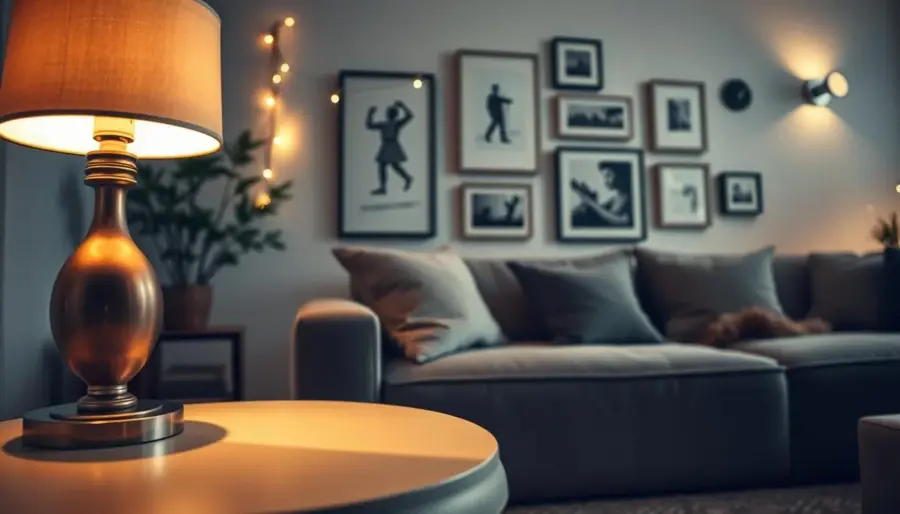
You can give your home real personality without adding visual noise. Choose ceiling pieces that match room scale, shape, and material so a pendant or chandelier reads as intentional decor. Proportion keeps a fixture from overwhelming furnishings.
Start by defining what “decorative lighting without clutter” means for your space: clear purpose, modest visual weight, and harmony with existing design. You’ll browse creative light fixtures by type, then narrow by room size, ceiling height, and the scale of your furniture.
Think of the right fixture as a focal point. The wrong scale or finish reads as clutter even if it’s only one item. Throughout this page you’ll filter by function (ambient vs. task), placement (ceiling, wall, table, outdoor), and visual weight (shape, material, finish).
Follow a simple rule: match proportion and compatibility to keep lighting balanced. You are here to find options that fit your room now, with clear pathways to shop by type and room.
Shop Creative light fixtures by type
Sorting by type helps you match form and function without guesswork. Start with the category that solves your room’s need, then refine for scale, finish, and bulb output.
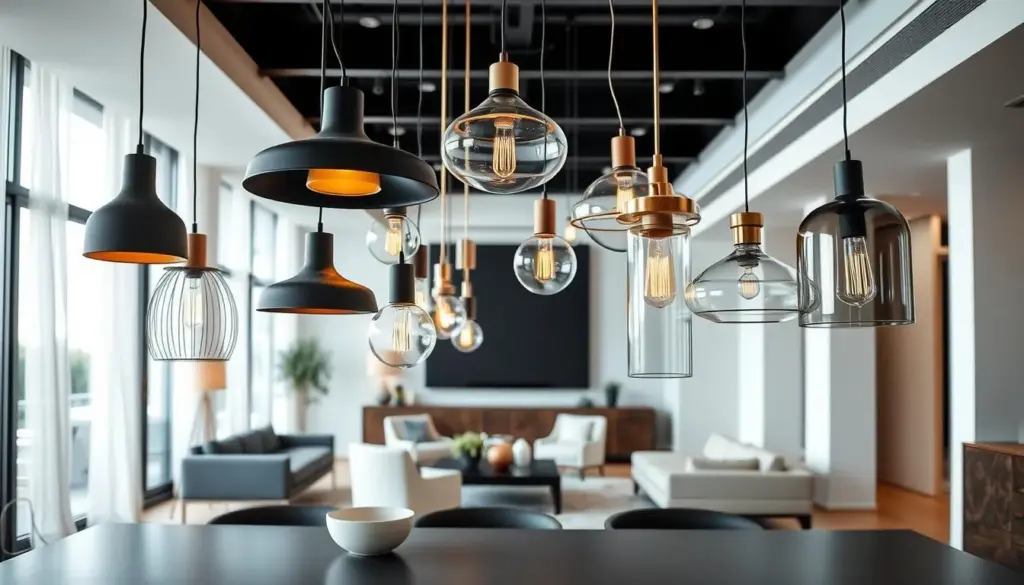
Pendant lights and pendants for ambient or task lighting
Pendant options are hanging ceiling pieces suspended by cord, rod, or chain. They usually hold one bulb and give directed pools of glow over islands, counters, or side tables.
Chandeliers for statement illumination in dining and living rooms
Choose chandeliers when you want a centerpiece that anchors a room. They deliver both style and usable illumination for dining and living areas.
Ceiling lights: flush mount and minimalist ceiling fixtures
Flush and low-profile ceiling lights keep headroom clear. These flush mount options reduce visual bulk in hallways, offices, and small rooms.
Wall lights, wall sconces, table lamps and floor lamps
- Wall lights and wall sconces layer lighting without taking up surfaces.
- Table lamps and floor lamps are portable and update a room with no wiring.
- Outdoor wall options extend a cohesive look from entry to patio.
Choose light fixtures that fit your room, ceiling, and furnishings
Let proportion lead your decisions. A ceiling element sized for the room and scale of your furnishings reads as integrated, not tacked on. Measure ceiling height and furniture groupings before you shop so the piece supports the room’s flow.
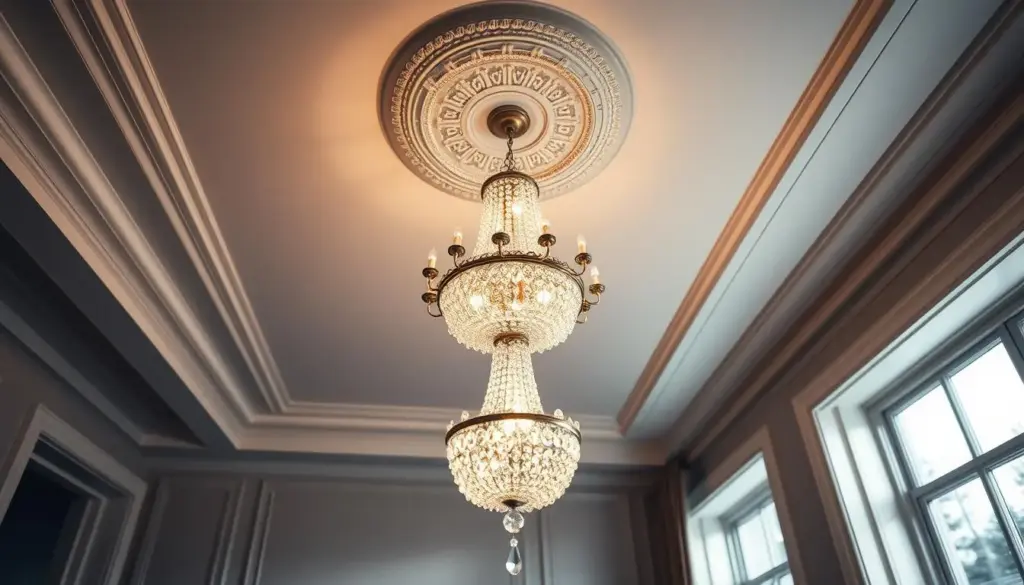
Keep ceiling light dimensions proportionate to your space
Evaluate a fixture in context: if it dominates sightlines it becomes clutter. If it is too small, you’ll add more items to compensate.
Match shape and material to your home design to avoid visual clutter
Repeat metals, glass types, and silhouettes across rooms to calm ceiling and wall planes. This small restraint makes each space feel cohesive and intentional.
Small rooms and low ceilings: warm-glow minimalist or flush fixtures
Choose flush mount or minimalist designs that give a warm glow and keep circulation paths clear. A compact sculptural piece that sits close to the ceiling preserves headroom.
Larger rooms: multi-bulb pendants or chandeliers that won’t get lost overhead
In living areas and dining rooms, pick multi-bulb pendants or chandeliers sized to the room so the fixture supplies both presence and even illumination.
Layer lighting across rooms and spaces for balanced illumination
- Combine ceiling, wall, and portable lights to reduce harsh shadows.
- Plan clearance around ceiling fans so the ceiling plane stays balanced.
- Think of each item as part of a system that supports function and style.
Pendant lights in the kitchen and dining room
A hanging pendant brings task-ready glow and visual definition to kitchen and dining areas. Pendants are suspended by a cord, rod, or chain and usually house a single bulb for focused illumination. You choose them to bring light closer to a work surface or table so tasks and meals are easier and more pleasant.
Why pendants work over islands and tables
Pendants visually zone an island or table and give direct light without cluttering counters. They layer with recessed or ambient lighting so the room feels balanced.
Kitchen island spacing guide
Rule of thumb: use two pendants for an island under six feet, spaced about two feet apart. For islands longer than six feet, plan three pendants so illumination stays even and functional.
Dining table placement and options
Over a rectangular or oval table, hang matching pendants centered on the table axis for symmetry. Decide between one larger pendant or multiple smaller pendants by considering sightlines, table length, and the look you want.
- Quick tip: prioritize task illumination for prep and serving, then add dimmable ambient lighting to set the mood.
- Choose the right number and style now to avoid returns, rewiring, or an “almost right” setup later.
On-trend styles that add personality without clutter
Trendy silhouettes let you add character without crowding a room. Look for forms that feel current yet pair easily with your existing furnishings.
Lantern-like shades, globe pendants, and Scandinavian downturned options
Lantern-like paper shades add softness and personality. They keep a ceiling plane visually light and avoid ornate detail so the room feels calm.
Globe pendants use sand-blown, striped, or colored glass diffusers to introduce interest. The round silhouette stays clean and prevents visual clutter even when grouped.
Mid-century modern and clean-lined designs
Scandinavian downturned shades focus light and maintain a minimal profile. They work well for task areas where you want function with a small footprint.
Mid-century modern pieces use simple lines and restrained finishes. Choose these designs when open-plan rooms need a lighter visual footprint so items don’t compete.
- Shop for forms that integrate with scale, finish, and bulb type so a sale purchase isn’t a mismatch.
- Repeat one or two cues—metal finish or shade shape—across items to keep your lighting curated, not cluttered.
- Prioritize pendant and small chandelier placement to balance sightlines and room function.
Customize your lighting and get design support
A made-to-order approach gives you precise control over scale, finish, and how a fixture performs in your room. Use a 3D configurator to preview sizes, proportions, and combinations so you avoid guesswork during a sale or quick decision.
Design your own fixture with a 3D configurator
The configurator lets you rotate, zoom, and place a model into a virtual room. This reduces decision risk by showing how items and illumination fit your layout before you buy.
Mix and match components
Choose cord styles, bulb types, metal finishes, and canopy shapes to align new pieces with existing hardware and lamps. These options help the fixture read as part of the room, not an extra object.
Production, safety, and support
Handmade in Chicago and UL-listed for residential and commercial use, the products come with quick pricing and fast lead times. You get a reliable item that meets code for both home and business spaces.
Design help and room visualizations
- Live chat, photo review, and video consultations to confirm placement.
- 3D room renderings so you can preview illumination and scale.
- Practical advice that keeps the buying path simple when shopping options or sale pieces.
Conclusion
Finish your plan by focusing on proportion and placement so each piece feels intentional. Match ceiling and wall elements to the room scale and your overall style to avoid visual clutter while adding personality with smart lighting choices.
Start shopping by choosing types first, then filter by room size, ceiling height, and the illumination you need. For kitchens, set pendant count and spacing to keep islands and tables balanced and functional.
Follow a simple rule: proportion + coordination. When ceiling, wall sconces, wall lights, and lamps share finishes and complementary shapes, your home reads as cohesive rather than crowded.
Layer ceiling lights, wall options, and table lamps or floor lamps so you don’t rely on a single harsh source. Consider flush or flush mount pieces where headroom is tight and outdoor wall options to extend your look outdoors.
Explore the full range, watch for sale opportunities, and use support and configurator tools for a tailored result. The right pendant, chandelier, or light fixtures will make rooms feel planned and calm.


