

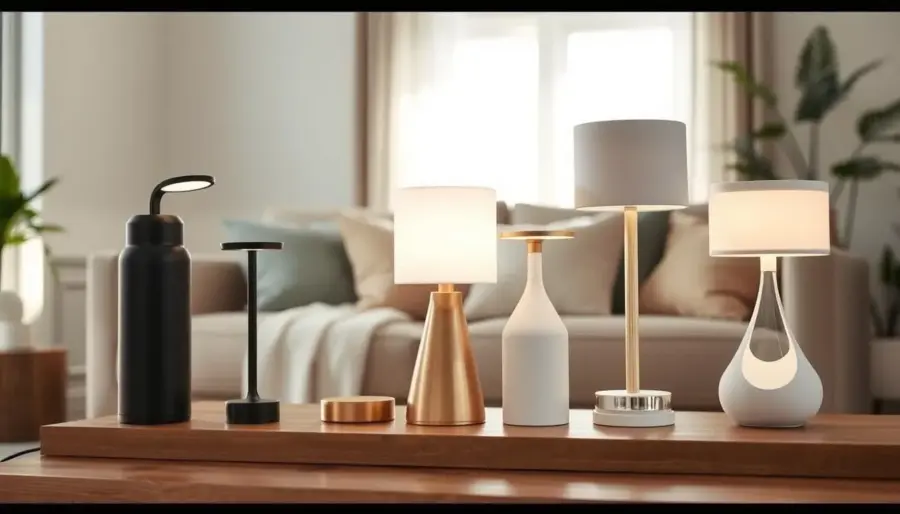
Switching to rechargeable, battery-powered lamps removes the need for visible cords and lets you place a light where it actually works for you. Many models use built-in lithium-ion cells and USB charging, so you can move a lamp from your nightstand to the patio with ease.
In this guide you’ll find clear, list-style tips on convenience, interior upgrades, safety, and how to pick and care for the right lamp. Expect practical checks like run time, brightness, color temperature, and charging habits so you don’t trade function for style.
Practically speaking, “cordless” means a portable unit with a built-in rechargeable battery and USB recharge. That change frees your room from outlet-driven layouts and cuts tripping hazards and cord-chewing risks for pets.
Think about nightstands, reading nooks, dining ambiance, or easy backup light during outages. The rest of the article helps you match a lamp to your routine so power and design work together.
Why rechargeable cordless lamps are taking over modern home lighting
When a lamp can travel from desk to patio, you stop planning furniture around sockets and start arranging for life. This change affects how you use rooms and how your home feels.
Portability that frees you from outlets in any room
Move a single lamp between work, reading, and rest without hunting for a plug. That flexibility matters in older houses and apartments where outlet placement is unpredictable.
Clutter-free design that supports minimalist and contemporary interiors
Removing cords keeps shelves and side tables clean. Fewer cords mean fewer tangles behind furniture and less need for extension cords.
- Cleaner shelves and console tops
- Neater side tables and bedside setups
- Less cable management behind sofas and media units
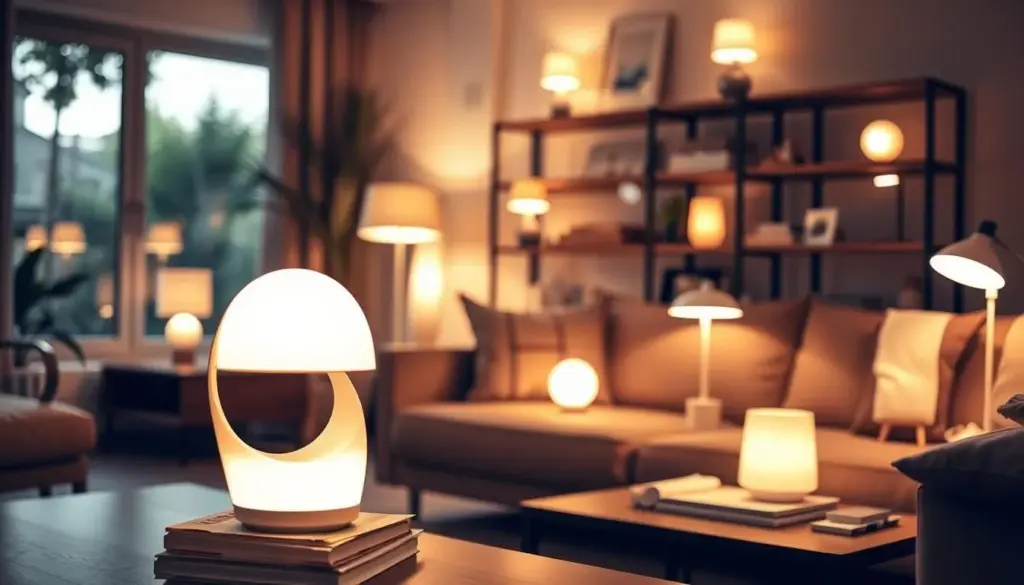
LED efficiency and rechargeable batteries for lower waste and energy use
Most models use LED bulbs, which cut energy use and last far longer than old bulbs. Rechargeable batteries also reduce disposable waste and recharge by USB for easy upkeep.
Cordless lighting benefits you’ll notice immediately at home
Move light where it matters most and notice immediate gains in convenience and safety. You no longer place a table or lamp by an outlet out of necessity. That freedom changes how you use each room.
Freedom of placement for table lamps, bedrooms, and hard-to-light areas
You can set a table lamp on a hallway console, a shelf nook, or beside a cozy chair without trailing cords. Cordless table lamps make dim reading corners practical and let bedrooms adopt cleaner bedside setups.
Cleaner-looking rooms without cords, wires, or extension cables
Removing cords trims visual clutter in open-concept spaces. Shelves and side tables look tidy and intentional when cords are out of sight.
Safer walkways with fewer tripping hazards
Fewer cords across floors mean fewer snags and a lower chance of trips during nighttime routines. That’s a small change with big safety payoff for families and guests.
Pet-friendly spaces by removing tempting cords to chew
Pets often find cords attractive. A cordless lamp removes that temptation and reduces bite-and-damage incidents without changing your decor.
- Everyday wins: place a lamp exactly where you need light, not where an outlet demands it.
- Examples: bedrooms, dark hall tables, shelf nooks, and chair corners become useful without extension cables.
- Quality of life: moving a cordless lamp takes seconds, so your lights adapt to reading, relaxing, or hosting.
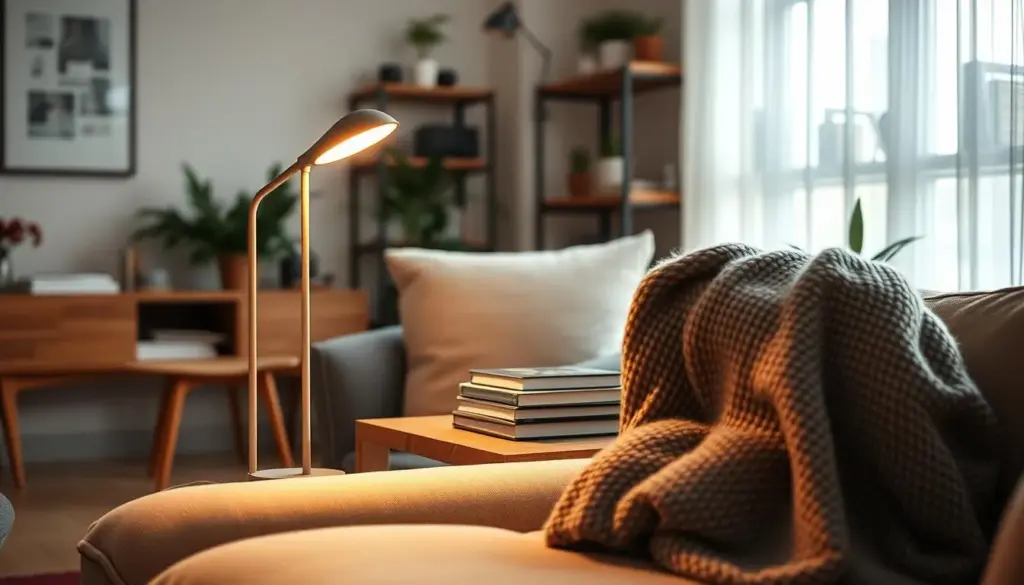
Safety wins that make cordless lamps a smart choice for families
Safety at home matters most. A portable, plug-free lamp reduces common risks and makes daily routines simpler for kids and older adults.
Kid-friendly lighting for nurseries, playrooms, and bedtime routines
Removing dangling cords keeps curious hands and grabby toddlers safer. You can place a small lamp on a low shelf or beside a crib without a trailing cord to tug.
A dimmable, portable light also helps with story time and nighttime feedings. It creates a calm mood without needing an outlet next to the bed.
Senior-friendly setups that reduce fall risk from cord clutter
Clear walkways cut fall hazards for seniors. Fewer cords along paths and around recliners lower the chance of trips and serious injuries.
Why running cords under rugs can create fire hazards and violate code
Hiding cords under rugs is a common quick fix that can backfire. Pinched or damaged cords over time may overheat and create fire hazards, and many jurisdictions treat this as a code violation.
Low-voltage LED designs that stay cool to the touch
Choose low-voltage LED models (for example, 12-volt LED) so the unit stays cool if tipped. Cooler operation reduces burn risk and lowers ignition chances when a lamp contacts fabric.
- Quick wins: reduce cords, pick low-voltage LED sources, and keep a charged battery lamp ready for outages.
- For children: move light where you need it without exposed cords to pull or chew.
- For seniors: simplify paths and avoid extension cords across floors.
Where cordless table lamps work best in your space
Map the spots in your home where a rechargeable table lamp can replace messy cords and add flexible, targeted light. Below are practical room-by-room ideas so you can picture how a portable lamp fits your routine and floor plan.
Bedrooms and nightstands for reading, touch controls, and dimming
Use a bedside lamp for reading and winding down. Pick a model with touch controls and dimming so you can set the brightness and ease into sleep without fumbling for switches.
Living rooms for layered light, shelves, and cozy corners
Place table lamps on side tables, shelves, or a console behind the sofa to add warmth and depth. They complement overhead fixtures and make reading nooks or media corners feel intentional and inviting.
Dining tables, patios, and outdoor areas for flexible atmosphere
When outlets are scarce, a rechargeable lamp brightens a dining table or patio without extension cords near food or walkways. For balcony dinners, backyard gatherings, or camping, portable lights create safe, pleasant atmosphere.
- Visualize placement room by room to match tasks and mood.
- Keep a charged lamp handy for storms or outages as a softer emergency light.
- Choose models that balance brightness, runtime, and easy controls for everyday use.
How to choose the right cordless lamp for your needs
Start by matching a lamp to how you use a room. Focus first on run time, then on brightness, finish, and extras. That way you pick a model that fits daily life and special events.
Battery life and charging speed for your routine
Pick battery life that suits your hours. For patios or long gatherings, aim for 8–10+ hours. For bedside reading, shorter runtimes often work.
Check charging time: many USB-charge models refill in about four hours. Faster charging means the lamp is ready when you need it.
Brightness, color temperature, and dimmable settings
Choose adjustable brightness and color temperature. Warm tones create atmosphere. Cooler light helps with tasks like reading or desk work.
Dimming lets one lamp serve both roles without extra fixtures.
Materials, finishes, and interior fit
Match materials to your room: metal for modern, glass or crystal-style bases for classic rooms, and matte finishes for minimal interiors.
Extra features that add value
- Smart controls: app or voice for remote dimming
- Multifunction: Bluetooth speaker or wireless charging pad
- Safety extras: motion sensors or low-voltage LED operation
Charging, battery care, and everyday tips to maximize battery life
Simple charging and storage routines extend battery life and make your lamps ready when you need light. Follow a few basic rules to protect the rechargeable battery and keep performance steady over time.
Best practices to avoid overcharging and deep depletion
Most modern lamps use lithium-ion cells. Avoid leaving a lamp constantly topping off at 100% if the manufacturer warns against it.
Also avoid running the battery to zero repeatedly. Shallow, regular recharges usually preserve capacity better than deep depletion cycles.
How to plan lighting time in hours for reading, evenings, and events
Match runtime to your use. For example, two hours of nightly reading requires far less battery life than a weekend gathering.
Lower brightness extends usable hours. Dimming an LED lamp often gives several extra hours of light.
- Reading: estimate 2–4 hours per night.
- Evenings: plan 4–8 hours depending on brightness and number of lamps.
- Events: charge fully the day of and consider a second unit for long outdoor use.
Keeping spare batteries or a charged lamp ready for power outages
Store one fully charged lamp in an easy-to-reach place for outages. If your model supports spare batteries or power packs, keep them topped up too.
Keep a USB cable where you charge phones so recharging the lamp becomes part of your normal routine. That small step boosts convenience and emergency readiness.
Conclusion
Try replacing one plugged lamp with a portable model and see how quickly a room feels neater and more useful.
You gain flexible placement, cleaner surfaces, and fewer cords that break sightlines or create trip risks. Portable units with LED and a rechargeable battery also cut waste and energy use.
These lamps work well in bedrooms for read-and-wind-down routines, in living rooms for layered light, and on dining tables or patios for easy atmosphere.
When you shop, match battery life, charging speed, brightness, and materials to how you actually live. Start with a high-use spot—your nightstand or dining table—and expand once you like the difference.


