
As the days grow shorter and the weather gets colder, many people experience feelings of sadness and lethargy that can seem overwhelming at times. This condition, known as Seasonal Affective Disorder (SAD), affects a significant number of individuals each year, particularly during the winter months, when the absence of sunlight is most pronounced.
SAD can impact anyone regardless of age or background, but certain demographics are more vulnerable to its effects. Specifically, those living in northern latitudes, women, and individuals with a personal or family history of depression are at a higher risk for experiencing SAD symptoms during the colder months.
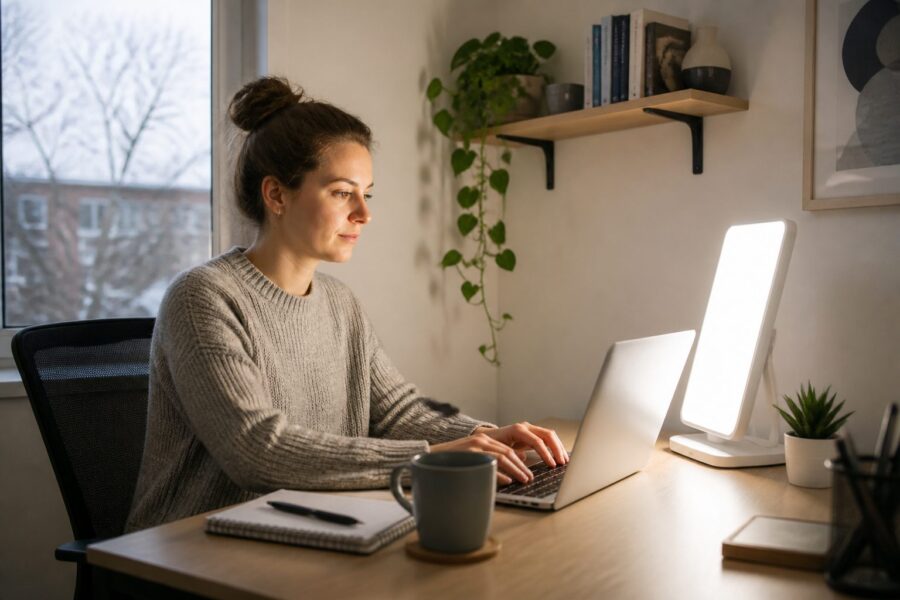
Understanding how light therapy can help alleviate the symptoms of SAD is crucial, especially for remote workers who may struggle with isolation and decreased motivation. Integrating a light therapy lamp into your home office setup can significantly boost your mood and enhance your productivity, making it easier to navigate the challenges of working from home.
What is Seasonal Affective Disorder and Who Is at Risk
Seasonal Affective Disorder is a type of depression that is specifically related to changes in seasons, and it often presents symptoms that can be quite debilitating. Symptoms of SAD typically include feelings of hopelessness, persistent fatigue, and difficulty concentrating, all of which can significantly affect a person’s work performance and overall quality of life.
The exact cause of SAD isn’t fully understood, but it is widely believed to be linked to reduced sunlight exposure during the fall and winter months. This lack of light can disrupt your body’s internal clock, leading to imbalances in essential hormones like serotonin, which is crucial for mood regulation, and melatonin, which helps control sleep patterns.
Research indicates that women are more likely to suffer from SAD than men, with studies showing that the prevalence rate can be up to four times higher in women. Additionally, people who have other depressive disorders or a close family history of mood disorders are more susceptible to experiencing the debilitating effects of SAD.
People living in regions with long winters and limited sunlight are also at an increased risk of developing SAD, as they may spend extended periods without adequate light exposure. If you’ve noticed that your mood tends to dip during the fall and winter months, it might be worth considering whether you are experiencing symptoms of SAD.
Recognizing the signs of SAD early can be incredibly helpful, as it allows you to take proactive measures to combat the disorder, such as incorporating a light therapy lamp into your workspace. This simple yet effective change can make a significant difference in alleviating symptoms associated with SAD, thereby improving your overall mental health and well-being.
How Bright Light Therapy Works at the Biological Level
Bright light therapy is thought to work by mimicking natural sunlight, which plays a vital role in regulating your body’s circadian rhythms and overall hormonal balance. This exposure to bright light is believed to increase serotonin levels in the brain, thereby improving mood and energy levels, making it an effective treatment for SAD.
Additionally, light therapy influences melatonin production, which helps to stabilize sleep patterns and enhance sleep quality. A well-regulated sleep cycle is essential for maintaining overall mental health and can significantly mitigate the negative effects of SAD on your daily life.
When the body receives light through the eyes, it sends specific signals to the brain that prompt it to adjust hormone levels accordingly. This biological response can lead to more stable moods, higher energy levels, and improved cognitive function, all of which are beneficial when coping with SAD.
The effectiveness of light therapy can vary based on individual responses to treatment and the specific type of light being used. Therefore, it’s essential to choose a suitable light therapy lamp for your home office that meets your needs to maximize the benefits of this therapeutic approach.
Understanding the biological mechanisms behind bright light therapy can empower you to use it more effectively in your daily routine. By incorporating it into your workday, particularly during hours when you feel most sluggish, you can enhance your overall productivity and well-being.
Lux Output Requirements: How Bright Does a Light Therapy Lamp Need to Be
The effectiveness of a light therapy lamp is largely determined by its lux output, which measures the intensity of light that the lamp emits. Typically, a lamp designed for therapeutic purposes should provide a brightness of at least 10,000 lux to be effective for treating symptoms of Seasonal Affective Disorder.
For context, regular indoor lighting usually measures around 100 to 500 lux, which is far too low for effective therapeutic purposes. Therefore, when selecting a SAD lamp for your desk or workspace, it is crucial to look for one that meets or exceeds this lux requirement to ensure optimal benefits.
| Lux Level | Light Type | Usage Recommendations |
|---|---|---|
| 10,000 lux | Light Therapy Lamp | Ideal for SAD treatment |
| 2,500 – 5,000 lux | Standard Desk Lamp | Not effective for SAD |
| 100 – 500 lux | Regular Indoor Lighting | Insufficient for therapy |
| 1,000 lux | Daylight LED Bulb | Helpful but not optimal |
When selecting a daylight therapy lamp, remote workers should prioritize brightness to ensure its efficacy against SAD symptoms. Pay careful attention to the wattage and the type of bulb used in the lamp, as these factors contribute significantly to the overall lux output and its therapeutic potential.
Session Duration and Timing: When to Use Your Lamp During Work Hours
The duration and timing of light therapy sessions play a crucial role in their overall effectiveness and impact on mood. Many experts recommend starting with sessions of 20 to 30 minutes of light exposure each morning for optimal results, as this aligns with your body’s natural circadian rhythms.
Morning sessions are particularly beneficial because they coincide with the onset of natural daylight, making them more effective at regulating your internal clock. Consistency is key in achieving the desired results, so try to incorporate light therapy into your daily work routine to help combat feelings of lethargy and sadness.
Using your light therapy lamp during breaks can also provide a quick energy boost and improve your mood throughout the day. Short, frequent sessions of light exposure can help maintain your spirits, especially during the darker winter months when feelings of isolation and sadness can be more pronounced.
Experimenting with different session lengths might be beneficial to find what works best for you, as individual responses to light therapy can vary widely. Some remote workers have reported that extending their sessions to 45 minutes enhances their mood and productivity, allowing them to tackle their work with renewed vigor.
Monitoring how you feel after each session can guide you in adjusting the duration and timing of your light therapy exposure. Over time, you will find the optimal balance that works for you to keep SAD symptoms at bay while still being productive in your work environment.
Desk Placement and Eye Angle for Safe, Effective Therapy
The placement of your light therapy lamp is crucial for maximizing its benefits and ensuring effective treatment of SAD symptoms. Ideally, you should position the lamp about 16 to 24 inches from your face, at an angle that allows light to enter your eyes indirectly while you work.
Avoid looking directly at the light, as this can cause discomfort and eye strain over time. Instead, allow the light to wash over your face and upper body while you engage in your tasks, creating a pleasant and uplifting atmosphere in your workspace.
Ensuring that your light therapy lamp is at eye level can also enhance its effectiveness, as this positioning helps maintain a comfortable angle for light exposure. This setup allows for better light distribution without straining your neck or causing physical discomfort during lengthy work sessions.
It’s essential to find a desk setup that accommodates this arrangement comfortably, as a well-organized workspace can enhance your productivity while ensuring you reap the benefits of light therapy. Consider your seating arrangement, desk height, and overall workspace ergonomics to create a conducive environment.
Consider using adjustable lamp stands or wall mounts to optimize your light therapy experience based on your personal preferences and workspace design. This flexibility allows you to customize your setup according to your needs, ensuring that you can easily access the light therapy benefits throughout your workday.
Choosing Between Box Lamps, Panel Lamps and Desk-Integrated Designs
When selecting a light therapy lamp, you have several options available, including box lamps, panel lamps, and desk-integrated designs, each offering different benefits based on your workspace and personal preferences. Understanding the characteristics of each type can help you make an informed decision that suits your needs.
Box lamps are typically larger in size and provide a wider beam of light, making them ideal for full-face exposure during therapy sessions. Panel lamps, on the other hand, are more compact and can be easily placed on a desk without taking up much space, making them a practical choice for smaller work areas.
- Box lamps for full-face exposure and larger light coverage
- Panel lamps for compact spaces and ease of use
- Desk-integrated designs for convenience and seamless integration
- Adjustable stands for added versatility in positioning
- Lightweight options for portability and easy relocation
Desk-integrated designs fit seamlessly into your existing setup, making them a practical choice for remote workers who want to maximize their workspace. When considering which lamp to choose, take into account your specific needs, workspace layout, and any other factors that may influence your decision.
Using Light Therapy Without Disrupting Your Video Call Setup
In today’s remote work environment, video calls are a daily occurrence that can significantly impact how you present yourself professionally. Finding a way to utilize your light therapy lamp without disrupting your video call setup is essential for maintaining professionalism and ensuring you appear well-lit during important meetings.
One effective strategy is to position your light therapy lamp slightly off-camera during video calls. This way, you can enjoy the benefits of the lamp while still appearing well-lit and professional on screen, striking a balance that enhances both your mood and your visual presentation.
Another option is to use adjustable lamps that can be easily repositioned as needed. This flexibility allows you to switch between therapy sessions and video calls without much hassle or disruption, ensuring that you can maintain your productivity throughout the day.
It’s also helpful to choose lamps that have a sleek, modern design that blends seamlessly with your workspace. By selecting a lamp that is aesthetically pleasing, you can ensure that it won’t become an eyesore during meetings or detract from your professional appearance.
Maintaining a balance between your light therapy and video calls is crucial for remote workers who want to stay productive and presentable. Finding the right placement and lamp type can help you effectively integrate light therapy into your daily routine without compromising your professional image.
Side Effects to Monitor When Starting Light Therapy
While light therapy is generally considered safe for most individuals, some people may experience side effects, especially during the initial phase of treatment. Common side effects can include headaches, eye strain, and irritability, particularly as your body adjusts to the increased exposure to bright light.
It’s essential to start with shorter therapy sessions and gradually increase the duration to minimize discomfort and allow your body to adapt. Pay close attention to how your body responds during these initial sessions, and be prepared to adjust your routine as necessary based on your experience.
Consulting with a healthcare professional before starting light therapy is advisable, especially if you have pre-existing conditions or are taking medications that may interact with light exposure. Listening to your body and being aware of any side effects can guide you in optimizing your light therapy experience for maximum benefit.
Being aware of potential side effects can help you manage them effectively and make informed decisions about your treatment. If side effects persist or worsen, consider reassessing your light therapy lamp setup and usage to ensure you are using it correctly.
Staying informed about your experience with light therapy can lead to better outcomes and improved mental health. With careful monitoring and attention to your body’s responses, you can enjoy the numerous benefits of light therapy while minimizing any adverse effects that may arise.
Combining Light Therapy With Other Wellness Habits for Remote Workers
Incorporating light therapy into your daily routine can be even more effective when combined with other wellness habits that promote overall health and well-being. Engaging in regular physical activity, maintaining a balanced diet, and practicing mindfulness techniques can significantly enhance your mental and emotional wellness.
Taking breaks to stretch, move around, and engage in light exercise during work hours can boost your mood and energy levels. Additionally, establishing a consistent sleep schedule alongside light therapy can further improve your mental health by helping regulate your body’s natural rhythms.
Engaging in social activities, even if they are virtual, can help combat feelings of isolation and loneliness that often accompany the winter months when SAD symptoms may flare up. This holistic approach to wellness can significantly alleviate the symptoms of SAD and foster a sense of connection and support.
Combining light therapy with these additional wellness practices creates a supportive environment for remote workers striving to maintain their mental health. Striking a balance between work and wellness is essential for maintaining a positive mindset, particularly during challenging seasons.
By integrating light therapy and other healthy habits, you can create an uplifting atmosphere in your home office that encourages productivity and overall happiness. Ultimately, this comprehensive approach not only enhances your work performance but also contributes to a higher quality of life.


