

Creating an efficient small space home office requires more than just a desk and a chair; it encompasses a well-thought-out arrangement of your workspace that promotes productivity and comfort. It involves understanding the materials you use, the organization of these materials, and how to manage them effectively to suit your work style and needs.
In this guide, we will explore the essential concepts of active versus inactive work material, which are crucial in improving the organization of your workspace. Knowing how to categorize your office supplies into these two categories can lead to a more organized and productive workspace, allowing you to focus on your tasks without unnecessary distractions.
With the right strategies in place, anyone can optimize their small home office setup to maximize functionality and efficiency. Let’s dive into the key elements and tips to make your workspace not only functional but also enjoyable to work in.
The Concept of Active vs. Inactive Work Material
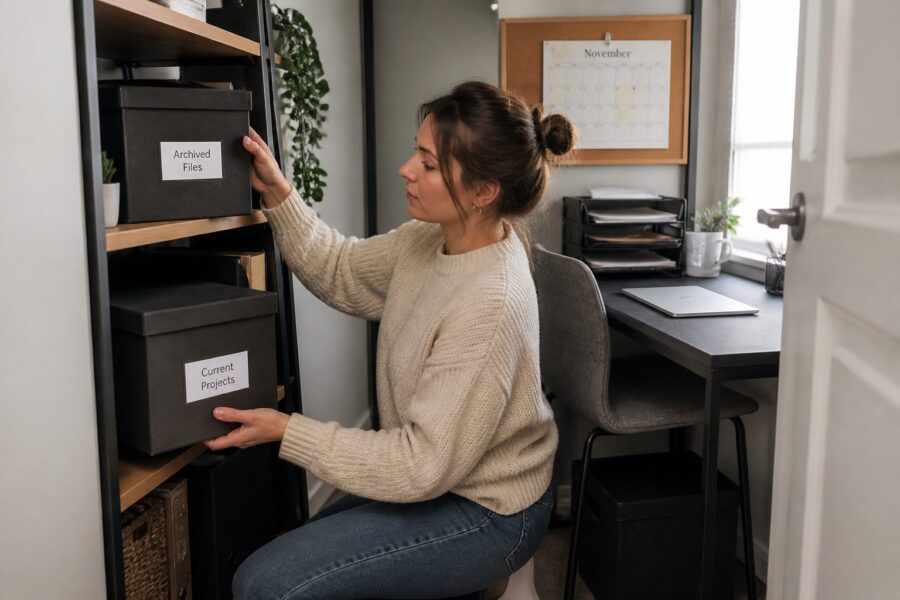
Active work material refers to items you frequently use, such as current projects, essential documents, and daily supplies that contribute directly to your work output. In contrast, inactive work material includes archived files, outdated documents, and resources that aren’t needed regularly, which can clutter your workspace if not managed properly.
Understanding the distinction between these two categories can help you streamline your workspace significantly. Keeping active materials within easy reach while storing inactive items elsewhere not only enhances productivity but also creates a more serene working environment where focus can thrive.
Consider the items that clutter your desk; many of them may fall into the inactive category without you even realizing it. Regularly assessing what you need at hand can make a significant difference in your office environment, transforming it from chaotic to organized with a few simple adjustments.
To effectively manage your materials, create designated zones for active and inactive items that reflect your workflow. This organization method not only boosts efficiency but also provides a clearer overview of your ongoing tasks, making it easier to locate what you need when you need it.
The ultimate goal is to create a workspace that allows for easy access to what you need while minimizing distractions from what you do not. By implementing this simple yet powerful concept, you’ll find that your small space can feel much larger, more organized, and more functional than before.
Identifying What You Actually Need at Your Desk Year-Round
To achieve an organized workspace, start by identifying the materials you truly need throughout the year based on your work habits and projects. This thorough process involves evaluating your current projects and determining which documents, tools, and supplies are essential for your daily operations and should remain at your desk.
Make a comprehensive list of the items that support your daily tasks and ensure that they are kept within arm’s reach at all times. This strategic organization will help you maintain focus while reducing distractions caused by unnecessary clutter that can hinder your productivity.
Consider implementing a rotation system for seasonal archiving of home office materials to keep your workspace relevant and up-to-date. This way, you can adjust your active materials based on ongoing projects and seasonal tasks, which can change throughout the year.
Regularly scheduled reviews of your desk contents can also aid in fine-tuning your workspace for optimal efficiency. By assessing what you use frequently versus what collects dust, you can ensure that only the most relevant and necessary materials remain accessible at all times.
Ultimately, keeping only what you need creates a clearer and more inviting workspace that fosters creativity and productivity. This approach not only saves time but enhances your overall work experience, allowing you to thrive in your small home office.
Creating a Seasonal Filing Schedule That Takes Minutes
A seasonal filing schedule is a practical and effective way to manage your documents without becoming overwhelmed by the amount of paperwork that accumulates over time. By dedicating just a few minutes each season, you can keep your office organized and efficient, ensuring that you maintain a clean and productive workspace.
Start by setting a calendar reminder for each season to review your files and materials, which will help you stay consistent and on track. This proactive approach ensures that your filing system remains up to date and relevant to your current work demands.
| Season | Action Item | Time Required |
|---|---|---|
| Spring | Clear winter materials | 10 minutes |
| Summer | Update project files | 15 minutes |
| Fall | Prepare for year-end reviews | 20 minutes |
| Winter | Archive documents | 25 minutes |
By breaking down your filing tasks into manageable chunks, you’ll avoid the stress that often comes with a massive cleanup at the end of the year. This streamlined approach allows for easy adjustments based on your needs throughout the year, making office management less daunting.
Over time, this seasonal archiving home office practice will become second nature, making it easier for you to maintain an organized and efficient workspace. You’ll find that consistently managing your archives significantly enhances your work experience and helps you stay focused on your priorities.
Under-Bed and High-Shelf Storage for Archived Materials
Utilizing under-bed and high-shelf storage can be a game changer for compact document storage in a small home office environment. These often-overlooked spaces can provide ample room for archived materials without cluttering your workspace, allowing you to keep your essential items easily accessible.
Consider using plastic bins or boxes that slide easily under your bed, maximizing hidden storage options. Label each container clearly to ensure you can quickly identify the contents without having to dig through them, saving time and minimizing frustration.
For high-shelf storage, sturdy shelving units are essential for effectively managing your archived documents. Ensure that the items you place up high are those you rarely need, making it easier to keep your desk area clear and your active materials within reach.
Using these storage solutions will maximize your limited space while keeping archived materials organized and accessible. This approach allows you to maintain a tidy environment that is conducive to productivity and creativity, essential for a successful home office.
Additionally, consider incorporating decorative boxes for a more aesthetically pleasing look in your office. This way, your storage becomes part of your office decor rather than an eyesore, blending functionality with style.
Labeling Archive Boxes for Easy Future Retrieval
Labeling your archive boxes is crucial for ensuring easy future retrieval of documents and materials when you need them. A clear labeling system will save you time and frustration when you’re searching for specific files later, preventing unnecessary disruption to your workflow.
Use a consistent format for your labels, including the date and a brief description of the contents to enhance clarity. This will help you quickly identify what’s inside each box without having to open them, making organization seamless.
Color coding can also be an effective method for organizing your archive boxes, as it adds visual clarity. Assign different colors to various categories, making it easier to locate specific files at a glance, thus speeding up the retrieval process.
Additionally, consider creating a master list of your archived materials that is kept easily accessible within your workspace. This document can serve as a quick reference guide, simplifying the retrieval process and enhancing overall efficiency.
Ultimately, an organized labeling system will enhance the efficiency of your small home office and allow you to find what you need quickly and easily. With easy access to your archived materials, you’ll be able to focus on your current projects without unnecessary distractions that could derail your productivity.
Digital Backups as a Complement to Physical Archiving
In today’s digital age, having digital backups of your physical documents is essential for safeguarding your information. These backups not only protect your sensitive data but also free up much-needed physical space in your small office, allowing for a more streamlined environment.
Consider scanning important documents and storing them in a secure cloud service that you trust. This allows for quick access and retrieval while keeping your physical workspace uncluttered, supporting a more efficient workflow.
- Document scanning for essential files
- Utilizing reliable cloud storage solutions
- Performing regular backups to prevent data loss
- Implementing file encryption for security
- Creating digital organization systems for easy navigation
Implementing a digital backup system complements your physical archiving efforts, ensuring that you have copies of all critical documents. This dual approach ensures that you won’t lose important information while maintaining an organized workspace that supports your productivity and creativity.
Moreover, digital files can be easily categorized and searched, which saves you time and energy when you need to locate specific documents. This modern solution supports a more efficient small space home office setup, allowing you to focus on your work rather than on searching for lost items.
How to Decide When a File Is Ready to Archive or Discard
Deciding when to archive or discard a file is a critical step in maintaining an organized workspace that functions smoothly. Start by evaluating the relevance of the document to your current projects and determining whether it still serves a purpose in your ongoing work.
If a file no longer serves a purpose or is outdated, it’s time to consider archiving or discarding it to prevent clutter from accumulating. Implementing a regular review process ensures that your workspace remains efficient, streamlined, and clutter-free, allowing you to focus on what truly matters.
Additionally, consider the legal and compliance aspects of your documents, as some files may need to be retained for specific periods according to regulations. Always check relevant regulations before discarding anything to ensure that you remain compliant with any necessary guidelines.
Keeping a checklist of items that require archiving or disposal can streamline this process and help you stay organized. This proactive approach will help you stay on top of your workspace organization, allowing you to work more effectively and efficiently.
Ultimately, knowing when to archive or discard a file will significantly enhance your productivity and create a more harmonious workspace. A well-organized workspace allows you to focus on what truly matters in your small home office, leading to better outcomes and a more enjoyable work experience.
Using Compression Bags for Bulky Physical Reference Materials
When dealing with bulky physical reference materials, compression bags can be a lifesaver and a practical solution to space management. These bags allow you to store materials compactly, maximizing your limited space without sacrificing accessibility or organization.
By removing excess air, compression bags reduce the volume of your materials significantly, making it easier to store them under your bed or on high shelves. This clever use of storage not only conserves space but also helps maintain an organized and tidy workspace.
Moreover, compression bags protect your documents from moisture and dust, which can cause deterioration over time. This added layer of protection ensures that your reference materials remain in good condition, ready for use whenever you need them.
When using compression bags, remember to label them clearly with their contents for easy identification. This practice will help you find what you need without having to open every bag, saving you time and making your organization efforts more effective.
Using compression bags is a smart solution for anyone looking to optimize their small space office and maintain organization. They not only save space but also keep your materials organized and protected, allowing for a more efficient and enjoyable work environment.
Reviewing and Auditing Your Archives Annually
Conducting an annual review and audit of your archives is essential for maintaining an organized workspace that supports productivity and efficiency. This practice allows you to assess the relevance of your stored materials, helping you make necessary adjustments that keep your office running smoothly.
Set a specific date each year to go through your archived files, making it a routine part of your office management. This dedicated time will help you stay accountable for keeping your small office in order and ensure that nothing slips through the cracks.
During this review, ask yourself whether each document is still necessary for your current work. If it’s outdated or no longer relevant, consider archiving or discarding it to maintain an efficient workspace that is free from clutter.
Additionally, updating your labeling system during the audit can enhance efficiency by ensuring that your storage remains organized. A well-maintained archive will contribute to a more productive small space home office, allowing you to focus on your work without distractions.
Ultimately, regular audits will keep your workspace streamlined and functional, providing you with a clear and organized environment. This proactive approach supports sustained productivity in your home office environment, enabling you to achieve your goals and complete your tasks with ease.


