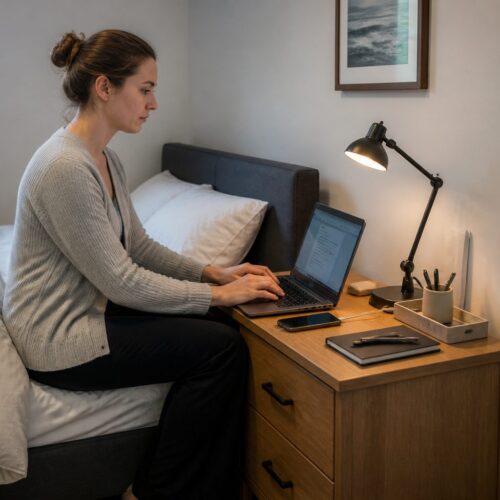


Finding the perfect office chair is essential for any productive workspace. This is especially true when you’re working with limited square footage. A small space office chair with arms can provide the support and comfort you need without overwhelming your room.
But with so many options available, how do you choose the right one? Let’s discuss what to look for in a compact office chair that will fit your space and support your body.
We will also consider the materials, durability, and ergonomic adjustments that will make your work life easier. Get ready to transform your small home office into a comfortable and efficient workspace.
Why Choose an Office Chair with Arms?
Office chairs with arms offer several advantages over armless models, especially for those spending long hours at their desks. Armrests provide support for your arms and shoulders, reducing strain and promoting better posture. This can alleviate tension in your neck and upper back.
A chair with arms encourages proper alignment, preventing you from hunching forward. They also offer a place to rest your arms during breaks, further reducing fatigue. Investing in a small space office chair with arms is an investment in your health and productivity.
Beyond the physical benefits, armrests contribute to a sense of security and stability. This can be particularly helpful for individuals who tend to fidget or move around a lot while working. Having a designated place for your arms can promote a more focused and controlled posture.
Think about tasks like typing, writing, or using a mouse. Armrests provide a stable base, enabling more precise movements and reducing the risk of repetitive strain injuries. The right ergonomic chair can truly enhance your overall work experience.
Armrests also play a role in getting in and out of your chair. They provide leverage and stability, especially for individuals with mobility issues. This added support can make a significant difference in comfort and ease of use.

Furthermore, armrests can help prevent you from leaning to one side while working. This balanced posture reduces the risk of muscle imbalances and chronic pain. The subtle support of armrests can have a profound impact on your long-term well-being.
Consider the adjustability of the armrests themselves. Some chairs offer height-adjustable armrests, while others also allow for width and depth adjustments. Finding the perfect armrest position is crucial for optimal comfort and support.
Ultimately, choosing an office chair with arms is a smart decision for anyone who values their health, comfort, and productivity. The benefits extend beyond simple support, contributing to a more focused and balanced work experience. Don’t underestimate the power of well-designed armrests in transforming your workday.
Key Features to Look for: Adjustability, Lumbar Support, and Armrests
When selecting a small space office chair with arms, adjustability is paramount. Look for chairs that offer height adjustment, allowing you to align your feet flat on the floor and your knees at a 90-degree angle.
Adjustable armrests are also essential, enabling you to position them at the correct height for your arms to rest comfortably. A chair with adjustable tilt and tension can further customize your seating experience, providing optimal support for different tasks.
Lumbar support is another critical feature to consider, especially if you experience lower back pain. The ergonomic chair should have a built-in lumbar support system that can be adjusted to fit the natural curve of your spine. This will help maintain proper posture and prevent slouching.
Some chairs offer adjustable lumbar depth and height, allowing you to fine-tune the support to your specific needs. Pay close attention to the armrests themselves, as they come in various styles and materials. Padded armrests provide extra comfort, while adjustable armrests allow you to customize the width and height to accommodate your body size and work habits.
Consider the seat depth adjustment as well. This allows you to customize the distance between the back of the chair and the edge of the seat, ensuring proper thigh support. A seat that is too deep or too shallow can cause discomfort and poor posture.
The tilt mechanism is another important aspect of adjustability. Look for chairs that offer both seat tilt and back tilt, allowing you to recline and change your posture throughout the day. This can help reduce pressure on your spine and improve circulation.
Don’t forget about the importance of a well-designed headrest, especially if you spend long hours working at your desk. An adjustable headrest can provide support for your neck and head, reducing strain and preventing headaches.
Ultimately, the key is to find a chair that allows you to customize the fit to your specific body and work style. Investing in an adjustable ergonomic chair is an investment in your long-term health and productivity.
Types of Small Office Chairs: Mesh, Leather, and Fabric
The material of your compact office chair impacts both its comfort and aesthetics. Mesh chairs are a popular choice for their breathability, allowing air to circulate and preventing you from overheating during long work sessions.
Leather chairs offer a more luxurious look and feel, but may not be as breathable as mesh. Fabric chairs come in a wide variety of colors and patterns, providing versatility in design and comfort.
| Material | Pros | Cons |
|---|---|---|
| Mesh | Breathable, lightweight, modern look | Can be less comfortable for some, less padding |
| Leather | Luxurious, durable, easy to clean | Less breathable, can be expensive |
| Fabric | Versatile, comfortable, wide range of colors | Can stain easily, may require more maintenance |
| Vinyl | Affordable, easy to clean, durable | Not very breathable, can feel sticky |
Beyond the primary materials, consider the construction of the chair’s frame. Metal frames offer superior durability and stability compared to plastic frames. Check the quality of the stitching and upholstery to ensure long-lasting wear.
The type of foam used in the seat cushion also plays a significant role in comfort. High-density foam provides better support and resists compression over time. Consider chairs with molded foam for a more contoured and ergonomic fit.
For those with allergies or sensitivities, hypoallergenic materials are a smart choice. Look for chairs that are free of harsh chemicals and dyes. Consider the environmental impact of the materials as well, opting for sustainable and eco-friendly options whenever possible.
Ultimately, the best material for your compact office chair depends on your individual preferences and needs. Consider your budget, comfort requirements, and aesthetic preferences when making your decision.
Material and Durability Considerations
When choosing a small space office chair with arms, consider not only the material of the seat and back but also the frame and base. A sturdy metal frame will provide better support and durability than a plastic one.
Look for chairs with a weight capacity that exceeds your own weight to ensure long-lasting performance. The base of the chair should be wide enough to provide stability and prevent tipping.
High-quality casters are also essential for smooth and easy movement, especially on hard floors. Consider the type of flooring in your home office when selecting casters, as some are designed specifically for carpet or hardwood.
The stitching and upholstery should be well-crafted and resistant to wear and tear. Investing in a chair made with durable materials will save you money in the long run, as it will withstand daily use and last for years to come.
Examine the chair’s construction for any signs of weakness or poor craftsmanship. Pay attention to the joints and connections, ensuring they are securely fastened. Look for chairs with reinforced stress points for added durability.
Consider the warranty offered by the manufacturer. A longer warranty period indicates greater confidence in the chair’s quality and durability. Read the warranty terms carefully to understand what is covered and what is not.
Don’t be afraid to ask questions about the materials and construction of the chair. A reputable retailer should be able to provide detailed information about the chair’s specifications and performance. Investing in a durable small space office chair with arms is a worthwhile investment in your long-term comfort and productivity.
Think about the long-term use and potential wear and tear. A chair that can withstand daily use and maintain its comfort and support is essential. Selecting quality materials is key to ensuring longevity.
Ergonomic Adjustments for a Small Office Chair with Arms
Proper ergonomic adjustments are crucial for maximizing comfort and preventing strain. Start by adjusting the chair height so that your feet are flat on the floor or supported by a footrest.
Your knees should be bent at a 90-degree angle, and your thighs should be parallel to the floor. Adjust the lumbar support to fit the natural curve of your lower back, providing adequate support and preventing slouching.
Position the armrests so that your arms rest comfortably at your sides, with your shoulders relaxed. Your elbows should be bent at a 90-degree angle, and your wrists should be straight. If your chair has a tilt function, experiment with different angles to find the most comfortable position for your body.
Make sure to take breaks and readjust your chair throughout the day to maintain proper posture and prevent fatigue. A properly adjusted ergonomic chair will support your body and promote a more comfortable and productive work environment.
Take the time to learn how to properly adjust all of the chair’s features. Many chairs come with instructions or online tutorials that can guide you through the process. Don’t be afraid to experiment with different settings until you find the perfect fit.
Consider seeking advice from an ergonomics expert. They can assess your workstation and provide personalized recommendations for chair adjustments and posture correction. A professional assessment can help you prevent injuries and improve your overall comfort.
Remember that ergonomic adjustments are not a one-time fix. Your body may change over time, so it’s important to reassess your chair settings periodically. Pay attention to any discomfort or pain you experience and make adjustments accordingly. Consistency is key to maintaining proper posture and preventing strain.
Think about the tasks you perform most often while seated. Adjust the chair to best support your body during those activities. A small space office chair with arms should adapt to your needs, not the other way around.
Optimizing Your Small Office Space
Beyond the chair itself, consider how you can optimize your small office space for maximum efficiency. Declutter your desk and surrounding area to create a more organized and calming environment.
Use vertical storage solutions, such as shelves or wall-mounted organizers, to maximize space and keep essential items within reach. Position your desk near a window to take advantage of natural light, which can improve your mood and reduce eye strain.
If natural light is limited, invest in a good quality desk lamp that provides adequate illumination without glare. Consider adding plants or other decorative elements to create a more inviting and personalized workspace. The goal is to create a space that is both functional and aesthetically pleasing.
A well-organized and visually appealing workspace can boost your creativity and productivity. A compact office chair paired with a thoughtfully designed workspace can make a big difference in your overall work experience.
Consider the placement of your monitor and keyboard. Your monitor should be positioned at arm’s length and at eye level to prevent neck strain. Your keyboard should be positioned so that your wrists are straight and your elbows are bent at a 90-degree angle.
Use cable management solutions to keep cords organized and out of the way. This will not only improve the appearance of your workspace but also prevent tripping hazards. Consider using a wireless keyboard and mouse to further reduce clutter.
Personalize your workspace with items that inspire and motivate you. This could include artwork, photos, or small objects that bring you joy. Creating a positive and uplifting environment can enhance your focus and creativity.
Think about the acoustics of your small office space. Hard surfaces can create echoes and distractions. Consider adding soft materials, such as rugs or curtains, to absorb sound and create a more peaceful environment. A well-designed workspace will promote focus and productivity.
Integrating Movement into Your Workday
Sitting for prolonged periods can have negative health effects, even with the most ergonomic chair. Incorporate movement into your workday to combat these effects and improve your overall well-being.
Set a timer to remind yourself to stand up and stretch every 30 minutes. Take short walks around your home or office to get your blood flowing and reduce stiffness.
- Stand up and stretch every 30 minutes
- Take short walks around your workspace
- Use a standing desk converter for part of the day
- Incorporate simple exercises into your routine
- Try a balance ball chair for active sitting
Consider using a standing desk converter for at least part of the day. This will allow you to alternate between sitting and standing, reducing the amount of time you spend in a static posture. Standing can improve circulation, boost energy levels, and reduce back pain.
Incorporate simple exercises into your routine, such as shoulder rolls, neck stretches, and leg raises. These exercises can help improve flexibility, reduce muscle tension, and prevent stiffness. Even a few minutes of exercise can make a big difference in your overall well-being.
Try using a balance ball chair for active sitting. This type of chair requires you to engage your core muscles to maintain balance, which can help improve posture and strengthen your back. However, it’s important to use a balance ball chair in moderation, as it can be tiring to sit on for extended periods.
Take advantage of opportunities to move throughout the day. Walk to a colleague’s desk instead of sending an email, or take the stairs instead of the elevator. Every little bit of movement counts towards improving your overall health and well-being. Integrating movement into your workday is essential for long-term health and productivity.
Budget-Friendly Options for Small Spaces
Finding a small space office chair with arms doesn’t have to break the bank. There are many budget-friendly options available that offer good support and comfort without sacrificing quality.
Consider shopping during sales events or looking for refurbished or used chairs in good condition. Online retailers often offer discounts and promotions on office furniture, so be sure to compare prices before making a purchase.
Prioritize essential features like adjustability and lumbar support over luxury materials or fancy designs. A simple, well-designed chair with basic ergonomic features can be just as effective as a more expensive model.
Remember to read reviews and compare features to ensure you’re getting the best value for your money. With a little research and patience, you can find a comfortable and supportive compact office chair that fits your budget and your space.
Explore options like renting an office chair. This can be a cost-effective solution, especially if you’re not sure how long you’ll need the chair. Many companies offer short-term rental options for office furniture.
Consider purchasing a chair without all the bells and whistles. Focus on the core features that are most important to you, such as lumbar support and adjustable armrests. You can always add accessories later if needed.
Look for chairs that are easy to assemble. This can save you money on assembly fees. Many chairs come with clear instructions and require minimal tools for assembly. A compact office chair that is affordable and functional is achievable with a little research.
Don’t be afraid to negotiate the price. Many retailers are willing to offer discounts, especially if you’re purchasing multiple items. It never hurts to ask for a better deal. A budget-friendly option can still provide adequate support and comfort.
Maintaining Your Office Chair
Proper maintenance will extend the life of your small space office chair with arms and keep it looking its best. Regularly vacuum or wipe down the seat and back to remove dust and debris.
Use a mild soap and water solution to clean any spills or stains, and be sure to dry the chair thoroughly afterward. Check the screws and bolts regularly and tighten them as needed to prevent wobbling or instability.
Lubricate the casters occasionally to ensure smooth rolling, and replace them if they become damaged or worn. If your chair has leather upholstery, use a leather conditioner to keep it supple and prevent cracking.
By taking good care of your office chair, you can keep it comfortable and functional for years to come. Regular maintenance will also help prevent costly repairs or replacements.
Protect your chair from direct sunlight, which can fade the upholstery and damage the materials. Consider using a chair cover to protect it from dust and spills. A little preventative care can go a long way in extending the life of your chair.
Avoid placing heavy objects on the chair, as this can damage the frame and cushions. Be careful not to overload the chair beyond its weight capacity. Proper use will help maintain the chair’s integrity.
If you notice any signs of damage, such as tears in the upholstery or broken parts, address them promptly. Small repairs can prevent further damage and extend the life of the chair. Regular inspection is key to identifying potential problems early on.
Consider professional cleaning services for a deep clean of your office chair. This can remove stubborn stains and odors and restore the chair to its original condition. A clean and well-maintained chair will provide a more comfortable and hygienic work environment.
Conclusion
Choosing the right small space office chair with arms is a crucial step in creating a comfortable and productive home office. Consider your needs, space, and budget when making your selection.
Prioritize adjustability, lumbar support, and durable materials to ensure long-lasting comfort and support. Remember to integrate movement into your workday and maintain your chair properly to maximize its lifespan.