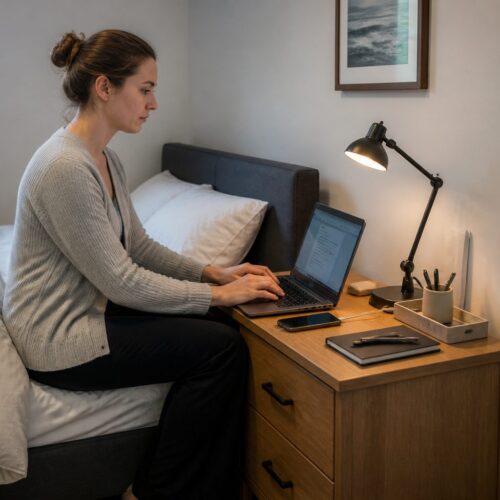


In the realm of small-space living, maximizing every square inch is essential. A desk with built in storage small space is not just a piece of furniture, it’s a strategic solution for maintaining an organized and efficient workspace.
Whether you’re working from home, studying, or pursuing creative projects, a compact workstation can make a significant difference. This article will explore the benefits of a desk with built-in storage, the types available, and how to choose the right one for your needs.
We’ll also cover ergonomic considerations, material and style options, and tips for organizing and maximizing your storage space. By the end, you’ll be equipped to select and set up a storage desk that enhances both productivity and aesthetics in your limited area.
Why Choose a Desk with Built-In Storage?
Choosing a desk with built-in storage offers numerous advantages, especially when space is at a premium. One of the primary benefits is efficient space utilization, allowing you to consolidate your workspace and minimize clutter.
A storage desk provides designated areas for your supplies, files, and equipment, keeping everything within easy reach. This can significantly boost productivity by reducing the time spent searching for items and maintaining a clear, focused environment.
Consider the visual appeal as well, as a compact workstation with integrated storage can contribute to a more streamlined and organized aesthetic. By keeping items out of sight, you can create a cleaner, more professional look that enhances the overall ambiance of your small office.
Moreover, a desk with built in storage small space can be a cost-effective solution compared to purchasing separate storage units. You get both a work surface and storage in one piece of furniture, saving money and floor space.
Beyond saving money, integrated storage solutions often offer a more cohesive design. This unified approach can enhance the overall aesthetic of your room, creating a more harmonious and visually appealing environment. A separate storage unit, while functional, might not always perfectly match your desk, leading to a disjointed look.
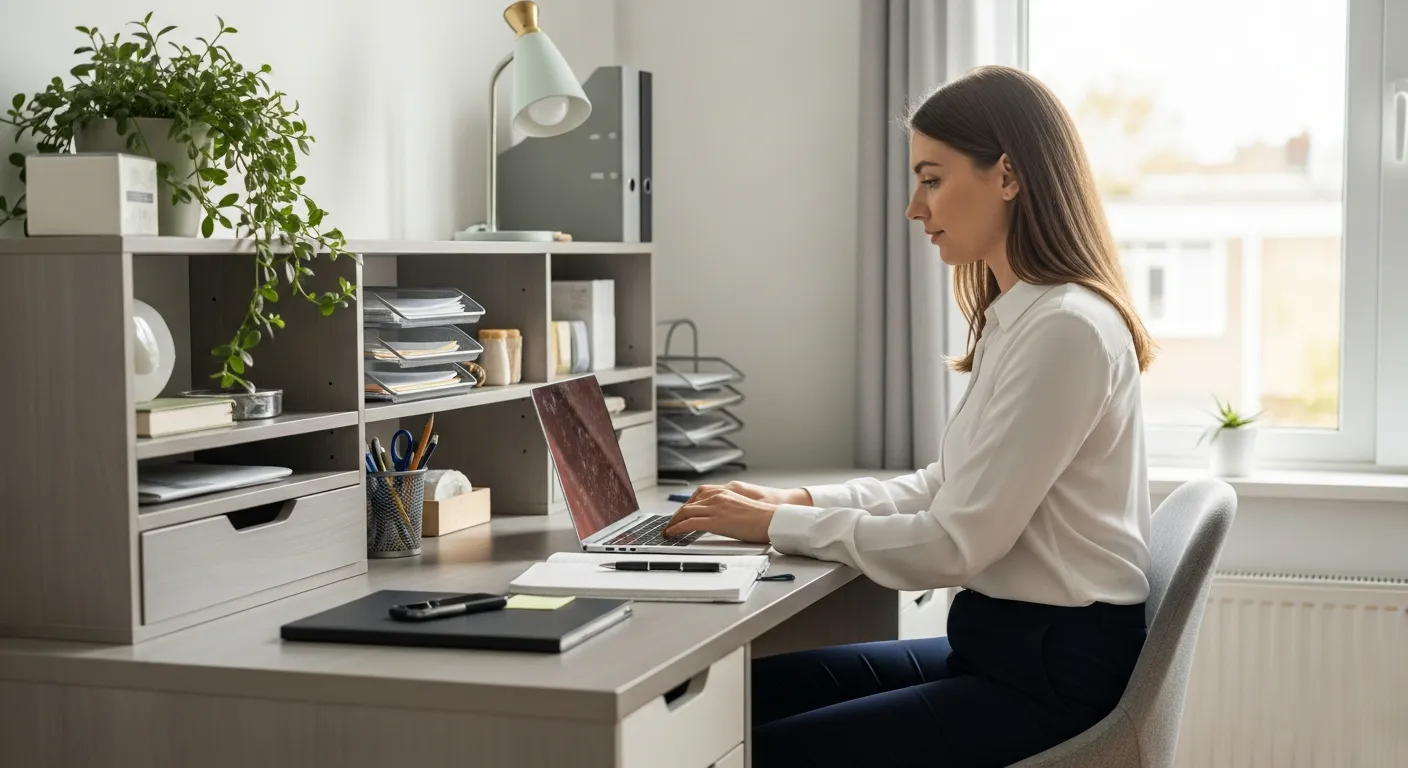
Another significant advantage is the convenience of having everything you need within arm’s reach. Whether it’s pens, paper, or important documents, having dedicated storage compartments right at your desk eliminates the need to get up and search for supplies. This convenience can significantly improve your workflow and reduce distractions.
Furthermore, a desk with built-in storage can help you maintain a more organized and clutter-free workspace. By providing designated spots for all your items, it encourages you to put things away properly after use. This reduces the likelihood of clutter accumulating on your desk surface, creating a more focused and productive environment.
Finally, consider the long-term benefits of investing in a quality desk with built-in storage. A well-constructed desk can last for many years, providing a reliable and functional workspace for all your needs. The initial investment may be higher than a basic desk, but the long-term value and convenience make it a worthwhile choice.
Types of Desks with Built-In Storage: Drawers, Shelves, and Cabinets
Desks with built-in storage come in various designs, each offering unique storage solutions. One common type is the storage desk featuring drawers, which are ideal for storing smaller items like stationery, notebooks, and personal belongings.
Drawers can be positioned under the desk surface or to the side, depending on the design and your preferences. Another option is a desk with shelves, which can be open or closed, providing space for books, files, and decorative items.
Shelves are great for items you want to display or access frequently, offering both functionality and visual appeal. Desks with cabinets offer concealed storage, perfect for keeping larger items or sensitive documents out of sight.
Cabinets can include doors or drawers within the cabinet space, providing versatile storage options. Some desks combine all three storage types, offering a mix of drawers, shelves, and cabinets to accommodate a variety of needs.
Desks with drawers are particularly useful for organizing small office supplies. Consider the depth and width of the drawers to ensure they can accommodate your specific items. Some drawers may also include dividers to further organize smaller items like pens, paper clips, and sticky notes.
Shelves offer a great way to display books, decorative items, or frequently used files. Open shelves provide easy access and a visual display, while closed shelves offer a more concealed and organized look. Think about the weight capacity of the shelves to ensure they can support your items.
Cabinets are ideal for storing larger items or items you want to keep out of sight. They can be used to store printers, computer towers, or personal belongings. Look for cabinets with adjustable shelves to customize the storage space to your needs.
Some desks also feature a combination of these storage options. For example, a desk might have drawers on one side, shelves on the other, and a cabinet in the middle. These versatile designs offer a wide range of storage solutions to accommodate various needs. Consider your specific storage requirements when choosing a desk with a combination of storage options.
Assessing Your Storage Needs Before Buying
Before purchasing a storage desk, it’s essential to assess your specific storage needs. Start by taking inventory of the items you need to store at your workstation, including paperwork, electronics, and office supplies.
Consider the size and quantity of these items to determine the type and amount of storage you’ll require.
| Item Type | Size | Quantity | Storage Solution |
|---|---|---|---|
| Pens & Pencils | Small | 20 | Small Drawer |
| Notebooks | Medium | 5 | Medium Drawer or Shelf |
| Files | Large | 3 | Large Drawer or Cabinet |
| Laptop | Medium | 1 | Shelf or Cabinet |
Think about how frequently you need to access each item. High-priority items should be stored within easy reach, while less frequently used items can be placed in more remote storage areas.
Also, consider the future. Will your storage needs likely increase over time? Planning ahead can help you choose a desk with ample storage to accommodate future growth and prevent the need for additional furniture.
Consider the types of tasks you perform most often at your desk. If you frequently work with paper documents, you’ll need ample storage for files and folders. If you primarily work on a computer, you may need storage for peripherals like printers, scanners, and external hard drives.
Think about the size of your workspace. In a small space, you’ll want to maximize vertical storage to avoid taking up too much floor space. Consider a desk with tall shelves or a combination of drawers and shelves to optimize storage capacity.
Also, consider your aesthetic preferences. Do you prefer open storage or concealed storage? Open storage allows you to display decorative items and easily access frequently used items, while concealed storage provides a cleaner, more organized look. Choose a desk with storage options that align with your personal style.
Finally, don’t forget to consider your budget. Desks with built-in storage can range in price from affordable to high-end. Set a budget before you start shopping to narrow down your options and ensure you find a desk that meets your needs without breaking the bank.
Ergonomic Considerations for Desks with Storage
Ergonomics are crucial when selecting a storage desk, especially if you spend long hours working at it. The height of the desk should allow you to sit with your feet flat on the floor, knees at a 90-degree angle, and elbows close to your body.
Adjustable height desks are an excellent option, as they allow you to customize the desk to your specific needs. When considering storage, ensure that drawers and cabinets don’t obstruct your legroom or force you to sit in an awkward position.
The placement of storage compartments should also be ergonomic. Items you use frequently should be within easy reach, minimizing the need to stretch or strain.
Consider a desk with a keyboard tray to position your keyboard at the correct height, reducing wrist strain. Monitor stands can also help elevate your screen to eye level, preventing neck and shoulder pain.
Pay attention to the depth of the desk. A desk that is too shallow may not provide enough space for your keyboard, monitor, and other essential items. A desk that is too deep may require you to reach too far, causing strain on your shoulders and back.
Consider the placement of storage compartments in relation to your dominant hand. If you are right-handed, you may want to position storage compartments on your right side for easy access. If you are left-handed, you may want to position them on your left side.
Ensure that the desk is sturdy and stable. A wobbly desk can be distracting and uncomfortable to work at. Look for a desk with a solid frame and a stable base to ensure it can support your weight and your equipment.
Finally, consider the adjustability of the storage compartments. Can the shelves be adjusted to different heights? Can the drawers be removed or repositioned? The more adjustable the storage compartments, the more easily you can customize the desk to your specific needs.
Material and Style Choices for Small Office Desks
The material and style of your small office desk can significantly impact the look and feel of your workspace. Wood desks offer a classic, warm aesthetic and are available in various finishes, from light oak to dark mahogany.
Metal desks provide a more modern, industrial look and are known for their durability and clean lines. Glass desks create a sense of spaciousness and can be a stylish choice for contemporary offices.
Laminate desks are a cost-effective option, offering a wide range of colors and finishes. When choosing a style, consider the overall décor of your home and office, and select a desk that complements the existing furniture and color scheme.
Minimalist desks with clean lines and simple designs are ideal for small spaces, as they don’t overwhelm the room. Consider a corner desk to maximize space utilization, fitting snugly into a corner while providing ample workspace and storage.
Wood desks offer a timeless appeal and can be easily integrated into a variety of décor styles. Consider the type of wood and the finish to ensure it complements your existing furniture. Solid wood desks are more durable and long-lasting, but they can also be more expensive.
Metal desks are a great choice for modern or industrial-style offices. They are typically more durable than wood desks and can withstand heavy use. Metal desks often feature clean lines and a minimalist design, making them ideal for small spaces.
Glass desks create a sense of spaciousness and light, making them a good choice for small, dark offices. However, glass desks can be more prone to scratches and fingerprints, so they require more maintenance. Consider the thickness of the glass to ensure it is durable and safe.
Laminate desks are a budget-friendly option that offers a wide range of colors and finishes. Laminate is a synthetic material that is applied to a particleboard or MDF core. While laminate desks are not as durable as solid wood or metal desks, they can be a good choice for light use.
Organizing and Maximizing Storage Space
Effective organization is key to maximizing the storage space in your desk with built in storage small space. Start by decluttering and getting rid of items you no longer need, creating more space for the essentials.
Use drawer organizers to separate small items like pens, paperclips, and sticky notes, keeping them neatly arranged.
- Use drawer dividers
- Label shelves and drawers
- Utilize vertical space
- Keep frequently used items accessible
- Regularly declutter your desk
Label shelves and drawers to easily identify the contents and maintain a logical system. Utilize vertical space by stacking books and files neatly on shelves, maximizing the available storage area.
Keep frequently used items within easy reach, such as on the desk surface or in the top drawer, for quick access. Regularly declutter your desk to prevent buildup and maintain an organized workspace.
Consider using clear storage containers to easily see the contents of drawers and shelves. Roll up cables and wires to keep them organized and prevent them from tangling. Use binder clips to keep papers and documents neatly organized.
Utilize the space under your desk for storage. Place a small storage cart or basket under your desk to store items like books, files, or personal belongings. Consider using a footrest with built-in storage to maximize space utilization.
Hang organizers on the side of your desk to store items like pens, pencils, and notebooks. Use a monitor stand with built-in storage to elevate your monitor and create additional storage space. Consider using a keyboard tray with built-in storage to free up desk space.
Regularly review your storage needs and adjust your organization system as needed. As your needs change, you may need to re-evaluate your storage solutions and make adjustments to ensure your workspace remains organized and efficient. Don’t be afraid to experiment with different organization techniques to find what works best for you.
Additional Storage Solutions for Small Spaces
Beyond the built-in storage of your desk, consider incorporating additional storage solutions to further maximize space. Wall-mounted shelves can provide extra storage without taking up valuable floor space, ideal for books, decorations, or office supplies.
Rolling carts can be easily moved around, offering flexible storage options for various items. Consider using storage bins or baskets to organize items on shelves or in cabinets, keeping everything tidy and accessible.
Over-the-door organizers can be used to store small items like stationery, cables, or personal belongings, utilizing often-overlooked space. Floating shelves are a stylish and functional option, providing storage without the bulk of traditional shelving units.
Hanging organizers can be used to store files, magazines, or other items, keeping them off the desk surface and within easy reach. By combining these additional storage solutions with your desk, you can create a highly organized and efficient small office.
Consider using a pegboard to create a customizable storage system for small items. Pegboards can be mounted on the wall and used to hang tools, office supplies, or decorative items. They are a versatile and affordable storage solution for small spaces.
Utilize the space above your desk by installing overhead cabinets or shelves. Overhead storage can be used to store less frequently used items or decorative items. Make sure to choose cabinets or shelves that are easy to reach and don’t obstruct your view.
Consider using a storage ottoman or bench to provide additional seating and storage. Storage ottomans and benches can be used to store blankets, pillows, or office supplies. They are a stylish and functional addition to any small space.
Don’t forget to utilize the space behind your door. Install a door-mounted organizer to store shoes, accessories, or office supplies. Door-mounted organizers are a great way to utilize otherwise wasted space.
Lighting and Accessories to Enhance Your Workspace
Proper lighting and accessories are essential for creating a productive and comfortable workspace. Task lighting, such as a desk lamp, provides focused illumination for specific tasks, reducing eye strain and improving visibility.
Ambient lighting, such as overhead lights or floor lamps, provides general illumination for the room, creating a balanced and comfortable atmosphere. Natural light is also crucial, so position your desk near a window if possible.
Accessories like monitor stands, keyboard trays, and cable organizers can enhance ergonomics and reduce clutter. Consider adding personal touches like plants, artwork, or photos to create a more inviting and inspiring workspace.
A comfortable chair is essential for maintaining good posture and preventing back pain. By carefully selecting lighting and accessories, you can create a workspace that is both functional and aesthetically pleasing.
Choose a desk lamp with adjustable brightness and color temperature to customize the lighting to your specific needs. Consider using a blue light filter on your computer screen to reduce eye strain and improve sleep quality. Add a plant to your desk to improve air quality and create a more relaxing atmosphere.
Use a cable organizer to keep your cables and wires neatly organized and out of sight. Consider using a wireless keyboard and mouse to reduce clutter on your desk. Add a comfortable wrist rest to your keyboard to prevent wrist strain.
Personalize your workspace with artwork, photos, or other decorative items that inspire you. Choose colors that create a calming and productive atmosphere. Consider using a standing desk converter to alternate between sitting and standing throughout the day.
Invest in a high-quality monitor with adjustable height and tilt to ensure proper ergonomics. Use a headset or microphone for video calls to improve audio quality and reduce background noise. Consider using a noise-canceling headset to block out distractions and improve focus.
Maintaining an Organized Workspace
Maintaining an organized workspace is an ongoing process that requires consistent effort. Establish a daily cleaning routine to clear clutter and keep your desk tidy.
File papers and documents regularly to prevent buildup and maintain a streamlined system. Use digital tools like cloud storage and document scanners to reduce paper clutter and keep important information accessible.
Set aside time each week to declutter your desk and storage compartments, getting rid of items you no longer need. Create a designated space for incoming papers and mail, preventing them from piling up on your desk.
Implement a system for managing cables and wires, keeping them neatly organized and out of sight. By maintaining an organized workspace, you can create a more productive and enjoyable work environment.
At the end of each workday, take a few minutes to tidy up your desk and put everything back in its place. This will help you start each day with a clean and organized workspace. Make it a habit to regularly purge your files and documents, getting rid of anything you no longer need.
Use a digital calendar and task management system to keep track of your appointments and deadlines. This will help you stay organized and avoid missing important tasks. Consider using a password manager to securely store your passwords and avoid having to remember them all.
Create a system for managing your email inbox, such as using folders or labels to categorize your messages. This will help you stay on top of your email and avoid feeling overwhelmed. Consider using a tool to schedule your social media posts in advance, freeing up time to focus on other tasks.
Regularly back up your important files and documents to a secure location, such as an external hard drive or cloud storage service. This will protect your data in case of a computer crash or other disaster. Consider using a VPN to protect your online privacy and security.
Conclusion
A desk with built in storage small space is a game-changer for anyone looking to maximize efficiency and organization in a limited area. By carefully assessing your storage needs, considering ergonomic factors, and selecting the right material and style, you can create a workspace that is both functional and aesthetically pleasing.
Remember to incorporate additional storage solutions, optimize lighting and accessories, and maintain an organized routine to keep your workspace clutter-free and productive. With the right compact workstation, even the smallest spaces can become havens of productivity and creativity.
Ultimately, the key to creating a successful small workspace is to prioritize functionality and organization. By carefully planning your layout and storage solutions, you can create a space that is both efficient and enjoyable to work in. Don’t be afraid to experiment with different ideas and techniques to find what works best for you.
Investing in a quality desk with built-in storage is a worthwhile investment that can pay off in increased productivity and reduced stress. A well-organized workspace can help you stay focused, motivated, and efficient. Take the time to create a space that supports your work style and helps you achieve your goals.
So, embrace the challenge of small-space living and transform your limited area into a productive and inspiring workspace. With the right desk and the right organization system, you can achieve more than you ever thought possible. Start planning your dream workspace today and unlock your full potential.