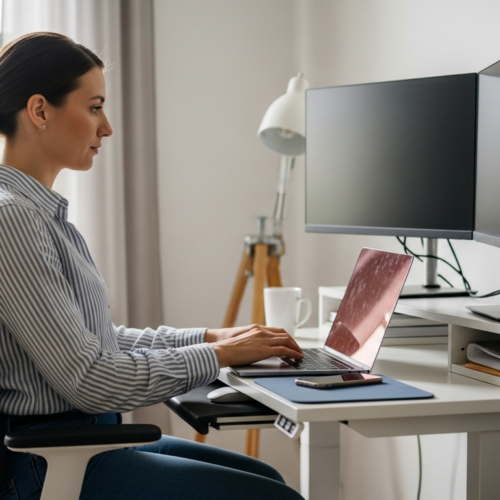


In the quest to create a functional and inspiring workspace, the right desk organizer for small spaces can make all the difference. A well-organized desk not only boosts productivity but also contributes to a more serene and focused environment. Let’s explore some top desk organizers that will help you maximize space and efficiency in your small home office.
From tiered organizers to drawer inserts, there are many options to consider. Discover how to transform your compact workspace into an organized haven with these space-saving desk solutions.
Whether you’re dealing with limited square footage or simply aiming to declutter, the right desktop caddy can be a game-changer. This article will guide you through the best options, ensuring your small home office is both functional and stylish.
Understanding Your Space Needs: A Quick Assessment
Before diving into the world of desk organizers, take a moment to assess your specific needs. What type of work do you primarily do at your desk?
Consider the items you frequently use and those that tend to clutter your space. This initial assessment will help you choose the most effective type of desk organizer for small spaces.
Start by identifying the main culprits of your desk disarray. Are loose papers, pens, and sticky notes taking over, or is it a chaotic mix of electronic accessories and cables?
Knowing what you need to contain will guide you toward the right solutions. Think about whether you need more horizontal or vertical storage, and how accessible each item needs to be.
Think about the types of tasks you perform regularly. Do you need quick access to reference materials or a dedicated space for crafting supplies?

Consider the size of your desk and the available space around it. A thorough assessment will ensure you select organizers that fit seamlessly into your workspace and enhance its functionality.
Don’t forget to account for any existing storage solutions you already have. You might be able to integrate new organizers with your current setup to create a more cohesive and efficient system.
Also, consider your workflow. Do you tend to work on multiple projects at once, or do you prefer to focus on one task at a time?
Your work habits will influence the type of organizer that will best support your productivity.
Tiered Organizers: Stacking Up Solutions
Tiered organizers are a fantastic solution for maximizing vertical space on your desk. These organizers typically feature multiple levels or trays, allowing you to neatly stack items.
They are perfect for sorting papers, files, and even small office supplies. Tiered organizers come in various materials, including metal, plastic, and wood, so you can choose one that matches your aesthetic.
One of the key advantages of tiered organizers is their ability to keep items visible and accessible. This is especially useful for documents you need to reference frequently.
Consider a tiered letter tray to keep your important documents sorted and within reach. Another option is a multi-tiered desk shelf, which can hold everything from books to decorative items, adding both functionality and style to your compact organizer setup.
Tiered organizers are particularly useful for those who work with a lot of paper. They allow you to sort and categorize documents, making it easy to find what you need quickly.
Look for tiered organizers with adjustable shelves or trays to accommodate items of different sizes. This will give you more flexibility and allow you to customize the organizer to suit your specific needs.
Some tiered organizers also come with built-in drawers or compartments for storing smaller items. This can be a great way to keep your desk clutter-free and organized.
When choosing a tiered organizer, consider the weight capacity of each shelf or tray. Make sure it can support the weight of the items you plan to store on it.
Also, think about the overall stability of the organizer. You want to choose one that is sturdy and won’t tip over easily.
Drawer Inserts: Customizing Your Storage
Drawer inserts are essential for keeping the inside of your desk drawers organized and clutter-free. These inserts come in various configurations, with compartments designed to hold different items.
From pen holders to small trays for paperclips and sticky notes, drawer inserts help you maximize every inch of space. They also prevent items from rolling around and creating a mess.
| Drawer Insert Type | Best For | Material Options |
|---|---|---|
| Pen and Pencil Holders | Keeping writing utensils organized | Plastic, Wood, Metal |
| Small Parts Trays | Storing paperclips, rubber bands, and small items | Plastic, Silicone |
| Document Organizers | Sorting important papers and files | Plastic, Mesh |
| Customizable Dividers | Creating custom compartments for various items | Plastic, Foam |
When choosing drawer inserts, measure your drawers to ensure a proper fit. Look for adjustable or modular options that allow you to customize the layout to suit your specific needs for a space-saving desk.
A well-organized drawer can significantly reduce clutter and make it easier to find what you need. This makes drawer inserts an indispensable part of any efficient desktop caddy system.
Consider the depth of your drawers when selecting inserts. Some inserts are designed for shallow drawers, while others are better suited for deeper ones.
Think about the types of items you typically store in your drawers. Do you need a dedicated space for electronics, or are you primarily storing office supplies?
Choose inserts with compartments that are appropriately sized for your belongings. Also, consider the material of the drawer inserts.
Plastic inserts are easy to clean and maintain, while wooden inserts offer a more sophisticated look. Mesh inserts are great for allowing air to circulate, preventing moisture buildup.
Look for drawer inserts with non-slip bottoms to prevent them from sliding around when you open and close the drawer. This will help keep your items organized and prevent them from getting jumbled up.
Vertical File Holders: Managing Documents Efficiently
Vertical file holders are an excellent way to manage documents without taking up too much desk space. These holders allow you to store files upright, making them easy to flip through and locate specific papers.
They are especially useful for organizing project files, invoices, and other important documents that you need to access regularly. Vertical file holders come in various styles, including wall-mounted options, which can free up even more desk space.
Consider using a multi-tiered vertical file holder to sort documents by category or project. Label each section clearly to make it easy to find what you need at a glance.
Another option is a rotating file organizer, which allows you to access multiple files from different angles. This type of organizer is particularly useful if you work on several projects simultaneously and need quick access to various documents, integrating seamlessly into your compact organizer setup.
By utilizing vertical file holders, you can keep your desk clear of paper clutter and maintain a more organized workspace. This not only improves productivity but also reduces stress and enhances focus.
When choosing vertical file holders, consider the size and type of documents you need to store. Some holders are designed for standard letter-size files, while others can accommodate larger documents.
Think about whether you need a file holder that can be easily moved around or one that is permanently mounted to the wall. Portable file holders are great for those who need to work in different locations.
Wall-mounted file holders are ideal for maximizing space in a small office. Look for file holders with sturdy construction and a durable finish.
Metal file holders are typically more durable than plastic ones, but they can also be more expensive. Consider the weight capacity of the file holder to ensure it can support the weight of your documents.
Also, think about the overall design of the file holder. Choose one that complements your office decor and enhances the aesthetic appeal of your workspace.
Desktop Shelves: Adding Levels to Your Workspace
Desktop shelves are a versatile solution for adding extra storage space to your desk without occupying valuable surface area. These shelves can be placed on top of your desk to create additional levels for storing books, supplies, and decorative items.
They are perfect for maximizing vertical space and keeping essential items within easy reach. Desktop shelves come in various sizes and styles, including adjustable and stackable options.
Consider using a desktop shelf to create a dedicated space for your monitor, raising it to a more ergonomic height. This not only frees up desk space but also improves your posture and reduces neck strain.
Another option is a corner desk shelf, which can utilize often-overlooked areas of your desk. This type of shelf is perfect for storing items you don’t need to access frequently but want to keep nearby, helping to create an efficient compact organizer system.
By adding desktop shelves to your workspace, you can create a more organized and functional environment. This allows you to keep essential items within reach while minimizing clutter and maximizing space.
When selecting desktop shelves, consider the size of your desk and the amount of space you have available. Measure the area where you plan to place the shelf to ensure it will fit properly.
Think about the types of items you want to store on the shelf. Do you need a shelf that can support heavy books, or are you primarily storing lightweight items?
Choose a shelf with a weight capacity that is appropriate for your needs. Also, consider the material of the desktop shelf.
Wooden shelves are sturdy and durable, while metal shelves offer a more modern look. Glass shelves are elegant and stylish, but they may not be as durable as other options.
Look for desktop shelves with adjustable shelves or compartments. This will allow you to customize the shelf to suit your specific needs and maximize its functionality.
Choosing the Right Material: Durability and Aesthetics
When selecting desk organizers, the material is a crucial factor to consider, impacting both durability and aesthetics. The material you choose should align with your personal style and the overall decor of your home office.
Different materials offer varying levels of durability, so think about how much wear and tear your desk organizers will endure. Consider the pros and cons of each material to make an informed decision.
- Plastic: Lightweight and affordable
- Metal: Durable and modern
- Wood: Classic and sturdy
- Mesh: Breathable and industrial
- Acrylic: Sleek and transparent
For a modern and minimalist look, consider metal or acrylic desk organizers. These materials offer a sleek and clean aesthetic that complements contemporary office designs, making them a great choice for a desktop caddy.
If you prefer a more traditional or rustic style, wood or woven organizers might be a better fit. These materials add warmth and character to your workspace, creating a cozy and inviting atmosphere.
Consider the ease of cleaning and maintenance for each material. Some materials, like plastic and metal, are easy to wipe down and keep clean.
Others, like wood, may require more specialized cleaning products and care. Think about the environmental impact of the materials you choose.
Opt for sustainable and eco-friendly materials whenever possible. Bamboo and recycled plastic are great options for those who want to minimize their environmental footprint.
Also, consider the texture and feel of the materials. Do you prefer a smooth and sleek surface, or a more textured and tactile one?
The texture of the materials can affect the overall look and feel of your workspace. Choose materials that you find visually appealing and comfortable to touch.
Additional Tips for Maximizing Small Office Space
Beyond desk organizers, there are several other strategies to maximize space in a small home office. Consider mounting shelves on the walls to store books, files, and decorative items.
This frees up valuable desk space and adds visual interest to the room. Another tip is to use a rolling cart for storing supplies or equipment.
A rolling cart can be easily moved around as needed and tucked away when not in use. Opt for multi-functional furniture, such as a desk with built-in storage or a chair with hidden compartments.
These pieces can help you maximize space without sacrificing functionality. Keep your desk clear of clutter by regularly decluttering and organizing your belongings.
Designate a specific place for everything and make it a habit to put things back where they belong. This will help you maintain a tidy and organized workspace, even in a small space, ensuring your space-saving desk remains functional.
Utilize vertical space by installing tall bookshelves or cabinets. These can provide ample storage without taking up too much floor space.
Consider using a Murphy bed or a foldable desk that can be easily stored away when not in use. This is a great option for those who need to use their home office for multiple purposes.
Hang mirrors on the walls to create the illusion of more space. Mirrors can reflect light and make a small room feel larger and more open.
Use light and bright colors to paint the walls and choose furniture in similar shades. Light colors can make a small room feel more airy and spacious.
Avoid using dark or heavy colors, as these can make a room feel smaller and more cramped. Keep your office well-lit with natural light whenever possible.
The Importance of Regular Decluttering
Even with the best desk organizers, clutter can accumulate over time if you don’t declutter regularly. Make it a habit to go through your desk and drawers every few weeks to remove items you no longer need.
This includes old papers, broken pens, and other miscellaneous items that can take up valuable space. Consider implementing a “one in, one out” rule for office supplies.
For every new item you bring into your office, get rid of an old one. This will help you prevent clutter from accumulating and maintain a more organized workspace.
Another strategy is to digitize as many documents as possible. Scan important papers and store them electronically to reduce paper clutter and free up physical space.
By decluttering regularly and digitizing documents, you can maintain a tidy and efficient workspace. This will help you stay focused and productive, even in a small home office, and allows your desktop caddy to remain effective.
Schedule regular decluttering sessions in your calendar. This will help you stay on track and prevent clutter from building up over time.
Create a designated space for items that you need to declutter. This could be a box or a bin where you can temporarily store items that you’re not sure whether to keep or discard.
Go through this box or bin regularly and make decisions about what to keep, donate, or throw away. Be ruthless when decluttering. If you haven’t used an item in a long time, it’s probably time to get rid of it.
Don’t be afraid to donate or sell items that you no longer need. This can be a great way to declutter your office and give your belongings a new home.
Also, consider recycling paper and other materials whenever possible. This is a great way to reduce waste and help protect the environment.
Conclusion
Creating an organized and efficient small home office is achievable with the right desk organizers. By understanding your space needs, choosing the right types of organizers, and maintaining a clutter-free environment, you can transform your workspace into a haven of productivity.
Whether you opt for tiered organizers, drawer inserts, vertical file holders, or desktop shelves, the key is to select solutions that work best for you. With the right desktop caddy and a commitment to organization, you can maximize space and create a functional and inspiring workspace, even in the smallest of areas.
Remember that organization is an ongoing process, not a one-time event. Regularly assess your needs and adjust your organization system as necessary.
Experiment with different organizers and strategies to find what works best for you. Don’t be afraid to try new things and adapt your system over time.
With a little effort and creativity, you can create a small home office that is both functional and stylish. Enjoy your organized and productive workspace!