
You want a room that looks intentional and supports what you do there. This guide helps you find the task vs ambient balance so your space feels comfortable and useful.
Layered lighting means using multiple light sources so you can control overall illumination, targeted brightness, and visual interest without relying on a single ceiling fixture. Start with a base layer, add focused fixtures for work or reading, then finish with accents to highlight features.
We’ll show a clear, step-by-step method, practical brightness and color-temperature guidelines, and room-by-room layouts with common lamps and fixtures. You’ll also learn simple tweaks—dimmers and preset scenes—to fine-tune tone and mood.
This intro frames common problems: dark corners, harsh shadows, glare at a desk, and spaces that look flat even when bright. By aligning lighting with your interior design and daily functionality, you get a cohesive setup that works by day and at night.
Why Layered Lighting Matters for Comfort, Mood, and Functionality
Good lighting does more than brighten a room — it shapes comfort and focus. Use layers so light serves different needs: coverage, precision, and visual interest. That approach makes your space safer and more pleasant without relying on one harsh fixture.
How ambient light sets the tone and provides overall illumination
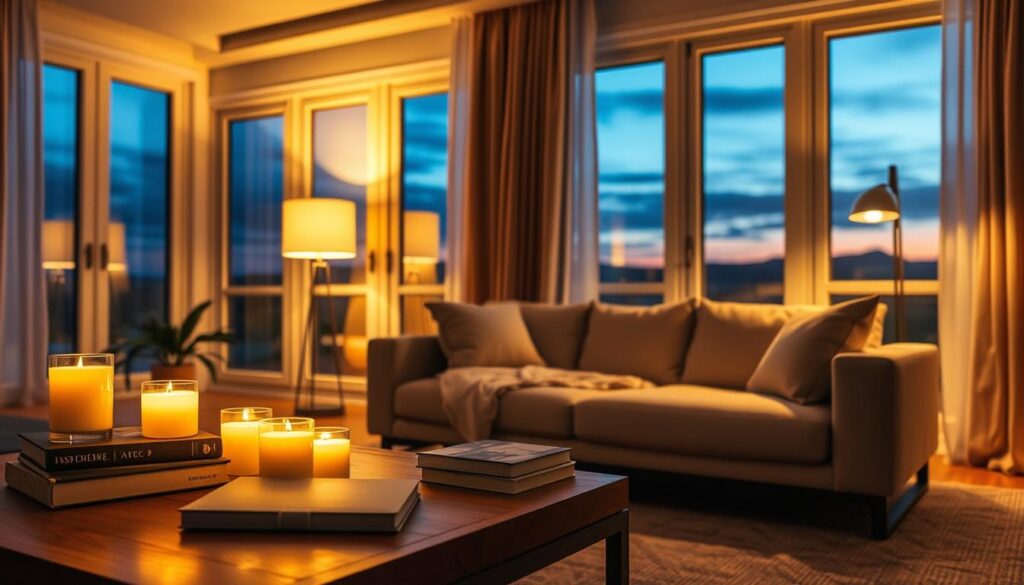
Ambient lighting works as the foundation. This general lighting provides even illumination so you can move safely and the room feels welcoming.
Warmer tones read as cozy while cooler ones feel more energetic. Adjust color and brightness to match the room’s purpose and interior design.
How task lighting supports activities and helps reduce eye strain
Task lighting focuses light where you need it — over a desk, a kitchen counter, or a reading chair. Placing brighter fixtures at work zones reduces eye strain and improves clarity.
How accent lighting adds depth and draws attention to design features
Accent lighting highlights artwork, shelves, and architectural elements so those features stand out without making the whole room brighter. Use it to add depth and direct attention to what matters.
- Why one big light fails: it can leave shadows and create harsh glare.
- Three roles: ambient for coverage, task for precision, accent for personality.
- Goal: not more light but smarter illumination that matches how you use the room.
Know Your Lighting Layers: Ambient Lighting, Task Lighting, and Accent Lighting
Layered lighting breaks a room into purpose-driven zones so each activity gets the right light. Below are clear definitions and easy examples to help you plan.
Ambient lighting — general coverage
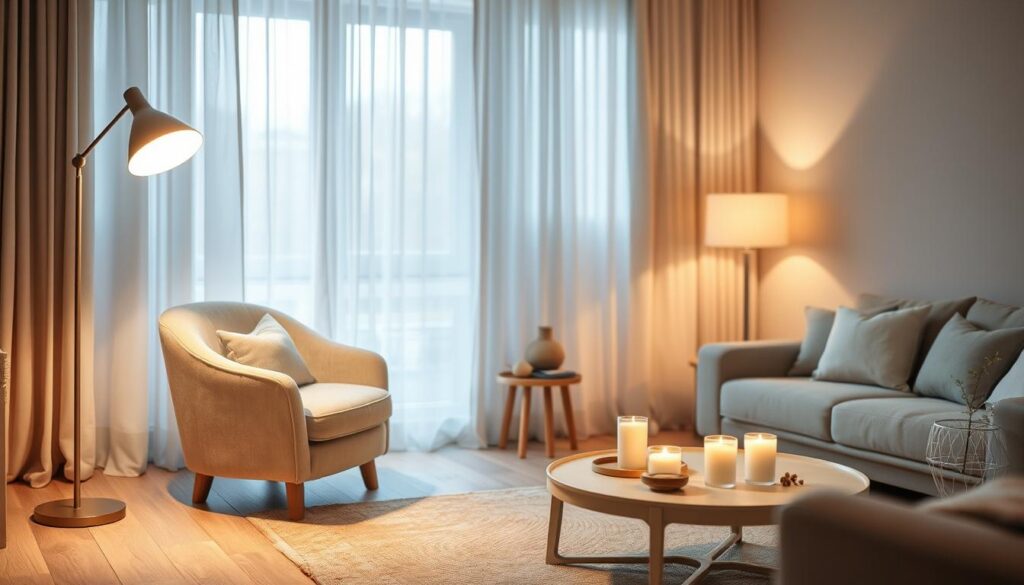
Ambient lighting fills the room with usable brightness. Typical sources include ceiling fixtures, chandeliers, recessed lighting, and LED strips.
Focused light for work
Task lighting directs light onto a surface where you do close work. Think desk lamps, reading lights, under-cabinet lights, or pendants over work areas.
Accent lighting — highlight features
Accent lighting draws attention to a focal point. Use wall sconces, track heads, spotlights, puck lights in shelves, or smart downlights to add depth.
Quick placement rule
- Ambient = broad coverage.
- Task = direct light on activity areas.
- Accent = highlight features without overpowering the room.
How to tell a light is misused: if accent fixtures try to light the whole room, you get glare and uneven brightness. In a living room example, a central ceiling fixture handles general light, a floor or table lamp covers reading, and wall sconces accent artwork.
Once you know these layers, you can build them in order to get the right ratio for your space.
Task vs ambient balance: A Step-by-Step Method to Get the Ratio Right
Start by mapping how you actually use the room through the day—this simple audit guides every lighting choice. Note where you read, cook, work at a desk, or relax so you know which areas need brighter, focused light and which need softer coverage.
Start with purpose and activities
Audit the space: list primary activities and mark the spots where they happen. This tells you which zones need concentrated brightness and where general lighting is enough.
Build the base layer
Install even, wide-coverage lighting to reduce harsh shadows in corners and walkways. Think recessed lights or a central fixture that provides comfortable coverage without glare.
Add task lights
Map work zones—desk surfaces, reading chairs, counters—and add focused fixtures so light lands on the surface, not your eyes. Make the local brightness higher than the surrounding area to improve clarity and reduce eye fatigue.
Use accent fixtures last
Place small spotlights or wall washers to highlight artwork, shelves, or architectural elements. Aim them so they add depth without overpowering the rest of the room.
Fine-tune with controls
Use dimmers or smart scenes for day-to-night shifts: brighter for cooking or focused desk work, softer for evenings. The right ratio supports your activities, cuts glare, and keeps the interior calm and cohesive.
- Start with an audit of activities.
- Layer even ambient coverage first.
- Add focused lights to defined zones.
- Finish with accents and dimming options.
Choose the Right Brightness and Color Temperature for Each Layer
How bright and what color your bulbs are will change how rooms look and how you feel in them. Light choices set tone, guide attention, and affect the perceived illumination in your spaces.
Brightness basics: lumens and real rooms
Lumens measure how much light a bulb emits. Higher lumens mean more perceived illumination, but shade, fixture direction, and wall color alter that feeling.
Diffused lamps soften light; focused fixtures increase contrast. Match lumen output to the use of the area—lower for mood, higher for clear work surfaces.
Kelvin made practical
For cozy living areas pick warm lighting around 2700–3000K. For focused work choose cooler light near 3500–4500K. Accent lighting can vary by effect.
Keep task lighting cooler without changing the room’s warm tone by limiting it to work zones while the general layer stays warm.
Match color temperature and choose bulbs
Mismatched color creates a disjointed interior design. Stay within a tight Kelvin band for lamps and fixtures so style and tone stay cohesive.
LEDs are ideal: efficient, long-lasting, and available in many lumen and Kelvin options. They fit most home lamps and fixtures and save energy long-term.
- Shopping checklist: pick Kelvin by layer, then set lumens for purpose, then choose beam spread or shade to control glare.
- Use warmer ambient lighting for mood and cooler local light for clarity.
- Correct brightness and color make the layered ratio feel natural, not patchy.
Room-by-Room Layout Examples Using Lamps, Ceiling Fixtures, and Sconces
Use simple room examples to see how lamps, ceiling fixtures, and sconces work together. Below are compact layouts you can copy and adapt to your own spaces. Each example shows where to place lights so the room performs well and looks intentional.
Living room layout
Living room: start with a ceiling fixture for broad coverage. Add a floor or desk lamp beside a reading chair for focused light.
Place wall sconces to highlight artwork or built-ins. Aim sconces to avoid glare and keep faces soft and natural.
Kitchen layout
In the kitchen, keep even ceiling lights for overall illumination. Fit under-cabinet lights to brighten counters and cut shadows from upper cabinets.
Add low-intensity accent lights to show off open shelving or a backsplash without competing with prep lights.
Home office or desk setup
Position a desk lamp so light falls on your work area, not the screen. Pair with soft ceiling light to reduce harsh shadows.
Quick test: sit where you read, stand where you prep, and face your monitor—then tweak lamp aim until the light lands where you need it.
- These examples fit most room sizes and ceiling heights.
- Adapt placement based on furniture and how you move through the room.
- Example: swap a floor lamp for a table lamp if space is tight.
Common Layering Mistakes and How You Can Fix Them Fast
Small lighting mistakes can make a room feel harsh or flat, even when it’s bright. A few targeted changes will improve comfort and functionality without a full redesign.
Overlighting the room
Adding more fixtures or higher-lumen bulbs seems like a fix, but it can overwhelm a space and flatten details.
Quick fixes: dim existing circuits, swap to lower-lumen bulbs, or spread illumination across layers so no single source dominates.
Glare and poor fixture placement
Glare comes from direct light hitting your eyes or screens. It causes discomfort and eye strain.
Adjust: lower a lamp, aim heads away from sightlines, and use diffusers or shades to soften beams.
Shadows and blocked work zones
Your body can cast shadows on counters or a desk if lighting is only overhead. That reduces usable brightness where you need it most.
Fixes: add under-cabinet strips, reposition a desk lamp, or introduce a secondary ambient lighting source to fill gaps.
Mismatched tones and poor style cohesion
Mixing warm and cool bulbs creates a clashing tone that spoils a room’s style.
Standardize Kelvin: pick a consistent color range for each layer and swap bulbs that fall outside it.
Ignoring flexibility
Dimmers, smart controls, and adjustable lamps let you shift brightness for work or relaxing. They improve mood and long-term functionality.
- Check glare: move lamps or add shades.
- Check shadows: add task lighting or ambient lighting to fill dark spots.
- Check color temperature: match Kelvin across fixtures.
- Adjust brightness layer-by-layer; use dimmers if possible.
Conclusion
Great lighting brings out what matters in your room while letting the rest recede.
Start with ambient lighting that provides overall coverage, add task lighting where you work or create, then use accent lighting to highlight features and add depth.
Walk each space, note core activities, and pick one quick change this week—add a lamp, aim a sconce, or fit a dimmer.
Keep color temperature consistent so the interior design reads as intentional. Dimmers and smart scenes let you shift mood and functionality without swapping fixtures.
When light supports activities and shows your favorite elements, the room becomes more comfortable and clearly designed.