

In the realm of interior design, lighting plays a starring role, capable of transforming a space from sterile and uninviting to warm and welcoming. While many focus on the brightness and style of their light fixtures, the method of illumination is equally important. One technique, known as indirect lighting, offers a wealth of benefits that go beyond simply brightening a room.
By bouncing light off surfaces rather than shining it directly, indirect lighting creates a softer, more even glow that enhances comfort and visual appeal. It’s a subtle yet powerful tool for crafting the perfect ambiance in any home or office.
Whether you’re looking to reduce eye strain, create a relaxing atmosphere, or add depth to your décor, understanding the advantages of indirect lighting and how to implement it effectively can make all the difference. Let’s explore the world of indirect lighting and discover how it can revolutionize your space.
What is Indirect Lighting and How Does It Work?
Indirect lighting is a technique that relies on reflected light to illuminate a space. Instead of a light source shining directly onto objects or surfaces, it is aimed towards a reflective surface, such as a wall or ceiling.
This reflected light then diffuses throughout the room, creating a soft, even glow that lacks the harshness of direct lighting. The key to indirect lighting is the strategic placement of light sources and the selection of reflective surfaces.
These elements work together to scatter light in a way that minimizes shadows and glare. This approach to lighting design is particularly effective in creating a comfortable and inviting atmosphere, as it mimics natural light more closely than traditional lighting methods.
Imagine sunlight streaming through a window and gently illuminating a room, this is the effect that indirect lighting seeks to replicate. By understanding the principles of reflection and diffusion, you can harness the power of indirect lighting to transform your living or working environment.
The reflection process is paramount to understanding how indirect lighting functions. The angle of incidence equals the angle of reflection, meaning the light bounces off the surface at the same angle it hits it.
This principle is used to direct light where it’s needed, creating a wide spread of illumination. The type of surface also plays a crucial role; matte surfaces diffuse light more effectively than glossy ones, resulting in a softer glow.
Consider the material and finish of the surfaces you’re using to reflect light. White or light-colored matte paint is often preferred for ceilings and walls in indirect lighting schemes.
The distance between the light source and the reflective surface also influences the outcome. A greater distance can result in a wider spread of light, while a shorter distance can create a more focused effect.
Experiment with different distances and angles to achieve the desired level of illumination and ambiance. Understanding these nuances can help you fine-tune your indirect lighting design for optimal results.
Reducing Glare and Eye Strain with Diffused Light
One of the most significant indirect lighting benefits is its ability to reduce glare and minimize eye strain. Direct light sources can often create harsh glares, especially when reflected off shiny surfaces like computer screens or glossy furniture.
This glare forces your eyes to work harder to adjust, leading to fatigue and discomfort. Diffused light, on the other hand, spreads evenly across a room, eliminating those harsh points of reflection.
With diffused light, the absence of intense glare makes it easier for your eyes to focus and relax, reducing the likelihood of headaches and eye strain. This is particularly beneficial in workspaces where prolonged screen time is common.
By implementing indirect lighting in your home office, you can create a more comfortable and productive environment. Your eyes will thank you for the gentle, glare-free illumination.
Glare occurs when excessive light enters the eye, overwhelming its ability to adjust. This can lead to squinting, watery eyes, and even blurred vision.
Indirect lighting minimizes glare by spreading the light source over a larger area. This reduces the intensity of the light reaching your eyes, making it easier to see and focus.
Consider the placement of your light sources in relation to your computer screen and other reflective surfaces. Positioning lights to the side or behind your monitor can help to reduce glare and improve visibility.
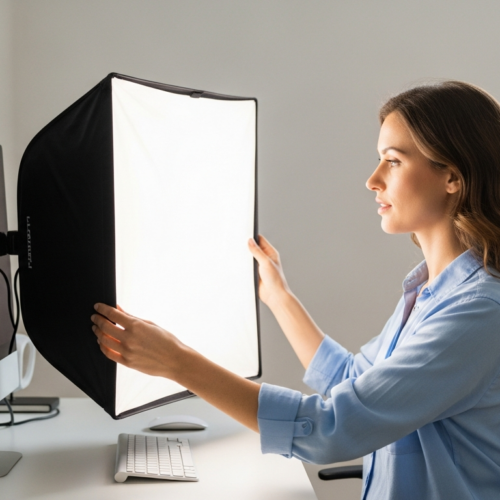
Using lampshades or diffusers can also help to soften the light and reduce glare. These accessories can further diffuse the light, creating a more comfortable and eye-friendly environment.
Pay attention to the color temperature of your light bulbs as well. Warmer light temperatures (around 2700-3000K) tend to be less harsh on the eyes than cooler temperatures (4000K and above).
Creating a Calming and Relaxing Atmosphere
Beyond its practical benefits, indirect lighting is also a powerful tool for creating a calming and relaxing atmosphere. The soft, even glow produced by reflected light evokes a sense of tranquility, making it ideal for bedrooms, living rooms, and other spaces where relaxation is paramount.
Unlike harsh overhead lights that can feel sterile and clinical, indirect lighting wraps a room in a warm, inviting embrace. This gentle illumination can help to reduce stress and promote a sense of well-being.
| Room | Ideal Lighting | Effect |
|---|---|---|
| Bedroom | Soft, warm indirect light | Promotes relaxation and sleep |
| Living Room | Layered lighting with indirect accents | Creates a cozy and inviting atmosphere |
| Bathroom | Gentle, diffused light | Provides a spa-like ambiance |
| Home Office | Balanced indirect and task lighting | Reduces eye strain and enhances focus |
Consider adding indirect lighting to your bedroom to create a serene sanctuary that encourages restful sleep. In the living room, use indirect light to complement other lighting sources, creating a layered effect that is both functional and aesthetically pleasing.
The psychological effects of light are well-documented. Soft, warm light has been shown to reduce anxiety and promote relaxation.
Indirect lighting mimics the soft glow of natural light, creating a more comfortable and inviting environment. This can help to reduce stress and promote a sense of well-being.
Think about the color temperature of your light bulbs when creating a relaxing atmosphere. Warm white light (2700-3000K) is ideal for bedrooms and living rooms, as it creates a cozy and inviting ambiance.
Consider using dimmer switches to adjust the brightness of your indirect lighting. This allows you to create different moods and atmospheres depending on your needs.
Experiment with different placements and angles to find the optimal configuration for your space. The right indirect lighting setup can transform a room into a tranquil oasis.
Improving Depth and Dimension in Your Space
Indirect lighting is a clever technique for enhancing the depth and dimension of a room. By strategically illuminating walls and ceilings, indirect light can create a sense of spaciousness, making even small rooms feel larger and more open.
This effect is achieved through a technique called “wall washing,” where light is directed upwards to evenly illuminate a vertical surface. Wall washing helps to eliminate shadows and highlight the texture of the wall, creating a sense of visual depth.
In rooms with low ceilings, indirect lighting can be particularly effective in creating the illusion of height. By bouncing light off the ceiling, you draw the eye upwards, making the room feel taller and more airy.
Experiment with different placements and angles to find the optimal configuration for your space. The right indirect lighting setup can transform a cramped, claustrophobic room into a welcoming, expansive haven.
The way light interacts with surfaces can dramatically alter our perception of space. By highlighting certain areas and creating subtle shadows, indirect lighting can add depth and dimension to a room.
Consider using indirect lighting to emphasize architectural features, such as crown molding or textured walls. This can add visual interest and create a more dynamic space.
Wall washing is a particularly effective technique for creating the illusion of spaciousness. By evenly illuminating a wall, you eliminate shadows and create a sense of depth.
In small rooms, indirect lighting can be used to make the space feel larger and more open. By bouncing light off the ceiling, you draw the eye upwards and create a sense of height.
Experiment with different lighting techniques to find the optimal configuration for your space. With a little creativity, you can use indirect lighting to transform even the smallest room into a welcoming and expansive haven.
Different Techniques for Achieving Indirect Lighting
There are several techniques you can use to achieve indirect lighting in your home or office. Each method offers a unique way to bounce light and create a soft, even glow.
The best approach will depend on the size and layout of your space, as well as your personal style preferences. Let’s explore some of the most popular techniques for implementing indirect lighting.
- Uplighting fixtures
- Wall sconces
- Cove lighting
- Torchiere lamps
- LED strip lighting
Uplighting fixtures direct light upwards towards the ceiling, creating a soft, ambient glow. Wall sconces can be positioned to bounce light off the wall, adding both illumination and visual interest.
Cove lighting involves installing light fixtures in a recessed area, such as a cove in the ceiling. This creates a seamless and elegant source of indirect light.
Torchiere lamps are floor lamps that direct light upwards, providing a soft, ambient glow. They are a versatile and stylish way to add indirect lighting to any room.
LED strip lighting is a flexible and energy-efficient option for creating indirect lighting. These strips can be easily installed under cabinets, along ceilings, or behind furniture to create a subtle and diffused glow.
Consider the architectural features of your space when choosing an indirect lighting technique. Cove lighting, for example, is best suited for rooms with existing coves or recessed areas.
Choosing the Right Fixtures and Bulbs
Selecting the right fixtures and bulbs is essential for achieving optimal indirect lighting. The type of fixture you choose will depend on the technique you’re using, as well as the overall aesthetic you’re aiming for.
When it comes to bulbs, consider the color temperature and brightness. Warm white bulbs (2700-3000K) create a cozy, inviting atmosphere, while cool white bulbs (3500-4000K) are better suited for workspaces where focus and alertness are important.
For energy efficiency and longevity, LED bulbs are an excellent choice. They also come in a wide range of color temperatures and brightness levels, allowing you to customize your indirect lighting to suit your specific needs.
Pay attention to the bulb’s lumen output, which measures its brightness, and choose a level that provides adequate illumination without being too harsh. Experiment with different combinations of fixtures and bulbs to find the perfect balance for your space.
The choice of fixture material can also impact the overall lighting effect. Fixtures made of glass or metal can reflect light in interesting ways, adding visual interest to the space.
Consider the style of your existing décor when choosing fixtures. Select fixtures that complement your furniture and other design elements to create a cohesive look.
When choosing bulbs, pay attention to the Color Rendering Index (CRI). A higher CRI indicates that the bulb renders colors more accurately, which can enhance the overall appearance of your space.
Dimmable bulbs are a great option for indirect lighting, as they allow you to adjust the brightness to suit your needs. This can be particularly useful in bedrooms and living rooms, where you may want to create a more relaxed atmosphere in the evening.
Don’t be afraid to experiment with different combinations of fixtures and bulbs to find the perfect lighting scheme for your space. With a little creativity, you can create a stunning and functional indirect lighting design.
Incorporating Indirect Lighting into Your Home Office
The benefits of indirect lighting are particularly valuable in a home office setting. By reducing glare and eye strain, indirect lighting can create a more comfortable and productive workspace.
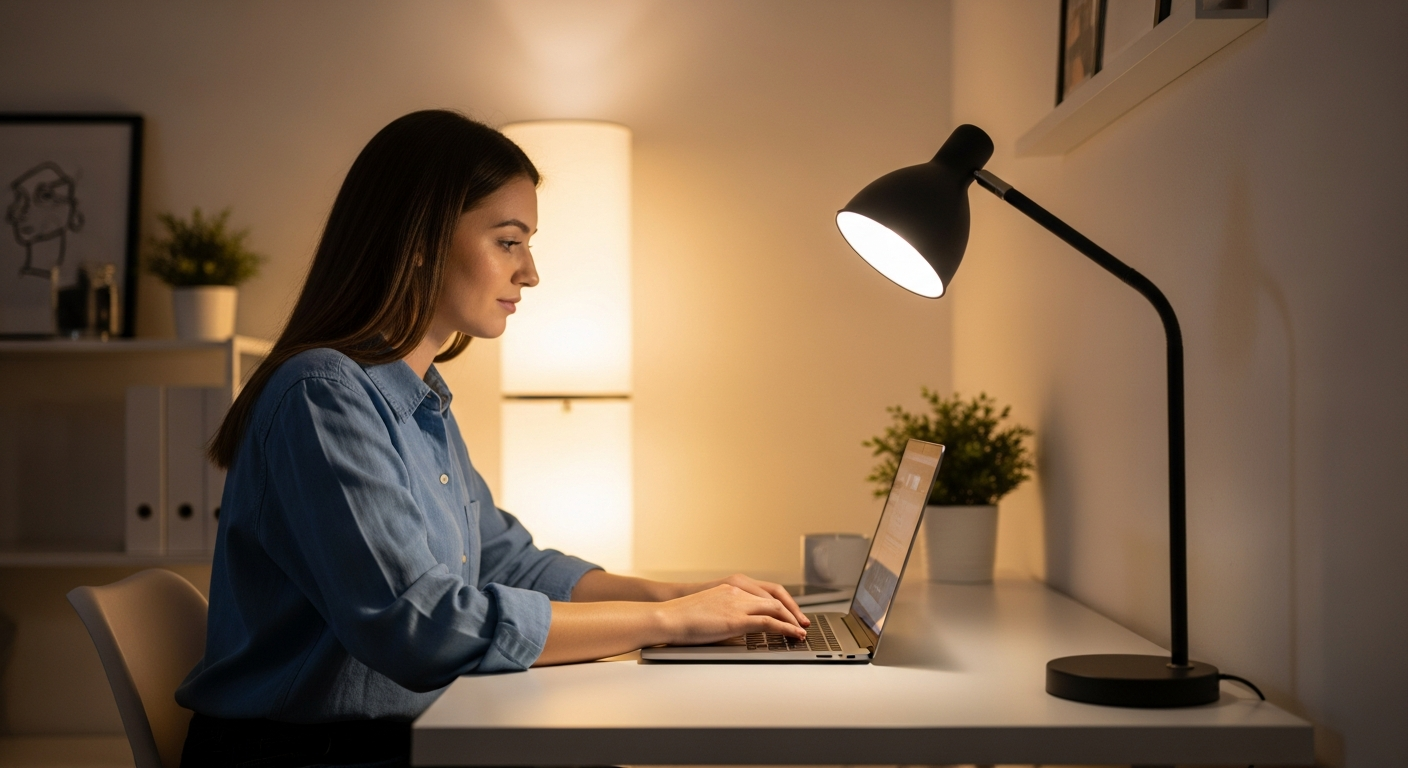
Consider using a combination of indirect and task lighting to optimize your home office illumination. Task lighting, such as a desk lamp, provides focused light for specific tasks, while indirect lighting provides overall ambient illumination.
Position uplighting fixtures or wall sconces to bounce light off the walls and ceiling, creating a soft, even glow that minimizes shadows and glare. Avoid placing light sources directly in your line of sight, as this can cause discomfort and eye strain.
Experiment with different lighting arrangements to find the optimal balance for your needs. A well-lit home office can improve your focus, reduce fatigue, and enhance your overall well-being.
When setting up your home office lighting, consider the placement of your computer screen. Position your screen so that it is not facing a window or other bright light source, as this can cause glare.
Use a combination of indirect and task lighting to create a balanced and comfortable workspace. Task lighting should be focused on your work area, while indirect lighting should provide overall ambient illumination.
Consider using a dimmer switch for your indirect lighting, so that you can adjust the brightness to suit your needs. This can be particularly useful if you work at different times of day or in different lighting conditions.
Choose light bulbs with a color temperature that is appropriate for your work. Cool white light (3500-4000K) is generally recommended for home offices, as it can help to improve focus and alertness.
Take breaks from your screen throughout the day to reduce eye strain. Looking away from your screen and focusing on a distant object can help to relax your eyes and prevent fatigue.
The Impact of Wall Color and Texture on Indirect Lighting
The color and texture of your walls play a significant role in how indirect lighting performs. Light colors, such as white, cream, and light gray, reflect more light than dark colors, making them ideal for maximizing the effectiveness of indirect lighting.
A light-colored wall will bounce more light back into the room, creating a brighter and more evenly illuminated space. Dark colors, on the other hand, absorb more light, which can reduce the overall brightness and create a more subdued atmosphere.
The texture of your walls also affects how light is reflected. Smooth walls reflect light more evenly than textured walls, creating a more consistent glow. Textured walls, such as those with a matte finish or a raised pattern, can add visual interest and depth to the lighting effect.
Consider the existing color and texture of your walls when designing your indirect lighting scheme. If you have dark walls, you may need to use brighter bulbs or more fixtures to achieve the desired level of illumination. If you have textured walls, experiment with different angles and placements to find the most flattering lighting effect.
The reflectivity of a surface is measured by its light reflectance value (LRV). Surfaces with a higher LRV reflect more light, while surfaces with a lower LRV absorb more light.
When choosing paint colors for a room with indirect lighting, consider the LRV of the paint. Light colors typically have an LRV of 70 or higher, while dark colors typically have an LRV of 30 or lower.
The texture of a wall can also affect the way light is reflected. Smooth walls reflect light more evenly, while textured walls create more diffuse reflection.
If you have textured walls, consider using a matte finish paint to minimize glare. A matte finish will help to diffuse the light and create a more even glow.
Experiment with different paint colors and textures to find the perfect combination for your indirect lighting scheme. The right combination can transform a room and create a stunning visual effect.
Smart Home Integration with Indirect Lighting
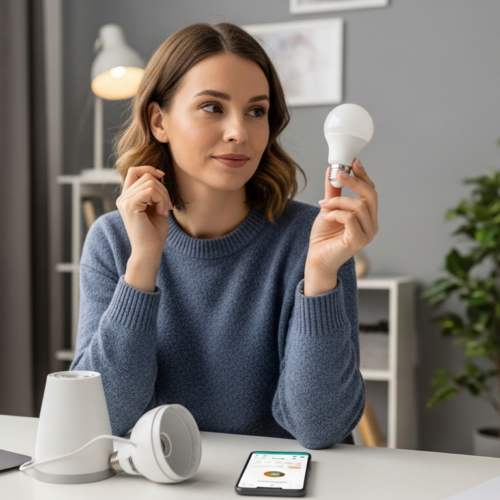
Integrating indirect lighting with smart home technology offers even greater control and customization. Smart bulbs and fixtures can be controlled remotely via a smartphone app or voice assistant, allowing you to adjust the brightness, color temperature, and even the direction of the light.
This level of control is particularly useful for creating different lighting scenes for various activities. For example, you can create a “work” scene with bright, cool white light for focused tasks, and a “relax” scene with dim, warm white light for unwinding after a long day.
Smart home integration also allows you to automate your indirect lighting based on time of day or other triggers. You can set your lights to gradually brighten in the morning to mimic sunrise, or to automatically dim in the evening to prepare you for sleep.
With smart home technology, you can seamlessly integrate indirect lighting into your daily routine, creating a more comfortable, convenient, and energy-efficient living environment. The possibilities are endless when you combine the benefits of indirect lighting with the power of smart home automation.
Smart home integration allows you to create custom lighting schedules. You can set your lights to turn on and off automatically at specific times of day.
You can also use smart home technology to control your lights based on occupancy. Your lights can automatically turn on when you enter a room and turn off when you leave.
Smart home systems can also integrate with other smart devices in your home. For example, you can set your lights to dim automatically when you start watching a movie.
Consider using smart bulbs with adjustable color temperature. This allows you to create different lighting scenes for various activities, such as working, relaxing, or entertaining.
Smart home integration can also help you save energy. By automating your lighting and using energy-efficient bulbs, you can reduce your energy consumption and lower your electricity bill.
Conclusion
Indirect lighting offers a multitude of benefits, from reducing glare and eye strain to creating a calming atmosphere and enhancing the depth of your space. By understanding the principles of reflected light and experimenting with different techniques, fixtures, and bulbs, you can transform your home or office into a more comfortable and inviting environment.
Whether you’re looking to improve your productivity, reduce stress, or simply enhance the aesthetic appeal of your décor, indirect lighting is a powerful tool that can make a significant difference. Embrace the soft, even glow of diffused light and discover the transformative potential of this versatile lighting technique.
The journey into the world of indirect lighting is a rewarding one. It offers a blend of practicality and aesthetic enhancement that can truly elevate any space.
From the science behind light reflection to the art of creating ambiance, mastering indirect lighting is a skill that will serve you well. It’s an investment in your comfort, well-being, and the overall beauty of your surroundings.
So, take the time to explore the various techniques, experiment with different fixtures and bulbs, and discover the transformative power of indirect lighting. Your eyes, your mind, and your home will thank you for it.