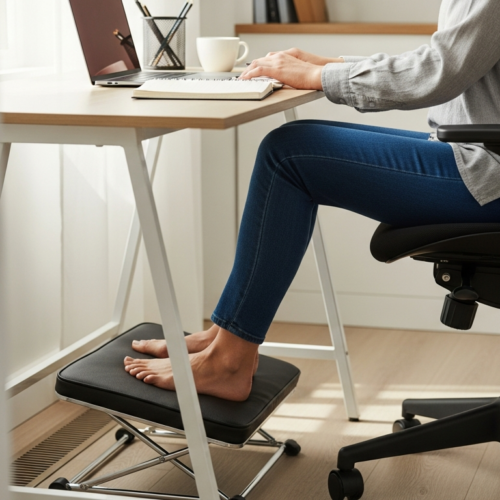

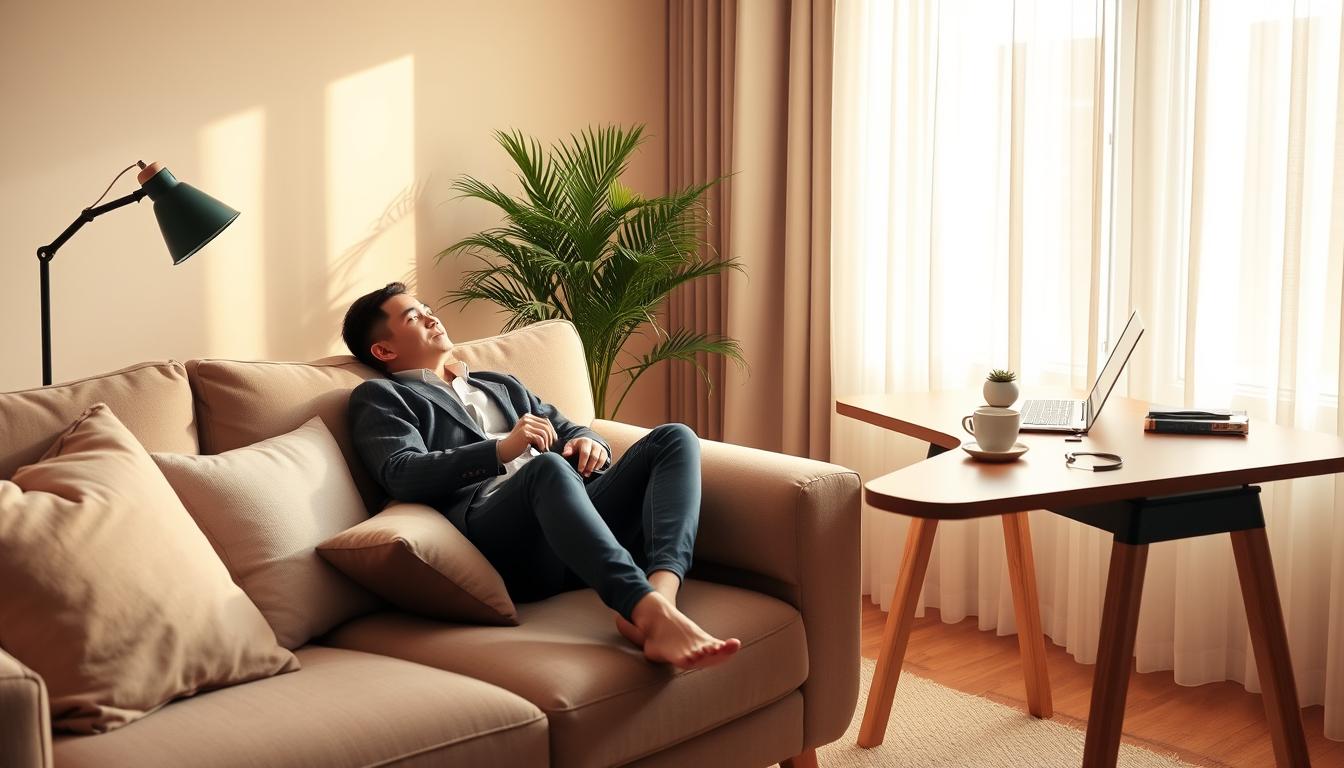
You probably spend more time on the couch than you plan, and that means your Sofa-side work surfaces should do more than hold a laptop. Pick pieces that support a neutral spine, relaxed shoulders, and easy reach so your body stays comfortable even in a casual setup.
Think beyond a traditional desk. A stable side table, an end table, or a narrow console can act like a sofa desk depending on session length. Small changes—pillow support, a footrest, and simple cable control—cut down upper- and low-back strain.
Design matters because these items live in your living room every day. Choose a piece that fits your room layout and matches your decor so the solution feels intentional, not temporary.
In this roundup you’ll get a quick roadmap: what to adjust first (height and reach), what to buy next (stable top and smart base), and how to match the table to your sofa and home setup for healthier casual work sessions.
How to set up sofa-side work surfaces for better spinal health on the couch
A few simple adjustments to height and reach can stop short couch sessions from becoming long-term neck trouble. Start by tuning your table so your elbows sit close to your sides and your forearms rest comfortably. Small changes make sitting safer and reduce stiff shoulders and low-back strain.
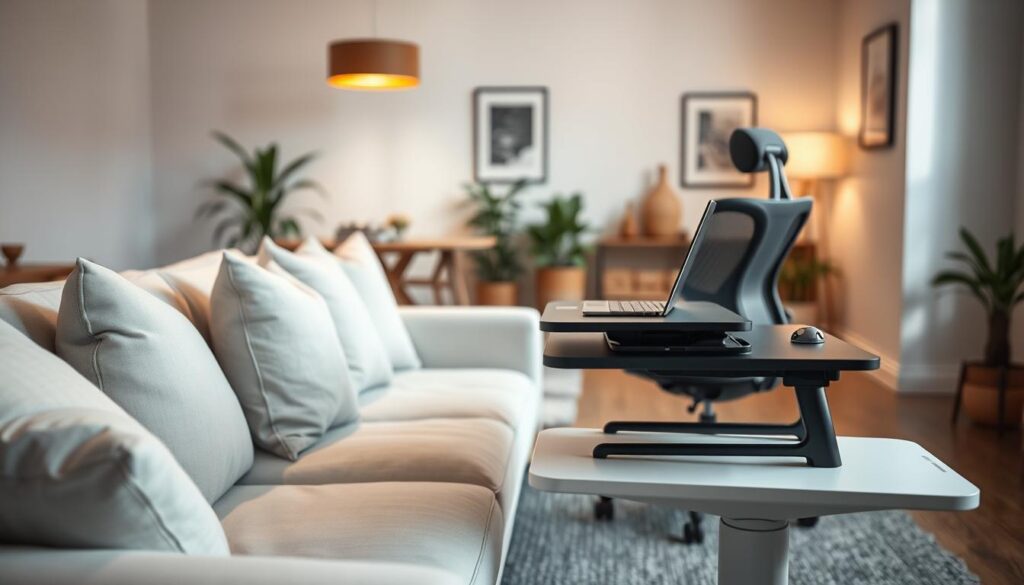
Match table height to your seated posture and laptop position
Set the table so your wrists sit level with the keyboard when your elbows are by your sides. If the height forces you to lift your shoulders or hunch, raise the seat or lower the table.
Keep shoulders relaxed with the right reach distance and tabletop depth
Use tabletop depth to control reach. A surface that’s too deep makes you lean forward; too shallow bends your wrists. Place mouse and phone within arm’s length to avoid repeated twisting.
Stabilize your spine with simple add-ons you already have at home
- Firm pillow behind the lumbar curve for low-back support.
- Folded throw as a short footrest to keep knees slightly higher than your hips.
- One-minute routine to position the table slightly to your working side and re-check posture each time you sit.
What to look for when shopping a side table or end table for couch work
When shopping a side table for couch sessions, focus on shapes and features that support how you actually sit. The right pick keeps your arms close, your shoulders relaxed, and your posture stable.
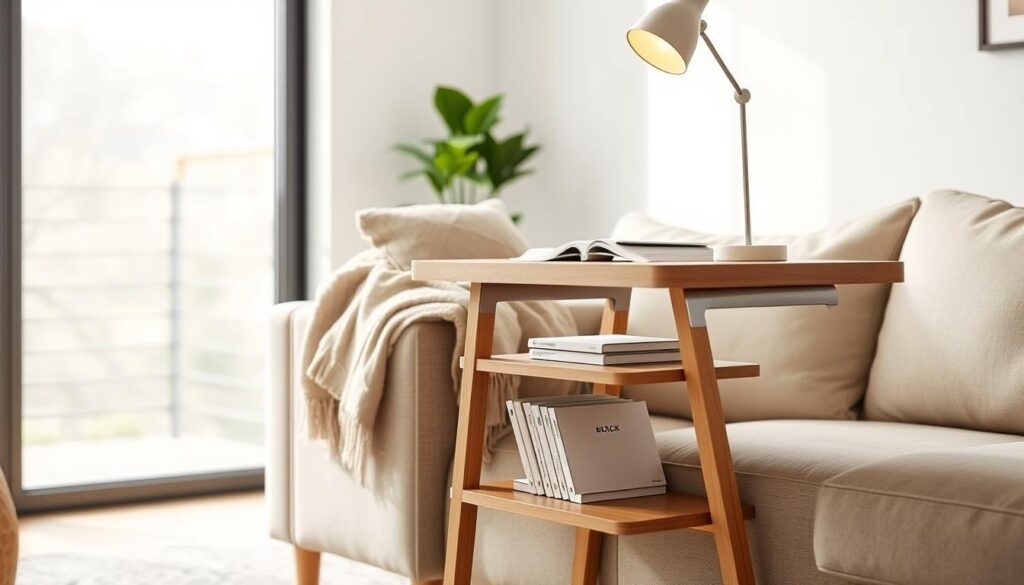
Base that tucks in and stays clear
Choose a base that slides under your sofa so the top reaches your hands without you leaning forward. A c-shaped end table profile works well for tight clearances.
Look for a shaped end table base that avoids forcing you to perch on the couch edge.
Top size and stability
Pick a top large enough for a laptop, a mouse, and a drink. Prioritize stability over looks—wobble makes you brace and adds fatigue fast.
Practical storage and durable materials
Choose storage that keeps chargers and notebooks off the tabletop. Assess table storage like drawers or shelves based on what you use each session.
Match materials to living room life: go for solid wood, metal frames, or concrete tops that resist spills and daily moves.
- Checklist: base fit, top usability, storage, and material.
- Filters to consider: round/rectangle/square shapes, closed or shelf storage, nesting, and soft-close.
- Materials to favor: oak, dark or light wood, marble, metal, or concrete for durability.
Best sofa-side work surfaces by use case and room layout
Pick a table that matches how you move through your room—small footprints often beat bulky pieces in tight layouts.
Small side table picks are ideal for apartments and compact rooms. Choose a slim top that won’t block traffic and keeps your knees clear when you sit or stand.
Rolling and easy-move options
Go with rolling designs when your living room bedroom routine shifts between sofa and bed. Casters let you slide the table beside the couch by day and onto the bed at night.
Rectangle tops for spreading out
Choose a rectangle top when you need room for papers, a planner, or an extra accessory. A longer footprint turns a tiny table into a true mini-desk without overwhelming the room.
Round drink-table styles
Pick a round profile for a minimalist setup—laptop and a cup only. Round tables feel lighter visually and are easier to navigate around in small spaces.
- Quick guide: small side table for tight spaces, rolling for flexibility, rectangle for spread, round for simplicity.
- Plan how you rotate between sofa, bed, and other seats so the table works in multiple spots.
Storage-forward picks that keep you upright and organized
A side table with smart storage turns a temporary laptop setup into a neat, posture-friendly zone. When chargers, notebooks, and remotes have a place, you reach less and sit more steadily.
Closed storage side tables to stash chargers and remotes
Choose closed storage when you want clutter hidden at a flip of a door or drawer. A tidy top keeps your hands centered over the keyboard and reduces twisting to grab items.
End table 2-tier and bottom shelf designs to reduce desktop crowding
An end table 2-tier layout or a bottom shelf gives quick access without piling items on the main surface. Use shelf space for books and a charger bin to free the top for focused sitting.
Spotlight: Lenia, Moa, and Bocana storage side tables
The Lenia Storage Side Table – Walnut and Moa Storage Side Table – Walnut offer compact closed storage and soft-close options in a small footprint.
The Bocana Storage Side Table – Oak hides cables and keeps your living area looking calm when you close the door.
- Clear top: fewer items on top helps posture and reach.
- Hidden bins: closed storage keeps chargers and cords out of sight.
- Quick access: shelf and bottom shelf options store things you use most.
Material and build guide for comfort, stability, and style
The right build reduces wobble and keeps your shoulders and back from tensing. Choose materials that match how you live and how long you sit. A steady piece cuts down on micro-adjustments and saves your posture across the day.
Wood options for warm, home-office-in-the-living-room vibes
Wood tables bring warmth and a familiar feel to shared rooms. Look for sturdy joinery and solid tops so the surface stays steady when you type.
Farmhouse-leaning rooms pair well with dark or light wood finishes that age gracefully.
Stone looks that feel premium: travertine and marble tops
Travertine and marble deliver a refined look without losing function. These tops signal premium style and clean easily after coffee or notebooks.
Concrete styles for weight and wobble resistance
Concrete tables add heft, which helps prevent wobble when you shift position. They suit heavy-use sessions and modern interiors.
Metal accents and table metal frame designs for a lighter visual footprint
Choose a table metal frame when you need knee clearance and a less crowded look. Metal accents cut visual weight while keeping strength.
- Wood: warm feel and steady joinery for day-to-day typing.
- Stone (marble/travertine): premium look that still performs.
- Concrete: extra weight equals less wobble during long sessions.
- Metal and table metal frame: lighter style and better clearance in small rooms.
Examples: Tarvok Marble Drinks Table – Brass, Noemi Travertine Side Table, and Ozetta Concrete Side Table – Moonlit Black show how material choices affect look and stability.
Nesting, sculptural, and accent table styles that still work for productivity
Nesting and sculptural pieces let you switch posture-friendly setups without changing the room’s look.
Nesting side tables give instant flexibility. Slide one top in for a laptop and pull the smaller table out for a drink or notes.
This lets you toggle between “laptop mode” and “lounge mode” in seconds. You avoid overloading a single surface and keep your reach short.
Narrow sculptural bases that keep knee clearance
Look for sculptural bases that preserve knee clearance so you can sit close without leaning forward. The shape should clear your knees and let you keep a neutral spine.
Check stability before buying. A dramatic silhouette is beautiful only when the table stays steady under typing and resting wrists.
- Flexible setup: nesting tables adapt to different postures quickly.
- Functional style: sculptural bases should free knee space and remain stable.
- Practical example: Isla 25″ Travertine Nesting Side Tables – Natural Oak pairs premium material with easy repositioning.
Balance aesthetics and ergonomics by choosing a table that lets you sit closer, reach less, and relax your shoulders while still looking like intentional decor.
Console table and sofa table options for shared spaces and longer sessions
A slim console by the entry or behind the couch can simplify daily routines and protect your posture over longer sessions.
Console table entryway placement that doubles as a drop zone
Place a console table entryway near your door to catch keys, mail, and daily carry items. This keeps clutter off the couch and makes it easier to transition into a focused session without twisting to fetch things.
Sofa table living room setups behind the couch for cables and lighting
Use a sofa table behind the couch to route chargers and position a lamp at eye-friendly height. Keeping devices off cushions stops you from leaning forward and helps maintain a neutral spine.
When a console beats a side table couch setup for posture
Pick a console when you need more tabletop for two people, extra gear, or a steady workstation feel. A longer top lets you center a laptop and place accessories within reach, so you avoid repeated twists and reaches.
- Consider sofa table metal options for a slim profile that blends into living rooms while staying sturdy.
- Use a console as a shared station to reduce awkward motions and improve organization.
- Plan placement so lighting, cables, and devices sit where you can reach them without strain.
Conclusion
Let the table you pick support your posture so lounging doesn’t become a source of shoulder and back tension. The right side table or end table does more than hold a laptop: it protects your neck and keeps your shoulders relaxed.
Start with height, then fix reach, add simple lumbar or foot supports, and only after those steps tune accessories and layout. Choose a piece that matches how you use the sofa—brief sessions, long blocks, or shared living room seating.
Prioritize a stable top and usable size so you avoid cramped placement and constant micro-adjustments. Use shelf and storage smartly to keep chargers and clutter off the top.
Buy with a clear lens: fit to the couch, comfortable working height, steady table, and organized storage so your living room stays both stylish and spine-friendly.