

For many of us, the traditional office is a thing of the past. More people are working from home than ever before, and that means creating a functional and comfortable workspace within the confines of our own four walls.
But what if you’re short on space? That’s where the small standing desk converter comes in, offering a flexible solution to transform your existing desk into an adjustable desk, promoting better posture and increased energy levels without taking up too much room.
This guide will help you navigate the world of desk risers, ensuring you find the perfect fit for your needs and your space, so you can enjoy the benefits of a standing workstation, even in the smallest of home offices.
The Benefits of a Standing Desk Converter
The advantages of using a standing desk are well-documented. Standing while working can help reduce back pain, improve circulation, and even boost your mood.
A small standing desk converter allows you to enjoy these benefits without the commitment of replacing your entire desk. It’s a cost-effective and space-saving way to transition to a more active work style.
Beyond the physical advantages, a standing workstation can also increase your focus and productivity. Many users report feeling more alert and engaged when they’re not sitting for prolonged periods.
And let’s not forget the simple fact that movement is good for you. Incorporating even small amounts of standing into your workday can make a big difference in your overall health and well-being.
Sitting for extended periods has been linked to various health issues, including obesity, heart disease, and type 2 diabetes. A standing desk converter offers a simple way to combat these risks.

By alternating between sitting and standing, you can improve your posture and reduce the strain on your back and neck. This can lead to fewer aches and pains throughout the day.
Many people find that standing while working helps them feel more creative and energized. The change in position can stimulate blood flow to the brain, leading to improved cognitive function.
A standing desk converter can also be a great way to break up the monotony of a long workday. It allows you to switch positions and stay engaged, preventing you from feeling sluggish and bored.
Furthermore, a standing desk converter can be easily integrated into your existing workspace. There’s no need to invest in a completely new desk, saving you both time and money.
The versatility of a standing desk converter allows you to customize your workspace to suit your individual needs. You can adjust the height to find the perfect ergonomic position for both sitting and standing.
Improved circulation is another significant benefit of using a standing desk. Standing encourages blood flow throughout the body, reducing the risk of blood clots and other circulatory problems.
Standing can also help to strengthen your core muscles and improve your balance. This can lead to better overall stability and reduced risk of falls.
A standing desk converter is an investment in your health and well-being. It’s a simple yet effective way to create a more active and productive work environment.
Measuring Your Existing Desk for Compatibility
Before you even start browsing desk risers, you need to assess your current desk setup. Grab a measuring tape and take note of a few key dimensions.
First, measure the width and depth of your desk’s surface. This will determine the maximum size of the converter you can comfortably accommodate.
Next, consider the height of your monitor and keyboard. You’ll want to ensure that the converter can raise them to a comfortable ergonomic position when you’re standing.
Also, think about the space around your desk. Make sure you have enough room to move the desk riser up and down without bumping into walls or other furniture.
Don’t forget to measure the height of your chair as well. This will help you determine the optimal height for the converter when you’re sitting.
Consider the weight capacity of your existing desk. A standing desk converter will add extra weight, so make sure your desk can handle it.
Take note of any obstructions on your desk, such as lamps or file organizers. These may need to be moved to accommodate the converter.
Think about the placement of your power outlets. You’ll need to make sure the converter can be easily plugged in without creating a tripping hazard.
Also, consider the depth of your monitor. A larger monitor will require a deeper converter to maintain a comfortable viewing distance.
Measure the distance from your eyes to the screen when you’re sitting comfortably. This will help you determine the ideal monitor height when standing.
Consider the type of work you do. If you frequently use large documents or multiple monitors, you’ll need a larger converter.
Think about the type of keyboard and mouse you use. Some converters may not be compatible with certain types of accessories.
Measure the width of your keyboard. This will help you determine the appropriate size for the keyboard tray on the converter.
Consider the range of motion you need. Make sure the converter can adjust to a height that is comfortable for both sitting and standing.
Finally, take a photo of your desk setup. This will help you visualize how the converter will fit into your existing workspace.
Types of Standing Desk Converters: Manual vs. Electric
Standing desk converters come in two main varieties: manual and electric. Each type has its own set of pros and cons, so it’s important to understand the differences.
Manual converters typically use a gas spring or lever system to adjust the height, while electric converters use a motor.
| Feature | Manual Converter | Electric Converter |
|---|---|---|
| Price | Lower | Higher |
| Adjustment Speed | Slower | Faster |
| Noise Level | Quieter | Can be noisy |
| Ease of Use | Requires more physical effort | Effortless adjustment |
| Reliability | Fewer moving parts, potentially more reliable | More complex, potential for motor failure |
| Weight Capacity | Varies, typically lower | Varies, typically higher |
Manual converters are generally more affordable and quieter, but they require more physical effort to adjust. Electric converters offer push-button convenience, but they come at a higher price point and can be noisier.
Within manual converters, there are different mechanisms, such as spring-assisted and lever-operated designs. Spring-assisted models often require less force to adjust, while lever-operated models may offer more precise height control.
Electric converters can also vary in terms of motor power and adjustment speed. Some models offer programmable height settings, allowing you to quickly switch between your preferred sitting and standing positions.
Another factor to consider is the type of control panel used on electric converters. Some models have simple up and down buttons, while others offer more advanced features, such as digital displays and memory settings.
Manual converters are often a good choice for users who prefer a more minimalist design and don’t mind exerting a bit of effort to adjust the height. They are also a more reliable choice if you are concerned about potential motor failures.
Electric converters are ideal for users who value convenience and ease of use. The push-button adjustment makes it quick and effortless to switch between sitting and standing positions.
When choosing between manual and electric converters, consider your budget, physical capabilities, and personal preferences. There is no one-size-fits-all solution, so it’s important to find the option that best meets your needs.
Think about how often you plan to adjust the height of the converter. If you anticipate switching positions frequently, an electric model may be a better choice.
Consider the noise level of the electric converter. Some models can be quite noisy, which may be distracting in a quiet office environment.
Manual converters typically have a longer lifespan than electric converters due to their simpler design. However, electric converters may offer more features and convenience.
Ultimately, the best type of standing desk converter is the one that you will use consistently. Choose an option that is comfortable, convenient, and fits your budget.
Don’t be afraid to try out different models before making a purchase. Many retailers offer demo units that you can test in person.
Weight Capacity and Stability Considerations
Before purchasing a small standing desk converter, check the weight capacity. Make sure it can handle the combined weight of your monitor, keyboard, mouse, and any other items you plan to place on it.
Exceeding the weight limit can compromise the stability of the converter and potentially damage your equipment. Stability is another key factor to consider.
Look for converters with a sturdy base and a locking mechanism to prevent wobbling or tipping. A wide base will generally provide more stability than a narrow one.
Read reviews from other users to get a sense of how stable the converter is in real-world use. Pay attention to any complaints about wobbling or shaking, especially at higher settings.
Consider the material of the base. Steel or aluminum bases are generally more stable than plastic bases.
Check if the converter has non-slip feet. This will help prevent it from sliding around on your desk.
If you have a particularly heavy monitor, consider a converter with a dedicated monitor mount. This will distribute the weight more evenly.
Pay attention to the design of the keyboard tray. A wider keyboard tray will provide more stability for your keyboard and mouse.
Look for converters with a low center of gravity. This will make them less likely to tip over.
Consider the height range of the converter. A wider height range will allow you to find the perfect ergonomic position, regardless of your height.
If you have a corner desk, make sure the converter is compatible with that type of desk. Some converters are designed specifically for corner desks.
Check the warranty of the converter. A longer warranty indicates that the manufacturer has confidence in the product’s durability and stability.
Don’t be afraid to ask the retailer about the stability of the converter. They may have additional information or be able to provide a demonstration.
Remember that stability is crucial for both your comfort and safety. Choose a converter that is sturdy and reliable.
Ergonomic Features to Look For
Ergonomics should be a top priority when choosing a small standing desk converter. The goal is to create a comfortable and healthy workspace that minimizes strain on your body.
Look for converters that allow you to adjust the height of your monitor and keyboard independently. This will help you achieve the optimal viewing angle and typing position.
A keyboard tray is a must-have for most users. It positions your keyboard at a comfortable height and angle, reducing wrist strain.
Consider a converter with a built-in monitor mount. This will give you even more flexibility in positioning your screen and freeing up desk space.
Look for a converter with a tiltable keyboard tray. This allows you to adjust the angle of your keyboard for optimal wrist comfort.
Consider a converter with a built-in wrist rest. This can further reduce wrist strain and improve typing comfort.
Check if the converter has rounded edges. This will prevent you from bumping into sharp corners and injuring yourself.
Look for a converter with a non-reflective surface. This will reduce glare and eye strain.
Consider a converter with a cable management system. This will help keep your desk organized and prevent tripping hazards.
Check if the converter has a weight capacity that is sufficient for your equipment. Overloading the converter can compromise its stability and ergonomic benefits.
Look for a converter with a smooth and quiet adjustment mechanism. This will minimize distractions and prevent you from disturbing your coworkers.
Consider a converter with a built-in power strip. This will provide convenient access to power outlets for your devices.
Check if the converter is adjustable for different heights. This will allow you to customize the converter to your specific needs and preferences.
Don’t underestimate the importance of ergonomics. Choosing a converter with the right ergonomic features can significantly improve your comfort and productivity.
Setting Up and Adjusting Your Desk Converter
Once you’ve chosen your small standing desk converter, it’s time to set it up. Most converters are relatively easy to assemble and install.
Follow the manufacturer’s instructions carefully and make sure all screws and bolts are tightened securely. Place the converter on your existing desk and position it in a way that feels comfortable and natural.
- Start with the keyboard tray at elbow height
- Adjust monitor height for comfortable viewing
- Keep your wrists straight while typing
- Take breaks to stretch and move around
- Alternate between sitting and standing
Adjust the height of the converter to your preferred standing position. Your elbows should be bent at a 90-degree angle, and your wrists should be straight.
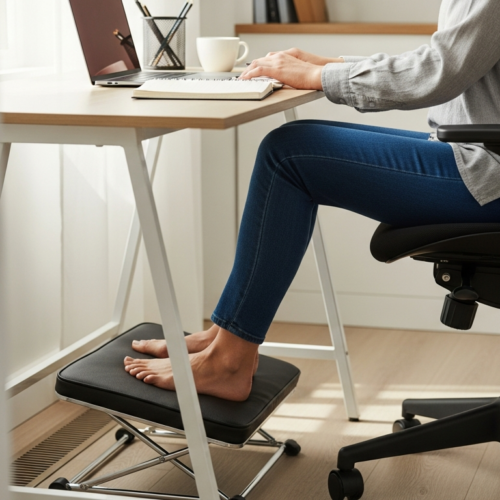
Make sure your feet are flat on the floor or supported by a footrest. This will help maintain good posture and prevent fatigue.
Position your monitor at arm’s length and slightly below eye level. This will reduce neck strain and eye strain.
Keep your shoulders relaxed and your back straight. Avoid slouching or hunching over.
Take frequent breaks to stretch and move around. This will help prevent stiffness and soreness.
Alternate between sitting and standing throughout the day. Find a balance that works for you and your body.
Adjust the height of the converter as needed to maintain good posture and comfort. Don’t be afraid to experiment with different settings.
Make sure your keyboard and mouse are within easy reach. Avoid reaching or straining to use them.
Keep your workspace clean and organized. This will help you stay focused and productive.
Use a monitor arm to further customize the position of your screen. This will give you even more flexibility in creating an ergonomic workspace.
Consider using a standing mat to cushion your feet and reduce fatigue. This can make standing for extended periods more comfortable.
Listen to your body and make adjustments as needed. If you’re feeling pain or discomfort, take a break and reassess your setup.
Remember that setting up and adjusting your desk converter is an ongoing process. It may take some time to find the perfect setup for your needs.
Integrating Movement into Your Workday
A standing desk converter is just one piece of the puzzle when it comes to creating a healthy and active workspace. It’s important to integrate movement into your workday in other ways as well.
Set a timer to remind yourself to stand up and stretch every 30 minutes. Take short walks around your home or office during breaks.
Consider investing in a balance board or treadmill desk to add even more movement to your day. These accessories can help you stay active and engaged while you work.
Don’t forget to listen to your body. If you’re feeling fatigued or uncomfortable, take a break and sit down for a while. The goal is to find a balance that works for you.
Try incorporating simple exercises into your workday. Do some squats, lunges, or push-ups during your breaks.
Walk to a coworker’s desk instead of sending an email. This is a great way to get some extra steps in.
Take the stairs instead of the elevator. This is a simple way to add some cardio to your day.
Park your car further away from the office. This will force you to walk a bit more.
Use a pedometer or fitness tracker to monitor your activity level. This can help you stay motivated and track your progress.
Join a walking or running group at work. This is a great way to socialize and stay active.
Schedule walking meetings instead of sitting in a conference room. This can make meetings more engaging and productive.
Stand up while talking on the phone. This is a simple way to burn some extra calories.
Stretch your muscles regularly throughout the day. This will help prevent stiffness and soreness.
Remember that even small amounts of movement can make a big difference. The key is to find ways to incorporate activity into your daily routine.
Maintenance and Care Tips
To keep your small standing desk converter in good working order, follow a few simple maintenance tips. Regularly clean the surface with a damp cloth to remove dust and dirt.
Check the screws and bolts periodically to make sure they’re still tight. Lubricate any moving parts as needed to ensure smooth operation.
If you have an electric converter, avoid overloading it with too much weight. This can strain the motor and shorten its lifespan.
Store the converter in a dry, climate-controlled environment when not in use. This will prevent rust and corrosion.
Use a mild detergent to clean the surface of the converter. Avoid using harsh chemicals or abrasive cleaners.
Wipe up spills immediately to prevent staining or damage. Use a soft cloth to avoid scratching the surface.
Inspect the converter regularly for any signs of wear and tear. Replace any damaged parts as needed.
Keep the area around the converter clean and free of clutter. This will prevent tripping hazards and ensure smooth operation.
If you have an electric converter, unplug it when not in use. This will save energy and prevent electrical hazards.
Avoid exposing the converter to extreme temperatures or humidity. This can damage the materials and shorten its lifespan.
If you’re moving the converter, disassemble it carefully and pack it securely. This will prevent damage during transport.
Consult the manufacturer’s instructions for specific maintenance recommendations. This will help you keep your converter in top condition.
Regular maintenance and care will help extend the lifespan of your standing desk converter. This will ensure that you can enjoy its benefits for years to come.
Don’t neglect the importance of proper maintenance. A well-maintained converter will be more reliable and comfortable to use.
Budget-Friendly Options
You don’t have to break the bank to enjoy the benefits of a small standing desk converter. There are many affordable options available that offer good value for the money.
Look for manual converters with a simple design and basic features. These are often less expensive than electric models with all the bells and whistles.
Consider buying a used or refurbished converter. You can often find these at a significant discount compared to new models.
Keep an eye out for sales and promotions. Many retailers offer discounts on standing desk converters throughout the year.
Check online marketplaces like Craigslist or Facebook Marketplace. You may be able to find a good deal on a used converter.
Consider building your own standing desk converter. There are many DIY tutorials available online that can guide you through the process.
Look for converters with a limited warranty. This can save you money in the long run if the converter breaks down.
Choose a converter with a simple design. Complex designs often cost more to manufacture and maintain.
Consider a converter with a smaller surface area. This can save you money on materials and shipping.
Look for converters made from recycled materials. These are often more affordable and environmentally friendly.
Consider a converter with a manual adjustment mechanism. Electric converters are typically more expensive.
Look for converters with a basic keyboard tray. Fancy keyboard trays often add to the cost.
Consider a converter without a built-in monitor mount. You can always purchase a separate monitor mount if needed.
Don’t be afraid to shop around and compare prices. You may be surprised at how much you can save.
Conclusion
A small standing desk converter can be a game-changer for your home office. It’s a simple and effective way to improve your posture, boost your energy levels, and enhance your overall well-being.
By carefully considering your needs and space constraints, you can find the perfect desk riser to transform your existing desk into a standing workstation, creating a healthier and more productive work environment.
Remember to prioritize ergonomics and stability when choosing a converter. A comfortable and reliable converter will help you stay productive and avoid injuries.
Don’t be afraid to experiment with different settings and accessories. Find a setup that works best for you and your body.
Integrating movement into your workday is crucial for maintaining good health. A standing desk converter is just one piece of the puzzle.
Regular maintenance and care will help extend the lifespan of your converter. Follow the manufacturer’s instructions carefully.
There are many budget-friendly options available. You don’t have to spend a fortune to enjoy the benefits of a standing desk.
A standing desk converter is an investment in your health and well-being. It’s a simple yet effective way to create a more active and productive work environment.
Take the time to research and compare different models. This will help you find the perfect converter for your needs and budget.
Don’t hesitate to ask for help from retailers or manufacturers. They can provide valuable information and guidance.
Consider the long-term benefits of using a standing desk converter. It can improve your health, productivity, and overall quality of life.
Make the switch to a standing desk converter today. You’ll be glad you did.