

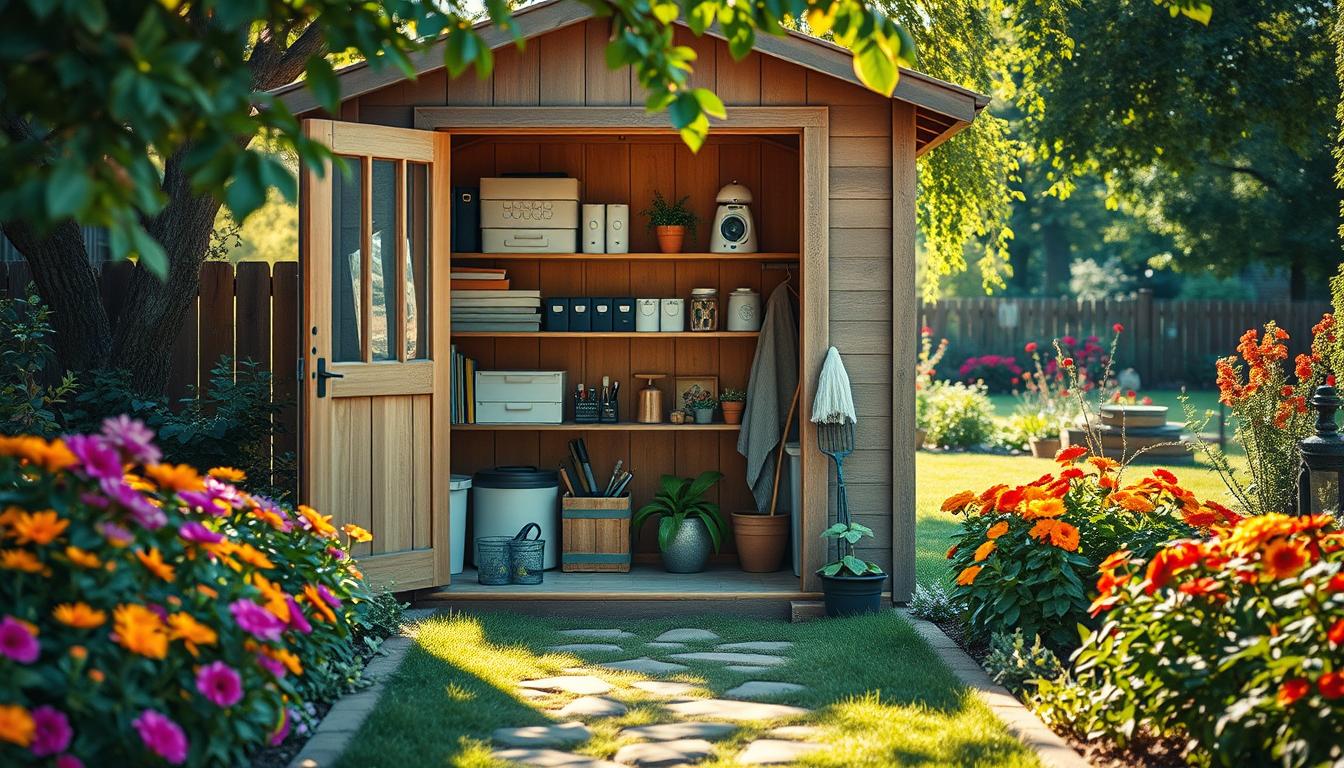
The carry-all method is a simple daily habit you can adopt to start and end your workday the same way. You pack essential tools into a single, dedicated kit and walk them into a purpose-built backyard shed. This routine cuts setup time and clears distractions.
Your current setup may create friction: messy cables, shifting desks, and lost chargers. A shed-style solution gives you a stable space and a repeatable routine. Build-to-order backyard pods ship ready-to-use in 3–6 weeks, and over 350+ pods delivered nationwide show this works across the US and Canada.
On this page, you’ll find guidance on workspace needs, pod features, sizing, delivery and installation, quality, and a clear pack/unpack checklist. Expect coverage of weather, sound control for calls, shipping timelines, and installation options like ground set, crane, on-site assembly, or DIY.
Adopt this method to speed your start, stop losing items, and keep your home life separate from work. If you’re evaluating a backyard shed as a product, this guide helps you choose specs and build a routine you can sustain every day.
Pack your workday into a dedicated space you control
Move your workday into a single, owned space that makes starting and stopping simple.
Why your dining table isn’t designed to be your desk
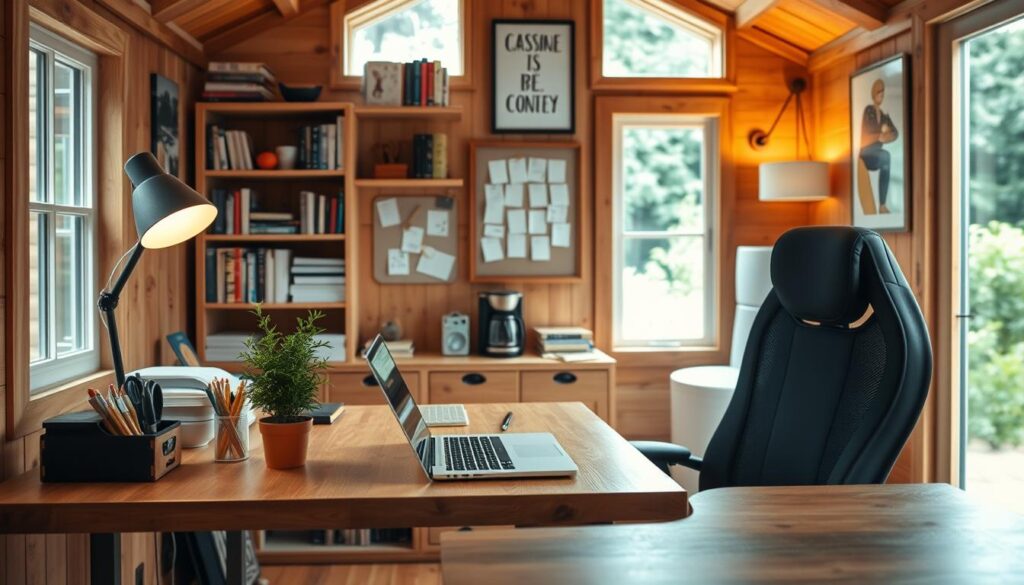
Your dining table was never meant to be a desk. It is shared, temporary, and forces you to pack up for meals and family routines.
That constant shifting breaks focus and creates clutter. You end up spending time setting up instead of working.
How a standalone unit helps you separate work and home
A backyard shed or small cabin gives you a consistent go-to place. Your chair, lighting, and call setup stay ready.
When you close the door, you actually leave work behind. Papers and devices stay out of the house, which lowers tension and interruptions.
What “space well spent” looks like for your daily routine
Space well spent means a spot where your kit is the only thing that moves. It’s a practical solution that creates a repeatable ritual without commuting.
- Your work tools remain organized and accessible.
- Noise and family distractions are reduced.
- You gain a clear boundary between home and work.
Once you commit to dedicated space, the next question is whether the shed arrives ready-to-work with power, acoustics, and comfort built in.
Portable office kits that turn your backyard into a ready-to-work office
A ready-to-use backyard shed should remove setup chores so your workday starts on time.
Plug-and-play power means lights and outlets where you need them. Expect 6+ Smart LED spots, an exterior aluminum sconce, and 12+ outlets/USB ports so you avoid extension cords and unsafe daisy chains.
Sound and focus come from real acoustic treatment. QuietWall and foam panels cut echoes, so calls sound clearer and deep work stays distraction-free.
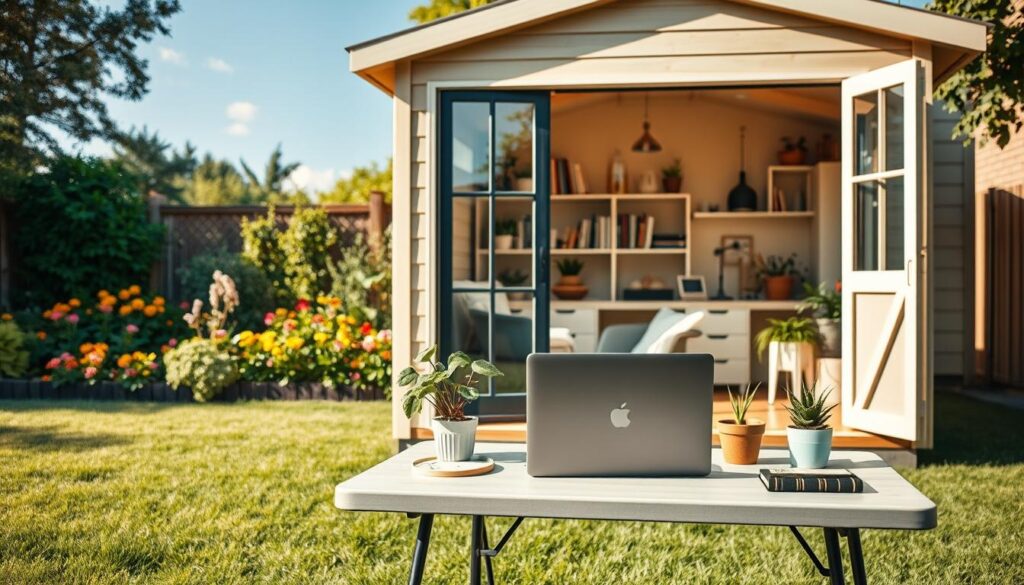
Finished interior and insulation matter in U.S. weather. A heated, fully insulated unit keeps steady temperature and blocks drafts so you can work year-round.
- Doors and windows: double-glazed, energy-rated windows and doors with screens reduce noise leaks and bring daylight without glare.
- Turnkey delivery: these sheds ship ready-to-use in 3–6 weeks, cutting your setup time.
- What to expect: finished interior, reliable outlets, acoustic panels, and proper air comfort for long sessions.
Choose the right size, layout, and interior design for your work
Choosing the right shed size and layout makes daily work less stressful and more efficient.
Picking the best room size for focus, meetings, and equipment
Think about how you use the space. For solo focus a Twelve (12′ x 8′) fits a desk, monitor arm, and file cabinet without wasted area.
If you host frequent video meetings, the Sixteen (16′ x 10′) gives room for a guest chair and better camera distance. The Station (30′ x 10′) supports equipment-heavy setups or shared work.
Interior options that support your workflow
Built-in storage saves floor space. Choose wall shelves or a slim closet if you store gear. A dedicated “drop zone” by the door makes unpacking fast.
Exterior materials, windows, and finishes
Match exterior materials to your home. Wood tones blend with traditional yards; modern cladding works on contemporary properties.
Place windows to bring daylight without screen glare. High windows or side glass reduce reflections during calls and keep backgrounds simple.
Flexible uses beyond a single role
Consider the Sixteen BnB if you want a guest-ready cabin with a 3/4 bath and kitchenette. Small sheds also serve as a studio, rehearsal room, or media space.
- Match model to use: Twelve for solo, Sixteen for meetings, Station for heavy gear.
- Prioritize interior layout: desk wall, storage wall, and clear camera sightline.
- Choose exterior finishes that anchor the backyard to your home.
Delivery, shipping, and timeline expectations across the United States
Knowing how shipping windows and site access interact will help you plan a smooth delivery day.
Build-to-order lead times and what influences delivery days
Build-to-order sheds ship ready-to-use in about 3–6 weeks. Lead times vary by configuration choices, the production queue, and how complex your installation plan is.
Custom finishes or extra electrical work add days in production. Ask the company for a confirmed calendar estimate tied to your project details.
Door-to-door shipping considerations and site access basics
“Door-to-door shipping” covers transport from factory to your property and a set-down at the prepared spot.
Clear access routes, a level staging area, and gate or driveway notes speed the process. Tight streets, low branches, or steep driveways may change the delivery approach.
What “pods delivered nationwide” means for your location
Most U.S. areas are serviceable. “Delivered nationwide” means fleets reach far-flung ZIP codes, though your area constraints may require alternate staging or a short reroute.
Expect shipping and installation often on the same day, with only a couple hours on your property for a ground install. For minimal surprises, get a precise quote that lists shipping assumptions, access notes, and any added service fees.
Installation and assembly options that fit your property and schedule
A clear installation plan prevents surprises and gets you working in the fewest possible days. Pick the method that matches access, budget, and how involved you want to be.
Ground install for fast, low-disruption setup
Ground installation is the fastest path when your site is level and accessible. A trained team can set a finished unit in about two hours, minimizing time on your property and reducing disruption.
Crane delivery, on-site assembly, or DIY
Crane delivery works where tight access blocks a long haul. On-site assembly can take as little as seven days and suits custom placements.
DIY assembly is an option if you have tools and experience, but it transfers sequencing and quality control to you. Licensed pros are insured and handle complex construction details when you want a turnkey result.
Virtual video assessment and permitting
Schedule a short video call or upload a site clip so the company can confirm the best option. A video assessment reduces risk and avoids last-minute changes.
Remember permits and local construction rules can add days to your timeline. Check setbacks, inspections, and HOA rules early so installation and assembly proceed smoothly.
Build quality details you’ll feel every day you work inside
When you step into a finished shed, the build quality shows up in small comforts you notice every day. You feel steady air, hear fewer echoes, and see doors and windows that close without rattling.
Insulation, heat, and air comfort matter across U.S. climates. These pods are built like a home: fully insulated, heated, and finished so temperature swings, drafts, and condensation are rare.
That consistent air environment supports long work sessions and a better on-camera presence. A finished unit outperforms a basic shell when weather shifts fast.
QuietWall, foam panels, and sound control
Acoustic treatment uses QuietWall plus foam panels to cut reflections and outside noise. That layered approach makes calls clearer and focus blocks quieter.
Mounted panels and treated wall systems reduce reverberation so your meetings sound professional with minimal setup.
Energy-rated windows, robust doors, and weather durability
Double-glazed, energy-rated windows and sturdy doors give tighter seals and better weather resistance. You get fewer drafts, less rattling in wind, and improved thermal comfort.
Maintenance-free cladding and long-term exterior performance
Choose maintenance-free cladding or natural wood looks that resist fading and moisture. Good materials mean less upkeep and stronger curb appeal over years of use.
- Daily feel: stable temp, low condensation, quiet calls.
- Durability: energy-rated windows, solid doors, all-weather engineering.
- Low upkeep: cladding options that age well without much service.
Ultimately, better materials and acoustic panels improve your day-to-day experience, not just the spec sheet. That is the build quality you want in a backyard shed for work.
A simple carry-all setup: what to pack, what to leave, and how to unpack
Treat packing as a ritual: one quick check and your tools move with you, no extra setup needed. This habit keeps your shed ready and your day predictable.
Your daily kit checklist
Pack only what you touch each work day. Keep this list short and repeatable:
- Laptop and charger
- Mouse and mouse pad
- Headset or earbuds
- Notebook, pen, badge/keys
- One role-specific accessory (hard drive, stylus, samples)
What to leave behind
Leave duplicates in the shed: an extra power strip, a dedicated webcam, and spare cables make your kit lighter and consistent. This “leave-behind” solution reduces forgotten items and faster starts.
Designing a drop zone
Place a small table by the door, a hook for headphones, and a labeled tray for small items. One surface for your bag and one hook for gear turns unpacking into a two-step action.
Cable and device management
Pick one primary charging point and one spare. Use simple cable ties and a short cable channel so cords form a clear path. This keeps the desk tidy and the camera line unobstructed.
Keep the workspace call-ready
Maintain consistent lighting, a neutral backdrop, and a “close the door, start the meeting” routine. Staged lighting and a tidy background make video calls professional with minimal prep.
End-of-day reset
Spend two minutes to power down, clear the surface, and pack only what you need tomorrow. A quick reset ensures the shed stays ready and your next work day begins without friction.
Pricing, value, and the buying process from quote to finished product
Understanding price structure and timelines helps you compare options and avoid surprises. A clear quote shows what the product includes and what the company assumes about your site.
What a complete quote should show
Make sure the quote lists the base shed configuration, selected finishes, and any add-ons. It must include site assumptions, installation scope, and the full project cost so you can compare offers confidently.
- Line items: base unit, electrical, acoustic upgrades, and extras.
- Site notes: access, crane needs, or DIY pickup assumptions.
- Timeline and lead times: production and installation windows.
Deposits, production queues, and realistic timelines
You typically reserve manufacturing with a 50% down payment. That holds your spot in the production queue.
Production often runs 3–7 weeks depending on configuration complexity and current queue. Many companies then ship ready-to-use in about 3–6 weeks total from order to on-site install.
Multi-unit and wholesale options
If you need more than one unit, ask about discounted pricing for 2+ orders. Bulk projects can shorten per-unit costs and simplify logistics for teams or property owners.
Warranty, service, and handling shipping damage
Standard coverage usually protects against manufacturing defects for up to one year, with separate warranties for appliances and materials. If shipping or installation damage occurs, the company or licensed pros coordinate repairs or replacements under the service agreement.
Value note: choosing a finished, acoustically treated unit with predictable logistics often costs less in time and risk than an open-ended build. That reliability is a key part of the product’s value to you as a customer.
Conclusion
A short, repeatable carry-in routine turns a backyard cabin into a reliable spot for focused work.
Use the carry-all method: bring only the essentials and leave the rest staged so your shed stays ready. This habit saves setup time and keeps your day predictable.
When you choose a unit, prioritize fit: the right size and layout match your schedule, call needs, and temperature comfort. Pick finishes that support long-term use and daily usability.
Materials matter. Thoughtful wood accents and durable exterior choices affect comfort, upkeep, and resale value while keeping your home life separate from work.
Next step: request a quote and confirm your area access and install plan so delivery and setup go as expected and your new office arrives ready-to-use.