
When you walk into your workspace, the first thing you notice is the feel of the room. Mood and vibe lighting shapes that instant impression. Designers say layered, warm sources under 3000K make a home feel inviting rather than cold or institutional.
This section explains why that contrast matters. Warm tones and soft diffusion calm your brain. Harsh, cool light can make the space feel clinical and reduce comfort.
You will learn how to audit your space, choose the right color temperature, and build a layered plan that supports work and rest. The goal is a functional setup that still looks like good design.
Good light is more than brightness. It is warmth, where light lands, and how it mixes across walls, desk, and background. Follow practical steps here to create an office you want to spend your day in.
Why lighting changes how you feel and work in your home office
The quality of your office’s light directly shapes how you think, focus, and unwind each day. Small shifts in color temperature and spread change the room’s character and your physiological response.
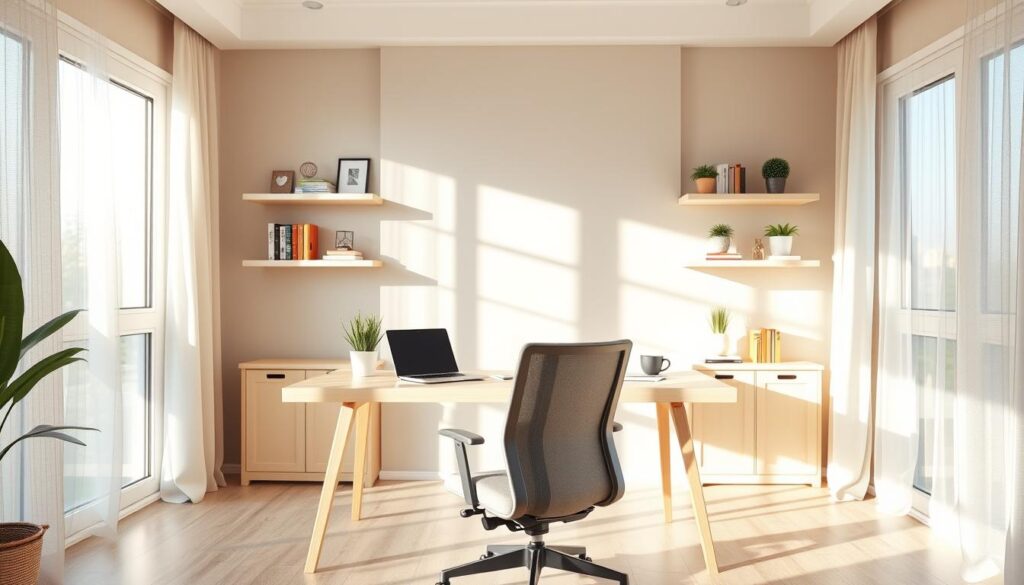
Warm vs. cool tones: cozy or clinical?
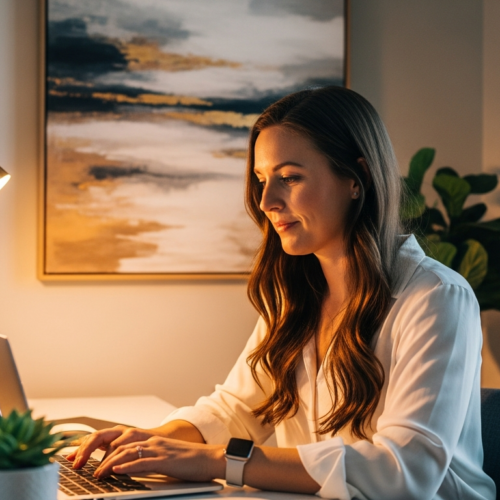
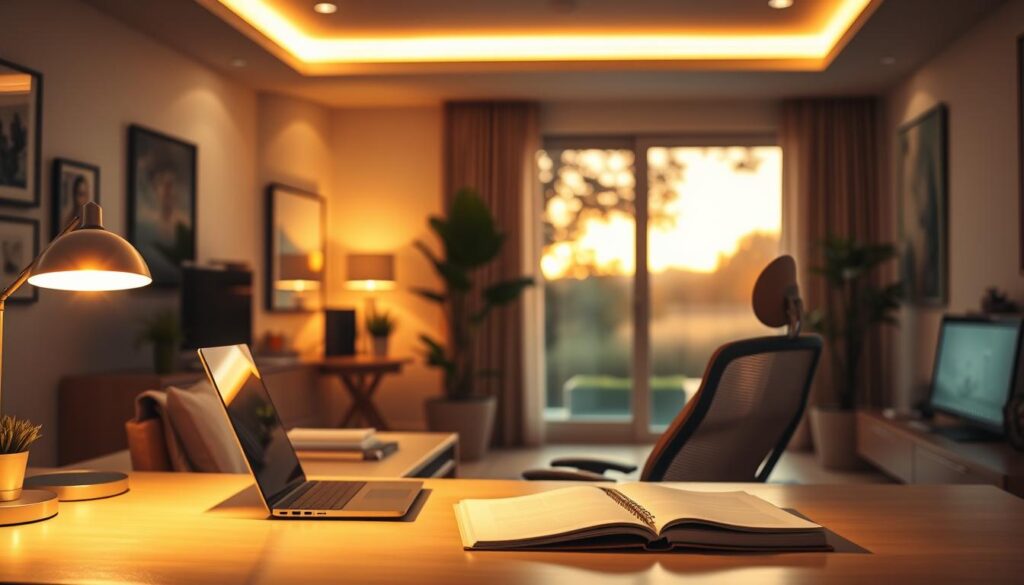
Warm light near 2700K reads as cozy because it softens shadows and lowers contrast. That reduced visual hardness helps your eyes relax during long sessions.
Above about 3000K a space can start to feel visually cold. Cooler temperatures mimic daylight and often signal a strict, institutional feel when they dominate the room.
How the right setup supports focus and relaxation
Glare, harsh contrast, or bare bulbs can make the same room supportive or stressful. Diffused sources and layered lights create steady task illumination for deep work.
Match intensity to the time of day so your office isn’t interrogation-bright at night or dim at noon. Over time, better choices reduce visual fatigue and boost a calm sense of sustained attention and relaxation.
Audit your space before you buy lights
Before you buy a single lamp, take a careful look at how each source serves your daily tasks. A quick audit saves money and fixes real problems.
Map tasks and zones
List the ways you use the room: desk work, reading, video calls, and any creative area. Mark where each task happens so you can match light to the job.
Identify current sources
Note every source: ceiling fixtures, daylight from windows, table and floor lamps. Check whether your overhead does too much heavy lifting or leaves dark pockets.
Spot common mood-killers
Look for screen glare, shiny surfaces that reflect into your eyes, and overly bright bulbs. Bare bulbs often feel unfiltered and cause visual stress in small space.
Before you buy checklist:
- Map zones where you work and read.
- Inventory every light source and measure brightness.
- Replace bare bulb fittings with diffused shades; add dimmable overheads where needed.
- Choose targeted fixtures to reduce glare behind screens.
Mood and vibe lighting basics for a home office setup
A small change in bulb temperature can shift your workday from sharp focus to quiet ease. Start with a simple rule: keep color temperatures under 3000K for a cozy, lived-in feel that still supports work.
Choose a color temperature that feels inviting: aiming below 3000K
Baseline rule: favor 2700K–3000K for main fixtures to avoid a cold, clinical room. Pick bulbs labeled warm white or soft white when in doubt.
Use CCT lighting to shift your “workday” and “wind-down” atmosphere
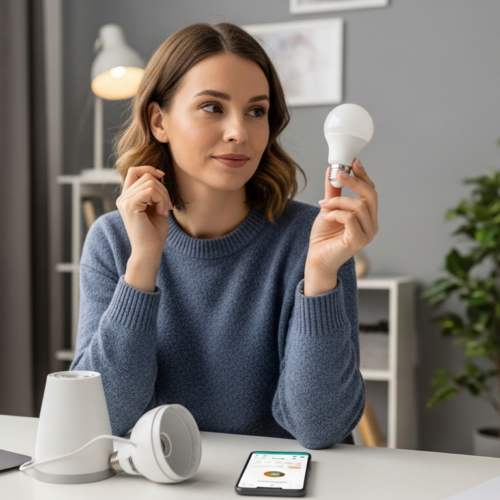
CCT (Correlated Color Temperature) means the bulb can change its color temperature. Tunable fixtures let you switch from a brighter, cooler tone for focused tasks to a warmer tone for evening rest without swapping lamps.
Match choices to the time of day and how you want to feel
Try two simple settings you can replicate:
- Workday: 3500K–4000K for alertness and clear contrast during daytime work sessions.
- Wind-down: 2700K for calm, softer edges in the evening.
Remember that wall color and finishes change how you perceive temperature. Pale cool paint will make a warm bulb look warmer; dark wood will absorb light and feel cozier. Treat light as a controllable tool to set the mood on purpose, not an afterthought.
Build a layered lighting plan that supports productivity and ambiance
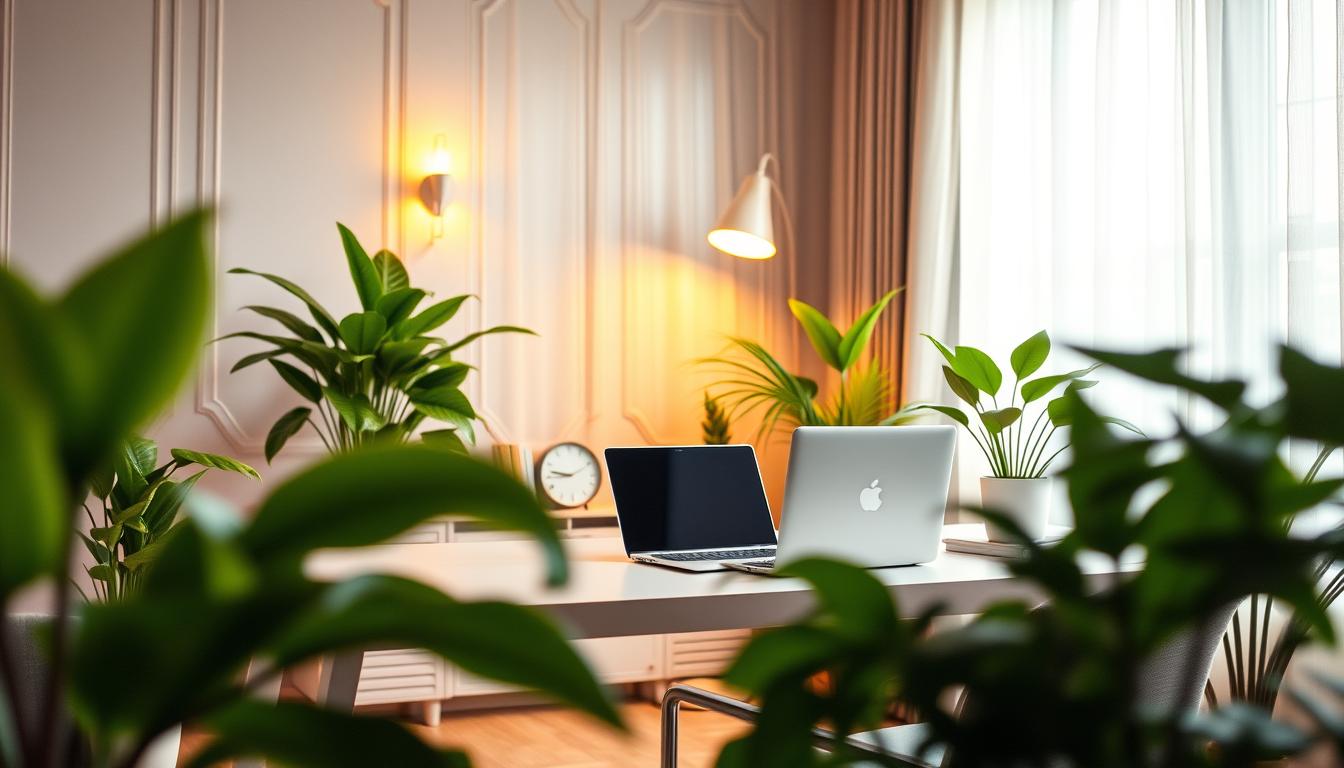
Instead of a single bright ceiling light, mix sources so each task has the right amount of glow. A layered plan keeps the room balanced and reduces glare while making the space feel purposeful.
Ambient: an even base without harsh overhead intensity
Use a soft overhead fixture or a diffuse pendant as your baseline. Keep overall brightness moderate so the room reads calm rather than stark.
Task: targeted light to cut eye strain and sharpen focus
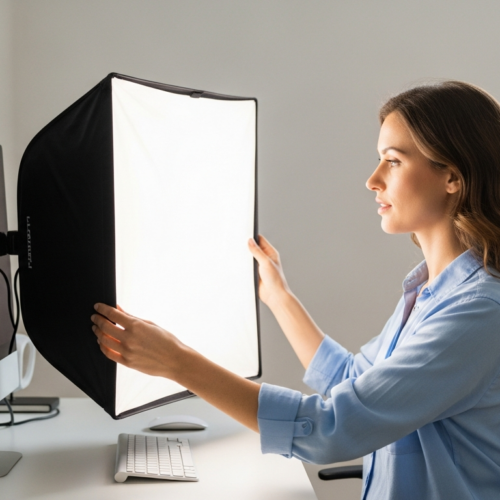
Place a desk lamp for paperwork and an adjustable lamp for screen work. Aim the beam to avoid reflections on your monitor.
Accent: add depth and crafted design
Accent lights highlight shelves, art, or a wall to create visual interest. These small sources make the room feel finished without raising brightness.
- Layer recipe: one ambient source, one dedicated task source, one accent source.
- Vary heights: use floor, table, and wall fixtures so light sits at a human scale.
- Keep a palette: choose warm, diffused bulbs and frosted shades to unify temperature and color.
Pick fixtures that deliver mood lighting without sacrificing function
Choose fixtures that solve real tasks in your office, not just what looks good in photos. Focus on pieces that place light where you work while adding a calm, finished look to the room.
Desk lamps for focused, comfortable screen work
Desk lamps aim light at paperwork and reduce eye strain for long sessions. Pick an adjustable arm with a diffusing shade and glare control. Dimmable options help you match brightness to the hour.
Floor lamps to create a defined work moment
Arc or swing-arm floor lamps carve out a reading or task area in multiuse rooms. They give targeted illumination without raising overall brightness.
Wall sconces, pendants, and accent fixtures
Wall sconces wash a wall with soft glow so you can skip harsh overheads. Pendants or chandeliers anchor a space with an even, flattering wash.
Picture lights and shelf strip lights spotlight art and books. These small fixtures add quiet drama to backgrounds for video calls.
- Select for adjustability, diffusion, and glare control.
- Prefer dimming and directional features where possible.
- Choose products that match your tasks, not just trends.
Control brightness and warmth to “set the mood” on demand
A quick tap or voice command can transform a harsh workspace into a calm, productive room.
Why dimmable lights matter: Dimming is the fastest way to improve how your office feels without changing fixtures. Lower brightness eases eye strain late in the day. Higher brightness helps with paperwork and detailed tasks.
Why dimmable controls add daily flexibility
Use dimming to match the hour. Raise light for focused mornings. Reduce glow for computer work or late wrap-up. Pair dimmers with CCT to change both intensity and color temperature.
Create scenes with smart controls
Program three simple scenes that you can trigger instantly:
- Work mode: brighter, cooler for crisp contrast and focus.
- Call mode: medium brightness with warm fill for flattering video.
- Evening mode: low warmth to help you unwind and set mood.
- Check dimmer compatibility with LEDs and CCT bulbs.
- Decide between smart bulbs or a smart switch for your source choices.
- Test the setup for glare and color accuracy before buying.
Practical routine: pick one button or voice command to start work and another to end your day. This keeps scenes consistent so your office feels right from morning to night.
Design moves that make your home office feel calmer and more inviting
A few design moves can turn a busy workspace into a tranquil room without losing function. Focus on how light lands on walls and surfaces to soften contrast and reduce eye strain.
Use wall glow and indirect sources to reduce visual stress
Wall sconces and uplights wash vertical surfaces with gentle glow. That spread lowers harsh shadows and makes the whole space read as calmer.
Avoid bare bulbs; pick diffused shades so the glow feels even across the room.
Coordinate color and materials for a richer atmosphere
Match your paint, wood, metal finishes, and textiles so reflected color stays consistent. Warm paints will deepen the perceived color of bulbs and help create a cohesive design.
Soft fabrics and matte surfaces bounce light softly, making the space more comfortable for long work sessions.
Skip overheads when you want intimacy and relaxation
For evenings or mixed-use corners shared with a living room or bedroom, rely on layered floor and table sources. This way you keep work functionality while letting the room feel more intimate.
- Bounce light off a nearby wall instead of aiming a lamp at your screen.
- Place a floor lamp behind seating to create depth without adding screen glare.
- Use shades to avoid hotspots and keep brightness controlled.
Quick rule: controlled brightness, warm color choices, and matching tones across fixtures give your home office a calmer sense without sacrificing the way you work.
Conclusion
Start with one fix, then use layers to expand the room’s usefulness and warmth.
Keep the core rule simple: layer ambient, task, and accent sources instead of relying on a single ceiling fixture. Warm color near 2700K–3000K helps your home feel inviting while staying functional for work.
Practical steps: audit the space, pick an inviting temperature, choose lamps, pendants, sconces, and floor options that place light where you need it. Prefer diffused bulbs and shades to cut glare and protect your eyes during long reading or screen sessions.
Create two scenes you can repeat each day: a focused task lighting setup and a softer atmosphere for evening intimacy. Pick one product upgrade that solves your biggest problem, then build outward until the whole house feels cohesive.