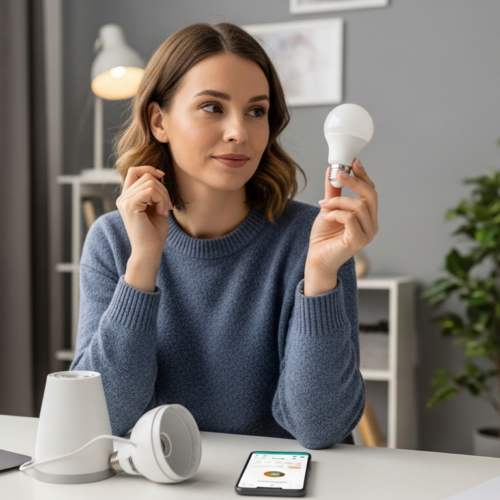


LED bulbs have revolutionized the lighting industry, offering a blend of energy efficiency and longevity. But how long do these bulbs really last, and what factors influence their led bulb lifespan? Understanding the variables at play can help you maximize your investment and ensure your home or office is well-lit for years to come.
This article will explore the various aspects of led bulb lifespan, comparing them to other bulb types and providing tips on how to extend their use. We’ll also discuss what to look for when purchasing LED bulbs to ensure you’re getting a high-quality product that delivers on its promises.
By understanding the nuances of led bulb lifespan, you can make informed decisions about your lighting choices, saving money on bulb replacement and contributing to a more sustainable environment. Let’s shed some light on this topic and uncover the secrets to long-lasting LED illumination.
What Affects LED Bulb Lifespan?
Several factors can significantly impact the led bulb lifespan. Heat, voltage fluctuations, and usage patterns all play a role in determining how long your LED bulbs will last.
Understanding these elements can help you take proactive steps to extend the life of your bulbs. Let’s examine these factors in more detail to see how they affect the performance and energy efficiency of your LEDs.
Heat is one of the biggest enemies of LED bulbs. Unlike incandescent bulbs that produce light through heat, LEDs are sensitive to high temperatures, which can degrade their components over time.
Proper ventilation and heat dissipation are crucial for maintaining a long led bulb lifespan. Enclosed fixtures can trap heat, so it’s best to use open fixtures or LED bulbs designed for enclosed spaces.
Voltage fluctuations can also damage LED bulbs. Surges and inconsistent voltage can stress the internal components, leading to premature failure and reduced light output.

Using surge protectors and voltage regulators can help stabilize the power supply and protect your LED bulbs. Consistent voltage ensures optimal performance and a longer led bulb lifespan.
The quality of the LED itself also plays a significant role. Cheaper LEDs often use lower-quality components that are more susceptible to heat and voltage damage, shortening their lifespan.
Investing in higher-quality LEDs from reputable manufacturers can ensure that you’re getting a bulb that is built to last and can withstand the rigors of daily use. These bulbs are often tested more rigorously.
Another often-overlooked factor is the duty cycle, which refers to the amount of time the bulb is actively lit versus the amount of time it’s off. Constantly switching an LED bulb on and off can put stress on its components.
While LEDs are designed to handle frequent switching better than incandescent bulbs, excessive on-off cycles can still shorten their lifespan. Try to minimize unnecessary switching to prolong the life of your bulbs.
Ambient temperature also matters. While LEDs produce very little heat themselves, the surrounding environment can still impact their performance. Extremely hot or cold environments can affect the lifespan.
Ensure that your LED bulbs are operating within their recommended temperature range to prevent premature failure. This is especially important for outdoor lighting applications.
Comparing LED Lifespan to Other Bulb Types
LED bulbs boast a significantly longer lifespan compared to traditional incandescent, halogen, and even compact fluorescent (CFL) bulbs. This difference in longevity is one of the primary reasons LEDs have become so popular.
Let’s take a closer look at how LED lifespans stack up against these other bulb types. Understanding the differences can help you appreciate the long-term value of investing in LED lighting.
| Bulb Type | Average Lifespan (Hours) | Energy Efficiency | Cost |
|---|---|---|---|
| Incandescent | 1,000 | Low | Low |
| Halogen | 2,000 – 4,000 | Moderate | Moderate |
| CFL | 8,000 – 10,000 | High | Moderate |
| LED | 25,000 – 50,000+ | Very High | High |
As the table shows, LED bulbs can last anywhere from 25,000 to over 50,000 hours. This is a stark contrast to incandescent bulbs, which typically last only around 1,000 hours, requiring frequent bulb replacement.
Incandescent bulbs are the least efficient, converting only a small percentage of electricity into light, with the rest being lost as heat. This not only results in higher energy bills but also contributes to their short lifespan.
Halogen bulbs are a slight improvement over incandescent bulbs, offering a longer lifespan and better energy efficiency. However, they still fall far short of the performance of LED bulbs.
CFLs are more energy-efficient than incandescent and halogen bulbs, and they also last longer. However, they contain mercury, which is a hazardous material that requires special disposal procedures.
LEDs offer the best combination of lifespan, energy efficiency, and environmental friendliness. They don’t contain mercury and last significantly longer than other bulb types, making them a cost-effective and sustainable lighting solution.
The initial cost of LED bulbs may be higher than other options, but their long lifespan and energy efficiency result in significant savings over time. You’ll save money on bulb replacement and energy bills.
Consider the long-term cost savings when comparing LED bulbs to other bulb types. The extended led bulb lifespan makes them a worthwhile investment for both residential and commercial applications.
Signs Your LED Bulb is Failing
While LED bulbs are known for their longevity, they don’t last forever. Recognizing the signs of a failing LED bulb can help you address the issue before it completely burns out.
Here are some common indicators that your LED bulb is nearing the end of its led bulb lifespan, ensuring you can plan for bulb replacement accordingly.
One of the first signs of a failing LED bulb is a noticeable decrease in light output. The bulb may appear dimmer than usual, even when it’s turned on fully.
This reduction in brightness indicates that the internal components are degrading, and the bulb is no longer producing light as efficiently. Dimming can also impact energy efficiency.
Flickering is another common sign of a failing LED bulb. The light may flicker intermittently or constantly, creating a distracting and uncomfortable environment.
Flickering can be caused by voltage fluctuations, overheating, or internal component failure. If you notice flickering, it’s a good idea to replace the bulb to avoid further issues.
Color shifting is another indicator that your LED bulb is failing. The color of the light may change, becoming warmer or cooler than its original hue.
This color shift is due to the degradation of the phosphors inside the bulb, which are responsible for producing the desired color temperature. A change in color indicates that the bulb’s led bulb lifespan is diminishing.
Another sign to watch out for is unusual buzzing or humming sounds coming from the bulb. These sounds can indicate a problem with the internal electronics.
If you hear buzzing or humming, it’s best to replace the bulb as soon as possible to prevent further damage or potential fire hazards. Unusual sounds are not normal.
In some cases, an LED bulb may simply stop working altogether. This is usually a sign of complete component failure, and the bulb will need to be replaced.
While LEDs are designed to last a long time, they are still susceptible to failure. If your LED bulb suddenly stops working, it’s likely reached the end of its lifespan.
Pay attention to any visible damage to the bulb, such as cracks, discoloration, or bulging. These signs can indicate internal problems and potential safety hazards.
If you notice any visible damage, it’s important to replace the bulb immediately to prevent further issues. Damaged bulbs can pose a risk of electrical shock or fire.
How to Extend the Lifespan of Your LED Bulbs
There are several steps you can take to extend the led bulb lifespan and maximize your investment. Proper installation, usage habits, and environmental controls can all contribute to longer-lasting LED lighting.
By implementing these strategies, you can reduce the frequency of bulb replacement and enjoy the benefits of energy efficiency for years to come.
Ensure proper ventilation around your LED bulbs. Avoid using enclosed fixtures that trap heat, as this can significantly reduce their lifespan.
If you must use enclosed fixtures, choose LED bulbs specifically designed for such applications. These bulbs are engineered to withstand higher temperatures and maintain optimal performance.
Use surge protectors to protect your LED bulbs from voltage spikes. Voltage fluctuations can damage the internal components and shorten their lifespan.
A surge protector can absorb excess voltage and prevent it from reaching the bulb, ensuring a stable power supply. Consistent voltage contributes to a longer led bulb lifespan.
Avoid using dimmer switches that are not compatible with LED bulbs. Incompatible dimmers can cause flickering, buzzing, and premature failure.
Always use dimmers specifically designed for LED lighting to ensure proper dimming functionality and optimal led bulb lifespan. Compatible dimmers help maintain light output and energy efficiency.
Dust can accumulate on LED bulbs, reducing their ability to dissipate heat. Regularly clean your LED bulbs with a soft, dry cloth to remove dust and maintain optimal performance.
Cleaning your bulbs will not only improve their lifespan but also enhance their brightness and overall appearance. A clean bulb is an efficient bulb.
Avoid using LED bulbs in areas with high humidity or moisture. Moisture can damage the internal components and shorten their lifespan.
If you must use LED bulbs in humid environments, choose bulbs that are specifically designed for such applications. These bulbs are often waterproof or water-resistant.
Choosing High-Quality LED Bulbs
The quality of an LED bulb plays a significant role in its lifespan and performance. Investing in high-quality bulbs from reputable brands can ensure you get the most out of your lighting investment.
Here are some factors to consider when choosing LED bulbs to ensure you’re getting a product that delivers on its promises of longevity and energy efficiency.
- Check for certifications like Energy Star
- Look for bulbs with a high Color Rendering Index (CRI)
- Consider the bulb’s warranty period
- Read customer reviews and ratings
- Compare prices from different brands
Energy Star certification indicates that the bulb meets specific energy efficiency and performance standards. Bulbs with a high CRI provide more accurate color rendering, making your home or office look more natural and appealing.
A longer warranty period indicates that the manufacturer has confidence in the quality and durability of their product. Look for bulbs with a warranty of at least three years.
Customer reviews and ratings can provide valuable insights into the real-world performance of LED bulbs. Pay attention to reviews that mention lifespan, brightness, and overall satisfaction.
Comparing prices from different brands can help you find the best value for your money. However, don’t sacrifice quality for price. Choose a bulb that offers a good balance of quality, performance, and affordability.
Pay attention to the bulb’s lumen output, which indicates its brightness. Choose a lumen output that is appropriate for the intended application. Consider the size of the room.
Also, consider the bulb’s color temperature, which is measured in Kelvin (K). Warmer color temperatures (2700K-3000K) are ideal for bedrooms and living rooms, while cooler color temperatures (4000K-5000K) are better suited for kitchens and offices.
Check the bulb’s power consumption, which is measured in watts. Lower wattage bulbs consume less energy and can save you money on your electricity bill. This is the key to energy savings.
Understanding Lumen Depreciation
Lumen depreciation refers to the gradual decrease in light output of an LED bulb over time. While LED bulbs are known for their longevity, they don’t maintain their initial brightness indefinitely.
Understanding lumen depreciation can help you anticipate when your LED bulbs may need bulb replacement, even if they haven’t completely failed yet.
All light sources experience some degree of lumen depreciation, but LEDs typically depreciate at a slower rate than other bulb types. This means that while the light output will decrease over time, it will still provide adequate illumination for many years.
The rate of lumen depreciation is influenced by factors such as heat, voltage, and usage patterns. Proper ventilation and stable voltage can help minimize lumen depreciation and extend the effective led bulb lifespan.
When choosing LED bulbs, look for products that provide data on lumen maintenance. This information indicates how much light output the bulb is expected to retain after a certain period.
For example, a bulb may be rated to maintain 70% of its initial lumens after 25,000 hours. This helps you estimate when the bulb’s brightness may become insufficient for your needs.
Keep in mind that lumen depreciation is a gradual process, and the bulb will likely continue to function even after its light output has decreased significantly. However, you may eventually notice that the light is no longer bright enough for its intended purpose.
Different LED bulbs have different lumen depreciation curves. Some bulbs may depreciate more quickly in the beginning and then level off, while others may depreciate at a more consistent rate.
Understanding the lumen depreciation curve of a particular bulb can help you make a more informed decision about whether it’s the right choice for your needs. Consider how long you need the bulb to maintain a certain level of brightness.
Lumen depreciation is often expressed as an L70 rating, which indicates the number of hours it takes for the bulb to reach 70% of its initial lumen output. A higher L70 rating indicates better lumen maintenance.
LED Bulb Technology Advancements
The technology behind LED bulbs is constantly evolving, leading to improved performance and longevity. Ongoing research and development are resulting in more efficient and durable LED lighting solutions.
Staying informed about these advancements can help you make even better choices when selecting LED bulbs for your home or office, maximizing energy efficiency.
One area of advancement is in the materials used to create LED bulbs. Manufacturers are exploring new materials that can better withstand heat and voltage fluctuations, further extending the led bulb lifespan.
These materials also improve the bulb’s ability to maintain its light output over time, reducing lumen depreciation and ensuring consistent brightness.
Another area of innovation is in the design of LED bulbs. New designs focus on improving heat dissipation and ventilation, preventing overheating and extending the bulb’s lifespan.
These designs often incorporate features such as heat sinks and improved airflow, ensuring that the bulb operates at a safe and optimal temperature.
Smart LED bulbs are also becoming increasingly popular. These bulbs offer advanced features such as adjustable brightness, color temperature control, and remote control via smartphone apps.
Smart LED bulbs can also be programmed to turn on and off automatically, further enhancing energy efficiency and convenience. They are a great choice for those looking to upgrade their home lighting system.
New advancements in LED driver technology are also contributing to improved lifespan and performance. LED drivers regulate the voltage and current supplied to the LED, ensuring stable and efficient operation.
Improved LED drivers can better protect the LED from voltage fluctuations and overheating, further extending its lifespan. These drivers are critical for longevity.
The development of new phosphor materials is also leading to improved color rendering and light quality. Phosphors are used to convert the blue light emitted by the LED into white light.
New phosphor materials can produce more accurate and vibrant colors, enhancing the overall appearance of your home or office. This is a key element of quality lighting.
Recycling LED Bulbs
When your LED bulb finally reaches the end of its led bulb lifespan, it’s important to dispose of it properly. Unlike incandescent bulbs, LED bulbs contain electronic components that should be recycled rather than thrown in the trash.
Recycling LED bulbs helps recover valuable materials and prevents harmful substances from entering the environment. Here’s what you need to know about recycling LED bulbs.
Many local recycling centers accept LED bulbs. Check with your local municipality or waste management company to find a recycling center near you.
Some retailers also offer recycling programs for LED bulbs. Look for drop-off locations at hardware stores, home improvement stores, and other retailers that sell LED lighting.
When recycling LED bulbs, be sure to handle them carefully to avoid breaking the glass. Place the bulbs in a protective container or bag to prevent damage during transport.
By recycling your LED bulbs, you’re contributing to a more sustainable environment and reducing the need for new resources. Proper disposal helps minimize the environmental impact of lighting.
Some LED bulbs may contain small amounts of lead or other heavy metals. Recycling helps prevent these materials from leaching into the soil and water supply.
Recycling also helps conserve valuable resources such as aluminum, copper, and glass. These materials can be recovered and reused in new products.
Check with your local recycling center for specific instructions on how to prepare LED bulbs for recycling. Some centers may require you to remove the bulb from its fixture before dropping it off.
Conclusion
Understanding led bulb lifespan is crucial for making informed decisions about your lighting choices. By considering the factors that affect lifespan, choosing high-quality bulbs, and implementing proper usage habits, you can maximize your investment and enjoy long-lasting, energy efficiency.
LED lighting offers numerous benefits, including reduced bulb replacement frequency, lower energy bills, and a more sustainable approach to illumination. Embrace the advantages of LED technology and light up your world with confidence.
From understanding the impact of heat and voltage to choosing the right bulb for the job, this comprehensive guide has provided you with the knowledge you need to make the most of your LED lighting. Make informed choices!
Remember to recycle your old LED bulbs to protect the environment and conserve valuable resources. Every little bit helps when it comes to sustainability and environmental responsibility.