

In today’s digital age, a well-equipped home office is essential for productivity and focus. However, creating an optimal workspace in a limited area can be challenging. One often overlooked aspect of a functional small space home office is lighting, and specifically, the use of dimmable lighting.
Dimmable lighting offers numerous advantages beyond simply adjusting brightness. Understanding the dimmable lighting benefits can transform your small space into a haven of efficiency and comfort.
This article will explore the various ways dimmable lighting benefits can enhance your work environment, from controlling light intensity to promoting energy saving.
Controlling Light Intensity for Different Tasks
One of the primary advantages of dimmable lighting benefits is the ability to adjust light intensity according to the task at hand. Different tasks require different levels of illumination to optimize focus and minimize eye strain.
For example, detailed work such as drafting or coding benefits from bright, focused light. In contrast, tasks like reading or attending video calls might be more comfortable with softer, diffused lighting.
By using dimmable lighting benefits, you can easily customize your workspace to suit your specific needs. This adaptability is especially useful in a small home office where space is limited and versatility is key.
Consider installing a dimmer switch for your desk lamp or overhead light fixture. This simple addition allows you to quickly adjust the light intensity as needed, promoting a more comfortable and productive work environment.
Imagine you’re working on a complex spreadsheet. Bright, direct light would be ideal for this type of task, allowing you to see the numbers clearly and avoid errors.

Then, as you transition to a video conference, you can dim the lights to create a more relaxed and professional atmosphere. The softer light will be more flattering on camera and less distracting for your colleagues.
This level of control is invaluable in a small space where you might be performing a variety of tasks throughout the day. It allows you to optimize your lighting for each activity, maximizing your productivity and comfort.
Furthermore, consider the time of day when adjusting the light intensity. Natural light is often brighter during the day, so you may need less artificial light. As the day progresses and natural light fades, you can gradually increase the light intensity to maintain optimal visibility.
Reducing Eye Strain with Lower Light Levels
Prolonged exposure to bright light can lead to eye strain, headaches, and fatigue, especially when working on screens for extended periods. Dimmable lighting benefits by allowing you to reduce the overall light intensity, minimizing these issues.
Lowering the light level can create a more comfortable and relaxing atmosphere, reducing the strain on your eyes. This is particularly important in a small space where you may be in close proximity to your light source.
Adjusting the light intensity to match the ambient light in the room can also help reduce glare on your computer screen. Glare is a major contributor to eye strain, so minimizing it can greatly improve your overall comfort and productivity.
Experiment with different light levels throughout the day to find what works best for you. You may find that you need brighter light in the morning and dimmer light in the afternoon to maintain optimal focus and reduce eye strain.
Think about the contrast between your screen and the surrounding environment. If your screen is much brighter than the room, your eyes have to work harder to adjust, leading to fatigue.
By dimming the lights, you can reduce this contrast and create a more balanced visual experience. This is especially important if you’re working in a dark room or at night.
Consider using a blue light filter on your computer screen, especially in the evening. Blue light can interfere with sleep, so reducing it can further minimize eye strain and improve your overall well-being.
Remember to take regular breaks from looking at your screen. Even with dimmable lighting benefits, prolonged screen time can still strain your eyes. Look away from your screen every 20 minutes and focus on something in the distance to give your eyes a rest.
Creating a Relaxing Atmosphere During Breaks
Taking regular breaks is essential for maintaining productivity and preventing burnout. Dimmable lighting benefits by allowing you to transform your workspace into a relaxing retreat during these moments.
Lowering the lights can create a calming ambiance, signaling to your brain that it’s time to unwind. This is especially helpful in a small home office where it can be difficult to physically separate your work and relaxation spaces.
| Break Activity | Ideal Light Level | Benefits |
|---|---|---|
| Reading | Low to Medium | Reduces eye strain, promotes relaxation |
| Meditation | Very Low | Enhances calmness, improves focus |
| Stretching | Medium | Provides sufficient visibility, prevents accidents |
| Listening to Music | Low | Creates a soothing atmosphere, reduces stress |
By adjusting the light intensity, you can create a distinct separation between work and break time. This mental shift can help you return to your tasks feeling refreshed and rejuvenated.
Imagine you’ve been working intensely for several hours. Your mind is racing, and you’re feeling stressed.
Instead of simply powering through, take a break and dim the lights. This simple act can create a more peaceful and relaxing environment, allowing you to de-stress and recharge.
Consider adding other elements to your break routine, such as aromatherapy or calming music. These can further enhance the relaxing atmosphere and help you return to work feeling refreshed.
Even a short break with dimmable lighting benefits can make a big difference in your productivity and overall well-being. Don’t underestimate the power of a well-deserved break.
Energy Savings and Cost Efficiency
Energy saving is another significant advantage of using dimmable lighting benefits in your home office. When you lower the light intensity, you reduce the amount of electricity consumed by the bulb.
This can lead to substantial energy saving over time, especially if you frequently use lower light levels. The reduced energy consumption translates directly into lower electricity bills, making dimmable lighting benefits a cost-effective choice.
Furthermore, dimming your lights can extend the lifespan of your light bulbs. When a bulb operates at a lower light intensity, it generates less heat, which is a major factor in bulb burnout. This extended lifespan means you’ll need to replace your bulbs less frequently, saving you even more money in the long run.
Consider using LED bulbs with dimming capabilities to maximize energy saving. LEDs are already highly energy efficient, and when combined with dimming, they offer even greater savings and a longer lifespan.
Let’s say you dim your lights by 50% for half of the time you’re working. This could translate to a significant reduction in your energy consumption over the course of a year.
Over time, the savings can really add up, making dimmable lighting benefits a smart investment for your home office and your wallet.
Don’t forget to factor in the cost of replacing bulbs less frequently. The extended lifespan of dimmed bulbs can save you money and time in the long run.
You can even track your energy consumption using a smart meter or energy monitoring app. This can help you see exactly how much energy you’re saving and further motivate you to use dimmable lighting benefits effectively.
Choosing the Right Dimmable Bulbs and Fixtures
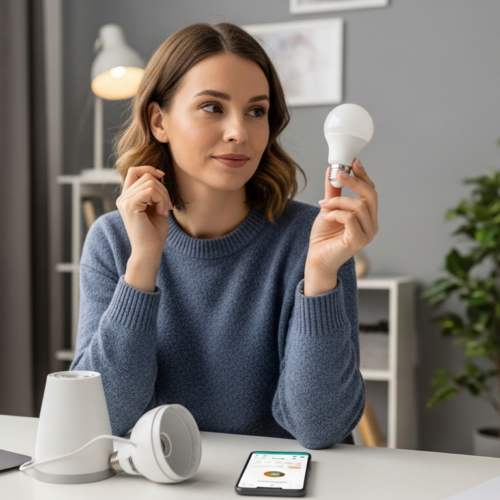
Selecting the right bulbs and fixtures is essential to fully realize the dimmable lighting benefits. Not all bulbs are created equal, and some are not compatible with dimmer switches.
When choosing bulbs, look for those specifically labeled as “dimmable.” LED bulbs are a popular choice due to their energy efficiency and long lifespan, but make sure they are compatible with your dimmer switch.
Consider the color temperature of the bulb as well. Warmer color temperatures (around 2700K) create a cozy, relaxing ambiance, while cooler color temperatures (around 5000K) provide a brighter, more focused light.
For fixtures, choose those that allow for easy bulb replacement and are compatible with dimmer switches. Desk lamps, floor lamps, and overhead fixtures with dimming capabilities are all excellent options for a small home office.
Before purchasing a large quantity of bulbs, test a single bulb with your dimmer switch. This will help you ensure compatibility and avoid any flickering or buzzing issues.
Pay attention to the lumen output of the bulb. Lumens measure the brightness of a bulb, so choose a lumen output that is appropriate for the size of your office and the tasks you’ll be performing.
Consider the style of your fixtures as well. Choose fixtures that complement your office decor and provide the desired level of illumination.
Don’t be afraid to mix and match different types of fixtures to create a layered lighting scheme. This can add depth and dimension to your office and provide more flexibility in terms of light intensity and direction.
Integrating Dimmers into Your Existing Setup
Integrating dimmers into your existing home office setup is a relatively simple and cost-effective process. There are several types of dimmer switches available, each with its own advantages and disadvantages.
Standard dimmer switches replace your existing light switch and allow you to control the light intensity by turning a knob or sliding a lever. Smart dimmer switches offer additional features such as remote control, voice control, and scheduling.
- Check compatibility with your existing wiring
- Turn off the power at the breaker before installation
- Follow the manufacturer’s instructions carefully
- Consider hiring an electrician if you’re not comfortable with electrical work
- Test the dimmer switch with your chosen bulbs
If you’re using LED bulbs, make sure your dimmer switch is compatible with LEDs. Some older dimmer switches may not work properly with LEDs, causing flickering or buzzing.
Before you begin, gather all the necessary tools and materials, including a screwdriver, wire stripper, and wire connectors.
Carefully disconnect the old light switch and identify the wires. Typically, there will be a hot wire, a neutral wire, and a ground wire.
Connect the wires to the dimmer switch according to the manufacturer’s instructions. Make sure all connections are secure and that no bare wires are exposed.
Once the dimmer switch is installed, test it to make sure it’s working properly. If you experience any problems, consult the manufacturer’s instructions or contact an electrician.
Mood Lighting and Ambiance
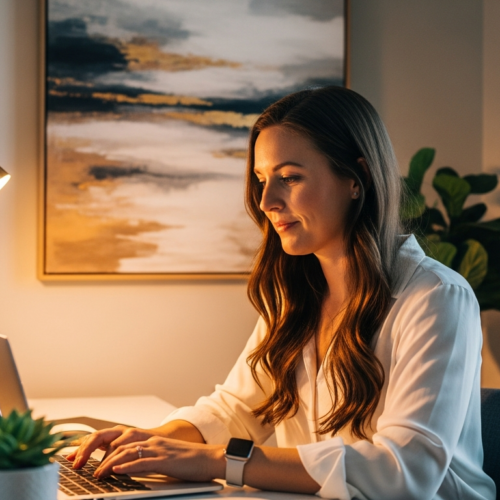
Mood lighting is a key element in creating a comfortable and inspiring home office. Dimmable lighting benefits by allowing you to easily adjust the ambiance of your workspace to suit your preferences and activities.
For example, you might prefer a bright, energizing light in the morning to help you wake up and focus. In the afternoon, you could switch to a softer, warmer light to reduce eye strain and promote relaxation.
Experiment with different light levels and color temperatures to find what works best for you. You can also use dimmable lighting benefits to highlight specific areas of your office, such as artwork or plants, creating a more visually appealing and stimulating environment.
Mood lighting can also be used to create a sense of calm and focus during stressful tasks. Lowering the lights and creating a warm, inviting atmosphere can help you relax and concentrate, even when facing challenging projects.
Consider using colored light bulbs to create different moods. Blue light can be energizing, while red light can be calming.
You can also use dimmable string lights to add a touch of whimsy to your office. These can be draped around your desk or hung on the walls to create a warm and inviting atmosphere.
Experiment with different lighting arrangements to see what works best for you. There’s no one-size-fits-all solution, so find what makes you feel most comfortable and productive.
Remember to consider the overall aesthetic of your office when choosing your lighting. The lighting should complement your decor and create a cohesive look.
Smart Home Integration
Integrating dimmable lighting benefits with a smart home system offers even greater control and convenience. Smart dimmer switches can be controlled remotely via a smartphone app or voice commands, allowing you to adjust the light intensity from anywhere in your home.
You can also create custom lighting scenes for different activities, such as “Work,” “Break,” or “Meeting.” These scenes can be activated with a single tap or voice command, instantly transforming your home office to suit your needs.
Smart home integration also allows you to schedule your lighting to automatically adjust throughout the day. For example, you could set your lights to gradually brighten in the morning and dim in the evening, mimicking the natural light cycle and promoting a more natural sleep-wake rhythm.
Consider using smart bulbs with built-in dimming capabilities for even greater flexibility. These bulbs can be controlled individually, allowing you to fine-tune the light intensity in different areas of your office to create the perfect ambiance.
Imagine walking into your office and saying, “Alexa, activate work mode.” The lights automatically adjust to a bright, focused setting, and your favorite productivity playlist starts playing.
Or, as you’re wrapping up for the day, you can say, “Hey Google, turn on relaxation mode.” The lights dim to a warm, inviting glow, and your smart speaker starts playing calming nature sounds.
Smart home integration can truly transform your home office into a personalized and automated workspace, making it more comfortable, efficient, and enjoyable.
Explore the various smart home devices and platforms available to find the ones that best suit your needs and budget. With a little research and planning, you can create a truly smart and connected home office.
Task Lighting vs. Ambient Lighting
Understanding the difference between task lighting and ambient lighting is crucial for optimizing your home office. Task lighting provides focused illumination for specific tasks, such as reading or writing.
Ambient lighting, on the other hand, provides general illumination for the entire room. Dimmable lighting benefits both types of lighting, allowing you to customize the light intensity to suit your needs.
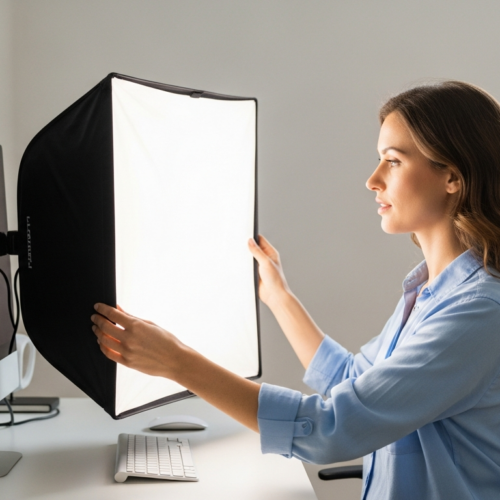
For task lighting, consider using a desk lamp with a dimmable bulb. This allows you to adjust the light intensity to provide optimal illumination for your work, while minimizing glare and eye strain.
For ambient lighting, consider using overhead fixtures or floor lamps with dimmable bulbs. This allows you to create a comfortable and inviting atmosphere in your office, while also providing sufficient general illumination.
Think of task lighting as a spotlight for your work. It should be bright enough to illuminate your task without creating glare or shadows.
Ambient lighting, on the other hand, should be more subtle and diffused. It should provide a general level of illumination without being too harsh or overwhelming.
By combining task lighting and ambient lighting, you can create a well-lit and comfortable home office that is conducive to productivity and creativity.
Consider using a combination of different types of fixtures to achieve the desired effect. For example, you might use a desk lamp for task lighting, a floor lamp for ambient lighting, and recessed lighting for general illumination.
The Impact on Sleep Quality
The type and light intensity in your home office can have a significant impact on your sleep quality. Exposure to bright, blue-toned light in the evening can suppress the production of melatonin, a hormone that regulates sleep.
Dimmable lighting benefits by allowing you to reduce the light intensity and switch to warmer color temperatures in the evening. This can help promote melatonin production and improve your sleep quality.
Consider using a dimmable lamp with a warm-toned bulb in your home office. In the evening, dim the light and switch to the warm setting to create a relaxing atmosphere that promotes sleep.
You can also use smart bulbs with automated color temperature adjustments. These bulbs can be programmed to automatically switch to warmer color temperatures in the evening, helping you maintain a healthy sleep-wake rhythm.
Avoid using bright, blue-toned light in your home office for at least an hour before bedtime. This will give your body time to produce melatonin and prepare for sleep.
If you must work in your home office in the evening, use a blue light filter on your computer screen and wear blue light blocking glasses. This will help minimize the impact of blue light on your sleep.
Create a relaxing bedtime routine to help you wind down before sleep. This might include taking a warm bath, reading a book, or listening to calming music.
Make sure your bedroom is dark, quiet, and cool. These conditions are ideal for sleep.
Conclusion
In conclusion, incorporating dimmable lighting benefits into your small space home office setup is a game-changer. The ability to control light intensity offers numerous advantages, from reducing eye strain and creating a relaxing atmosphere to energy saving and enhancing mood lighting.
By carefully selecting the right bulbs and fixtures, integrating dimmers into your existing setup, and exploring smart home integration options, you can transform your workspace into a haven of productivity, comfort, and energy efficiency.