

In the realm of home office design, lighting often takes a backseat to ergonomic chairs and spacious desks. However, the right lighting can significantly impact your focus, mood, and overall productivity. That’s where adjustable color temperature lighting comes in, offering a dynamic solution to optimize your workspace for any task and time of day.
This technology allows you to fine-tune the color of your light, mimicking natural daylight patterns and supporting your body’s natural rhythms. By understanding and implementing adjustable color temperature lighting, you can transform your home office into a haven of productivity and well-being.
This article will explore the science behind adjustable color temperature lighting, its benefits, and how to incorporate it into your small space home office setup. Get ready to discover how a simple change in lighting can revolutionize your work experience, enhancing focus and promoting a healthier work-life balance.
Understanding Color Temperature: Kelvin Explained
Color temperature, measured in Kelvin (K), describes the color appearance of light. It’s a scale that ranges from warm, reddish tones to cool, bluish tones.
Lower Kelvin values (2700K-3000K) produce a warm, inviting light, similar to that of a sunset or incandescent bulb. These temperatures are ideal for creating a relaxing atmosphere, perfect for winding down in the evening.
Higher Kelvin values (4000K-6500K) emit a cool, energizing light, akin to daylight. This type of light is known to enhance alertness and concentration, making it suitable for tasks that require focus and precision.
Understanding the Kelvin scale is the first step in harnessing the power of adjustable color temperature lighting. By selecting the appropriate Kelvin value, you can tailor your lighting to match your specific needs and preferences, optimizing your work environment for maximum productivity.
The Kelvin scale is not a measure of brightness, but rather a measure of color. Brightness is measured in lumens, which indicates the total amount of visible light emitted by a source. It is important not to confuse color temperature with brightness when choosing lighting for your home office.
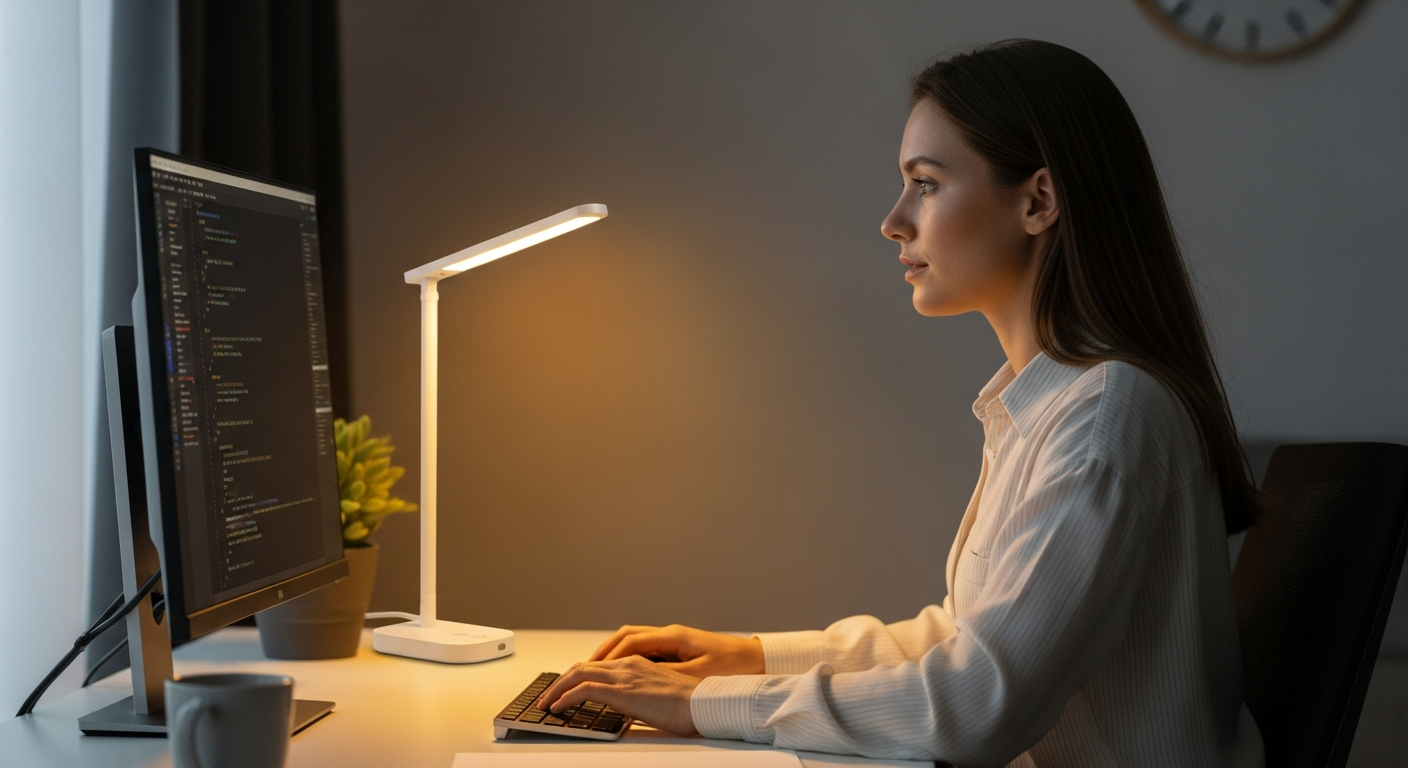
Different light sources have different Kelvin ratings. Incandescent bulbs typically have a color temperature of around 2700K, while fluorescent lights can range from 2700K to 6500K. LED bulbs offer the widest range of color temperatures, making them ideal for adjustable color temperature lighting systems.
When selecting a Kelvin value for your home office, consider the overall aesthetic you are trying to achieve. Warmer tones can create a cozy and inviting atmosphere, while cooler tones can create a more modern and professional look. The key is to find a balance that is both functional and aesthetically pleasing.
Think about the tasks you perform most often in your home office. Do you spend most of your time writing, reading, or attending virtual meetings? Each of these activities may benefit from a different color temperature to optimize your focus and comfort.
The Impact of Blue Light on Sleep and Focus
Blue light, a component of the visible light spectrum, has a significant impact on our circadian rhythm, the body’s natural sleep-wake cycle. Exposure to blue light, especially in the evening, can suppress the production of melatonin, a hormone that promotes sleepiness.
This suppression can disrupt your sleep patterns, leading to insomnia and daytime fatigue. However, during the day, blue light can be beneficial, enhancing alertness, attention, and cognitive performance.
The key is to manage your exposure to blue light throughout the day. In the morning and early afternoon, embrace the energizing effects of blue light to boost your focus and productivity.
As evening approaches, reduce your exposure to blue light by using adjustable color temperature lighting to shift to warmer tones. You can also use a blue light filter on your computer screen and avoid using electronic devices close to bedtime to promote better sleep.
Blue light is emitted not only from light bulbs but also from electronic devices like smartphones, tablets, and computer screens. The widespread use of these devices has led to increased exposure to blue light, especially in the evening hours.
The effects of blue light on sleep can be particularly pronounced in individuals who are sensitive to light or who have pre-existing sleep disorders. These individuals may need to take extra precautions to minimize their exposure to blue light in the evening.
Beyond sleep, excessive exposure to blue light can also contribute to eye strain and headaches. This is because blue light scatters more easily than other colors, making it harder for the eye to focus. Using blue light filters and adjusting screen brightness can help reduce eye strain.
While blue light can be detrimental in the evening, it is important to remember that it also plays a vital role in regulating our circadian rhythm during the day. Exposure to natural sunlight, which contains blue light, helps to keep us alert and energized.
Choosing the Right Kelvin for Different Tasks
Selecting the appropriate Kelvin value for your lighting is crucial for optimizing your work environment. Different tasks require different levels of focus and energy, and the right lighting can help you achieve the desired state.
For tasks that require intense concentration, such as writing or coding, opt for cooler, higher Kelvin values (4000K-5000K). This will help to boost your alertness and attention, allowing you to stay focused for longer periods.
| Task | Recommended Kelvin | Benefits |
|---|---|---|
| Writing/Coding | 4000K-5000K | Increased alertness, enhanced focus |
| Reading | 3500K-4000K | Reduced eye strain, improved readability |
| Brainstorming | 3000K-3500K | Relaxed atmosphere, encourages creativity |
| Evening Work | 2700K-3000K | Minimizes blue light exposure, promotes relaxation |
When reading, a slightly warmer color temperature (3500K-4000K) can be more comfortable for the eyes. This can help reduce eye strain and improve readability, especially when reading for extended periods.
For creative tasks like brainstorming, a warmer color temperature (3000K-3500K) can help create a more relaxed and inviting atmosphere. This can encourage creativity and make it easier to generate new ideas.
When working in the evening, it’s important to minimize your exposure to blue light. Opt for warmer color temperatures (2700K-3000K) to promote relaxation and prepare your body for sleep.
Consider using different lighting setups for different areas of your home office. For example, you might use a cooler color temperature for your desk lamp and a warmer color temperature for your overhead lighting. This can help create a more balanced and functional work environment.
Adjustable Bulbs and Smart Lighting Systems
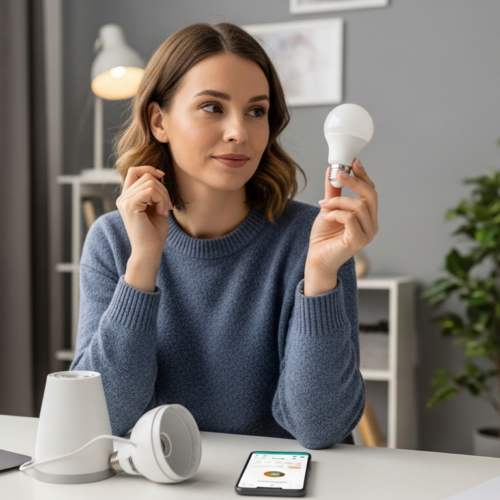
Adjustable color temperature lighting is readily available in the form of adjustable bulbs and smart lighting systems. These options provide convenient ways to control the color temperature of your lights, allowing you to customize your lighting to suit your needs.
Adjustable bulbs typically come with a remote control or app that allows you to adjust the Kelvin value. Smart lighting systems offer even more advanced features, such as scheduling, voice control, and integration with other smart home devices.
When choosing adjustable bulbs or smart lighting systems, consider the range of Kelvin values offered. A wider range provides greater flexibility in customizing your lighting.
Also, look for bulbs with a high color rendering index (CRI). The color rendering index measures how accurately a light source renders colors compared to natural sunlight; a CRI of 80 or higher is generally recommended for home offices.
Adjustable bulbs are a more affordable option for those who want to try out adjustable color temperature lighting without investing in a full smart lighting system. They are easy to install and use, and they offer a good range of Kelvin values.
Smart lighting systems offer a more comprehensive solution for controlling your lighting. They allow you to create custom lighting scenes, schedule your lights to turn on and off automatically, and control your lights with your voice.
When choosing a smart lighting system, consider the compatibility with other smart home devices you may already have. Some smart lighting systems are compatible with popular voice assistants like Amazon Alexa and Google Assistant.
Remember to check the energy efficiency of the bulbs you choose. LED bulbs are the most energy-efficient option, and they can save you money on your electricity bill over time. Look for bulbs with the Energy Star label to ensure they meet energy efficiency standards.
Setting Up a Daily Lighting Schedule
To maximize the benefits of adjustable color temperature lighting, consider setting up a daily lighting schedule. This involves programming your lights to automatically adjust their color temperature throughout the day, mimicking the natural progression of daylight.
In the morning, start with cooler, higher Kelvin values (4000K-5000K) to energize you for the day. As the day progresses, gradually decrease the Kelvin value to warmer tones (3000K-3500K) to promote relaxation and reduce eye strain.
- Morning: 4000K-5000K for alertness
- Midday: 3500K-4000K for focus
- Afternoon: 3000K-3500K for relaxation
- Evening: 2700K-3000K to minimize blue light
- Night: Red light only
Many smart lighting systems allow you to create custom schedules that automatically adjust the color temperature of your lights based on the time of day. This can be a convenient way to optimize your lighting without having to manually adjust it each day.
Experiment with different lighting schedules to find what works best for your body’s natural rhythms. Some people may prefer a more gradual transition between color temperatures, while others may prefer a more abrupt change.
Consider using a sunrise alarm clock that gradually increases the brightness of your lights in the morning. This can help you wake up feeling more refreshed and energized.
Don’t be afraid to adjust your lighting schedule based on your individual needs and preferences. If you find that you are feeling tired in the afternoon, try increasing the Kelvin value of your lights to boost your alertness.
Remember to take into account the amount of natural light that is available in your home office. On sunny days, you may not need to use as much artificial light. On cloudy days, you may need to increase the brightness of your lights to compensate.
Benefits for Productivity and Well-being
Adjustable color temperature lighting offers a multitude of benefits for both productivity and well-being. By mimicking natural daylight patterns, it can help regulate your circadian rhythm, leading to improved sleep and increased energy levels.
The ability to customize your lighting to suit different tasks can also enhance focus and concentration, allowing you to work more efficiently. Furthermore, adjustable color temperature lighting can reduce eye strain and headaches, promoting a more comfortable and productive work environment.
Beyond productivity, adjustable color temperature lighting can also positively impact your mood and overall well-being. Warmer tones can create a relaxing and inviting atmosphere, while cooler tones can boost alertness and motivation.
By tailoring your lighting to your specific needs and preferences, you can create a workspace that supports both your physical and mental health. A well-lit workspace is an investment in yourself, leading to long-term gains in efficiency and comfort.
Improved sleep quality is one of the most significant benefits of adjustable color temperature lighting. By reducing exposure to blue light in the evening, you can promote the production of melatonin and improve your sleep patterns.
Increased energy levels are another key benefit. By mimicking natural daylight patterns, adjustable color temperature lighting can help regulate your circadian rhythm and boost your energy levels throughout the day.
Reduced eye strain and headaches can significantly improve your comfort and productivity. By using the appropriate color temperature for different tasks, you can minimize eye strain and prevent headaches.
Enhanced mood and well-being can create a more positive and productive work environment. By tailoring your lighting to your specific needs and preferences, you can create a workspace that supports your mental health and promotes a sense of well-being.
Additional Tips for Small Space Home Offices
In addition to adjustable color temperature lighting, there are several other lighting strategies that can enhance a small home office. Layering light sources is essential to avoid harsh shadows and create a more balanced ambiance.
Combine overhead lighting with task lighting, such as a desk lamp, and ambient lighting, such as a floor lamp or string lights. Position your desk to maximize natural light exposure, but be mindful of glare on your computer screen.
Use light-colored paint on the walls to reflect light and make the space feel larger. Mirrors can also be used to amplify light and create the illusion of more space.
Finally, declutter your workspace to minimize distractions and allow light to flow freely. A well-organized and well-lit small space home office can be a haven of productivity and creativity.
Consider using sheer curtains or blinds to filter natural light and reduce glare. This can help create a more comfortable and productive work environment.
Choose furniture with a light finish to reflect light and make the space feel brighter. Dark furniture can absorb light and make the space feel smaller and more cramped.
Use vertical storage solutions to maximize space and minimize clutter. This can help create a more organized and efficient workspace.
Add plants to your home office to improve air quality and create a more relaxing atmosphere. Plants can also help to absorb sound and reduce noise levels.
Troubleshooting Common Issues
Even with the best planning, you might encounter some challenges when setting up adjustable color temperature lighting. One common issue is flickering, which can be caused by incompatible dimmers or low-quality bulbs.
Ensure that your dimmer switch is compatible with LED bulbs and that you are using high-quality bulbs from a reputable brand. Another issue is inconsistent color temperature, where different bulbs from the same brand emit slightly different colors.
To avoid this, purchase bulbs from the same batch or consider using a smart lighting system that allows you to calibrate the color temperature of each bulb. If you experience difficulty connecting your smart bulbs to your Wi-Fi network, ensure that your router is compatible and that you are following the manufacturer’s instructions carefully.
Finally, if you are unsure about any aspect of setting up adjustable color temperature lighting, consult a qualified electrician or lighting specialist. They can provide expert advice and ensure that your lighting system is safe and effective.
If your adjustable bulbs are not responding to the remote control or app, check the batteries and ensure that the bulbs are properly paired with the device. Sometimes, a simple reset can resolve the issue.
If you are experiencing connectivity issues with your smart lighting system, try restarting your router and your smart bulbs. Ensure that your Wi-Fi network is strong and stable.
If you are noticing shadows or glare in your home office, try repositioning your light sources or adding additional light sources to fill in the gaps. Experiment with different angles and positions to find the optimal lighting setup.
If you are experiencing eye strain or headaches, try adjusting the brightness and color temperature of your lights. Take frequent breaks to rest your eyes and avoid staring at your computer screen for extended periods.
Conclusion
Adjustable color temperature lighting is a powerful tool for optimizing your small space home office setup. By understanding the science behind color temperature and its impact on your circadian rhythm, you can create a workspace that enhances focus, productivity, and well-being.
Experiment with different Kelvin values and lighting schedules to find what works best for you, and don’t be afraid to invest in high-quality adjustable bulbs or smart lighting systems. With the right lighting, your home office can become a haven of productivity and creativity, supporting your success and well-being.
Embrace the power of light to transform your work experience. A small change in lighting can make a big difference in your focus, mood, and overall productivity. Create a workspace that inspires you and supports your goals.
Remember that creating the perfect home office lighting setup is an ongoing process. Continue to experiment and adjust your lighting as your needs and preferences evolve. Your ideal workspace is waiting to be illuminated.
Investing in adjustable color temperature lighting is an investment in your health, well-being, and productivity. Take the time to research your options and create a lighting setup that works best for you. The rewards will be well worth the effort.