

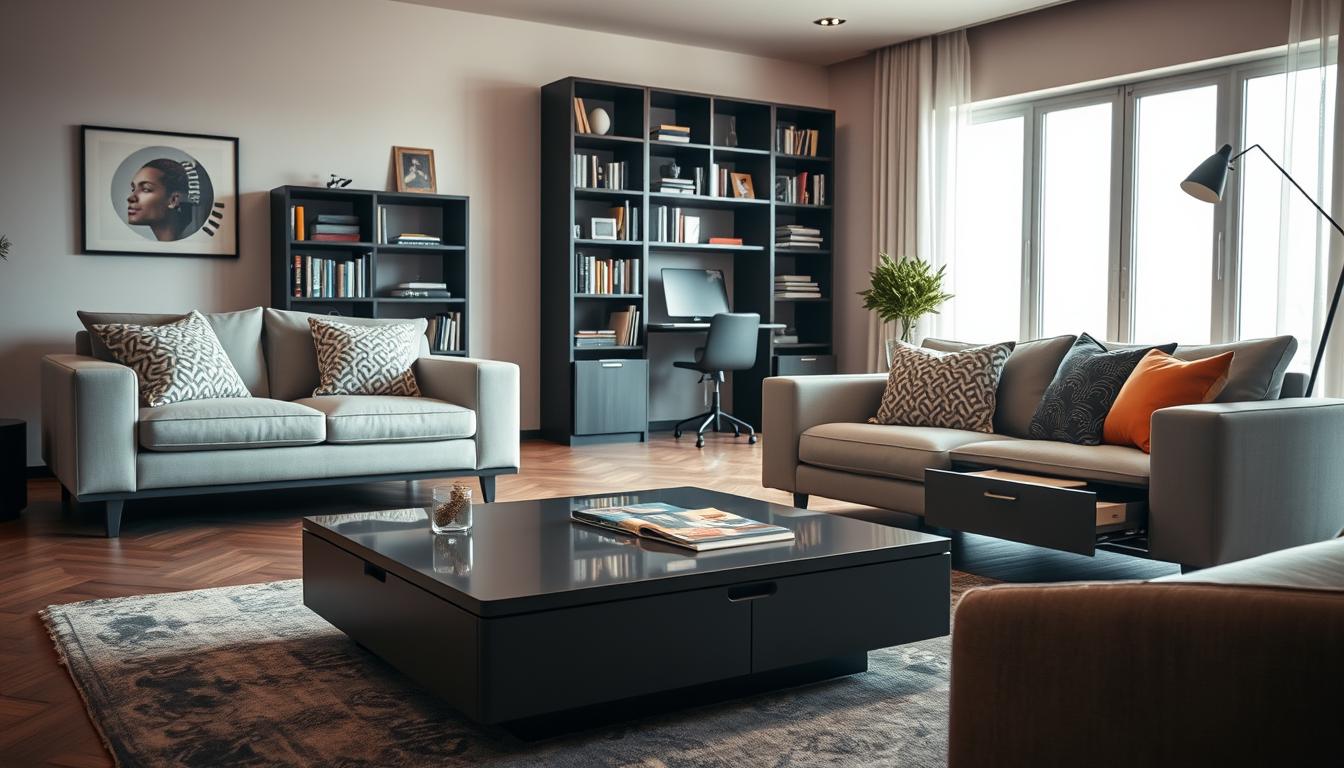
Creative voids are the small, overlooked pockets in everyday furniture—like the backs of cabinet doors, toe-kicks, narrow gaps, and hollow headboards. You can convert these areas into useful places for items without a full remodel.
This guide gives fast, practical ideas you can scan and apply. You’ll get a list of quick hidden storage hacks for the kitchen, living room, bedroom, and tight spots in small apartments.
Expect tips on cabinet door add-ons, drawer upgrades, pull-out systems, wall and behind-the-door spots, and furniture that keeps things out of sight. The goal is to add storage and keep rooms feeling open and stylish.
Measure first so parts fit and doors still open. Use this as a practical, choose-what-fits guide based on your layout, budget, and how often you use items in your home.
– Define creative voids and spot quick conversion opportunities.
– Fast, room-by-room hacks you can apply without major work.
– Measure before you buy to ensure smooth operation and fit.
Why hidden storage matters when your home feels maxed out
When every shelf seems full, small unseen pockets can free up real breathing room. Visual clutter builds when items sit out in plain sight, so your space feels crowded even if you technically have room.
How “out of sight” solutions reduce visual clutter without shrinking your style
Concealed options clear surfaces so your decor reads intentional, not busy. That keeps daily routines smoother and improves overall organization.

What counts as a creative void in standard furniture and built-ins
- Toe-kick zones under base cabinets
- The back of doors and narrow appliance gaps
- Dead corners and recessed wall cavities that sit flush
- Under-furniture cavities and shallow headboard hollows
Pick solutions by how often you reach for items—daily versus seasonal. Even finding one overlooked spot in each room can add meaningful storage space and change how roomy your home feels. The rest of the article gives actionable storage tips and practical ways to reclaim breathing room without a remodel.
Hidden storage hacks you can add fast without remodeling
You can gain immediate, useful space by choosing a few small upgrades that fit your cabinets and drawers. Start by measuring before you buy. Accurate dimensions stop returns and keep installations tidy.
What to measure first: cabinet width, drawer depth, and door clearance
Measure the interior cabinet width, the depth of each drawer, and how far doors swing. Note hinge swing so added racks or racks won’t hit adjacent shelves.
Quick checklist:
- Interior cabinet width and height
- Drawer depth and clear front-to-back space
- Door clearance to shelves and appliances
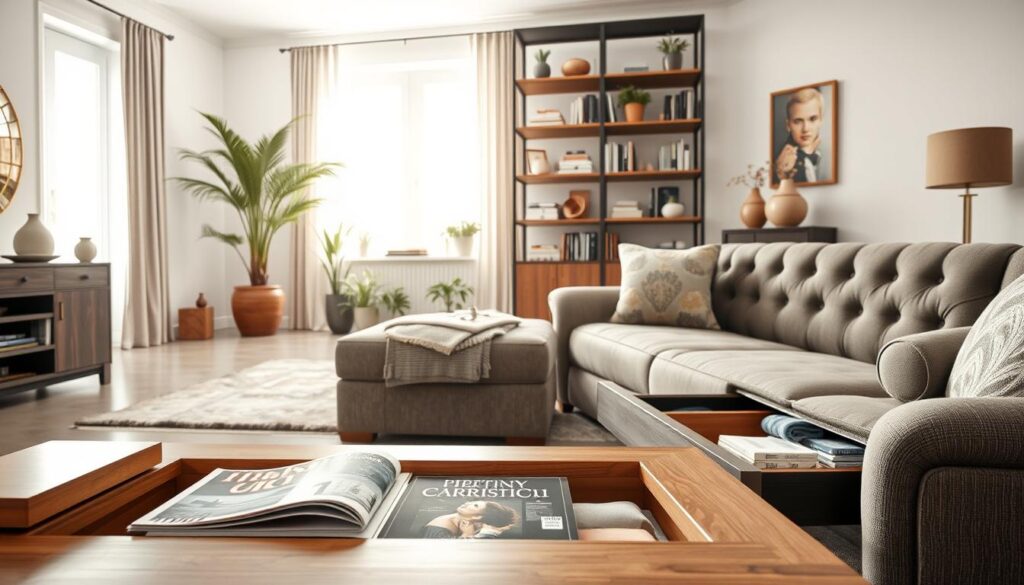
Choosing between peel-and-stick, screw-in, and built-in solutions
Peel-and-stick works well if you rent or need a no-drill option for lightweight items. Screw-in mounts handle heavier loads like pull-outs or spice racks.
Built-in installs give a seamless look when you want the solution to feel permanent. Pick the way that matches the weight you plan to hold and how often you will use the space.
Safety and accessibility considerations for kids, pets, and high-traffic rooms
Keep hazardous supplies out of lower drawers and lock cabinets when needed. Secure heavy pull-outs with stops and avoid exposed sharp edges.
Pro tips: prioritize soft-close slides in hallways and kitchens, group items by task (baking, coffee, cleaning), and take advantage of vertical space inside existing cabinets before buying larger units.
Cabinet door storage: the easiest way to add space in the kitchen
The back of a cabinet door is prime real estate for reclaiming useful kitchen space. You get extra room without changing layout or buying new cabinets.
Inside door racks for spices, measuring cups, and small food items
Door-mounted racks hold spices, measuring cups, and small food items so shelves and counters stay clear. Use slim racks for bottles and shallow bins for packets to keep things tidy.
Storing cutting boards vertically to free up shelf and drawer space
Mount a vertical cutting board rack on the inside of a cabinet door to free drawer and shelf room. A sturdy option like Rev-A-Shelf works well for heavier boards and keeps them easy to grab.
How to avoid hinge interference and slammed doors
Measure door depth and hinge swing before you buy a rack. Test-fit with tape to confirm clearance so the door closes smoothly.
- Measure interior door depth and distance to adjacent shelves.
- Check hinge type and swing arc; mark the max clearance.
- Temporarily clamp the rack and test-close before final mounting.
- Choose adjustable racks for common US cabinet size variation.
Group items like wraps, snack bags, and seasoning packets into slim bins on the door to stop small things from spreading across shelves.
Hidden drawer upgrades that double your storage space
Smart drawer mods reclaim vertical inches that often go unused. With a few inserts you can double what a single drawer holds without replacing cabinets.
In-drawer knife blocks for safer, counter-free knife care
Move knives out of sight and off the countertop with an in-drawer knife block. A popular example is the Noble Home & Chef bamboo block that holds 12 knives plus a sharpener and fits most drawers.
This keeps blades secure and clears workspace for prep. It’s a simple kitchen storage idea that improves safety and order.
Double-decker drawers that use vertical room already paid for
Double-decker systems add a slim second tier inside one drawer. Use the top layer for wraps, utensils, and flat tools and the lower tier for larger items.
Why it works: you capture vertical space and separate tasks, so you reach what you need faster.
Toe-kick drawers under base cabinets for flat supplies
Toe-kick drawers create a low, hidden line beneath your cabinets. They’re ideal for baking supplies, parchment, trays, and cookie sheets.
- Best when toe-kick height is sufficient and there’s no plumbing or wiring below.
- Not suitable if vents or pipes occupy that area.
- Great for seasonal pans, extra cutting boards, or thin baking trays.
Bottom line: These drawer upgrades are a practical way add real capacity. You’re reclaiming space you already own and creating a true storage solution for a busy kitchen.
Pull-out cabinet storage solutions for pots, pans, lids, and more
Pull-out systems turn deep, dark lower cabinets into easy-to-reach zones you’ll actually use. They fix the problem of losing items at the back and make daily cooking faster.
Pull-out pan racks with adjustable hooks to stop the cookware juggle
A pan rack like the WEN organizer uses adjustable hooks and mounts with four screws. It’s pre-assembled and built to hold heavy pans, even cast iron.
How to use it: hang daily pans on front hooks, lids on inner hooks, and awkward bakeware at the back so every item is visible and reachable.
Swing-out corner cupboard storage to reclaim the wasted-space zone
Corner cabinets often hide what you own. A swing-out solution, for example Vadania, has soft-close action and adjustable tray heights. Independent trays bring items toward you so nothing gets lost in the corner.
Narrow pull-out storage trolleys for the 3–4 inch gaps beside appliances
For slim gaps beside ranges or fridges, use a 3–4 inch pull-out trolley such as HOMFA. Stainless steel mesh baskets hold oils, spices, and cleaning refills.
Place trolleys so they don’t block vents or door swings. That helps appliances run safely and keeps aisles clear.
- Why pull-outs matter: visibility, reachability, and fewer duplicate purchases because you can see what you own.
- Choose a pan rack for heavy cookware, a swing-out for corner cabinets, and a narrow trolley to take advantage of tiny gaps.
Hide small appliances in plain sight with smarter cabinet planning
Clear countertops by tucking small appliances into smart cabinet solutions that keep them plugged in and ready. This keeps your kitchen looking calm while keeping function intact.
Pull-out mixer lifts that bring heavy appliances up to counter height
Use a spring-loaded lift like the Rev-A-Shelf. It raises up to 60 lbs, has adjustable spring tension, and a lifetime guarantee. That makes heavy mixers easy to lift to counter level without straining.
False cabinet doors and appliance garages for a cleaner look
Install false cabinet doors or an appliance garage so appliances stay plugged in but out of view. You’ll clear counter space while leaving coffee makers and blenders ready to use.
Fake kitchen backsplash slides for seldom-used items near the sink
A sliding backsplash panel creates a compact storage spot near the sink for occasional gadgets, backup sponges, and specialty dishware. Avoid storing heat-sensitive items if the panel sits close to cooking zones.
- What to store: occasional gadgets, spare sponges, specialty plates, and backup utensils.
- What to avoid: heat-sensitive items near stoves or anything that can trap moisture.
- Plan by use: put coffee gear near mugs, the mixer near baking tools, and rarely-used appliances in higher or deeper spots.
- Daily use wins: the best concealed solutions are ones you’ll actually return items to because they’re quick to access and reset.
Wall and behind-the-door storage spots you’re probably ignoring
You likely overlook the wall behind doors, yet those slim gaps can hold surprising amounts of everyday gear.
Behind-the-door narrow shelves fit jars, sprays, and cleaning supplies in just a few inches of depth. You can build a simple narrow unit for under $40 and mount it with adhesive strips or screws for lightweight items.
Behind-the-door narrow shelves for jars and sprays
Use shallow shelves to hold spice jars, spray bottles, and refill packs. They keep essentials visible but hidden when the door closes, making the pantry or closet less cluttered.
Recessed wall cupboards that sit flush
For a sleeker, permanent solution, install a recessed cupboard that sits flush with the wall. This prevents entryway bottlenecks and keeps high-traffic rooms feeling wider and safer.
- Why it works: you reclaim lost wall space without shifting floor layout.
- Use cases: mini pantry overflow or a compact cleaning station close to where you work.
- Anchoring tip: follow weight limits; use wall studs or proper anchors for heavier items and avoid overloading narrow shelves.
Under-cabinet and “dead zone” kitchen storage ideas
Small, awkward areas under uppers and around pipes can become clean, useful spots with a few targeted tweaks. Define “dead zones” as the narrow strips beneath upper cabinets and the shadowed area under the sink that often collect clutter.
Below-cupboard paper towel dispensers
Mount a below-cupboard paper towel dispenser like the Innovia to free counter room. The Innovia’s motion-sensor dispenses towels with a simple wave, so you don’t touch the roll and mess stays off the counter.
Under-sink racks and bins
Organize under the sink by working around plumbing. Use slim racks and stackable bins rather than fighting pipes. That creates clear zones you can reach without crawling inside.
- Daily: put cleaners and tools in front for quick access.
- Backups: store overflow supplies behind daily items.
- Containment: keep leak-prone items in sealed bins to protect the cabinet floor.
- Clearance: leave access to shutoff valves and check for moisture regularly.
Why this works: these are fast kitchen storage ideas that add useful space without a remodel. Make the easiest-to-grab spots the ones you reset most often for a sustainable way to keep order.
Pantry-style organization using sliding racks, shelves, and racks
A slim pull-out can convert an unused gap into a full-height pantry alternative. This kind of pantry organization focuses on visibility so you waste less and buy fewer duplicates.
Sliding racks that fit between cabinets or a wall capture narrow vertical space. They hold canned goods, dry goods, and cleaning supplies in a tidy column you can slide out to inspect at a glance.
Pull-out pantry systems bring supplies to you. Instead of reaching into the back row, you pull the unit out and see every item. That improves reach and makes back-row items usable again.
- Placement tips: keep heavy items low, everyday items at mid-level, and seldom-used supplies higher.
- Use shelves for bulk bins and racks for small-to-medium packaged goods for stability and access.
- These are retrofit-friendly storage solutions that fit standard kitchen cabinet runs and add real storage space without changing layout.
Living room hidden storage that looks like regular furniture
A living room that feels tidy starts with furniture that conceals everyday items without looking odd. Shared spaces collect blankets, game boxes, and charging cables faster than private rooms. Use pieces that blend form and function so your home looks intentional and calm.
Storage ottomans and sectionals for blankets, pillows, and games
Choose a storage ottoman or a sectional with a lift-up seat to stash throws, pillows, and board games. These pieces let you reset the living room in minutes and keep bulky items out of sight while staying within reach.
Rising coffee tables that hide everyday items right where you sit
A rising coffee table gives you a secret compartment for remotes, chargers, and coasters. Because it opens at seating height, you grab what you need without standing up. Prioritize soft-close lids and easy-open mechanisms for daily use.
Decor-friendly storage baskets that hide the clutter fast
Decor-friendly storage baskets are a quick, flexible way to hide clutter while matching your color palette. Use one basket for throws, one for tech tangled cables, and one in the ottoman zone for games. Look for durable fabrics if you have kids or pets.
- Ways to choose the right piece: soft-close lids, easy-open hinges, and durable upholstery.
- Category zoning: one basket for throws, one hidden compartment for tech, one ottoman area for games.
- Why it works: the best solutions blend in so the room still feels like a lived-in, stylish home.
Bedroom storage: turn your bed and headboard into a storage solution
Your bed often takes up the largest footprint in the room—use that real estate to solve closet overflow.
Lift-up bed frames raise the mattress platform so you can store bulky, off-season clothes and spare linens underneath. These frames give a wide compartment that stays out of sight but is easy to access by lifting the mattress.
Use under-bed compartments with bins to keep categories separated. Label bins for winter coats, extra sheets, and footwear so you pull what you need without unpacking the whole area.
Platform and headboard options
Platform beds with built-in compartments open from the top and work where under-bed clearance is low. They create a large enclosed cavity that replaces a free-standing dresser.
Bookcase headboards and hidden headboard shelves expand bedside capacity for phones, books, and nightly items. Put daily essentials up high and seasonal gear below.
- Keep daily items in headboard shelves for quick reach.
- Store seasonal items in bins under the bed to save closet space.
- Don’t overfill compartments so lifts and drawers operate safely.
Why this matters: these storage spot options reduce the need for extra dressers and free floor space while keeping your bedroom tidy and functional.
Small-space secret storage in unexpected places
You don’t need large furniture to gain real capacity—look for overlooked architectural pockets. These are the unexpected wins when you need extra room but don’t want bulky additions. Use a few smart conversions and you add real function without changing the footprint.
Under-stairs drawers and cupboards
Under-stairs drawers offer high-capacity space for shoes, coats, toys, or books. They work as pull-out drawers, shallow cupboards, or slide-out mudroom-style racks depending on your stair layout.
What to store: put high-traffic, grab-and-go items near the house entry and seasonal clothing deeper inside. Make sure any stair modification keeps structure and tread safety intact.
Hollow books as a discreet spot
Use hollow books on an existing shelf to hide small valuables like keys, cash, and sunglasses. This is a low-effort way to keep tiny daily items out of sight but easy to reach.
Window sill drawers and built-ins
Flush window sill drawers create low-profile spaces for lightweight items and folded fabric. They sit hidden when closed and keep surfaces clear.
Tip: avoid storing moisture-sensitive items near damp windows. For fragile valuables, choose the hollow book option instead.
- Why these work: they keep your rooms tidy by being hidden in plain sight.
- How to use them: under stairs for quick-access items, hollow books for small valuables, and sill drawers for occasional or light items.
- Safety note: always check structure for stair projects and avoid damp areas for sensitive items.
Conclusion
Start small: a single cabinet upgrade, a drawer insert, or a slim shelf can free meaningful storage space and reshape your kitchen workflow.
Focus on the high-impact categories: cabinet door add-ons, pull-outs for cabinets, drawer upgrades, and narrow zones by doors and walls. Measure first so doors close cleanly and drawers glide without rubbing.
Safety and usability matter: choose durable mounts, secure fasteners, and place everyday items where you can reach them. The real advantage comes when solutions stay tidy in daily life.
Pick one cabinet, one drawer, and one dead zone. Optimize them, test how they work, then move on. When you scan your home, look for any gap, backside, or under-space and match it to a category of items to make the most of every place.