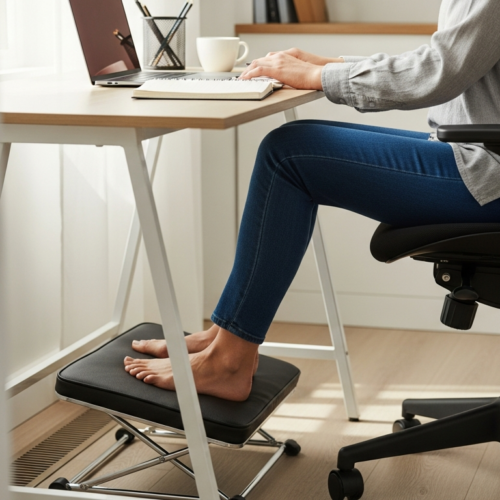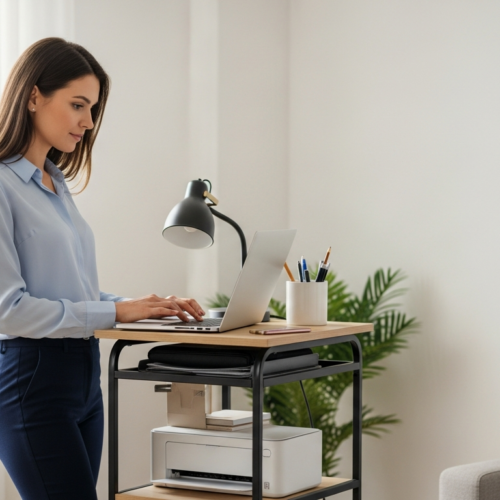

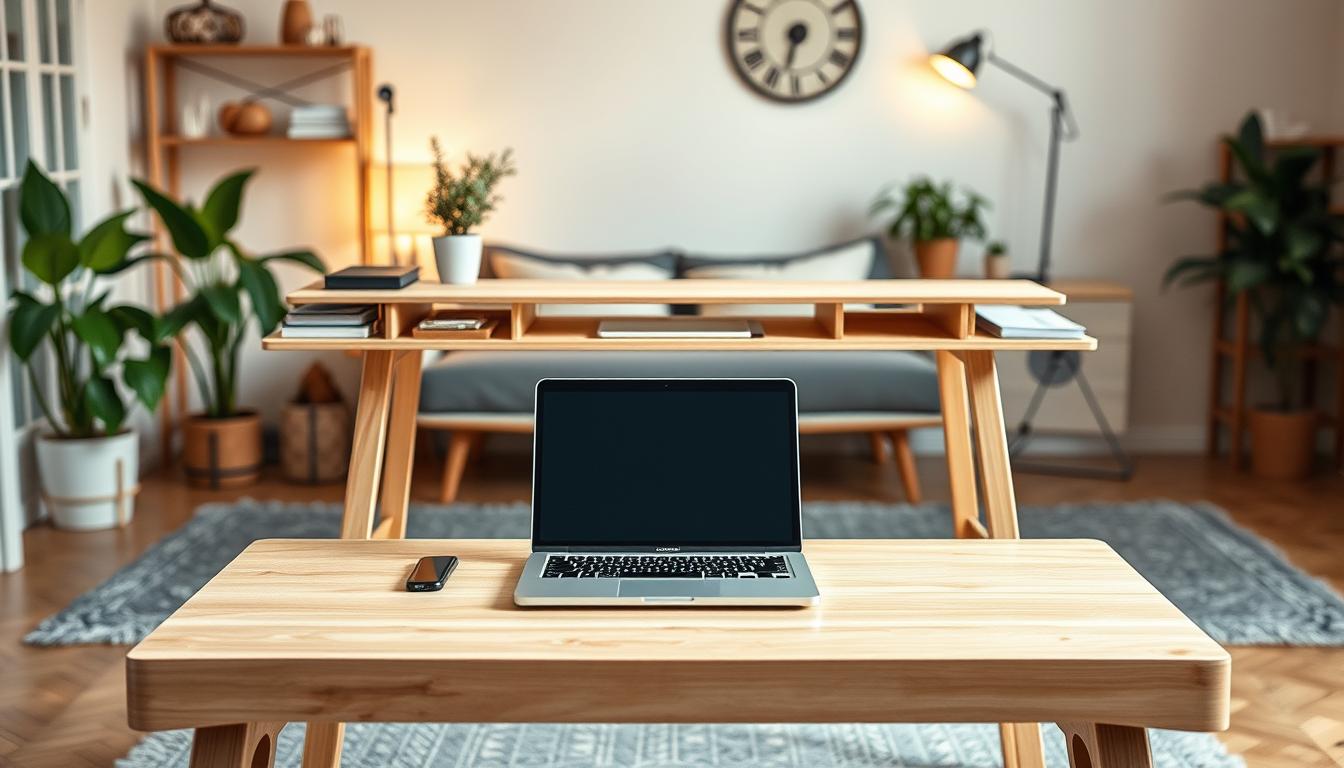
You need a real workspace that disappears when you don’t. A foldable piece folds flat, collapses, or drops down from the wall so your single room can serve many roles.
Folding desk benefits include portability, excellent space savings, and easy setup. In tight studio living, that means you reclaim floor area and keep a clear sightline for dining or relaxing.
By “folding” we mean designs that fold flat, collapse, use hinged legs, or offer a wall drop-leaf. Knowing these types helps you pick the right style for your home.
This approach isn’t about shrinking furniture; it’s about better functionality and smooth transitions. You’ll swap from work to leisure without your room feeling like an office.
Why Studio Living Demands Flexible, Space-Saving Furniture
When you live in a single room, the difference between measured space and usable space becomes everything. A unit that is only present when you need it returns floor area the moment you fold it away, so the same square footage serves different purposes.
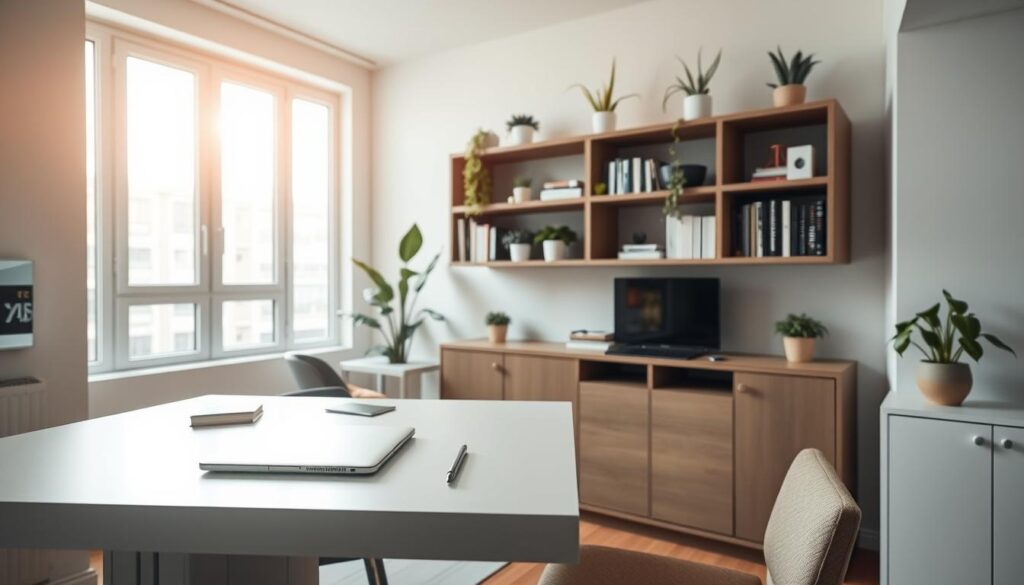
Measured space is what your tape measure shows. Usable space is what you can actually walk through, sit in, and use without bumping into things.
Studio living forces you to treat one room as multiple spaces: sleeping, dining, and work. That daily juggling makes flexibility a necessity, not a luxury.
How a foldable work surface frees up real “usable space” when you’re not working
- It gives back floor area and clears traffic paths, so a small area can become a dining spot or exercise zone instantly.
- By disappearing when not in use, it helps you reset the room fast — useful when guests arrive or schedules change.
- The practical lens: if you reset the room weekly or daily, pick pieces that shrink or tuck away to keep the room livable.
When a permanent piece makes your room feel cramped, even if the measurements say it fits
People experience crowding differently — door swings, closet access, and walking lines matter more than perfect fit numbers. As a renter or small-space owner, prioritize adaptability over rigid layouts so your living area stays comfortable and functional.
Folding desk benefits for a Small Home Office Without Sacrificing Comfort
A fold-away workstation gives you full surface area for real projects, then tucks out of sight when the day ends. This makes it easy to keep a productive workspace in a small home without sacrificing style or flow.
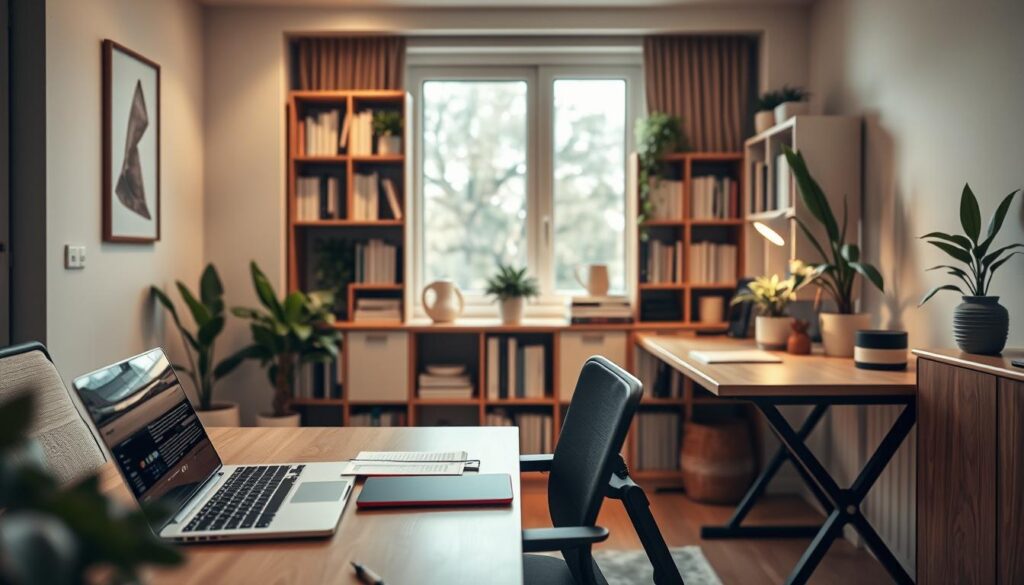
A full-size workspace when open, a slim footprint when folded
You can open a surface large enough for a laptop, monitor, and notes, then close it to free walking space. That flexibility turns a bedroom or living room into a true home office during work hours and a living area after.
Better ergonomics than “tiny desk” compromises for long sessions
Choose a model with proper height and enough depth so your monitor sits at eye level and your arms rest comfortably. Pair it with an adjustable chair to prevent neck and shoulder strain during long study or work blocks.
Cleaner, less cluttered rooms that support focus and functionality
A fold-away setup lets you clear surfaces and visually close your office, which helps you relax and focus. In small spaces, reducing visible clutter improves functionality and makes your home feel more organized.
- Real surface area for serious tasks, then compact storage when not in use.
- More ergonomic options than tiny tables, so you stay comfortable.
- Supports a cleaner room and faster resets for guests or downtime.
Space-Saving Advantages You’ll Notice Immediately
Freeing a corner or wall can instantly make your small home feel larger and more useful. You get visible room to move and the option to repurpose the same area for different tasks.
Reclaiming floor area for living, dining, and storage in multi-purpose rooms
Immediate wins include clear walking paths, open access to drawers, and room to set up a small dining table or extra storage when you need it.
The same spot becomes a work zone in the morning and a hobby or meal area by evening. That versatility turns one footprint into many functional uses.
Less wear and tear when your desk isn’t always exposed
Surfaces stored away avoid constant sun, spills, and dust. Stowed units show less surface damage and stay cleaner over time.
Unfold occasionally, wipe the top, and clear moving parts. This simple habit preserves finish and function for years.
Quick resets for guests, workouts, hobbies, or family time
- Fast resets mean you can host friends without hauling heavy furniture.
- You can clear a spot for a quick workout or a kid-friendly play area for family time.
- Tables and fold-up work surfaces share this practical advantage: they only occupy space when you want them to.
Where Folding Desks Make the Most Sense Around Your Home
The right space-saving solution turns overlooked corners into useful work spots in minutes. It fits where a full-size piece of furniture would overwhelm the room, giving you real use without a permanent footprint.
Studio apartments and tight corners
In studio living, bulky pieces steal usable floor area. A fold-up option lets you keep the room flexible and clear for daily life.
Dorms, guest rooms, and hybrid spaces
When rooms change purpose daily, a compact unit adapts. It serves study or hosting needs and then tucks away so the space feels welcoming again.
Bedrooms, living rooms, and non-traditional sites
Use it where you need an office only part-time, or in clinics, shops, and light industrial offices where floor space matters more than a permanent workstation.
- Decision rule: if you hesitate because the room might feel cramped, choose the flexible option.
- Corners become useful work spaces without blocking traffic.
- It works for people who value quick setup and easy resets.
Types of Folding Work Surfaces and the Best Use Case for Each
Different compact work-surface styles match specific corners, routines, and users. Below are common types and what each looks like in a real home.
- Wall-mounted drop-leaf: Maximum floor-space savings. It folds flat against the wall and frees walking area. Best when you need a semi-permanent office but want clear floors.
- Flip-up and hinged-leg: Fast setup in shared rooms. These options lift quickly and give decent stability for laptops and light monitors.
- Portable folding: For moving between rooms. Lightweight panels or folding frames let you shift work to the bedroom, living room, or balcony with ease, improving portability.
- Corner foldable: Turns dead corners into useful zones. It keeps the center of the room open and suits study, crafts, or occasional dining without crowding.
- Adjustable / standing-friendly: Sit-stand flexibility for longer sessions. Some designs change height for ergonomic use and support multiple users or tasks.
How to pick: match a type to your layout and daily purposes, not the smallest look. Choose the build that fits your workflow and the room’s traffic patterns for the best long-term versatility.
What to Look for Before You Buy: Size, Materials, and Durability
Before you buy, make sure the measurements and hardware match real life, not just the product photo.
Start by checking open versus folded size. Note the full footprint and required clearance. Do a quick “walkway test” in your room: tape the open footprint on the floor and walk the normal path to confirm the area still works.
Think about weight capacity. Is the spec for laptop-only, or for a laptop plus monitor and accessories? Ignoring limits leads to sag, wobble, or failure.
Evaluate stability: look for leg bracing, anti-wobble feet, and reliable locks or safety stops. These features signal higher quality and better long-term durability.
Materials, joints, and ergonomic checks
Match materials to your needs. Choose wood for warmth, metal for strength and a modern look, or composite for easy cleaning and value. Scan reviews for joint and hinge complaints—these points wear first with frequent use.
Finally, confirm comfort: table height, legroom, and how a chair will fit in the space. Check mounting options and read specs and user photos to spot hidden issues before you order.
Setup and Care Tips That Keep Your Folding Desk Working Like New
A few careful setup steps and regular checks will prevent common problems and save you time. Follow these guidelines so your wall-mounted or portable unit stays safe, steady, and ready for daily use.
Secure wall-mount basics
Measure the open footprint and mark the wall area before you drill. Find studs and use anchors rated for the weight you plan to place on the surface.
Level the unit and test the open motion several times to confirm it clears doors, shelves, and walking lines. Position near an outlet to keep cables tidy and out of traffic.
Easy maintenance routine
- Tighten hardware: check screws and bolts monthly to prevent wobble.
- Clean surfaces: wipe with a mild cleaner and soft cloth to protect the finish.
- Protect moving parts: remove dust from hinges and joints and lightly lubricate if they stick.
- Watch common failure points: hinges, locks, and joint items wear first—inspect these after heavy use.
- Storage tips for portable models: store flat under a bed or upright in a closet; don’t stack heavy items on top to keep the mechanism intact.
With this short setup and care plan, your piece will keep a clean look and reliable performance for years of daily use.
Conclusion
Good space-saving pieces make your workflow fit the room, not the other way around.
In short, folding work surfaces protect usable floor area while giving you a real workspace when you need it. They suit studio living, dorms, and any multi-use room where clear traffic paths matter.
Pick the option that matches how often you work, where you set up, and the gear you place on the surface. Prioritize build quality: solid hinges, reliable locks, and clear load ratings keep the unit safe and steady.
Remember that folding tables and similar pieces also serve as dining or guest surfaces, adding storage and flexibility to small homes and offices.
Quick checklist, measure open and folded sizes, confirm clearance, verify load capacity, and plan storage location. Do this and your space will stay open, livable, and ready for work only when you want it.