
Conclusion
Creating a well-lit home office is essential for maintaining productivity, mood, and overall well-being. While natural light is ideal, it’s not always readily available, especially in small spaces or during certain times of the year.
Fortunately, natural light alternatives like full spectrum bulbs and light therapy lamps offer effective solutions for simulating sunlight indoors. By understanding the importance of light and implementing these strategies, you can transform your workspace into a bright, energizing, and healthy environment.
Working from home offers numerous benefits, but it can also present challenges, especially when it comes to lighting. Many home offices lack sufficient natural light, which can impact mood, productivity, and overall well-being.
Fortunately, there are several natural light alternatives that can transform your workspace into a bright and energizing environment. These solutions range from full spectrum lighting to light therapy lamps, each offering unique advantages for simulating sunlight indoors.
By understanding the importance of natural light and exploring these alternatives, you can create a home office that supports your health and enhances your work experience. Let’s explore how to bring the sun inside, even when the weather outside is less than ideal.
Understanding the Importance of Natural Light
Natural light plays a significant role in regulating our circadian rhythm, the body’s internal clock that controls sleep-wake cycles. When we’re exposed to sunlight, our bodies produce serotonin, a neurotransmitter associated with feelings of well-being and focus.
Conversely, a lack of natural light can lead to decreased serotonin levels and increased melatonin production, resulting in fatigue and even symptoms of depression. For those working from home, especially in small spaces, optimizing light is essential for maintaining both physical and mental health.
Studies have shown that exposure to natural light can improve mood, increase productivity, and reduce eye strain. People working in naturally lit environments often report higher levels of job satisfaction and lower rates of absenteeism.
Creating a workspace that mimics natural daylight can therefore have a profound impact on your overall work performance and well-being. This is particularly relevant in small home offices where space and window access might be limited.
Beyond just mood and productivity, natural light also supports vitamin D production. Vitamin D is crucial for bone health, immune function, and even mental well-being, making sunlight exposure essential.
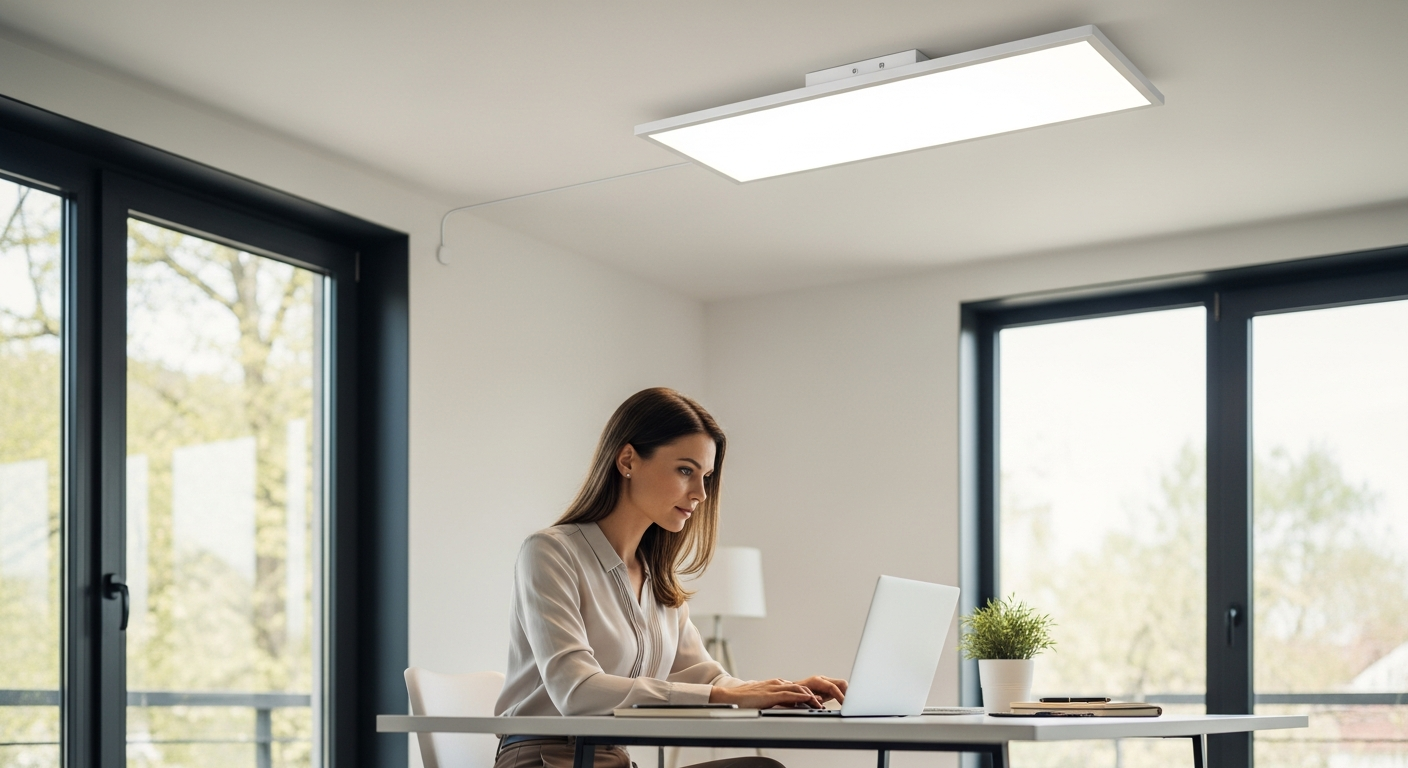
Working near a window, even on a cloudy day, can provide some benefit. The subtle variations in natural light throughout the day can also help maintain a healthy circadian rhythm, promoting better sleep at night.
Consider the impact on eye health as well. Natural light is less straining on the eyes compared to harsh artificial lighting, potentially reducing headaches and fatigue associated with prolonged screen time.
Therefore, prioritizing access to natural light, or mimicking it effectively, should be a key consideration when setting up your home office. Small changes can make a big difference in your daily work experience and overall health.
Full Spectrum Bulbs: Simulating Sunlight Indoors
Full spectrum bulbs are designed to mimic the entire range of wavelengths present in natural sunlight. Unlike traditional incandescent or fluorescent bulbs, full spectrum options emit a broader spectrum of light, including ultraviolet (UV) and infrared (IR) rays.
This broader spectrum is believed to provide several benefits, including improved color rendering, reduced eye strain, and enhanced mood. Using full spectrum lighting in your home office can help create a more natural and comfortable work environment.
One of the key advantages of full spectrum bulbs is their ability to accurately render colors. This is because they emit a wider range of wavelengths, allowing for a more balanced and true-to-life representation of objects.
This can be especially beneficial for tasks that require color accuracy, such as graphic design, photography, or any work involving detailed visual inspection. The improved color rendering can also make your workspace feel more inviting and less artificial.
When selecting full spectrum bulbs, pay attention to the Color Rendering Index (CRI). A CRI of 90 or higher indicates excellent color rendering ability, meaning the bulb will accurately display colors.
Consider the type of bulb as well. LED full spectrum bulbs are energy-efficient and long-lasting, making them a sustainable choice for your home office. They also produce less heat compared to incandescent bulbs, contributing to a more comfortable workspace.
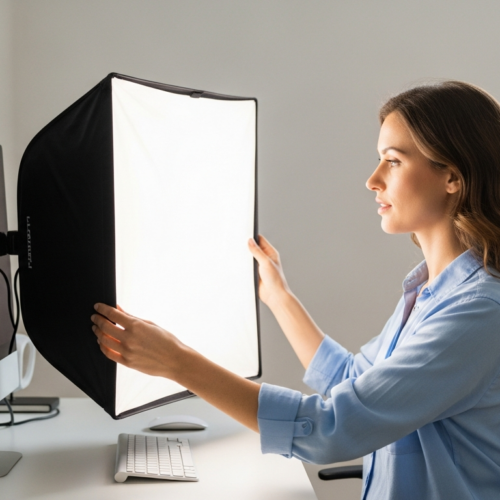
Proper placement of full spectrum bulbs is also crucial. Position the light source to minimize glare and shadows, ensuring even illumination across your workspace. Experiment with different angles and heights to find the optimal setup for your needs.
By carefully selecting and positioning full spectrum bulbs, you can effectively simulate natural sunlight in your home office, improving your mood, productivity, and overall well-being. They offer a practical and accessible way to bring the benefits of the sun indoors.
Light Therapy Lamps for Seasonal Affective Disorder
Light therapy lamps, often called SAD lamps, are specifically designed to combat Seasonal Affective Disorder (SAD), a type of depression linked to reduced exposure to sunlight during the fall and winter months. These lamps emit a bright, full spectrum light that mimics natural daylight, helping to regulate the body’s circadian rhythm and boost mood.
SAD lamps are typically used for a specific amount of time each day, usually in the morning, to help alleviate symptoms of SAD. The light emitted by these lamps stimulates the retina, which in turn signals the brain to reduce melatonin production and increase serotonin levels.
| Feature | Full Spectrum Bulbs | Light Therapy Lamps | LED Grow Lights |
|---|---|---|---|
| Light Spectrum | Broad, mimics sunlight | Bright, full spectrum | Specific wavelengths for plant growth |
| Intensity | Moderate | High (10,000 lux) | Variable, depending on plant needs |
| Primary Use | General lighting, color rendering | Treating SAD, boosting mood | Promoting plant growth |
| Typical Duration | All-day use | 15-30 minutes daily | Variable, depending on plant needs |
Using a SAD lamp in your home office can be an effective way to combat the winter blues and maintain productivity. Even if you don’t experience full-blown SAD, the bright light can help improve your focus and energy levels during the darker months.
When choosing a light therapy lamp, look for one that emits 10,000 lux (a measure of light intensity) and filters out harmful UV rays. The size and design of the lamp can also vary, so choose one that fits comfortably on your desk or workspace.
Consistency is key when using a light therapy lamp. Aim to use it at the same time each day, preferably in the morning, for about 20-30 minutes. Monitor your body’s response and adjust the duration or distance as needed.
It’s important to note that light therapy lamps are not a substitute for professional medical advice. If you suspect you have SAD or another form of depression, consult with a doctor or mental health professional for proper diagnosis and treatment.
However, a SAD lamp can be a valuable tool in your arsenal for combating the effects of reduced sunlight exposure and maintaining a positive mood throughout the year. It’s a simple yet effective way to boost your well-being.
Placement Tips for Maximizing Artificial Sunlight
The placement of your natural light alternatives is crucial for maximizing their effectiveness. Whether you’re using full spectrum bulbs or a light therapy lamp, strategic placement can significantly enhance the benefits.
For full spectrum bulbs, consider replacing the existing bulbs in your desk lamp or overhead lighting fixture. Position the light source so that it illuminates your workspace evenly, minimizing shadows and glare.
When using a light therapy lamp, place it about 16-24 inches away from your face and slightly to one side. Avoid looking directly at the light, as this can cause eye strain.
Instead, let the light indirectly illuminate your face while you work. Using a lamp for 20-30 minutes each morning can help regulate your circadian rhythm and improve your mood throughout the day.
Experiment with different angles and distances to find the optimal placement for your light therapy lamp. Some people find that placing it slightly above eye level is most effective.
For full spectrum bulbs, consider the overall layout of your home office. Position your desk and lighting fixtures to maximize the amount of light reaching your workspace. Avoid placing your desk in a dark corner or area with limited natural light.
Think about the color temperature of your light sources as well. Cooler, bluer light is generally more energizing and suitable for daytime use, while warmer, yellower light is more relaxing and better for evenings.
By carefully considering the placement of your natural light alternatives, you can create a home office that is both functional and conducive to your well-being. Optimize your lighting setup for maximum benefit.
Choosing the Right Bulb for Your Needs
Selecting the appropriate bulb for your natural light alternative depends on your specific needs and preferences. Full spectrum bulbs come in various types, including incandescent, fluorescent, and LED.
LED bulbs are generally the most energy-efficient and long-lasting option, making them a cost-effective choice for long-term use. When choosing a light therapy lamp, look for one that emits 10,000 lux, the recommended brightness for treating SAD.
Also, check for features like adjustable brightness and a timer to help you regulate your exposure. It’s important to select bulbs that are flicker-free to reduce eye strain and headaches.
Consider the color temperature of the bulb, measured in Kelvin (K). A color temperature between 5000K and 6500K is ideal for simulating daylight, providing a cool, energizing light that can enhance focus and productivity.
For full spectrum bulbs, consider the wattage and lumen output. Wattage indicates the amount of energy the bulb consumes, while lumen output measures the brightness of the light.
Choose a bulb with a wattage and lumen output that is appropriate for the size of your workspace and the type of task you’ll be performing. Avoid using bulbs that are too dim or too bright, as both can strain your eyes.
Read reviews and compare different brands before making a purchase. Look for bulbs that are certified by reputable organizations and have a good track record for quality and performance. Investing in high-quality bulbs can make a significant difference in the overall lighting of your home office.
Think about the lifespan of the bulb as well. LED bulbs typically last much longer than incandescent or fluorescent bulbs, saving you money on replacements in the long run. Choose bulbs that are durable and designed to withstand frequent use.
Integrating Natural Light Alternatives into Your Workspace
Incorporating natural light alternatives into your home office setup is a straightforward process that can yield significant benefits. Start by assessing your current lighting situation and identifying areas where natural light is lacking.
Consider replacing existing bulbs with full spectrum options to create a more balanced and natural-looking light. If you experience symptoms of SAD or simply want to boost your mood and energy levels, add a light therapy lamp to your workspace.
- Replace standard bulbs with full spectrum LEDs
- Position your desk near a window, if possible
- Use a light therapy lamp for 20-30 minutes daily
- Incorporate plants to improve air quality
- Adjust monitor brightness to reduce eye strain
Experiment with different placements and settings to find what works best for you. Remember, the goal is to create a comfortable and energizing workspace that supports your health and productivity.
Consider the overall aesthetic of your home office when integrating natural light alternatives. Choose lighting fixtures and bulbs that complement your existing décor and create a cohesive look.
Don’t be afraid to mix and match different types of lighting to create a layered effect. Combine full spectrum overhead lighting with task lighting and accent lighting to create a well-balanced and visually appealing workspace.
Think about the impact of lighting on your mood and productivity. Experiment with different lighting settings to find what helps you focus and feel energized throughout the day. Create a lighting plan that is tailored to your specific needs and preferences.
By carefully integrating natural light alternatives into your home office, you can create a workspace that is both functional and conducive to your well-being. Make lighting a priority in your home office design.
Additional Tips for Enhancing Your Home Office Lighting
Beyond full spectrum bulbs and light therapy lamps, there are several other strategies you can use to enhance your home office lighting. Maximize natural light by keeping windows clean and unobstructed.
Use light-colored paint on walls and ceilings to reflect light and brighten the space. Add mirrors to bounce light around the room and create the illusion of more space.
Consider using sheer curtains or blinds to filter harsh sunlight while still allowing natural light to enter. Avoid using dark or heavy window coverings that block out too much light.
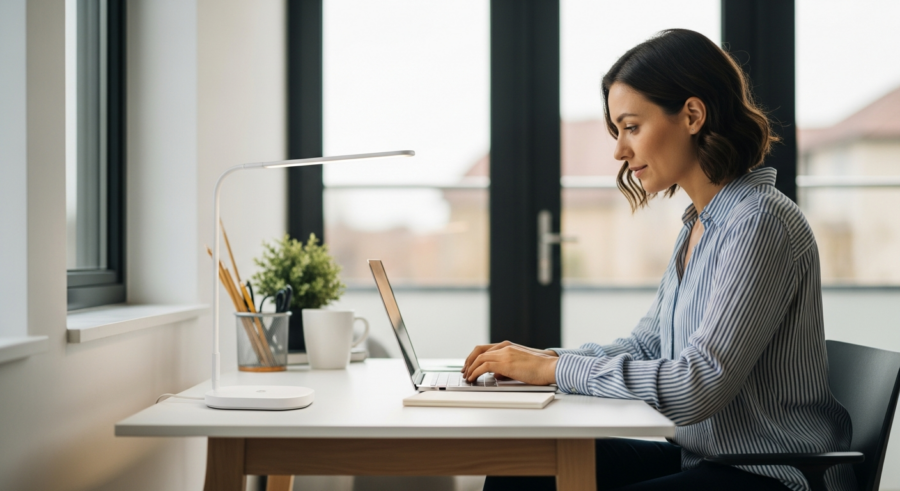
Incorporate task lighting to provide focused illumination for specific tasks, such as reading or writing. Adjustable desk lamps allow you to direct light where you need it most, reducing eye strain and improving visibility.
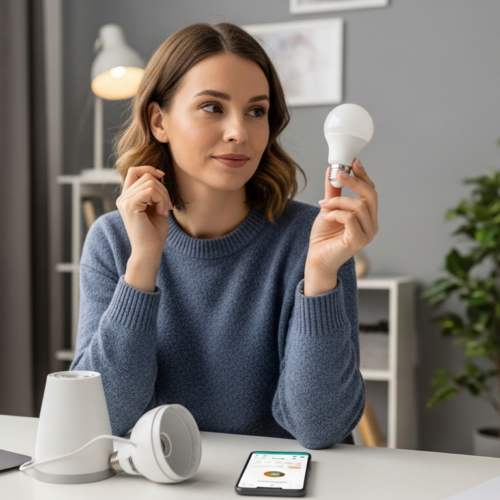
Use smart lighting systems to automate your lighting and adjust the brightness and color temperature throughout the day. Smart bulbs can be controlled with your smartphone or voice assistant, allowing you to create customized lighting scenes for different activities.
Consider using under-cabinet lighting to illuminate your work surface and reduce shadows. Under-cabinet lights are particularly useful for tasks that require precision and attention to detail.
Add plants to your home office to improve air quality and create a more relaxing and inviting atmosphere. Plants can also help to reduce glare and soften harsh light.
Regularly clean your lighting fixtures to ensure that they are providing optimal illumination. Dust and dirt can accumulate on bulbs and lampshades, reducing the amount of light that is emitted.
The Science Behind Light and Well-being
The impact of light on our well-being is rooted in complex biological processes. Light exposure influences the production of various hormones and neurotransmitters that regulate mood, sleep, and cognitive function.
When light enters the eye, it stimulates specialized cells in the retina that send signals to the brain’s suprachiasmatic nucleus (SCN), the master regulator of the circadian rhythm. The SCN then communicates with other brain regions to control the release of hormones like melatonin and cortisol.
Melatonin, often referred to as the “sleep hormone,” is produced in response to darkness and helps promote relaxation and sleep. Cortisol, on the other hand, is a stress hormone that helps us feel alert and energized during the day.
By optimizing light exposure, we can help regulate these hormonal processes and maintain a healthy circadian rhythm. This can lead to improved sleep quality, increased energy levels, and enhanced overall well-being, especially when using natural light alternatives.
Research has also shown that light exposure can affect the production of vitamin D in the skin. Vitamin D is essential for bone health, immune function, and mental well-being.
Light therapy has been shown to be effective in treating a variety of conditions, including SAD, depression, and sleep disorders. It is a safe and non-invasive way to improve mood and energy levels.
Understanding the science behind light and well-being can help you make informed decisions about your home office lighting. Optimize your lighting to support your health and productivity.
Addressing Common Concerns About Artificial Light
Some people have concerns about the potential negative effects of artificial light, such as eye strain, headaches, or sleep disturbances. While it’s true that poor lighting can cause these issues, using high-quality natural light alternatives and following proper placement guidelines can minimize these risks.
Choose bulbs that are flicker-free and emit a consistent, even light. Avoid using excessively bright or dim lights, as both can strain your eyes. Consider using blue light filters on your computer screen and other digital devices to reduce exposure to blue light, which can interfere with sleep.
Take regular breaks to rest your eyes and avoid prolonged exposure to artificial light. If you experience persistent headaches or eye strain, consult with an eye doctor to rule out any underlying vision problems.
Remember, the goal is to create a comfortable and healthy work environment that supports your well-being. By addressing these concerns and making informed choices, you can enjoy the benefits of natural light alternatives without compromising your health.
Ensure proper ventilation in your home office to prevent overheating from artificial light sources. Heat can contribute to discomfort and fatigue, so maintaining a comfortable temperature is crucial.
Be mindful of the potential impact of artificial light on your sleep patterns. Avoid using bright lights or screens in the hours leading up to bedtime to allow your body to prepare for sleep.
Consider the environmental impact of your lighting choices. Choose energy-efficient bulbs and recycle old bulbs properly to minimize your carbon footprint. Sustainable lighting practices can benefit both your health and the planet.
By addressing these common concerns and making informed decisions, you can create a home office lighting environment that is both safe and beneficial for your well-being. Prioritize your health and comfort when designing your workspace.
Conclusion
Creating a well-lit home office is essential for maintaining productivity, mood, and overall well-being. While natural light is ideal, it’s not always readily available, especially in small spaces or during certain times of the year.
Fortunately, natural light alternatives like full spectrum bulbs and light therapy lamps offer effective solutions for simulating sunlight indoors. By understanding the importance of light and implementing these strategies, you can transform your workspace into a bright, energizing, and healthy environment.