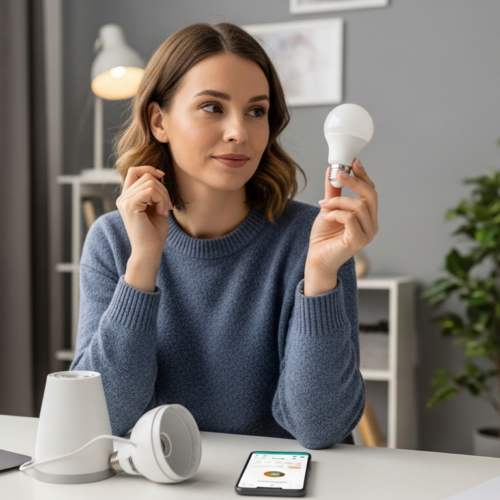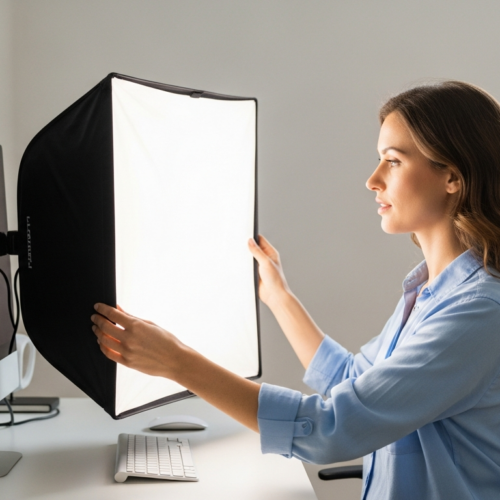

When your screens feel harsh in a dark room, and overhead fixtures glare, the result is a flat, uncomfortable space. Cecilia Ramos at Lutron warns that a single typology at one intensity makes a room feel “really flat.”
Soft background illumination means low-glare lighting behind a TV or along walls so your eyes rest instead of strain. Robert Hoshyla of Orsman Design urges you to assess natural light, layout, activities, décor, and priorities before picking fixtures.
The core method is layered lighting: combine sources at different heights and intensities so your eyes have gentle resting points around a display. This approach adds real depth and a calmer atmosphere, not just more brightness.
In this guide you’ll learn the three layers—ambient, task, accent—plus placement, glare control, and tuning with dimmers, beam angle, and color temperature. The goal is balance so your viewing feels calm and your room looks intentional.
Why Soft Background Light Helps Reduce Eye Fatigue and Makes a Room Feel Less “Flat”
If your screen is the brightest thing in the room, your eyes keep shifting between extremes and get tired fast.
Balanced illumination fills the surrounding field of view so your eyes don’t chase contrast. When the area behind and around a display is softly lit, your pupils stay steadier and fatigue drops.
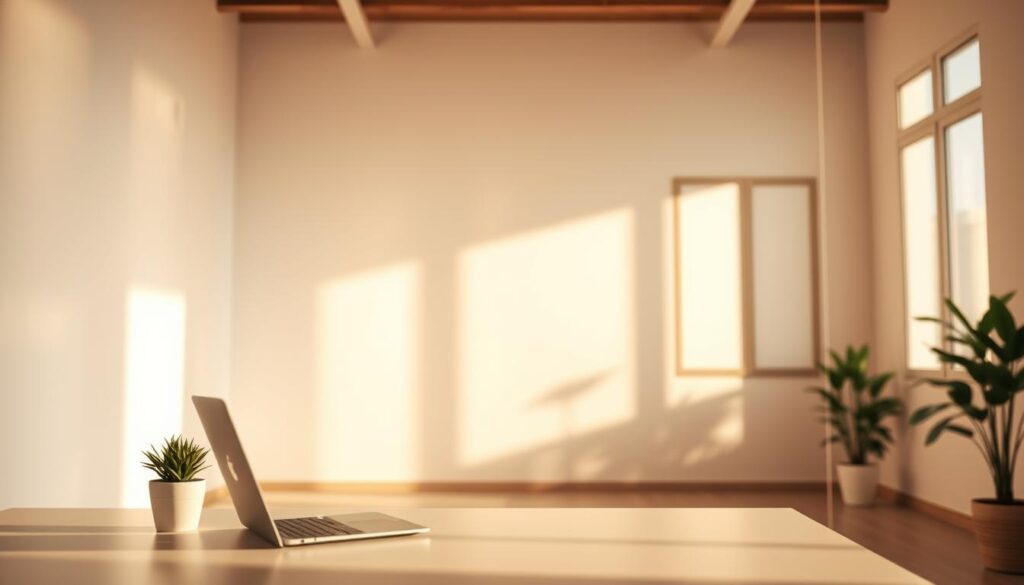
How balanced illumination improves visual comfort when you’re watching TV or using a monitor
Keep the area around your screen gently lit without putting direct glare on the display. That reduces reflections and lets you watch longer with less strain.
Depth and “eye landing points” through layered lighting, not harsh overhead glare
Cecilia Ramos warns that a single-intensity approach makes a room feel flat. Instead, add subtle accent features on walls, shelves, or artwork so your eyes have natural resting spots.
When natural light helps your atmosphere and when you need window treatments to diffuse it
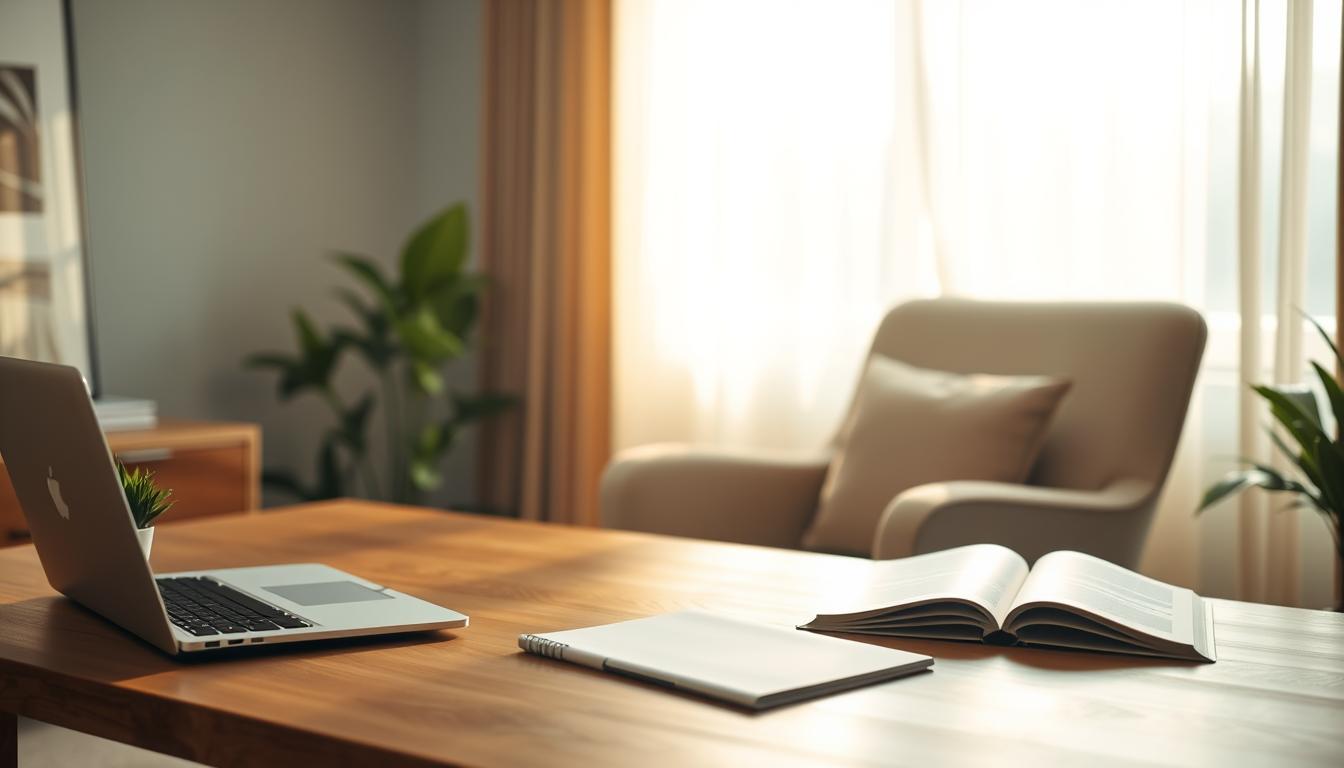
Daylight can lift mood and open small spaces. But direct sun can cause glare on screens.
- Lean into soft, indirect natural light for daytime viewing.
- Use drapery, shades, or blinds to diffuse strong sun during high-contrast hours.
- Combine dimmers and warm vs. cool temperature choices to match mood and activities.
Next: practical basics for ambient lighting, task fixtures, and accent placement to get comfort without overdoing it.
Ambient light layering basics: ambient lighting, task lighting, and accent lighting
Start by picturing how you use the space: where you read, cook, or work. From that map you build a simple, practical plan that mixes three useful types of lighting.
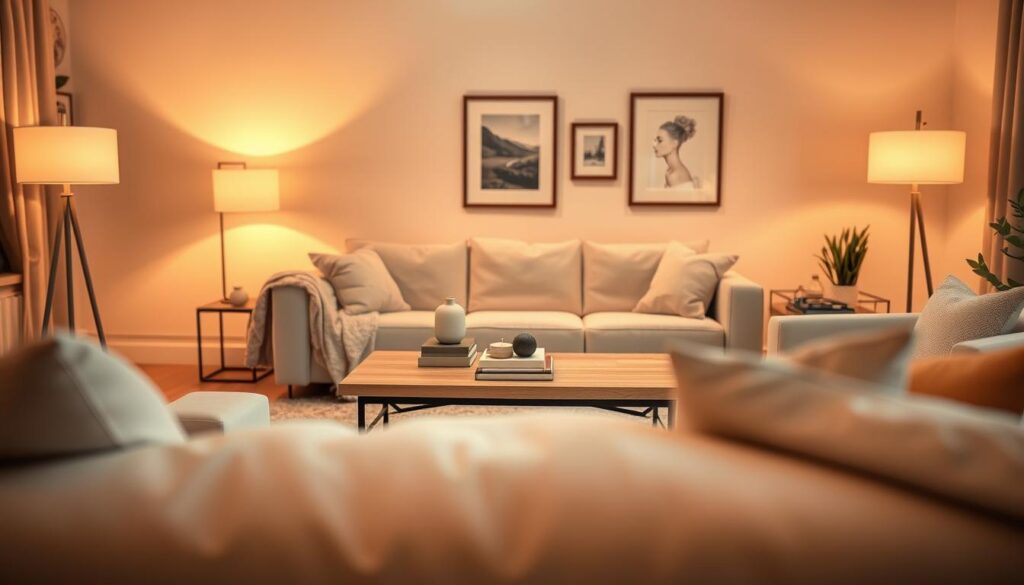
Ambient as the base layer for general illumination
Ambient lighting makes the whole room navigable. Use wide-beam recessed downlights, ceiling fixtures, floor lamps, or cove lighting as your primary sources. Indirect options feel softer because they bounce light off ceilings or walls.
Task lighting for specific activities
Task lighting targets what you do: reading on a sofa, desk work at a monitor, or kitchen prep at counters. Choose desk lamps, pendants, wall sconces, or under-cabinet strips. Make task fixtures brighter at the work surface and position them to avoid shadows from your hands or glare in your eyes.
Accent lighting to highlight art and architectural features
Accent lighting creates eye landing points. Use track heads, picture lights, or adjustable recessed fixtures to call out art, textured walls, or millwork. These narrower beams add depth and stop the room from feeling flat.
- Define each layer so you stop relying on a single overhead source.
- Mix fixture types to suit the activities and features in the space.
- Balance brightness so screens stay comfortable and the room feels intentional.
How to Add Soft Ambient Lighting Behind Screens and Along Walls Without Creating Glare
Soft, reflected illumination behind screens calms your eyes without stealing focus from the display.
Keep bright sources out of your direct sightline. Aim for bounced illumination from a wall or ceiling instead of a bare bulb facing the screen. That single rule cuts reflections and lowers strain.
Choose indirect fixture types
Use cove runs hidden in ledges, wall-washers, or wide-beam recessed downlights to create an even glow. These fixtures spread output so you get a soft blanket of coverage rather than hotspots.
Placement and bounce strategy
Place strips or uplights to wash the wall behind a TV or graze the ceiling edge. Positioning matters: aim away from the display so the screen sees only diffuse reflection.
- Tune intensity: add dimmers so the background supports, not competes with, your picture.
- Pick color: 2700–3000K for cozy evenings; ~4000K for daytime tasks.
- Create zones: use ceiling fixtures, eye-level lamps or wall sconces, and low-level glow to define areas in open-plan spaces.
Test in real conditions: run a show while you adjust dimmers and check for reflections, shadow edges, and evenness on the wall. Consider smart scenes so you can switch from “Work” to “Movie” with one tap.
Room-by-Room Setup Tips for Comfortable Illumination
Practical placement beats guesswork: plan each room by the activities you do there. That approach helps you pick the right fixtures and avoid glare or harsh contrast.
Living area
Support screens with soft ambient behind the TV, such as a wall wash or bounced glow. Add floor lamps near seating for reading so you avoid eye strain.
Use accent lighting to highlight art and create eye landing points. Keep shades at seated eye level and dim overheads to reduce reflections on the screen.
Kitchen planning
Combine recessed ambient lighting with pendant fixtures over an island. Fit under-cabinet task lighting to remove shadows on counters while you prep food.
Use cooler, brighter task settings for cooking, then warm and dim pendants for dining to keep the space welcoming.
Bedroom and reading nooks
Rely on bedside lamps and wall sconces to cut harsh ceiling glare. Position a table or floor lamp to the side of your dominant hand to avoid page shadows.
Choose a shade that hides the bulb so you don’t get direct glare while reading before bed.
Hallways and stairs
Install low-glare layers like toe-kick lighting or small guide lights for safe nighttime navigation. These fixtures preserve night vision and reduce the need to flip overheads.
- Quick checklist: map activities, pick one ambient base, add task where you work, then add one or two accent points to create depth.
- Use dimmers so each room adapts fast between modes.
Conclusion
Good lighting makes a room feel purposeful and easier on your eyes.
Layered lighting is the repeatable method to add soft background illumination that cuts eye fatigue and adds depth. Use ambient light for general visibility, task lighting for reading or work, and accent lighting to create eye landing points.
Prioritize anti‑glare choices: place sources indirectly, aim for bounced illumination, and add dimmers so your background supports screens instead of fighting them.
Quick tips: start with one ambient base, add one task light per activity zone, then add one accent element to a wall or shelf. Try scenes: bright cool for daytime work, warm dim for evening relax, and a balanced viewing scene with gentle wall glow behind screens.
Thoughtful lighting design also boosts safety on stairs and saves energy by using targeted lights. Pick one room, adjust the background first, then refine until it feels right for how you live.