
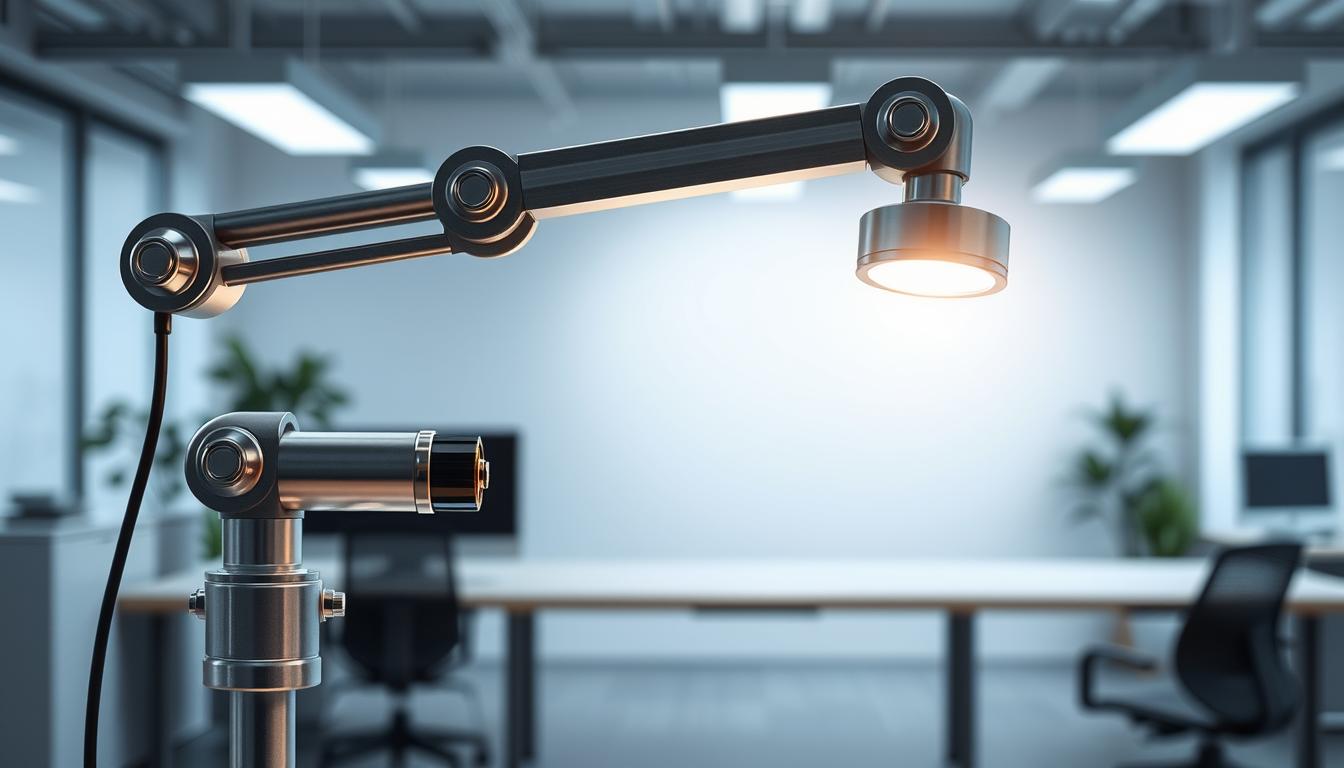
Swing arm fixtures let you aim focused illumination without cluttering surfaces. 2Modern notes that these flexible mounts are ideal when you want pinpoint task light for reading or work.
Think of Adjustable arm lighting as a tool: it gives you control over beam angle and glare. In this roundup you’ll find categories to shop, clear feature comparisons, and placement tips to use before you buy.
You’ll learn the main decision points—arm style, shade type, plug-in vs hardwired, and LED vs bulb. Expect modern, minimal, mixed-metal, and vintage-inspired options to suit your room’s design.
What matters most: aim the light exactly where you need it, reduce glare, and free up bedside or desk space. Real product picks, price bands, and value comparisons follow so you can choose with confidence.
Why swing arm wall lights are the go-to for targeted task lighting
When you need precise, task-ready illumination, a swing arm wall fixture is hard to beat. It gives you immediate control over beam direction so you can read, work on a laptop, journal, or craft without shifting the whole lamp.
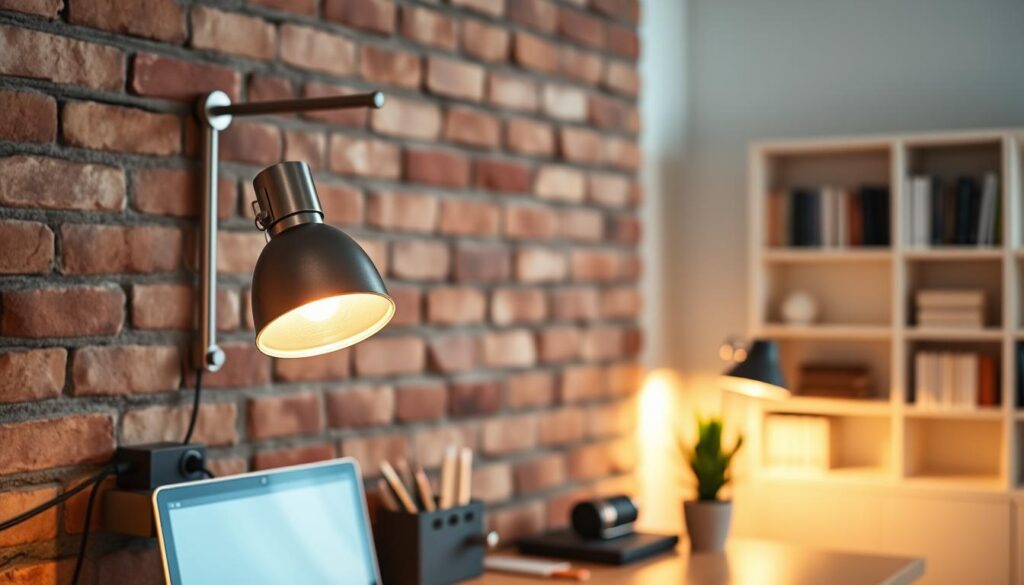
How adjustable arms deliver pinpointed illumination for reading and work
The swing arm format lets you reposition the light quickly. Move the head closer for detailed work or pull it back when you want softer light.
Why wall-mounted lighting frees up bedside tables and small spaces
Mounting to the wall clears your bedside surface for a phone, water, or books. In tight rooms you can skip a table entirely and keep clutter down.
Where a swing arm sconce fits beyond the bedroom
Use a swing arm sconce in a reading nook, study, or above a craft bench. Good results depend on placement: pick the right length, shade, and switch location so the beam lands where you need it.
- Pro tip: layer task and ambient light to avoid harsh contrasts.
Adjustable arm lighting: what to look for before you buy
A quick scan of arm types helps you match a fixture to the tasks you do most. Start by noting pivot, articulating, and swing-arm designs and how each changes reach and aiming precision.
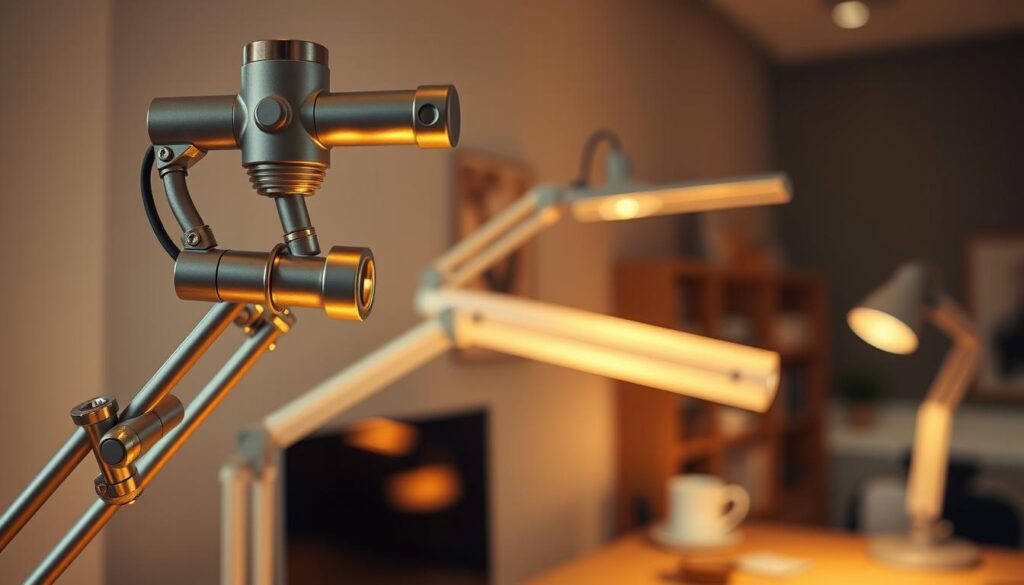
Movement and ease: pivot joints give simple tilt, articulating links add multi-point reach, and swing-arm setups offer long extension. Look for smooth joints, secure tension, and a head that can rotate independently for fine tuning.
- Shade choices: metal shades direct light for focused work, glass offers softer spread, and fabric gives warm diffusion for reading corners.
- Build quality: solid metal construction signals durability. Aluminum and mixed-metal finishes reduce weight while lasting longer.
- Control and convenience: check switch placement — backplate vs shade — and make sure it’s reachable from your bed or desk. Confirm left/right install options match your setup.
Before checkout, read specs for projection, extension, and shade opening. These small details tell you whether a sconce will perform the features you need in daily use.
Placement basics that make or break a swing arm wall sconce
Good placement turns a fixed wall sconce into a truly useful bedside or work light. Measure twice because the backplate sits in one spot and comfort depends on planning.
Bedside height and reach so you can adjust the arm comfortably
Mount the backplate so you can reach the arm wall fixture and its switch without stretching or leaving the bed. Aim for a height that clears pillows and a headboard by a few inches.
Reading angle and glare control for better light quality
Position the head so the beam falls on the page, not your eyes or your partner’s face. Shade shape and articulation affect glare; choose a shade that shields the bulb at common sitting angles.
Measuring for extension so the arm clears pillows, headboards, and shelves
Measure projection before you drill: check clearance for tall headboards, wall shelves, and artwork. Confirm the arm’s reach keeps the beam where you need it when fully extended.
Study and task zones: positioning for desks and work surfaces
For a desk, align the fixture with your work surface depth and avoid casting shadows from your dominant hand. Keep the head adjustable so one lamp handles multiple task needs.
- Pro tip: test the reach with tape marks on the wall before final installation.
- Plan wiring and switch location for everyday convenience.
- Think about room traffic so the sconce won’t get bumped or block sightlines.
Hardwired vs plug-in wall lights: choosing the right installation
Deciding between a plug-in or hardwired fixture affects installation time, cost, and where you can place a wall light.
Plug-in swing-in lamps are popular for quick upgrades and renter-friendly installs. Lights.com lists many wall lights available as plug-in (31), so you have plenty of choices without rewiring.
Plug-in swing arm lamps for renters and quick upgrades
Plug-in options need no electrician and let you test locations before committing.
They’re easy to relocate and work well when you want a fast style update or temporary bedside solution.
Hardwired wall sconces for a built-in look and cleaner cable management
Hardwired fixtures create the cleanest silhouette with fewer visible cables and a more permanent design feel.
Expect higher install cost and the need to match junction box placement to your planned layout.
- Consider your home rules, timeline, and whether you can alter electrical work.
- For plug-in picks, hide the cord with a paintable cover or route it behind furniture for a polished look.
- For hardwiring, budget for an electrician and confirm box location before you buy.
Simple rule: pick the install type that keeps the fixture reachable and aimable in your room so the light stays useful every day.
Best adjustable wall lights for bedside reading in the bedroom
For bedside reading, the right wall light balances focused reach with soft comfort. You want a fixture that centers its beam over your pillow and stays easy to aim.
What makes a great bedside reading light: reach, shade control, and comfort
Performance checklist: enough reach to land light on your page, smooth aiming, and a shade that controls spill and glare.
Comfort factors: look for smooth movement, stable joints, and a switch you can reach while seated or lying down. A single reachable switch makes nightly use simple.
When to pick a compact arm wall sconce for tight bedside spaces
Choose a compact design when your bed sits close to the wall, nightstands are narrow, or you must work around wall art. Smaller backplates and shorter extension keep the area from feeling crowded.
- Match projection to your bed depth so the light falls on your book—not behind your headboard or in your eyes.
- Prioritize a small backplate and shorter reach when space is limited.
- Later product comparisons will list dimensions, projection, shade opening, and whether a fixture uses bulbs or integrated LED.
Best plug-in swing arm sconces for flexible layouts
Plug-in sconces give you instant, flexible task light without rewiring. They work well when you rent, plan to rearrange your room, or lack a junction box in the ideal spot.
When a plug-in option beats hardwiring for your room setup
Plug-in availability matters if you want quick installs and easy relocations. Lights.com lists 31 plug-in options, so you can shop a range of styles and price points.
Check the product page for cord length, cord exit direction, and whether the cord routes neatly along the wall. These small details affect how intentional the fixture looks once mounted.
- Real prices: budget picks exist (Owen Adjustable Plug-In Wall Sconce on sale at $99.99), while designer names can reach $459 (Jerry Plug-in).
- Pay more for better joints, premium finish, and refined design if you need lasting value.
- Decide count by use: one per side for beds, or a single unit for a dedicated reading corner.
Best LED swing arm wall lights for efficient, modern illumination
If you want bright, reliable task light that stays cool, LED swing designs are a smart pick. They deliver steady output, low heat, and strong efficiency for daily reading or work.
Why choose LED for everyday use: LED sources produce consistent brightness with less energy. That means longer runtimes, lower bills, and a cooler fixture that won’t bother you during long sessions.
Integrated LED vs bulb-based sconces: what changes for maintenance and style
Integrated LED gives a sleeker look and often a thinner head. It usually appears in premium models and can limit simple bulb swaps.
Bulb-based sconces let you change color temperature and replace lamps yourself. They make long-term upkeep easier if you prefer choosing lamping.
- Upkeep: integrated units are treated as a system; bulb-based fixtures let you swap parts.
- Style: integrated LED leans modern; bulb fixtures suit vintage or decorative bulbs.
- Budget note: high-end examples like the Linden LED Articulating Wall Sconce list around $729, which frames premium pricing.
When LED wall lighting makes the most sense
Pick LED when you read nightly, run a home office, or need “always ready” illumination. Efficiency is useful, but aimability and glare control still determine comfort.
Pro tip: match color temperature and choose a shade that shields the bulb to reduce eye strain while keeping the beam focused where you work.
Best double swing arm wall sconces for maximum reach
Double swing arm wall sconces bring two heads of aimable light where a single fixture falls short. They pair two pivoting arms on one backplate so you can direct beams independently.
Who benefits most from two-head designs
You get the most value if you share a bed and each person wants separate control. Two heads also work well for large headboards, deep daybeds, or a dedicated reading nook.
What to consider: wall space, projection, and balance
Two-head fixtures need more wall real estate and projection clearance. Check how far each arm extends and whether they fold cleanly against the wall.
- Real examples: mid-range Jade Double Swing Arm Sconce ($389) and premium Kieran Double Swing Arm Sconce ($1,759).
- Measurement checklist: extension at full reach, height vs headboard, fold-back distance when stowed.
- Design tip: match finishes and shade shapes so the two lights read as one cohesive piece, not bulky decor.
Damp-rated adjustable wall sconces for bathrooms and humidity-prone areas
Not every wall sconce belongs in a bathroom—rating matters more than style here. A damp rating means a fixture tolerates moisture and high humidity but not direct water spray.
Understanding dry vs damp ratings
Dry-rated fixtures are for bedrooms and living rooms. They must stay away from steam and splashes.
Damp-rated wall lights handle steam from showers and sinks when placed correctly. Lights.com data shows 56 damp vs 8 dry options in adjustable wall categories, so you have plenty of style choices that meet code.
- Filter by rating on product pages to avoid mismatched buys.
- Check placement: keep fixtures out of direct spray zones unless they are wet-rated.
- Pair a proper rating with beam control to reduce glare from mirrors and tile.
- Confirm other features such as finish and switch location for safe, usable wall installation in your home.
Design-forward finishes that match your space and hardware
Pick a finish that complements your door levers, cabinet pulls, and faucets so your wall lights look intentional. Finish choices affect how a fixture reads in a room and how it weathers over time.
Matte black sconces for crisp contrast
Matte black creates sharp contrast and clean lines. It reads modern and anchors pale walls without glare.
Antique brass and aged brass for warmth
Antique brass and aged brass add warm, vintage-leaning character. These finishes pair beautifully with white, deep green, or navy for a cozy, layered style.
Brushed nickel vs polished nickel
Brushed nickel looks soft and understated; it hides fingerprints. Polished nickel is brighter and reflective for a cleaner, high-shine look.
Gold tones and mixed metals for statement pieces
Gold tones and mixed finishes can anchor a focal wall. Use them sparingly and match one other finish in the room to keep balance.
- Real availability: finishes like Matte Black, Antique Brass, Polished Nickel, and mixed looks appear across Lights.com listings, including the Faye Adjustable Wall Sconce (Polished Nickel).
- Durability tips: consider fingerprints, scratch visibility, and how each finish will age in daily use.
Shade, glare, and beam control for reading and task lighting
Shade choice is the single biggest factor that shapes where your light lands and how comfortable reading feels. The shade controls spill, limits glare, and keeps the beam on your page or work surface.
Direct vs diffused light: choosing a shade for comfort
Direct light creates a tight beam for focused reading and precise task work. It reduces shadows on small areas but can feel harsh if aimed at your eyes.
Diffused light softens edges and spreads illumination across a zone. Use it when you want a gentler ambience or shared bedside comfort.
Metal shades for directional control
Metal shades are the most common because they form a clean, controlled beam. They cut side glare and keep the light aimed where you need it.
Glass shades for softer spread
Glass shades scatter light and create softer edges. They work well when you want more ambient illumination and less contrast between bright and dark.
- Shopping cues: check the shade opening size and whether the bulb is exposed.
- Confirm tilt range so the head won’t shine into your eyes when you aim the beam.
- Remember: whether you choose an LED or bulb-based source, shade geometry chiefly determines beam control for any wall light.
Where adjustable arm lighting works best around your home
Place a swing-style wall fixture where you want focused function and a cleaner surface. These pieces often need only a wall to work, so you can position purpose-built illumination without stealing tabletop space.
Bedroom: bedside lighting that replaces table lamps
Bedside wall lights can replace clumsy table lamps and free up nightstand space. You get reach for late-night reading and a neater surface for a glass, phone, or book.
Reading nook: turn an unused corner into a spot you’ll use
A swing head converts a small corner into a dedicated reading place. No floor lamp footprint is needed, so a tight room gains purpose without clutter.
Home office: focused task light without desk clutter
Mount a head above your workspace for targeted task illumination. You’ll avoid shadows from monitors and keep your desk clear for work and papers.
Living room: accent and functional wall illumination in one fixture
Use a swing sconce to highlight art, shelves, or the sofa for reading. It doubles as accent and practical light so one fixture serves two needs.
- Quick map: match placement to reach and projection before you buy.
- Measure from seating height to ensure the beam lands where you want.
- Remember: the only real requirement is a wall—pick the best spot and test reach with tape marks.
Price expectations and value: what you get at different budgets
Start by setting a realistic budget—you’ll get different features at different price points. That clarity keeps you from overpaying for a look you don’t need and helps match function to style.
Entry-level options and common features to expect
Entry-level picks (think Nilo Pivot Wall Light 8″ at $79 or the Owen Plug-In on sale near $99) deliver basic reach and simple finishes.
Expect standard metal parts, straightforward switch placement, and functional shade shapes. These options give usable task lights without premium details.
Mid-range picks: better materials and more refined finishes
The $200–$400 band (Jade Swing Arm Sconce $239; Jade Double $389) upgrades joints, smoother movement, and richer finishes.
You’ll see sturdier metal components and better color consistency in brass and other tones. These hits balance performance and design.
Premium designs: statement sconces and elevated build quality
High-end models (Linden LED $729, Kieran Double $1,759) add complex joints, integrated LED engineering, and sculptural silhouettes.
Value checklist: prioritize reach and shade control first, then finish, then extras like dual heads or integrated LEDs so your final pick fits your budget and use.
Top features to compare on any product page before checkout
Before you hit checkout, confirm a small set of specs on the product page so the fixture performs in your room and installs where you want it.
Number of lights: single vs two heads
Decide whether you need one head or two. A single-light wall sconce keeps the footprint small and is simple to aim.
Two lights add flexibility and reach for shared beds or larger headboards, but they need more wall space.
Finish, color, and metal matching
Match the finish to existing hardware in the room. Consistent metal tones make the fixture read as intentional, not an afterthought.
Size and projection: height and extension considerations
Check height, backplate scale, and how far the head projects. Size and projection determine whether the beam lands on your page or falls short.
Plug-in availability, integrated LED, and rating
- Plug-in availability: pick this for easy installs and renter-friendly setups.
- Integrated LED vs bulb: choose integrated LED for slim heads or bulb fixtures if you want easy swaps.
- Rating: confirm dry vs damp depending on bathroom or bedroom use.
- Use the product page checklist to compare reach, plug-in availability, and rating.
- Match finish and material so the sconce fits your decor.
- Pick the number of lights that suits your daily habits and space.
Bottom line: the best lights on a product page are the ones that match your measurements, install type, and nightly routines.
How to narrow down the right swing arm wall lamp for your style
Start by deciding whether you want a sleek modern lamp or a characterful vintage piece—this single choice narrows every other decision.
Modern minimalism vs vintage-inspired accordion arms
Modern minimal options show clean lines, subtle joints, and thin heads that hide integrated sources. They suit a pared-back bedroom or a calm bedside vignette.
Vintage-inspired accordion styles celebrate visible mechanics and brass finishes. 2Modern notes contemporary swing arm lamps can be sleek, while vintage lovers still find accordion-extension pieces with plenty of character.
Matching design across bedroom, bedside, and whole-home
Make the fixture feel intentional by repeating one finish in a room and varying it lightly between rooms. Use similar shade shapes to keep forms aligned. Then reconnect style choices to real specs: reach, shade direction, and switch placement still matter.
- Tip: pick style first, then confirm function so the lamp is beautiful and useful.
- Compare modern minimal swings with vintage accordions by feel, not just looks.
- Simple framework: choose install type, choose reach, choose shade/beam control, then pick finish and style.
Conclusion
Finish your selection by matching function to form: pick the fixture that answers your daily reach and style needs. Check the key features so the lamp performs where you use it most.
Revisit projection and extension, shade type, switch access, and install method. These specs control glare, beam placement, and ease of use for reading or other task work.
Placement is the make-or-break step. Measure wall height and distance to the bed or desk so the wall sconce lands light where you want it and stays comfortable to maneuver.
Compare price tiers against real benefits: smoother joints, better metal finishes like brass, aluminum or nickel, double-head reach, and LED integration. Balance cost with the features you’ll actually notice every day.
Next step: shortlist a few options, double-check measurements and ratings, then buy. That simple routine helps your wall lights look intentional, work reliably, and fit your room and style.