

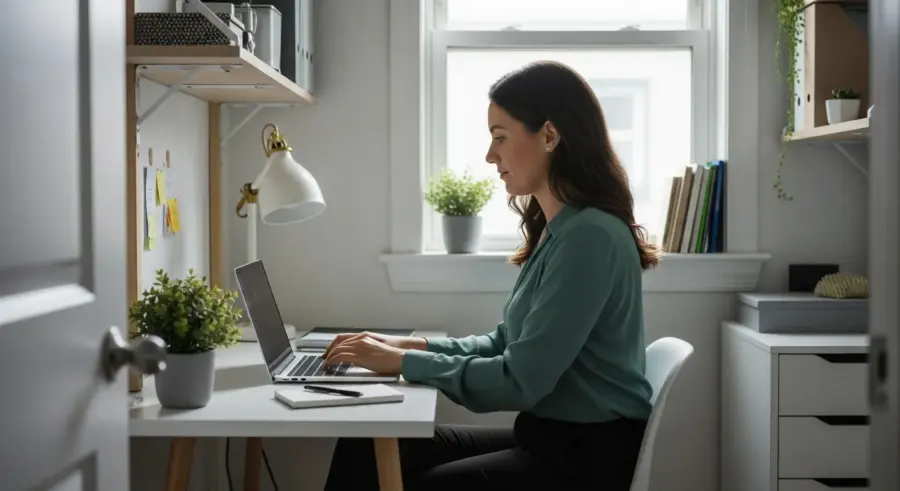
Creating a functional and stylish home office in a small space can be a challenge. However, with careful planning and clever design choices, you can maximize your limited area and create a workspace that is both productive and aesthetically pleasing.
This article will provide you with some creative and practical small office layout ideas to help you optimize your space. We’ll cover everything from corner desk setups to minimalist floating desk designs, ensuring you find the perfect solution for your needs.
Let’s explore how to transform that spare nook or unused corner into a highly functional and inspiring home office. Get ready to unlock the potential of your small space and create a workspace that supports your productivity and well-being.
Optimizing Your Layout: Making the Most of Limited Space
When dealing with a small home office, every inch counts. The key to success lies in optimizing your layout to maximize functionality without sacrificing comfort or style.
Start by assessing your needs and identifying the essential elements for your workspace. Consider the equipment you need, the amount of storage required, and the tasks you’ll be performing regularly.
Next, think vertically by utilizing wall space for storage and organization. Shelves, cabinets, and wall-mounted organizers can help keep your desk clear and your supplies within easy reach.
Also consider multi-functional furniture to make the most of the limited space. A storage ottoman can serve as a seat and a place to stash items, while a fold-down desk can be tucked away when not in use.
Careful consideration of your workflow is vital. Understand how you move and interact with your space to create a layout that supports, rather than hinders, your productivity.
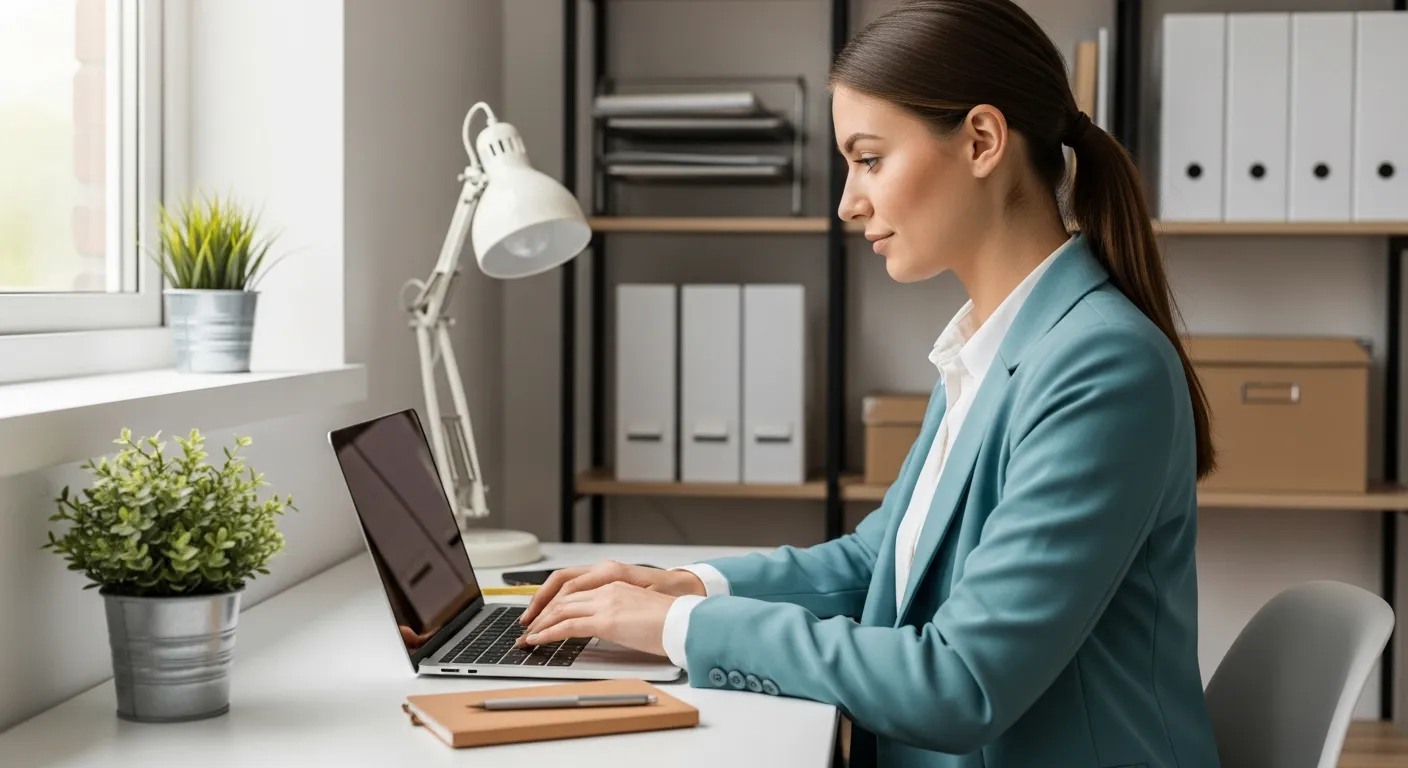
Don’t underestimate the power of decluttering before you even begin to set up your office. Getting rid of unnecessary items will immediately free up space and make the organization process much easier.
Consider the placement of your desk in relation to natural light sources. Positioning your desk near a window can improve your mood and reduce eye strain, but avoid direct sunlight that can cause glare on your screen.
Think about the flow of traffic in the room. Ensure that your office setup doesn’t obstruct pathways or create bottlenecks, especially if the space is also used for other purposes.
Corner Desk Layout: Utilizing Corners Effectively
Corner desks are an excellent solution for small home offices because they make use of often-underutilized corner spaces. This setup can provide a surprisingly spacious work surface while minimizing the footprint in the room.
When choosing a corner desk, consider the shape and size that best fits your needs and the available space. L-shaped desks offer ample room for multiple monitors or projects, while curved corner desks can create a more ergonomic and comfortable workspace.
Position your corner desk in a way that allows for easy access to other areas of the room. Make sure you have enough space to comfortably pull out your chair and move around without bumping into other furniture.
To further optimize your corner desk layout, add shelves or cabinets above the desk for storage. This will help keep your work surface clutter-free and your essential items within easy reach.
Think about the orientation of your corner desk in relation to the door. Ideally, you should be able to see the entrance to the room from your desk, which can create a sense of control and security.
Utilize the space beneath your corner desk for storage as well. Consider adding drawers, cabinets, or even just some simple storage bins to keep supplies organized and out of sight.
Consider a corner desk with a built-in keyboard tray to improve ergonomics. This can help you maintain proper posture and reduce strain on your wrists and arms.
Don’t forget to personalize your corner desk with accessories that inspire you. Adding plants, artwork, or other decorative items can make your workspace more enjoyable and motivating.
Wall Desk Layout: Freeing Up Floor Space
Wall desks, also known as mounted desks, are a fantastic option for small office layout ideas because they free up valuable floor space. By attaching the desk directly to the wall, you eliminate the need for legs or a bulky frame, creating a more open and airy feel.
Wall desks come in various styles and sizes, from simple shelves to more elaborate designs with built-in storage. Choose a wall desk that complements your decor and provides enough work surface for your needs.
| Wall Desk Type | Pros | Cons |
|---|---|---|
| Floating Shelf Desk | Minimalist design, affordable | Limited storage, weight capacity |
| Fold-Down Desk | Saves space when not in use, versatile | Requires sturdy wall mounting, can be less stable |
| Wall-Mounted Desk with Storage | Offers ample storage, organized | Can be bulky, requires more installation effort |
| Standing Wall Desk | Promotes better posture, energy boosting | May require adjustable height, can be tiring for long periods |
When installing a wall desk, ensure it is securely mounted to a wall stud or reinforced with appropriate hardware. This will prevent the desk from wobbling or collapsing under the weight of your equipment.
Consider adding a comfortable chair and adequate lighting to complete your wall desk setup. An adjustable chair will allow you to maintain good posture, while a desk lamp will provide ample illumination for your tasks.
A major advantage of wall desks is their flexibility in terms of height. You can mount the desk at the perfect height for your needs, whether you prefer to sit or stand while you work.
Think about the material of your wall desk and how it complements your existing decor. Wood, metal, and glass are all popular options, each with its own unique aesthetic.
Consider a fold-down wall desk if you need to maximize space in a multi-purpose room. This type of desk can be easily folded away when not in use, freeing up valuable floor space.
Don’t forget about cable management when setting up your wall desk. Use cable ties, sleeves, or organizers to keep your cords neat and tidy.
Floating Desk Layout: A Minimalist Approach
Floating desks take the concept of wall desks a step further by creating an even more minimalist and streamlined look. These desks appear to “float” on the wall, with no visible supports or legs.
This design not only saves space but also adds a touch of modern elegance to your small home office. Floating desks are perfect for those who prefer a clean and uncluttered aesthetic.
When choosing a floating desk, pay attention to the material and finish. Opt for a durable and easy-to-clean surface that complements your existing decor. Light colors can help make the space feel larger and more open.
To maintain the minimalist look, consider using cable management solutions to hide cords and wires. This will help keep your workspace tidy and prevent visual clutter. A floating desk can be paired with wall-mounted shelves for a great small office layout.
One of the key considerations with a floating desk is its weight capacity. Ensure that the desk is strong enough to support your computer, monitor, and other equipment.
Think about the depth of your floating desk. A deeper desk will provide more work surface, but it will also take up more visual space in the room.
Consider adding a small stool or ottoman that can be easily tucked away under the floating desk when not in use. This will provide a comfortable place to rest your feet.
Floating desks can be a great option for creating a standing desk. Simply mount the desk at a higher height to encourage better posture and reduce sitting time.
Incorporating Storage: Maximizing Functionality
Storage is essential in any small home office to keep clutter at bay and ensure a productive workspace. Without adequate storage, your desk can quickly become overwhelmed with papers, supplies, and other items, hindering your ability to focus and work efficiently.
When planning your small office layout ideas, prioritize storage solutions that maximize vertical space and utilize every nook and cranny. Wall-mounted shelves, cabinets, and drawers are excellent choices for keeping your essentials organized and within easy reach.
Consider using storage containers and organizers to further compartmentalize your supplies. Clear containers allow you to easily see what’s inside, while labeled containers help you quickly locate specific items.
Another great storage option is to use furniture with built-in storage, such as a desk with drawers or a storage ottoman. These pieces provide both functionality and storage, helping you make the most of your limited space.
Think about using a rolling cart for storage that can be easily moved around your office. This is a great option for storing items that you need to access frequently.
Consider using a pegboard to organize your tools and supplies. A pegboard can be mounted on the wall and customized with various hooks and shelves.
Don’t forget about the space under your desk. Use storage bins or drawers to keep items like extra paper, files, or even a small printer.
Regularly declutter your storage areas to get rid of items that you no longer need. This will help you keep your office organized and prevent clutter from accumulating.
Considering Ergonomics: Prioritizing Comfort
Ergonomics is a crucial aspect of any home office setup, especially in a small space where you may be spending long hours. Creating an ergonomic workspace can help prevent strain, fatigue, and other health issues, allowing you to work more comfortably and productively.
Start by choosing a comfortable and adjustable chair that provides adequate lumbar support. Adjust the chair height so that your feet are flat on the floor and your knees are bent at a 90-degree angle.
- Adjustable chair with lumbar support
- Monitor at eye level
- Keyboard and mouse within easy reach
- Proper lighting to reduce eye strain
- Regular breaks to stretch and move
Position your monitor at eye level to prevent neck strain. If you’re using a laptop, consider using a laptop stand and an external keyboard and mouse to maintain proper posture.
Make sure your keyboard and mouse are within easy reach to avoid overstretching or straining your wrists. Consider using a wrist rest to provide additional support and prevent carpal tunnel syndrome.
Take frequent breaks to stand up, stretch, and move around. This will help improve circulation and prevent stiffness.
Consider using a standing desk or a sit-stand converter to alternate between sitting and standing throughout the day. This can help reduce back pain and improve energy levels.
Make sure your lighting is adequate to reduce eye strain. Use a desk lamp to provide focused illumination for your tasks.
Pay attention to the temperature and humidity in your office. A comfortable environment can help you stay focused and productive.
Lighting and Ambiance: Creating an Inspiring Workspace
Lighting and ambiance play a significant role in creating an inspiring and productive workspace. Proper lighting can reduce eye strain, improve your mood, and enhance your focus, while a pleasant ambiance can make your small home office a more enjoyable place to be.
Maximize natural light by positioning your desk near a window, if possible. Natural light is not only beneficial for your health but also creates a more cheerful and inviting atmosphere.
Supplement natural light with artificial lighting to ensure adequate illumination throughout the day. Use a combination of overhead lighting, task lighting, and ambient lighting to create a well-lit and balanced workspace.
Personalize your small home office with decor that inspires you and reflects your personality. Add plants, artwork, or other items that make you feel happy and motivated.
Consider using a color scheme that promotes focus and productivity. Blue and green are often recommended for their calming and concentration-enhancing effects.
Add a comfortable rug to your office to create a more inviting and cozy atmosphere. A rug can also help absorb sound and reduce echo in a small space.
Use aromatherapy to create a pleasant and stimulating scent in your office. Essential oils like lavender, peppermint, and lemon can help improve mood and focus.
Play soft music or nature sounds to create a relaxing and productive work environment. Avoid music with lyrics that can be distracting.
Cable Management: Taming the Tech Mess
In today’s digital age, cable management is a must in any home office setup. A tangled mess of cords and wires can not only look unsightly but also create a tripping hazard and make it difficult to access your devices.
Invest in cable management solutions to keep your cords organized and out of sight. Cable ties, sleeves, and organizers can help bundle and route your cables neatly, while cable boxes can hide power strips and excess cord length.
Consider using wireless peripherals, such as a wireless keyboard and mouse, to reduce the number of cables on your desk. Wireless charging pads can also help eliminate the need for charging cables for your mobile devices.
Label your cables to easily identify which cord belongs to which device. This will save you time and frustration when you need to unplug or rearrange your equipment.
Use cable clips to attach cables to the underside of your desk or to the wall. This will help keep them out of sight and prevent them from dangling.
Consider using a power strip with surge protection to protect your electronic devices from power surges. This is especially important if you live in an area with frequent thunderstorms.
Use a cable sleeve to bundle multiple cables together into a single, organized unit. This will help reduce clutter and make your desk look neater.
Regularly check your cables for damage and replace any that are frayed or worn. This will help prevent electrical hazards and ensure that your devices are functioning properly.
Personalization: Making the Space Your Own
Personalizing your small home office is essential for creating a space that inspires creativity and productivity. While functionality is important, adding personal touches can make your workspace feel more welcoming and enjoyable.
Start by choosing a color scheme that you find appealing and that complements the overall decor of your home. Colors can have a significant impact on your mood and energy levels, so choose hues that promote focus and relaxation.
Add artwork, photographs, or other decorative items that reflect your personality and interests. These personal touches can make your workspace feel more like your own and less like a generic office.
Incorporate plants into your small home office to add a touch of nature and improve air quality. Plants can also help reduce stress and create a more calming atmosphere. A floating desk can be a great place to display personal items.
Display items that inspire you, such as books, quotes, or souvenirs from your travels. These reminders can help you stay motivated and focused on your goals.
Create a vision board to visualize your goals and aspirations. This can be a powerful tool for staying motivated and focused on your work.
Add a comfortable throw blanket to your chair or sofa to create a cozy and inviting space. This can be especially helpful during the colder months.
Use personalized stationery and office supplies to add a touch of personality to your workspace. This can include things like custom notepads, pens, and desk organizers.
Conclusion
Creating a functional and stylish small home office is achievable with careful planning and creative design choices. By optimizing your layout, incorporating smart storage solutions, and prioritizing ergonomics, you can transform even the tiniest space into a productive and inspiring workspace.
Whether you opt for a corner desk, a wall desk, or a minimalist floating desk, remember to personalize the space to reflect your unique style and needs. With these small office layout ideas, you’ll be well on your way to creating a home office that supports your success and well-being.


