

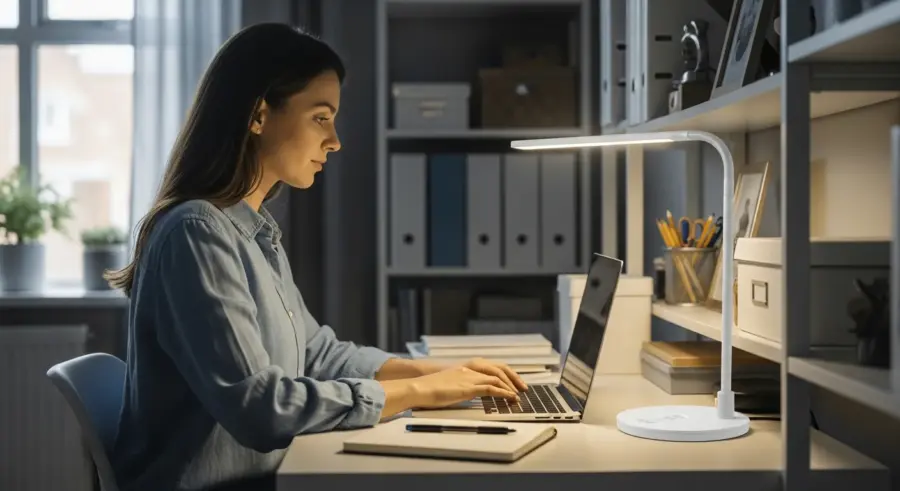
Creating a productive and inviting home office in a small space can be a challenge. One of the most important aspects to consider is lighting, which can significantly impact your mood, focus, and overall well-being.
Finding the right small space desk lighting solutions is essential for maximizing your productivity and creating a comfortable workspace. This article will explore various lighting options and strategies to help you brighten up your small home office desk.
From task lighting to ambient lighting and natural light optimization, we’ll cover everything you need to know to create a well-lit and functional workspace. Let’s get started with some bright ideas for your small home office.
The Impact of Lighting on Productivity and Focus
Proper lighting is more than just a matter of aesthetics; it directly affects your ability to concentrate and work efficiently. Poor lighting can lead to eye strain, headaches, and fatigue, all of which can significantly reduce productivity.
Conversely, good lighting can improve your mood, boost energy levels, and enhance focus. A well-lit workspace helps you see clearly, reducing the need to strain your eyes and allowing you to work for longer periods without discomfort.
The right kind of lighting can also help regulate your circadian rhythm, which is essential for maintaining a healthy sleep-wake cycle. Exposure to bright light during the day can help you feel more alert and focused, while dimming the lights in the evening can prepare your body for sleep.
Therefore, investing in appropriate small space desk lighting is an investment in your productivity and overall well-being. By carefully considering the type, intensity, and color temperature of your lighting, you can create a workspace that supports your work habits and promotes a positive and productive environment.
Studies have shown a direct correlation between lighting and cognitive performance. Insufficient or inappropriate lighting can hinder cognitive functions such as memory, attention, and decision-making.
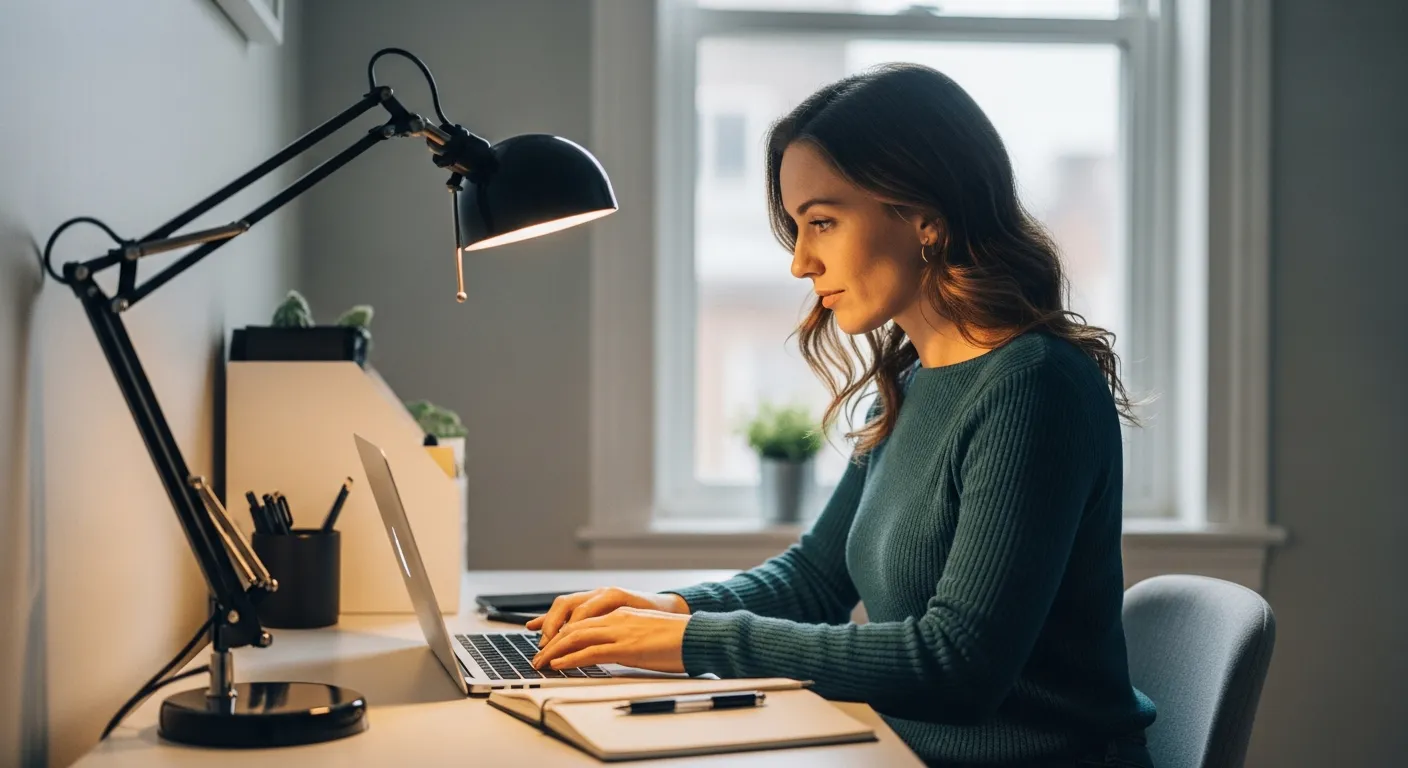
Furthermore, the type of lighting can influence your emotional state. Harsh, fluorescent lighting, for example, has been linked to increased stress and anxiety.
On the other hand, warm, natural lighting can promote relaxation and a sense of well-being. This is why it’s crucial to choose lighting that not only illuminates your workspace but also supports your mental and emotional health.
Consider the specific tasks you perform in your home office and select lighting that is tailored to those activities. If you spend a lot of time reading or writing, opt for task lighting that provides focused illumination without glare.
If you frequently participate in video conferences, ensure that your lighting is flattering and doesn’t cast unflattering shadows on your face. The goal is to create a lighting environment that enhances your performance and makes you feel comfortable and energized.
Task Lighting: Focusing on Specific Areas
Task lighting is designed to provide direct illumination to specific areas of your desk where you perform detailed work. This type of lighting is crucial for tasks that require precision and focus, such as reading, writing, or working on intricate projects.
By focusing light on the areas where you need it most, task lighting reduces eye strain and improves visibility. It helps you see details more clearly and prevents shadows from obscuring your work.
When choosing task lighting for a small space desk, consider options that are adjustable and space-saving. Desk lamps with flexible arms or clip-on lights can be easily positioned to provide the perfect angle and intensity of light.
Additionally, look for task lighting with dimming capabilities, allowing you to customize the brightness to suit your needs and preferences. Proper task lighting is essential for maintaining focus and reducing eye fatigue, making it a key component of any small home office setup.
The placement of your task lighting is just as important as the type of light you choose. Position your task light so that it illuminates your work area from the side, rather than directly in front of you.
This helps to prevent glare on your computer screen and reduces eye strain. If you are right-handed, position the light on your left side, and vice versa for left-handed individuals.
This will ensure that the light doesn’t cast shadows from your hand onto your work. Consider the height of your task light as well.
The light source should be positioned at a height that provides adequate illumination without shining directly into your eyes. Experiment with different positions and angles to find the optimal setup for your specific needs.
Don’t underestimate the importance of a good quality task light. Investing in a well-designed and functional task light can significantly improve your productivity and comfort.
Desk Lamps: Versatile and Adjustable
Desk lamps are a classic and versatile lighting solution for small home offices. They come in a variety of styles, sizes, and functionalities, making it easy to find one that fits your specific needs and aesthetic preferences.
One of the main advantages of desk lamps is their adjustability. Many desk lamps feature flexible arms or gooseneck designs, allowing you to direct the light exactly where you need it.
| Type of Desk Lamp | Pros | Cons |
|---|---|---|
| Traditional Desk Lamp | Classic look, wide availability, various styles | Can take up desk space, may not be as adjustable |
| LED Desk Lamp | Energy-efficient, long-lasting, cool to the touch | Can be more expensive upfront, some models lack style |
| Architect Lamp | Highly adjustable, good for detailed work, stylish | Can be bulky, may require more desk space |
| Clip-On Lamp | Space-saving, easy to move, versatile | May not be as stable, limited style options |
| Touch Control Lamp | Easy to use, modern design, often dimmable | Can be sensitive to touch, may not last as long |
This is particularly useful for tasks that require focused attention, such as reading or working on detailed projects. Some desk lamps also come with dimming features, allowing you to adjust the brightness to your liking.
When selecting a desk lamp for a small space, consider the size of your desk and the amount of space you have available. Opt for a compact desk lamp that doesn’t take up too much valuable workspace.
Clip-on desk lamps are a great option for small spaces, as they can be easily attached to the edge of your desk or a nearby shelf. These lamps provide focused light without taking up any desk surface.
Another space-saving option is a desk lamp with a built-in organizer. These lamps often feature compartments or trays for storing pens, pencils, and other small office supplies.
This helps to keep your desk clutter-free and maximizes your workspace. Consider the style of your desk lamp as well.
Choose a desk lamp that complements the overall aesthetic of your home office. A stylish desk lamp can add a touch of personality to your workspace and make it a more enjoyable place to be.
LED Strip Lights: Adding Ambiance and Functionality
LED strip lights are an increasingly popular option for adding both ambiance and functionality to small home offices. These flexible lights can be easily attached to various surfaces, providing a subtle yet effective source of illumination.
One of the main benefits of LED strip lights is their versatility. They can be used to highlight architectural features, illuminate shelves, or even provide under-cabinet lighting for your desk.
When using LED strip lights in a small space, consider placing them strategically to maximize their impact. For example, you can install them along the underside of your desk to create a soft, indirect glow that reduces eye strain.
You can also use them to backlight your monitor, which can help reduce glare and improve contrast. LED strip lights are energy-efficient, long-lasting, and available in a variety of colors, making them a great addition to any small home office.
When installing LED strip lights, be sure to choose a location that is out of direct sight. The goal is to create a soft, diffused glow, rather than a harsh, direct light source.
Consider using LED strip lights to highlight artwork or decorative items in your office. This can add visual interest to your space and create a more inviting atmosphere.
You can also use LED strip lights to illuminate shelves or cabinets, making it easier to find what you need. When choosing LED strip lights, pay attention to the color temperature.
Opt for warm white LED strip lights for a cozy and relaxing ambiance, or cool white LED strip lights for a more energizing and focused atmosphere. Some LED strip lights also come with dimming capabilities, allowing you to adjust the brightness to your liking.
This is a great way to customize the lighting in your office to suit your specific needs and preferences. LED strip lights are also relatively easy to install.
Natural Light: Maximizing Daylight in Your Workspace
Natural light is arguably the best source of illumination for any workspace. It not only provides excellent visibility but also offers numerous health benefits, including improved mood, increased energy levels, and better sleep.
When setting up your small home office, try to position your desk near a window to take advantage of natural daylight. If possible, orient your desk so that the light comes from the side rather than directly in front of you, as this can cause glare on your monitor.
- Position your desk near a window
- Use light-colored window treatments
- Keep windows clean
- Add mirrors to reflect light
- Trim outdoor foliage
If you don’t have access to a window, consider using light-colored paint on your walls to reflect as much light as possible. You can also add mirrors to your workspace to bounce light around the room, making it feel brighter and more open.
Even on cloudy days, natural light is still beneficial. It provides a more balanced and natural spectrum of light compared to artificial sources.
If you have a window but it faces a direction that doesn’t provide much direct sunlight, consider using sheer curtains or blinds to diffuse the light and prevent glare. You can also use plants to filter the light and create a more natural and relaxing atmosphere.
Regularly clean your windows to maximize the amount of natural light that enters your office. Dust and dirt can significantly reduce the amount of light that passes through the glass.
Consider using a light meter to measure the amount of natural light in your office. This can help you determine whether you need to supplement the natural light with artificial sources.
Take breaks throughout the day to step away from your desk and soak up some natural light. Even a few minutes of exposure to sunlight can help boost your mood and energy levels.
Choosing the Right Bulb: Color Temperature and Brightness
Selecting the right light bulb is crucial for creating a comfortable and productive workspace. The color temperature and brightness of your light bulb can significantly impact your mood and focus.
Color temperature is measured in Kelvin (K) and refers to the warmth or coolness of the light. Warmer light (2700-3000K) has a yellow hue and is best suited for relaxing environments, while cooler light (3500-5000K) has a blue hue and is ideal for tasks that require focus and alertness.
For a small home office, it’s generally recommended to use bulbs with a color temperature of 4000-4500K. This range provides a balance between warmth and coolness, creating a comfortable and energizing atmosphere.
Brightness, on the other hand, is measured in lumens. The higher the lumen output, the brighter the bulb. For task lighting, aim for a bulb with at least 400-800 lumens to ensure adequate illumination for detailed work.
Consider using different color temperatures for different areas of your office. For example, you might use warmer bulbs for ambient lighting and cooler bulbs for task lighting.
Experiment with different brightness levels to find what works best for you. Some people prefer brighter light, while others prefer dimmer light.
When choosing light bulbs, consider energy efficiency. LED bulbs are a great option, as they are energy-efficient and long-lasting.
They also produce less heat than traditional incandescent bulbs, which can help keep your office cool. Look for bulbs with a high CRI (Color Rendering Index).
A high CRI indicates that the bulb accurately renders colors. This is especially important if you work with colors or images.
Smart Lighting Solutions for Small Spaces
Smart lighting solutions offer a modern and convenient way to control the lighting in your small home office. These systems allow you to adjust the brightness, color temperature, and even the color of your lights using a smartphone app or voice commands.
One of the main advantages of smart lighting is its ability to be customized to your specific needs and preferences. You can create different lighting scenes for various tasks, such as working, reading, or relaxing.
For example, you might set up a “focus” scene with bright, cool-toned lights for when you need to concentrate, and a “relax” scene with dim, warm-toned lights for when you want to unwind. Smart lighting can also be integrated with other smart home devices, such as smart thermostats and smart blinds, to create a fully automated and energy-efficient workspace.
Additionally, some smart bulbs offer features like circadian rhythm adjustment, which automatically adjusts the color temperature of your lights throughout the day to mimic natural daylight patterns. This can help regulate your sleep-wake cycle and improve your overall well-being.
Smart lighting can also help you save energy. You can set your lights to automatically turn off when you leave your office.
You can also dim your lights to reduce energy consumption. Some smart lighting systems also offer energy monitoring features, allowing you to track your energy usage and identify areas where you can save even more.
Consider using smart lighting to create a more dynamic and engaging workspace. You can use color-changing bulbs to add a touch of personality to your office.
You can also use smart lighting to create mood lighting for different occasions. Smart lighting can be a bit more expensive upfront.
However, the long-term energy savings and convenience make it a worthwhile investment. Be sure to choose a smart lighting system that is compatible with your other smart home devices.
The Importance of Layered Lighting
Layered lighting is a lighting design strategy that involves combining multiple sources of light to create a balanced and functional workspace. This approach typically includes ambient lighting, task lighting, and accent lighting.
Ambient lighting provides overall illumination for the room, while task lighting focuses on specific work areas. Accent lighting is used to highlight architectural features or add visual interest.
By layering your lighting, you can create a more dynamic and comfortable environment that supports your work habits and promotes productivity. For example, you might use overhead lighting to provide general illumination, a desk lamp for task lighting, and LED strip lights to highlight shelves or artwork.
This combination of lighting sources ensures that you have adequate light for all your tasks while also creating a visually appealing and inviting space. Layered lighting is particularly important in small spaces, where it can help create the illusion of more space and depth.
Start with ambient lighting. This is the general lighting that illuminates the entire room.
Consider using a ceiling fixture or a floor lamp to provide ambient light. Next, add task lighting.
This is the focused lighting that you use for specific tasks, such as reading or writing. A desk lamp is a great option for task lighting.
Finally, add accent lighting. This is the decorative lighting that you use to highlight architectural features or artwork.
LED strip lights or spotlights are great options for accent lighting. Be sure to balance the different types of lighting.
Practical Tips for Setting Up Your Lighting
When setting up the lighting in your small home office, there are several practical tips to keep in mind. First, consider the size and layout of your space.
Smaller spaces may require fewer and more compact lighting solutions, while larger spaces may benefit from a more extensive lighting plan. Next, think about the types of tasks you’ll be performing in your office.
If you’ll be doing a lot of reading or writing, you’ll need adequate task lighting to prevent eye strain. If you’ll be spending a lot of time on video calls, consider investing in a ring light or softbox to improve your appearance on camera.
Finally, don’t be afraid to experiment with different lighting options and arrangements to find what works best for you. Consider factors like glare, shadows, and color temperature to create a comfortable and productive workspace that meets your specific needs.
Consider the placement of your outlets. Make sure you have enough outlets to accommodate all of your lighting fixtures.
If you don’t have enough outlets, consider using a power strip or extension cord. However, be sure not to overload your outlets.
Think about the height of your ceilings. If you have low ceilings, you may want to avoid using pendant lights or chandeliers.
Instead, opt for recessed lighting or flush-mount fixtures. If you have high ceilings, you can use pendant lights or chandeliers to add visual interest.
Consider the color of your walls. Light-colored walls will reflect more light than dark-colored walls.
Mistakes to Avoid When Lighting a Small Office
Lighting a small home office effectively requires careful consideration, and there are several common mistakes to avoid. One of the biggest errors is relying solely on overhead lighting.
Overhead lights can create harsh shadows and glare, leading to eye strain and fatigue. Another mistake is using bulbs that are too bright or too dim.
Bulbs that are too bright can cause discomfort and headaches, while bulbs that are too dim can make it difficult to see clearly. Additionally, avoid using bulbs with the wrong color temperature.
Warm-toned bulbs can make you feel sleepy and sluggish, while cool-toned bulbs can be too harsh and sterile. Finally, be sure to avoid placing your desk in a location where you’ll be facing a window directly, as this can cause glare on your monitor.
Don’t neglect natural light. Maximize the amount of natural light in your office by positioning your desk near a window.
Don’t use too many different types of lighting. Stick to a few key lighting sources to create a cohesive and balanced look.
Avoid using harsh, fluorescent lighting. Fluorescent lighting can be unflattering and can cause eye strain.
Don’t forget to clean your lighting fixtures regularly. Dust and dirt can reduce the amount of light that your fixtures produce.
Avoid using bulbs that are too old. Old bulbs can flicker and produce less light.
Conclusion
Creating the perfect lighting setup for your small home office desk is essential for productivity, focus, and overall well-being. By understanding the impact of lighting on your workspace and implementing the right solutions, you can transform your small office into a bright and inviting haven.
Remember to consider task lighting, ambient lighting, and natural light optimization to create a balanced and functional environment. With the right small space desk lighting, you can enhance your work experience and make the most of your limited space.
Ultimately, the best lighting setup for your small home office is one that is tailored to your specific needs and preferences. Experiment with different options and arrangements to find what works best for you.
Don’t be afraid to ask for help from a lighting professional. A lighting professional can provide you with expert advice and guidance on how to create the perfect lighting setup for your space.
Investing in good lighting is an investment in your health and productivity. With the right lighting, you can create a workspace that is both functional and enjoyable.


