

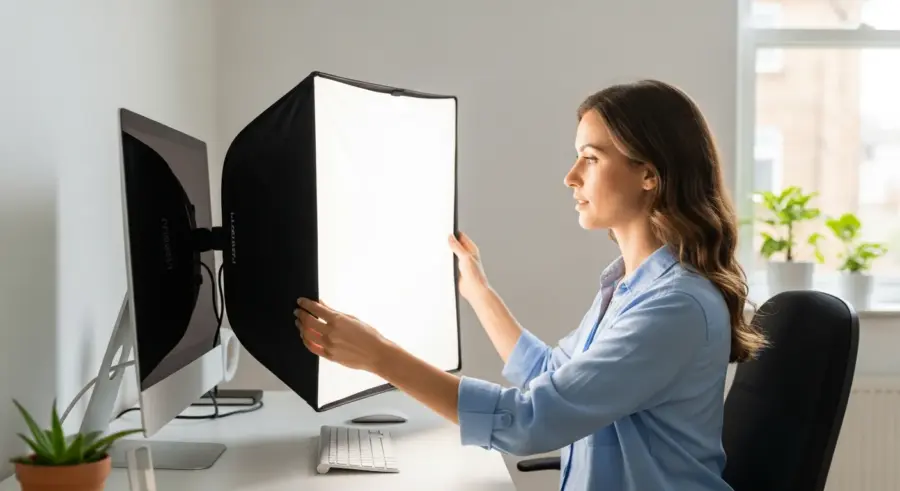
Creating a functional and comfortable home office in a small space can be a challenge. One often overlooked aspect is lighting, which significantly impacts productivity and well-being. Choosing the right light diffuser types is a simple yet effective solution to improve your office environment.
A well-lit workspace reduces eye strain and enhances focus. This article will guide you through the world of light diffusers, helping you select the perfect one for your small space home office.
We’ll cover various materials, shapes, and installation tips. You’ll also learn how to make your own DIY diffuser and understand its impact on light quality, ensuring a brighter and more comfortable workspace.
Understanding Light Diffusion and Its Benefits
Light diffusion is the process of scattering light to reduce glare and create a more even illumination. It involves breaking up harsh light rays into softer, more dispersed light.
This is achieved through materials or designs that redirect light in multiple directions. The result is a space that feels brighter and more comfortable, without the sharp contrasts and intense brightness that can cause discomfort.
One of the primary benefits of light diffusion is glare reduction. Glare can cause eye strain, headaches, and reduced visibility, making it difficult to concentrate on work.
By diffusing the light, you eliminate those harsh reflections and create a softer, more manageable light source. This is particularly useful in home offices where computer screens and other reflective surfaces are common.
Another significant advantage is improved light quality. Diffused light is more evenly distributed, eliminating dark spots and shadows that can make a room feel smaller and less inviting.
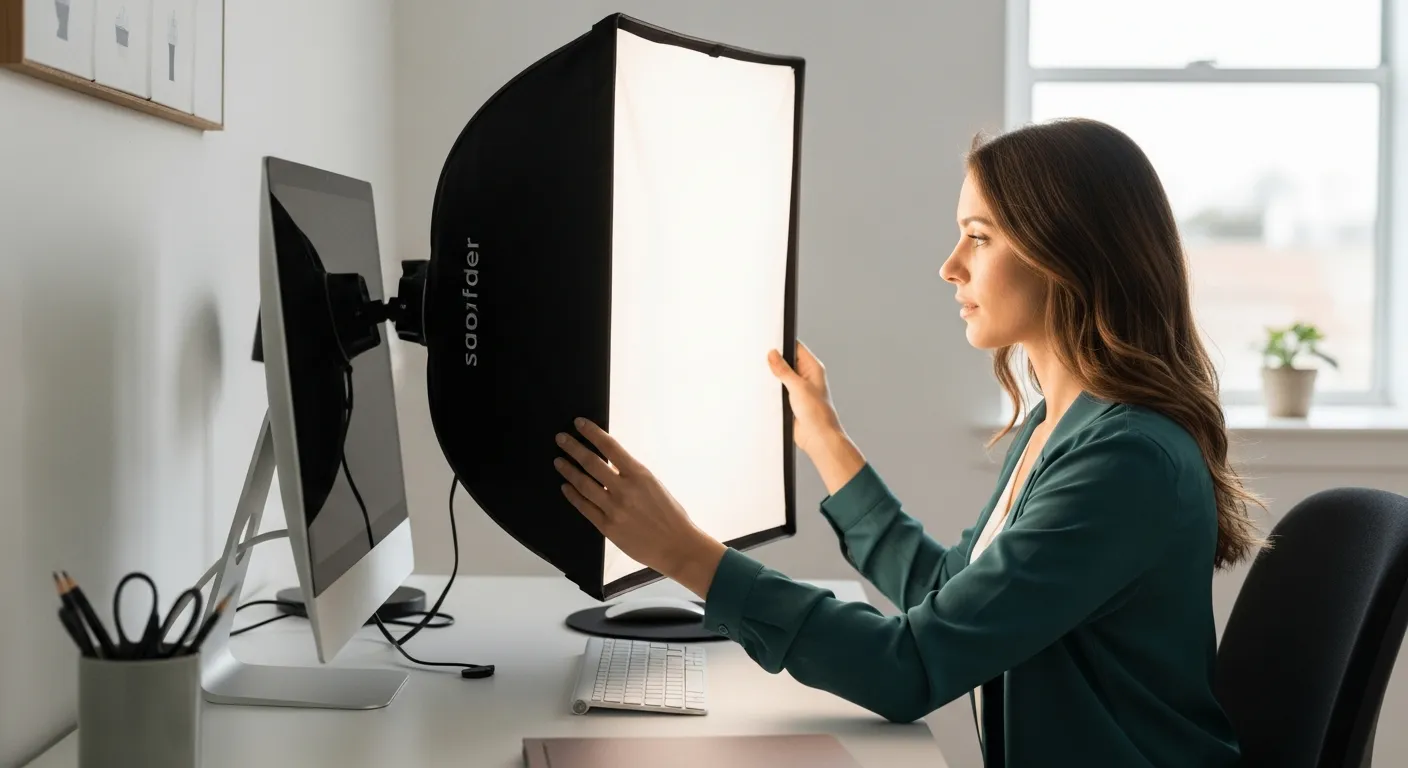
This evenness enhances the overall ambiance of the space, making it feel more open and welcoming. The improved light quality also makes tasks easier and more enjoyable.
Beyond glare reduction and improved light quality, diffusion also contributes to a more relaxed atmosphere. The absence of harsh light and shadows can significantly reduce stress and promote a sense of calm.
This is especially beneficial in a home office, where you want to create a space that is conducive to both productivity and well-being. A well-diffused light source can help you stay focused and energized throughout the day.
Light diffusion can also improve the accuracy of colors in your workspace. Harsh light can distort colors, making it difficult to accurately perceive shades and hues.
Diffused light, on the other hand, provides a more balanced and natural representation of colors. This is particularly important for tasks that require color accuracy, such as graphic design, photography, and video editing.
Furthermore, diffused light can enhance the aesthetic appeal of your home office. Soft, even lighting can make the space feel more polished and professional.
It can also highlight the textures and colors of your furniture and decor, creating a more visually appealing environment. A well-lit and aesthetically pleasing workspace can boost your mood and inspire creativity.
Finally, light diffusion can help reduce energy consumption. By distributing light more evenly, you may be able to use lower wattage bulbs while still achieving the desired level of illumination.
This can lead to significant savings on your energy bill over time. Diffused light is not only better for your eyes and your well-being, but also for your wallet.
Different Types of Light Diffusers: Materials and Shapes
Light diffusers come in various materials, each with its own unique properties and benefits. Common materials include fabric, paper, plastic, and glass, each affecting light in subtly different ways.
The choice of material can impact the level of diffusion, the color of the light, and the overall aesthetic of your office space. Understanding these differences is key to selecting the right diffuser for your needs.
Fabric diffusers are often used for their soft, warm light. They can be made from materials like cotton, linen, or silk, each offering a slightly different texture and level of light transmission.
Fabric is excellent for creating a cozy, inviting atmosphere, making it ideal for a home office where comfort is a priority. They can also add a touch of elegance and style to your decor.
Paper diffusers, such as those found in paper lanterns or lampshades, provide a gentle, diffused light. They are lightweight and often more affordable than other options, making them a popular choice for budget-conscious individuals.
Paper diffusers can create a soft, ambient light that is perfect for relaxation and reducing eye strain. However, they may not be as durable as other materials.
Plastic diffusers are a versatile and durable option. They come in various forms, including acrylic and polycarbonate, and can be molded into different shapes and sizes.
Plastic diffusers are often used in overhead lighting fixtures and desk lamps, providing a consistent and even distribution of light. They are also easy to clean and maintain.
Glass diffusers offer a more sophisticated and elegant look. They can be clear, frosted, or textured, each offering a different level of light diffusion.
Frosted glass diffusers provide a soft, diffused light that is ideal for creating a relaxing ambiance. Textured glass diffusers can add visual interest and depth to your lighting design.
In addition to materials, the shape of the diffuser also plays a significant role in how light is distributed. Round diffusers tend to provide a more even and omnidirectional light.
Square or rectangular diffusers, on the other hand, may provide a more directional light, which can be useful for task lighting. The shape should complement the fixture and the overall design of your office.
Another shape to consider is the cylindrical diffuser, which is often used in lampshades and pendant lights. These diffusers provide a balanced combination of ambient and directional light.
They are particularly effective for creating a warm and inviting atmosphere in a home office. Ultimately, the best material and shape will depend on your specific lighting needs and aesthetic preferences.
Choosing the Right Diffuser for Different Lighting Fixtures
Selecting the appropriate diffuser depends largely on the type of lighting fixture you have in your home office. Different fixtures, such as overhead lights, desk lamps, and floor lamps, require different types of diffusers to achieve optimal results.
Understanding the specific needs of each fixture will help you choose a diffuser that maximizes light quality and minimizes glare. The fixture’s design and placement also play a role in determining the best diffuser type.
| Fixture Type | Recommended Diffuser | Benefits |
|---|---|---|
| Overhead Lights | Panel Diffusers, Diffuser Films | Even light distribution, glare reduction |
| Desk Lamps | Lampshades, Clip-on Diffusers | Directional light control, softened light |
| Floor Lamps | Fabric Shades, Torchiere Diffusers | Ambient lighting, reduced shadows |
| LED Strips | Diffuser Channels, Covers | Uniform light, protects LEDs |
For overhead lights, panel diffusers are a popular option. These are flat panels that replace the existing light cover, providing a more even distribution of light and reducing harsh shadows.
Diffuser films are another choice for overhead lights, offering a thin, transparent layer that softens the light without significantly reducing brightness. These are especially useful for fluorescent lights, which can often produce a harsh glare.
Desk lamps benefit from diffusers that provide directional light control. Lampshades are a classic choice, offering a variety of materials and styles to complement your office decor.
Clip-on diffusers are another option for desk lamps, providing a quick and easy way to soften the light without replacing the entire lampshade. These are particularly useful for adjustable desk lamps, allowing you to customize the light direction.
Floor lamps often serve as ambient lighting, and diffusers can help create a warm and inviting atmosphere. Fabric shades are a popular choice for floor lamps, providing a soft, diffused light that fills the room.
Torchiere diffusers, which direct light upwards towards the ceiling, can also be effective for creating ambient lighting. These diffusers help to bounce light off the ceiling, reducing shadows and creating a more even illumination.
LED strips are becoming increasingly popular for home office lighting, and diffusers are essential for creating a uniform and pleasing light. Diffuser channels are designed to house LED strips, providing a clean and professional look.
These channels also help to protect the LEDs from dust and damage, extending their lifespan. Diffuser covers, which snap onto the channels, further soften the light and eliminate any harsh glare from the individual LEDs.
When choosing a diffuser, consider the color temperature of your light source. Cool white light is often preferred for task lighting, as it can help to increase alertness and focus.
Warm white light, on the other hand, is better suited for creating a relaxing and inviting atmosphere. Choose a diffuser that complements the color temperature of your light source to achieve the desired effect.
DIY Light Diffuser Options
If you’re looking for a cost-effective and creative solution, DIY light diffusers are a fantastic option. There are numerous ways to create your own diffusers using simple, readily available materials.
These DIY projects can be tailored to your specific needs and preferences, allowing you to customize the light quality and aesthetic of your home office. Plus, it’s a fun and rewarding way to improve your workspace.
One popular DIY method involves using parchment paper or tracing paper to diffuse light. Simply attach a sheet of parchment paper to your lampshade or window using tape or clips.
This creates a soft, diffused light that reduces glare and adds a warm ambiance to the room. It’s an easy and inexpensive way to improve your lighting.
Another option is to use fabric scraps to create a custom lampshade or diffuser. Choose a lightweight, translucent fabric like cotton or linen, and drape it over your existing lampshade.
Secure the fabric with clips or adhesive, and trim any excess material. This allows you to add a personal touch to your office decor while also diffusing the light.
You can also create a DIY diffuser for LED strip lights using plastic bottles. Cut the bottom off a clear plastic bottle and sand the surface to create a frosted effect.
Then, slide the bottle over the LED strip to diffuse the light. This is a great way to recycle plastic and create a functional diffuser at the same time.
For a more decorative option, consider using doilies or lace to create a unique diffuser. Simply attach the doily or lace to your lampshade or window using fabric glue or clips.
This will create a beautiful pattern of light and shadows, adding a touch of elegance to your home office. Experiment with different patterns and textures to find the perfect look.
Another DIY idea is to create a diffuser using a frosted spray paint. Apply a thin layer of frosted spray paint to a glass lampshade or window to create a subtle diffusion effect.
Be sure to apply the paint evenly and allow it to dry completely before using the light. This is a simple and effective way to soften the light without significantly reducing brightness.
Remember to always prioritize safety when creating DIY light diffusers. Avoid using flammable materials or placing diffusers too close to heat sources.
Always turn off the power before working with any electrical components. With a little creativity and effort, you can create beautiful and functional DIY light diffusers that enhance your home office.
The Impact of Diffusers on Soft Light Quality
Light diffusers significantly enhance the quality of light in a space by reducing glare and creating a more even distribution. Soft light is gentler on the eyes, reducing strain and fatigue during long work sessions.
This improvement in light quality can lead to increased productivity and a more comfortable work environment. The right diffuser can transform a harsh, uninviting space into a welcoming and functional home office.
- Reduces eye strain
- Enhances focus and concentration
- Creates a more inviting atmosphere
- Minimizes harsh shadows
- Improves overall visual comfort
One of the key benefits of using diffusers is the creation of a more consistent light level. This eliminates the harsh contrasts between bright and dark areas, making it easier to see and work comfortably.
Consistent lighting is especially important for tasks that require attention to detail, such as graphic design, writing, and data analysis. Diffusers help ensure that your workspace is evenly illuminated, reducing the need to squint or strain your eyes.
Soft light also contributes to a more relaxed and calming atmosphere. Harsh light can create a sense of tension and anxiety, making it difficult to focus and concentrate.
Diffused light, on the other hand, promotes a sense of calm and well-being, which can be particularly beneficial in a home office. A relaxed and comfortable workspace can help you stay productive and creative throughout the day.
Another advantage of soft light is that it can improve the appearance of your skin. Harsh light can accentuate imperfections and create unflattering shadows.
Diffused light, on the other hand, softens the appearance of your skin and creates a more flattering glow. This is especially important if you frequently participate in video calls or online meetings.
Furthermore, soft light can help to reduce headaches and migraines. Harsh light and glare can trigger headaches in some individuals.
By diffusing the light, you can eliminate these triggers and create a more comfortable environment. If you are prone to headaches, consider investing in high-quality light diffusers for your home office.
The color rendering index (CRI) is another important factor to consider when evaluating light quality. CRI measures how accurately a light source renders colors compared to natural sunlight.
A high CRI indicates that the light source is able to accurately reproduce colors, while a low CRI indicates that colors may appear distorted. Choose diffusers that are designed to maintain a high CRI for optimal color accuracy.
Installing and Maintaining Light Diffusers
Installing light diffusers is generally a straightforward process, but it’s essential to follow the manufacturer’s instructions carefully. Proper installation ensures that the diffuser functions correctly and doesn’t pose any safety hazards.
The installation process can vary depending on the type of diffuser and the lighting fixture, but most installations can be completed with basic tools and a few simple steps. Always turn off the power before beginning any installation work.
For panel diffusers, the installation usually involves removing the existing light cover and replacing it with the diffuser panel. Ensure that the diffuser is securely in place and properly aligned with the fixture.
For diffuser films, carefully apply the film to the surface of the light fixture, smoothing out any bubbles or wrinkles. Use a clean, lint-free cloth to ensure a smooth and even application.
Maintenance is also crucial for keeping your light diffusers in optimal condition. Regularly clean the diffusers to remove dust and debris, which can reduce their effectiveness.
Use a soft cloth or duster to gently wipe the surface of the diffuser. Avoid using harsh chemicals or abrasive cleaners, which can damage the material.
For fabric diffusers, you may need to occasionally wash or dry clean the fabric to remove stains or odors. Follow the manufacturer’s instructions for cleaning fabric diffusers.
For plastic diffusers, you can use a mild soap and water solution to clean the surface. Rinse thoroughly and allow the diffuser to air dry before reinstalling it.
For glass diffusers, use a glass cleaner to remove smudges and fingerprints. Be careful not to scratch the surface of the glass.
Regularly inspect your light diffusers for any signs of damage, such as cracks or discoloration. Replace any damaged diffusers immediately to prevent safety hazards and maintain optimal light quality.
If you are using LED strip lights with diffuser channels, periodically check the connections to ensure that they are secure. Clean the channels to remove any dust or debris that may have accumulated.
By following these simple maintenance tips, you can keep your light diffusers in excellent condition and enjoy optimal light quality in your home office for years to come. Proper maintenance will extend the life of your diffusers and save you money in the long run.
Conclusion
Choosing the right light diffuser types can significantly enhance your small space home office. By understanding the benefits of light diffusion, you can create a more comfortable and productive workspace.
Experiment with different materials, shapes, and installation techniques to find the perfect solution for your needs. With the right light diffuser, you can transform your office into a bright, inviting, and functional space.
Remember to consider the specific needs of your lighting fixtures and the overall aesthetic of your office when selecting a diffuser. Whether you choose a fabric lampshade, a plastic panel, or a DIY solution, the right diffuser can make a world of difference.
Investing in good lighting is an investment in your well-being and productivity. A well-lit home office can help you stay focused, energized, and comfortable throughout the day.
So, take the time to explore the world of light diffusers and discover the perfect solution for your small space home office. Your eyes, your mind, and your productivity will thank you.


