

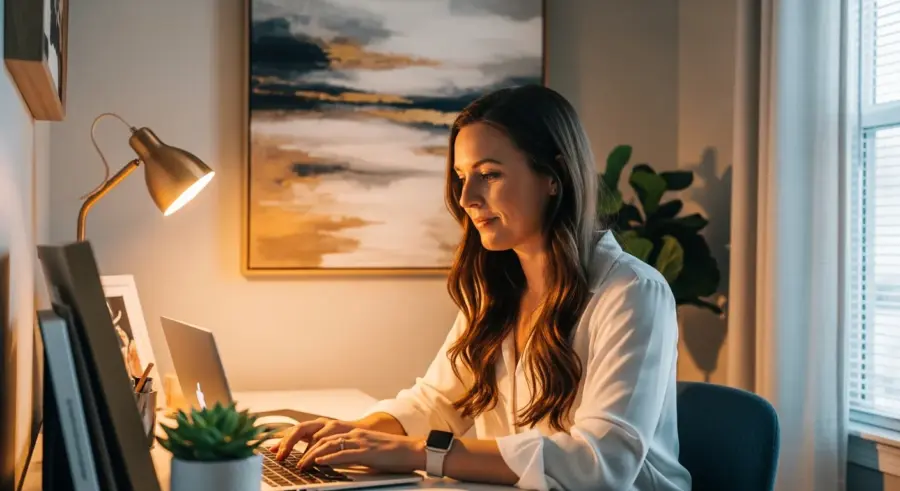
Lighting is more than just a practical necessity; it’s a powerful tool for transforming the ambiance and functionality of any space. Strategic illumination can accentuate architectural details, create a cozy atmosphere, or even define distinct zones within a room.
Among the various lighting techniques, accent lighting stands out for its ability to add drama and personality to your home. Let’s investigate how to use accent lighting ideas to create decorative lighting, set the mood and create focal points.
Whether you’re looking to showcase your favorite artwork, add depth to a room, or simply create a more inviting atmosphere, understanding the principles of accent lighting can make all the difference. With a bit of creativity and planning, you can use light to transform your living space into a stylish and inviting haven.
What is Accent Lighting and How Does It Work?
Accent lighting is a lighting technique that focuses light on a specific object or area to create visual interest and draw attention. It’s all about creating contrast and drama, making certain elements stand out while others recede into the background.
Unlike general lighting, which aims to provide overall illumination, or task lighting, which is designed for specific activities, accent lighting is purely for aesthetics. The goal is to create focal points and add depth to a space, enhancing its overall appeal.
The way accent lighting works is simple: it uses a concentrated beam of light to highlight a particular object or area. This creates a strong contrast between the illuminated object and its surroundings, instantly drawing the eye and creating a sense of drama.
To be effective, accent lighting should be at least three times brighter than the ambient light in the room. This ensures that the highlighted object truly stands out and becomes a focal point.
Think of accent lighting as the spotlight in a theater, directing the audience’s attention to the star of the show. It’s not about providing general illumination, but about emphasizing specific elements that you want to showcase.

Consider the difference between a dimly lit room and one where a single painting is bathed in light. The painting instantly becomes the center of attention, adding a touch of elegance and sophistication to the space.
Accent lighting can also be used to create a sense of depth and dimension in a room. By strategically placing lights to highlight certain areas, you can make a space feel larger and more inviting.
The key to effective accent lighting is to use it sparingly and intentionally. Too much accent lighting can be overwhelming and distracting, while too little can be ineffective.
Highlighting Artwork and Decorative Objects
One of the most common and effective uses of accent lighting is to showcase artwork and decorative objects. Whether it’s a painting, sculpture, or a collection of cherished items, accent lighting can transform these pieces into captivating focal points.
By strategically placing lights to illuminate these items, you can draw attention to their unique features and create a gallery-like atmosphere in your home. This will really make your decorative lighting stand out.
For paintings and other wall-mounted artwork, track lighting or picture lights are excellent options. These fixtures can be positioned to direct light onto the artwork, enhancing its colors and textures.
For sculptures and other three-dimensional objects, consider using spotlights or recessed lighting. These fixtures can be aimed to highlight specific features of the object, creating interesting shadows and adding depth.
Think about the texture of a painting; accent lighting can emphasize the brushstrokes and the depth of the colors. This brings the artwork to life and makes it a more engaging piece to view.
When highlighting sculptures, consider the angle of the light. A light from above can create dramatic shadows, while a light from below can emphasize the form and shape of the sculpture.
For collections of smaller objects, consider using a display case with built-in accent lighting. This will not only protect your cherished items but also showcase them in the best possible light.
Experiment with different types of bulbs to find the perfect color temperature for your artwork. Warmer tones can create a cozy and inviting atmosphere, while cooler tones can emphasize the details and colors of the piece.
Creating Depth and Dimension in Your Space
Accent lighting isn’t just about highlighting individual objects; it can also be used to create depth and dimension in your space. By strategically placing lights to illuminate walls, corners, and architectural features, you can add visual interest and make a room feel more spacious.
One way to achieve this is by using wall-mounted sconces to wash walls with light. This creates a soft, diffused glow that adds warmth and depth to the room.
| Lighting Type | Best Use | Effect |
|---|---|---|
| Wall Sconces | Washing walls with light | Adds warmth and depth |
| Recessed Lighting | Highlighting architectural features | Creates visual interest |
| Spotlights | Illuminating corners | Makes room feel more spacious |
| Strip Lights | Under-cabinet lighting | Adds modern touch |
Another technique is to use recessed lighting to highlight architectural features such as columns, arches, or textured walls. This can create interesting shadows and draw attention to the unique details of your home.
Consider using uplighting to illuminate tall plants or trees. This can create a dramatic effect and add a touch of nature to your indoor space.
Accent lighting can also be used to create a sense of depth in hallways and corridors. By placing lights at the end of a hallway, you can draw the eye forward and make the space feel longer.
Don’t forget about the power of shadows. By strategically placing lights, you can create interesting shadow patterns that add depth and dimension to your walls and floors.
Experiment with different colors of light to create different moods. Warmer colors can create a cozy and inviting atmosphere, while cooler colors can create a more modern and sophisticated look.
Using Accent Lighting to Define Zones
In open-plan living spaces, accent lighting can be a valuable tool for defining different zones and creating a sense of separation. By using light to delineate specific areas, you can create a more functional and visually appealing space.
For example, you can use track lighting to highlight a dining area, creating a distinct zone for meals and gatherings. Similarly, you can use spotlights to illuminate a reading nook, creating a cozy and inviting space for relaxation.
Another effective technique is to use accent lighting to create a focal point in each zone. This could be a piece of artwork, a decorative object, or even a plant.
By drawing the eye to these focal points, you can create a sense of visual interest and define the purpose of each zone. This is a great way to use decorative lighting to create specific focal points.
In a living room, you might use accent lighting to highlight a fireplace or a bookshelf, creating a cozy and inviting atmosphere for relaxation.
In a kitchen, you can use under-cabinet lighting to illuminate countertops and create a more functional and stylish workspace.
In a bedroom, you can use bedside lamps to create a relaxing and intimate atmosphere for reading or winding down before sleep.
Think about the flow of your space and use accent lighting to guide the eye from one zone to another. This can create a sense of continuity and make your home feel more cohesive.
Consider using different types of lighting fixtures in each zone to create a distinct look and feel. This can help to further define the purpose of each space and make your home more visually interesting.
Different Types of Accent Lighting Fixtures
When it comes to accent lighting, there’s a wide range of fixtures to choose from, each with its own unique characteristics and applications. The right fixture will depend on the specific object or area you want to highlight, as well as the overall style of your home.
Here are some of the most popular types of accent lighting fixtures: track lighting, picture lights, spotlights, recessed lighting, wall sconces and strip lights.
Track lighting consists of multiple light fixtures mounted on a track, allowing you to easily adjust the position and direction of the lights. They are ideal for highlighting artwork, architectural features, or specific areas in a room.
Picture lights are designed specifically for illuminating artwork, providing a focused beam of light that enhances the colors and textures of the piece. Spotlights are small, directional lights that can be used to highlight specific objects or areas.
Recessed lighting is installed flush with the ceiling, providing a clean and unobtrusive look. They are ideal for highlighting architectural features or creating a general wash of light.
Wall sconces are mounted on the wall and provide a soft, diffused light. They are often used to add warmth and ambiance to a room.
Strip lights are flexible LED lights that can be used to illuminate under cabinets, shelves, or other hard-to-reach areas. They are a great way to add a modern touch to your home.
Consider the style of your home when choosing accent lighting fixtures. For a modern home, you might choose sleek and minimalist fixtures, while for a more traditional home, you might choose more ornate and decorative fixtures.
Choosing the Right Bulbs and Color Temperatures
The type of bulb you choose for your accent lighting fixtures can have a significant impact on the overall effect. Different types of bulbs emit different colors and intensities of light, which can affect the way objects and spaces appear.
LED bulbs are a popular choice for accent lighting due to their energy efficiency, long lifespan, and versatility. They are available in a wide range of color temperatures, allowing you to create different moods and effects.
- Warm white (2700-3000K) for cozy and inviting spaces
- Cool white (3500-4100K) for bright and energizing spaces
- Daylight (5000-6500K) for task lighting and highlighting colors
- Halogen bulbs for a bright, crisp light that accurately renders colors
- Incandescent bulbs for a warm, soft light that creates a cozy atmosphere
When choosing bulbs for accent lighting, it’s important to consider the color temperature. This is measured in Kelvin (K) and refers to the warmth or coolness of the light emitted by the bulb.
Warm white light is ideal for creating a cozy and inviting atmosphere, while cool white light is better suited for task lighting and highlighting colors. Daylight is a good choice for areas where you need bright, natural-looking light.
Consider the color of the objects you are highlighting when choosing bulbs. Warmer colors tend to look better under warm white light, while cooler colors tend to look better under cool white light.
Experiment with different color temperatures to find the perfect look for your space. You can even use smart bulbs that allow you to adjust the color temperature on the fly.
Don’t forget about the wattage of the bulbs. Choose bulbs that are bright enough to highlight the objects you are illuminating, but not so bright that they are overwhelming.
Controlling and Dimming Accent Lights
Having control over your accent lighting is essential for creating the perfect ambiance and mood setting. Dimmers allow you to adjust the intensity of the light, creating a more intimate atmosphere or highlighting specific features.
Smart lighting systems take this control to the next level, allowing you to adjust the color and intensity of your lights from your smartphone or voice assistant. This can be especially useful for accent lighting, as it allows you to create custom lighting scenes for different occasions.
Dimmers are a simple and effective way to control the intensity of your accent lights. They can be installed on most types of lighting fixtures and allow you to easily adjust the brightness to suit your needs.
Smart lighting systems offer even more control over your accent lighting. These systems allow you to adjust the color, intensity, and even the direction of your lights from your smartphone or voice assistant.
Consider using a smart lighting system that integrates with your home automation system. This will allow you to control your accent lighting along with other smart devices in your home.
Create custom lighting scenes for different occasions, such as movie nights, dinner parties, or relaxing evenings. This will allow you to easily set the perfect mood for any situation.
Use voice control to adjust your accent lighting without having to get up from the couch. This is especially convenient when you’re entertaining guests or relaxing at home.
Schedule your accent lighting to turn on and off automatically. This can help to save energy and create a more secure home.
Safety Considerations for Accent Lighting
While accent lighting can be a beautiful and functional addition to your home, it’s important to prioritize safety when installing and using these fixtures. Always follow the manufacturer’s instructions and consult with a qualified electrician if you’re unsure about any aspect of the installation.
Ensure that all wiring is properly insulated and grounded to prevent electrical shocks. Keep flammable materials away from light fixtures to avoid fire hazards.
When installing accent lighting near water, such as in bathrooms or kitchens, use fixtures that are specifically designed for wet locations. These fixtures are sealed to prevent water from entering and causing electrical hazards.
Regularly inspect your accent lighting fixtures for any signs of damage, such as frayed wires or cracked sockets. Replace any damaged fixtures immediately to prevent accidents.
Use surge protectors to protect your accent lighting fixtures from power surges. This can help to extend the lifespan of your fixtures and prevent electrical damage.
Avoid overloading electrical circuits with too many accent lighting fixtures. This can cause the circuit breaker to trip and create a fire hazard.
Keep light bulbs away from children and pets. Light bulbs can get very hot and cause burns.
Turn off accent lighting fixtures when you leave the room. This can help to save energy and prevent overheating.
Conclusion
Accent lighting is a powerful tool for transforming the ambiance and functionality of your home. By strategically using light to highlight artwork, create depth, define zones, and set the mood, you can create a space that is both visually appealing and inviting.
With a bit of creativity and planning, you can use accent lighting to transform your living space into a stylish and comfortable haven. Experiment with different fixtures, bulbs, and techniques to find the perfect combination for your home.
Remember to consider the safety aspects of accent lighting to ensure a safe and enjoyable experience. With the right approach, accent lighting can be a valuable asset to your home decor.
Don’t be afraid to experiment and have fun with accent lighting. The possibilities are endless, and the results can be truly transformative.
So, go ahead and start exploring the world of accent lighting today! You might be surprised at how much of a difference it can make in your home.


